

DELVENTHAL LAW
DISTRACTED DRIVING ACCIDENTS
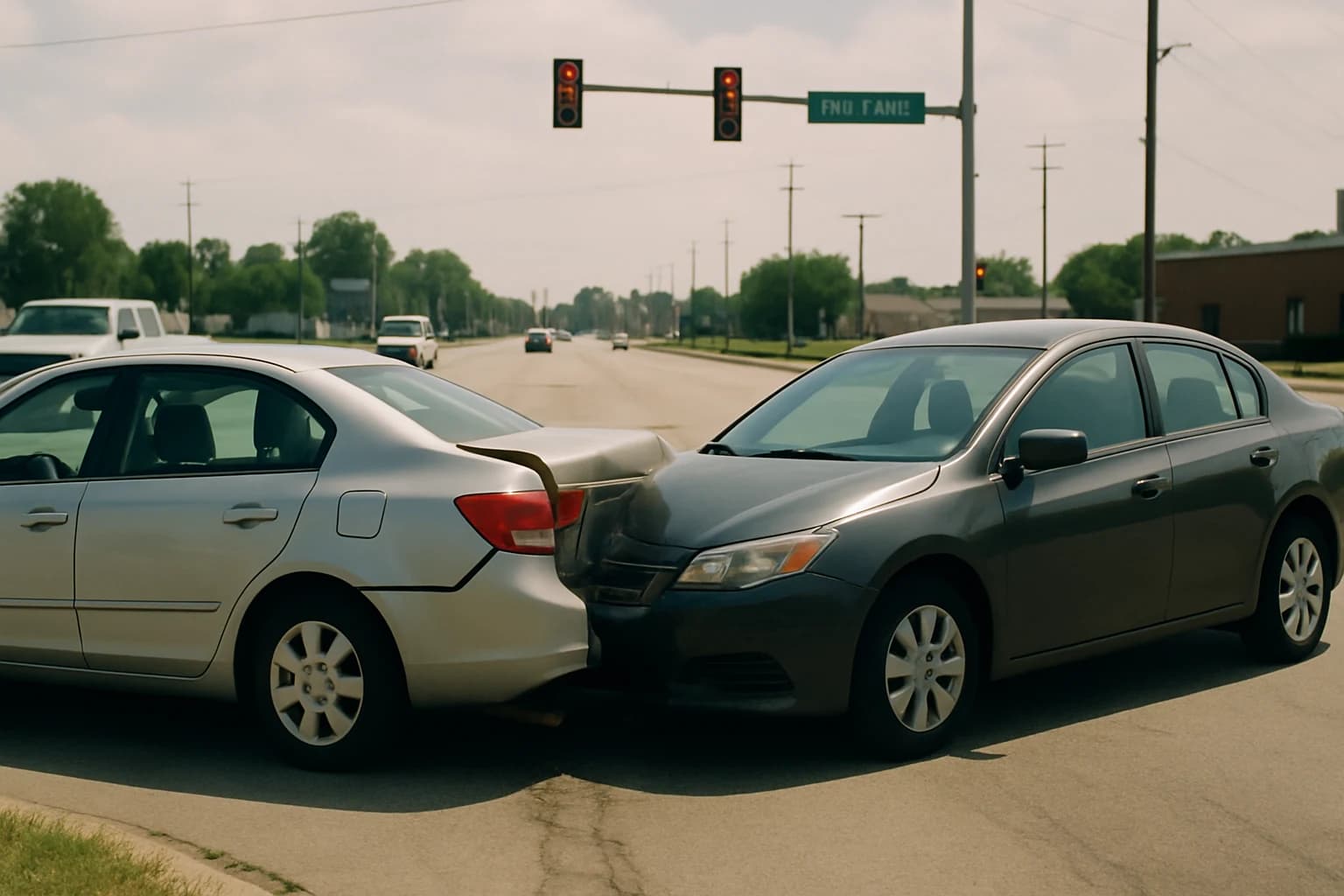
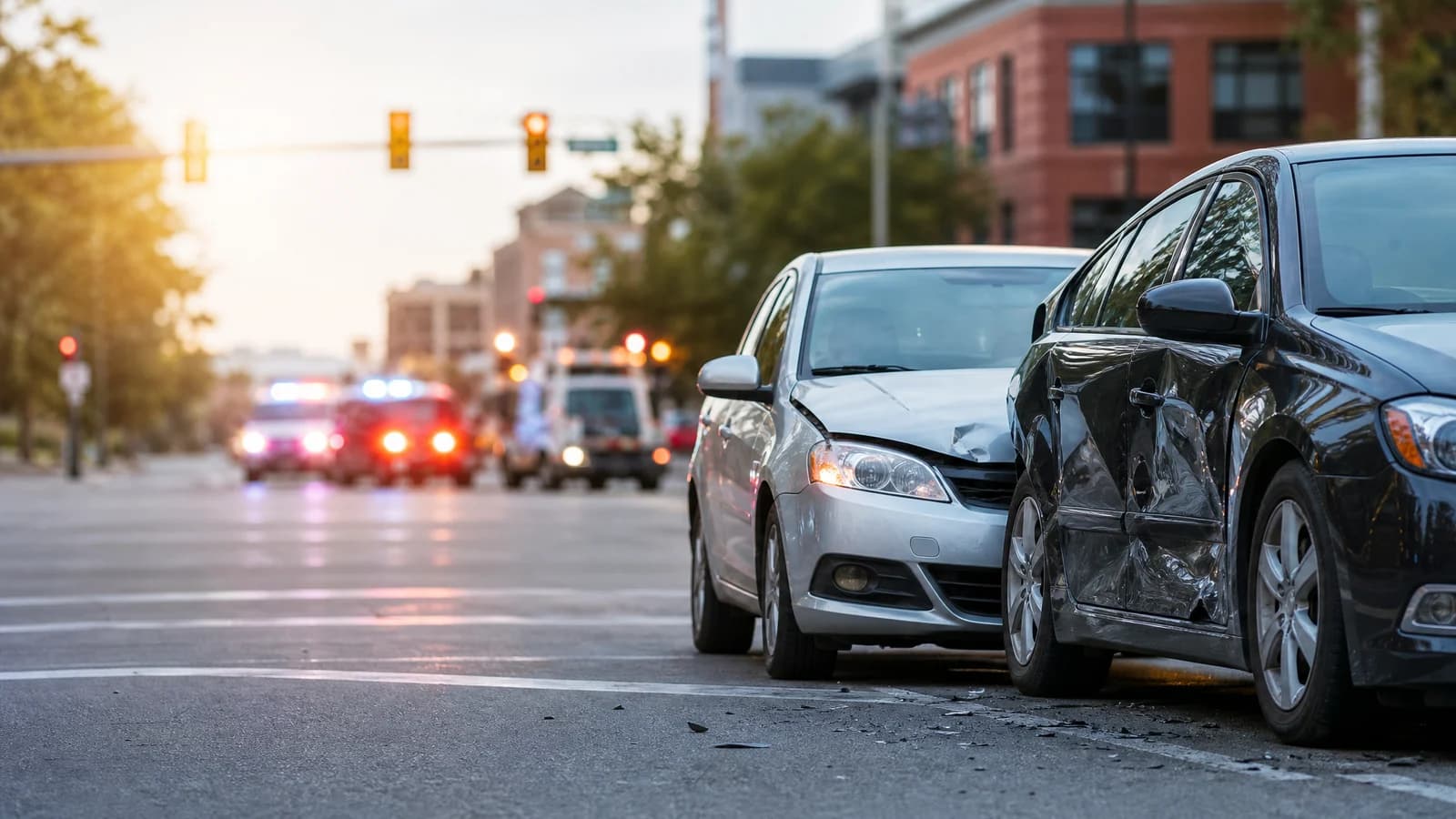
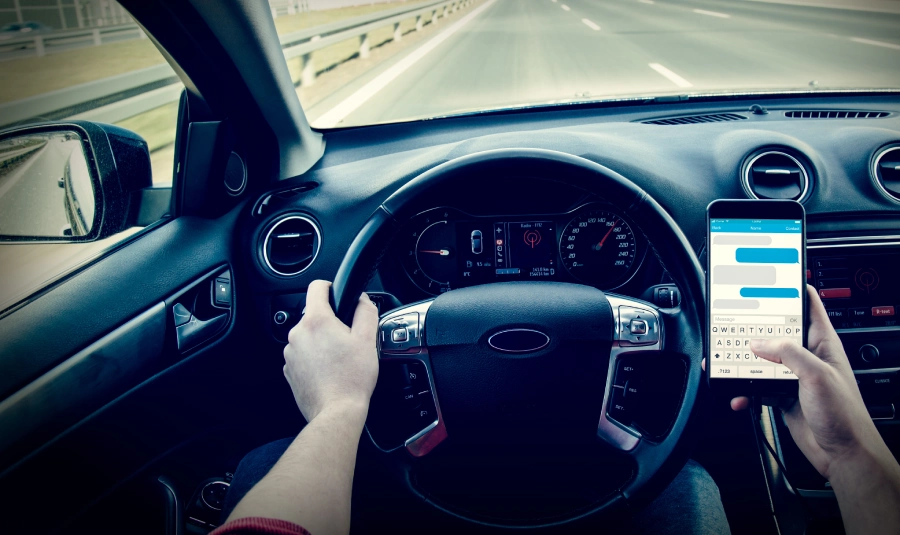
Increasing, people are trying to do too many things at once. And when they try to multitask behind the wheel of a moving vehicle, then terrible accidents can result.
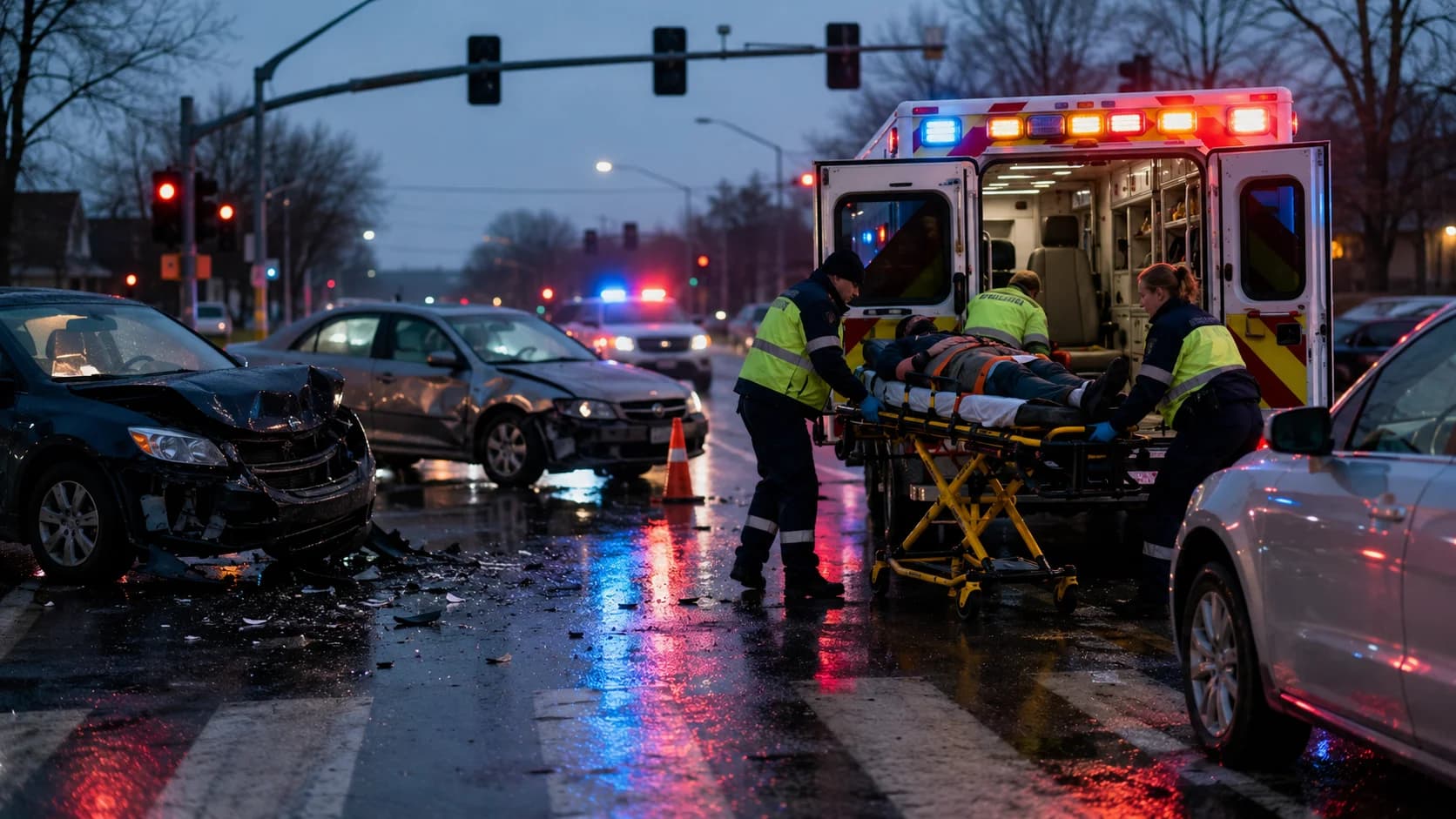
At Delventhal Law Office, we meet with the victims of distracted driving accidents every day. We have seen firsthand the devastation that these collisions can cause, including broken bones, lacerations, burn injuries, concussions, nerve damage, and spinal cord injuries.
TYPES OF DISTRACTIONS
Almost anything can serve as a distraction if it forces a person to take their eyes off the road. However, some distractions are more common than others:
- Texting
- Emailing
- Talking on the phone
- Talking to a passenger
- Reaching for something on the floor or in the glove compartment box
- Eating or drinking
- Fiddling with dashboard controls
- Using a GPS device
- Gawking or rubbernecking
- Daydreaming
Children and pets are other sources of distractions. A child might throw something or have a tantrum, and the parent tries to calm the child when they should be driving. Pets can also get loose and surprise a driver by plunging into the front seat, causing a collision.
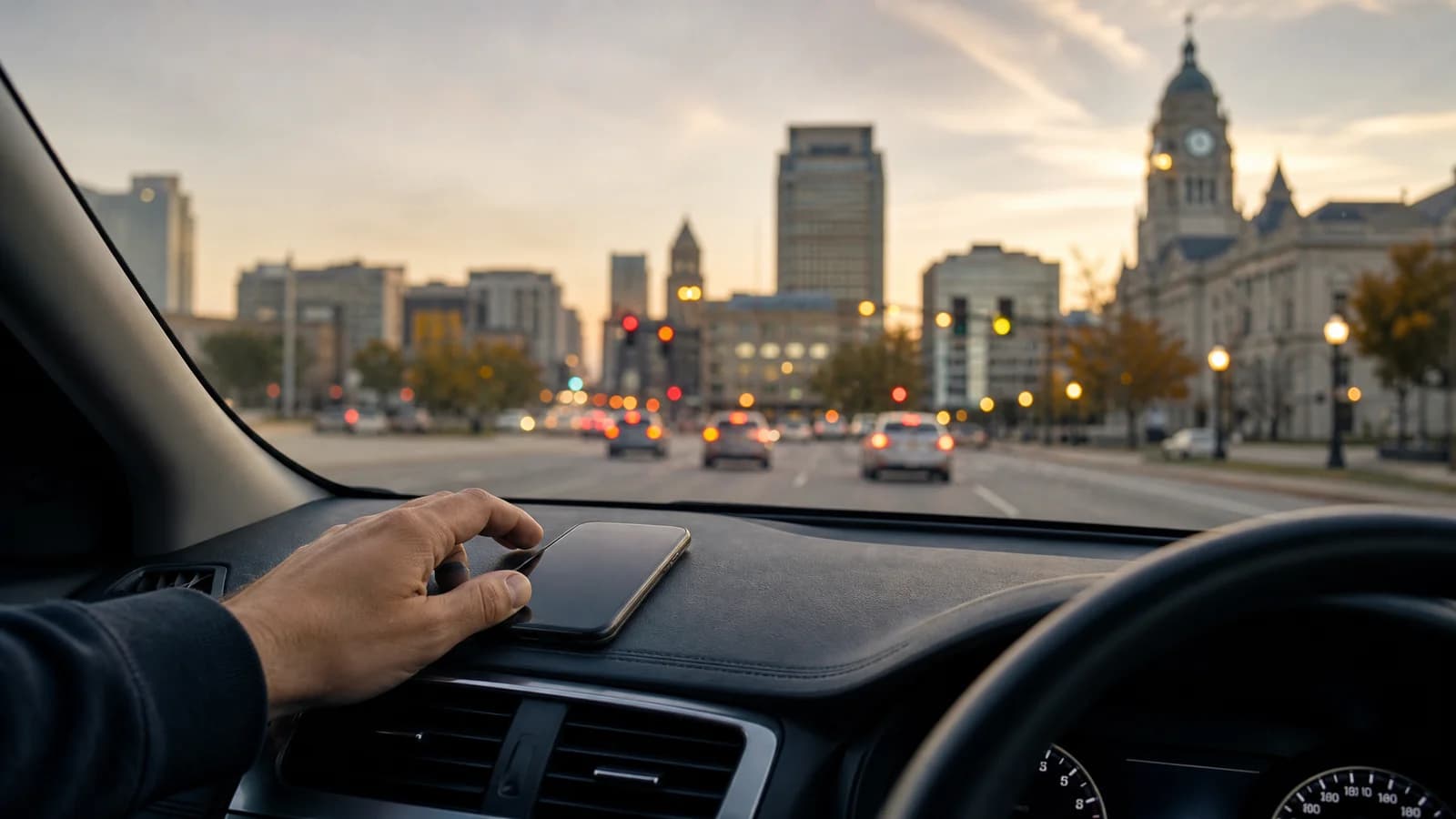
To limit distractions, put your phone away and fiddle with dashboard controls when stopped at an intersection. You should also park the car if you need to attend to a pet or child.
DANGERS OF DISTRACTED DRIVING
The federal government has collected statistics on distracted driving[1], and they are certainly alarming. Each day, around nine people are killed in a distracted driving collision and another 1,000 suffer injuries.
Injured victims can face tens of thousands of dollars in necessary medical care, which they have no way of paying. Everyone out on the road needs to do our part to reduce the number of distracted driving accidents, and we need to begin today.
WHAT YOU NEED TO PROVE FOR COMPENSATION
Indiana law states that the person who is at fault for an accident is responsible for covering the losses of victims. This means that before you can receive compensation, you need to identify who is at fault for the crash.
Generally, someone is at fault if they were negligent and their negligence caused your injuries. Under Indiana law, you will need to prove four elements:
- Duty. You must show that the driver who struck you had a duty to use reasonable care. Typically, this duty is a given, since motorists always owe other vehicles and pedestrians a duty to operate their cars carefully.
- Breach. The defendant must have fallen short of the duty of care, meaning they were careless. If the driver was distracted, then they usually have breached their duty.
- Damages. You need injuries that warrant compensation under the law. Clients who have suffered physical injuries requiring medical attention qualify.
- Causation. The breach must have actually caused your injuries. In other words, you can’t injure your back rollerblading and then claim that the fender bender you were involved in was to blame. The accident must be to blame.
You can only receive compensation if you prove each of the four with sufficient evidence. If you can’t, then you shouldn’t expect to receive anything, no matter how badly you are hurt.
HOW A DISTRACTED DRIVING ACCIDENT ATTORNEY CAN HELP
Finding evidence for your case is difficult—especially if you are holed up at home because of a serious injury. This is where an experienced car accident lawyer comes in. At Delventhal Law Office, we have helped our clients by doing the following:
- We can visit the scene of the accident to look for evidence.
- We can interview witnesses who might have seen the accident and ask them to tell us how they remember the collision happening.
- We can inspect your damaged vehicle, which could hold clues to the crash.
- We can subpoena cell phone records to check whether the defendant was on the phone.
Our attorneys can also negotiate a favorable settlement. We have sat across the negotiating table from most of Indiana’s gigantic insurance companies, and we know the tactics they use to try and limit the amount of compensation that they pay out.
CONTACT A FORT WAYNE CAR ACCIDENT ATTORNEY TODAY
Distracted driving is a menace on Indiana’s roads, and the best thing you can do is hold distracted drivers responsible when they hit and injure you. Contact Delventhal Law Office today.
One of our Fort Wayne distracted driving attorneys will meet with you in a free consultation to discuss your case. We can then identify the different paths you have to obtaining compensation.
Call (260) 484-6655 or send us an online message to schedule your consultation today.
The Indiana law that applies to your distracted-driving crash case
Indiana's two-year personal-injury statute at IC 34-11-2-4[2] governs Fort Wayne distracted-driving crash claims, and the 51% modified comparative-fault rule at IC 34-51-2-6[3] controls allocation. Indiana's hand-held-device statute at IC 9-21-8-59[4] prohibits holding a phone while operating a vehicle and supplies the per se negligence framework for distracted-driving litigation. Texting, social-media use, and any non-hands-free phone interaction triggers the statute. Infotainment-system data, cellular records, and Apple or Android device logs convert what would have been a swearing match into a documented timeline.

How insurance carriers fight Fort Wayne distracted-driving crash claims
Distracted-driving carriers in Allen, DeKalb, and Whitley County run a focused four-front defense aimed at both the statute and the injury picture. First is the no-phone-use argument — the driver insists the phone was not in hand at the moment of impact despite cellular and infotainment records to the contrary. Second is the hands-free argument, claiming a permitted hands-free use that the IC 9-21-8-59[4] statute does not penalize on its face. Third is the comparative-fault argument focused on the plaintiff's lane position, approach speed, and reaction time to the hazard. Fourth is the injury-causation argument standard to every serious motor-vehicle case in Indiana. We counter with cellular and infotainment-system subpoenas, EDR data, app activity logs, and NHTSA distracted-driving research published at the NHTSA risky-driving research[5] resource.
Evidence we preserve in the first 48 hours
Distracted-driving cases turn on device-use forensics and the impact-timing record aligned with cellular timestamps. From day one we lock down:
- Cellular records from the at-fault driver's carrier showing text, data, voice, and app activity in the fifteen minutes before impact, subpoenaed before retention cycles roll.
- Infotainment-system data from the at-fault vehicle capturing paired-device interactions, navigation inputs, and any in-vehicle messaging activity through the time of crash.
- Apple or Android device logs from the at-fault driver's phone, including screen-on time, app activity, and any social-media or messaging session active at impact.
- Event Data Recorder downloads from both vehicles capturing pre-impact braking and steering inputs that confirm the at-fault driver did not perceive the hazard.
- Witness statements and dash-cam footage from corridor drivers who observed the at-fault driver looking down or interacting with a device before impact.

Damages categories in an Indiana distracted-driving crash case
Distracted-driving damages divide into economic and non-economic categories with potential punitive exposure. Economic damages cover emergency-room care, surgery, inpatient rehabilitation, lost wages, future earning-capacity loss, and ongoing pain-management treatment for permanently impaired survivors. The NHTSA risky-driving research[5] resource documents the elevated severity in distraction-caused crashes. Non-economic damages cover pain, disfigurement, and loss of enjoyment. Indiana punitive damages under IC 34-51-3[6] are available when the distraction is egregious — extended social-media use, video streaming, or repeated texting at highway speeds frequently meets the willful-and-wanton bar.

What our distracted-driving crash clients ask most
How much is a Fort Wayne distracted-driving crash case worth?
Case value tracks injury severity, documented device-use evidence, and available coverage. A clean IC 9-21-8-59[4] violation with confirmed texting-at-impact, documented serious injury, and full coverage layers regularly supports a high six- to seven-figure recovery. Cases with extreme distraction — extended video or social-media use — frequently support punitive damages under IC 34-51-3[6].
How do I prove the other driver was on their phone?
Cellular records, infotainment-system data, and device-log forensics convert disputed testimony into documented timeline. We subpoena the at-fault driver's carrier and the vehicle's infotainment data, then align the timestamps with EDR pre-impact data. Indiana's hand-held-device statute at IC 9-21-8-59[4] supplies the per se negligence framework once device use is established.
What if the other driver was using a hands-free system?
Indiana's hand-held-device ban at IC 9-21-8-59[4] permits hands-free use, but hands-free interaction still produces measurable cognitive load and inattention documented in NHTSA distracted-driving research. Hands-free use is not a complete defense — a driver who fails to perceive a hazard while using a paired voice assistant remains liable under ordinary negligence principles.
Are punitive damages available in a distracted-driving case?
Punitive damages under IC 34-51-3[6] are available when the conduct shows willful and wanton disregard. Extended social-media use, video streaming at highway speeds, and repeated texting through warning indicators meet that bar in many Indiana courtrooms. The state takes seventy-five percent of any punitive award, but the deterrence value and impact on the carrier's settlement posture is meaningful.
How long do I have to file a distracted-driving claim in Indiana?
Indiana's general two-year personal-injury statute at IC 34-11-2-4[2] runs from the crash date. Cellular records typically retain content data for shorter intervals — a written preservation letter and subpoena within thirty days is essential. Wrongful-death claims under IC 34-23-1[7] carry their own two-year clock. Early action protects the device-use evidence.

What happens after you hire us
From the day we open the distracted-driving file we serve cellular-carrier preservation letters, subpoena infotainment data through the manufacturer, and request EDR downloads from both vehicles. We coordinate medical care, retain a reconstructionist when the distraction theory requires forensic alignment, and pursue both compensatory and punitive damages where the conduct supports it. A demand goes out at maximum medical improvement. If the carrier falls short, suit is filed in Allen Superior Court. Contingency-fee — no fee unless we recover.