



DELVENTHAL LAW
SPRAIN OR STRAIN FROM YOUR JOB?
Soft-tissue injuries have a reputation for being “minor” injuries that people can easily recover from by wrapping an ice bag to the affected body part. In reality, sprains and strains can keep people bedridden for weeks and out of work, costing injured victims thousands of dollars in medical care and lost wages.
At Delventhal Law Office, our Fort Wayne sprains and strains lawyers help accident victims just like you who are in pain and need compensation. Contact one of our Fort Wayne sprains & strains lawyers for assistance with your case.
CAUSES OF SPRAINS AND STRAINS
A sprain is any stretching or tearing of the ligaments found at joints. A strain is any stretching or tearing of muscles or the tendons that connect muscle to bone.
Many people end up suffering a strain or sprain in the following manner:
- Overexertion at work, such as pulling, pushing, or lifting for too long or too hard.
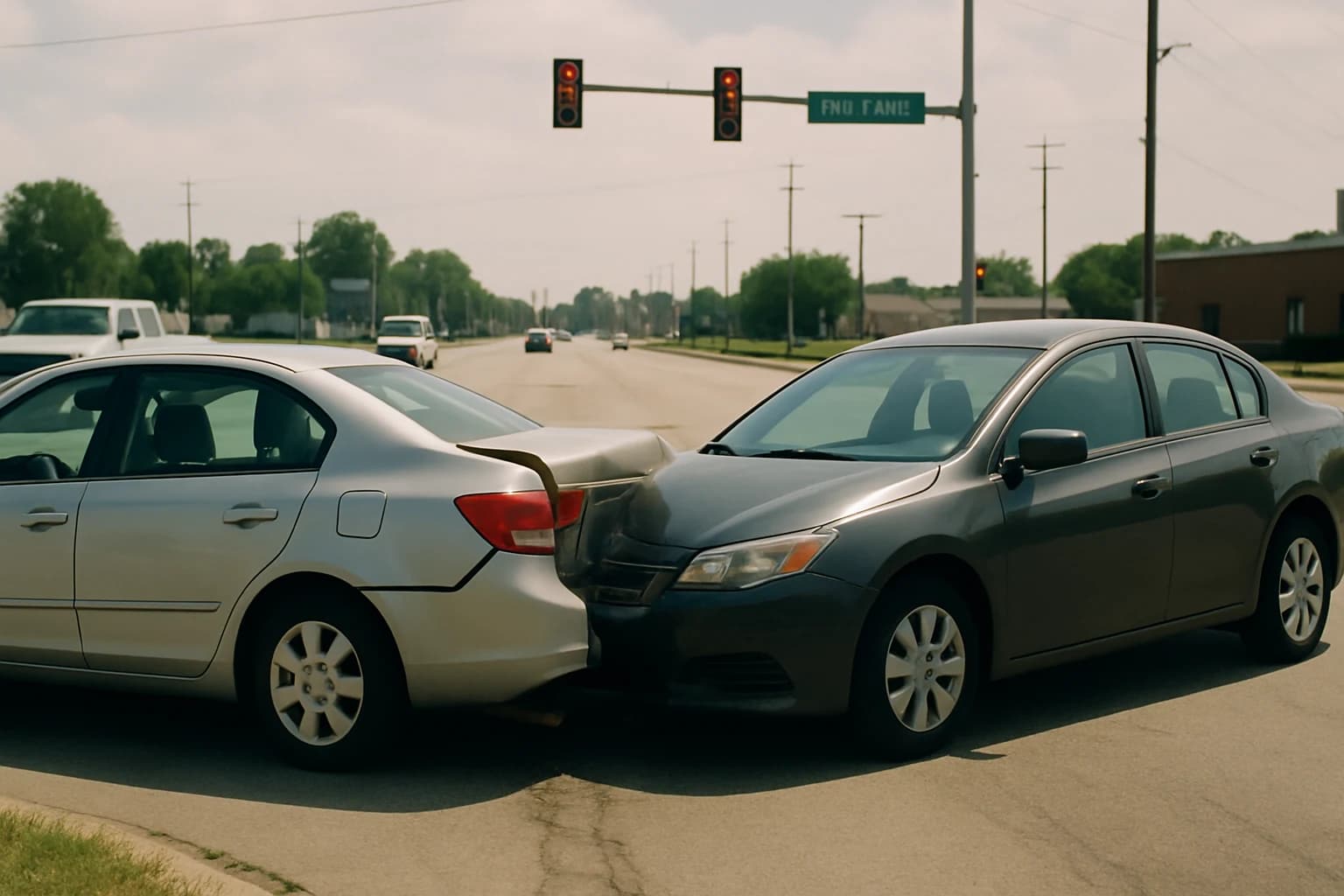
- Car accidents, which can stretch or tear ligaments or tendons. Whiplash is a soft-tissue injury involving the neck.
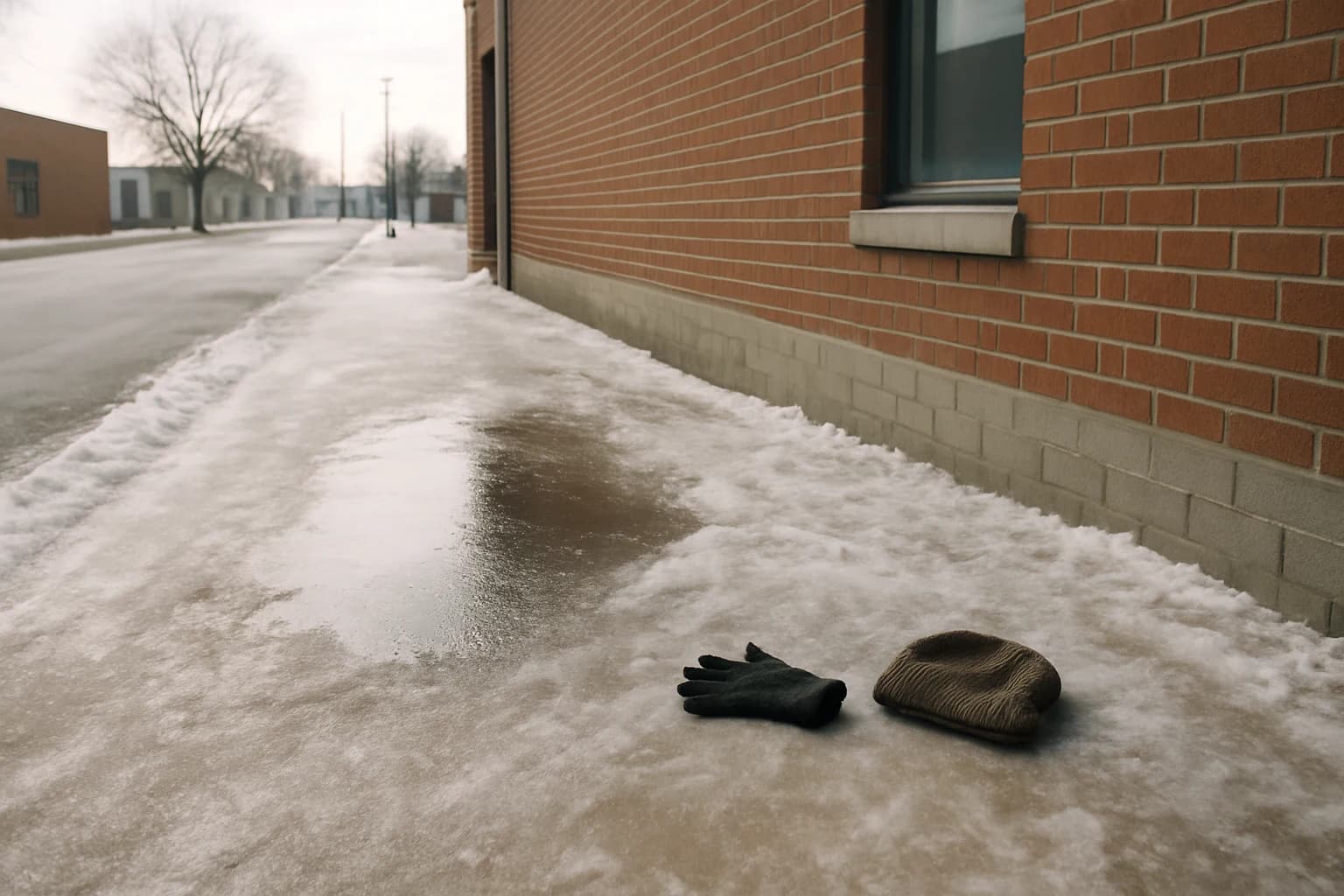
- Slip and falls, in particular, wrenching their back to prevent a fall.
If you have suffered a sprain or strain, you should carefully document the surrounding circumstances. For example, if you were in a car accident, you should call the police to come to the scene and draft a police report, which can show when and where the accident occurred.
TREATING A SPRAIN OR STRAIN
The treatment a person receives will depend on the severity of the soft-tissue injury. Relatively minor or moderate injuries involved stretched or partially torn ligaments or tendons, which can respond to the RICE[1] method:
- Rest. A person with a sprain or strain should stop using the affected limb for at least 48 hours. If you suffered a strain in your back, for example, you should not bend or do lifting.
- Ice. Applying ice for 15-20 minutes will relieve swelling and pain.
- Compression. Applying a compression bandage will also help with swelling and promote healing.
- Elevate. Raising the affected limb above the heart will reduce the amount of blood going to the sprain or strain and can reduce throbbing and pain.
Other people will need over-the-counter medicines to help with pain management and sleep. Eventually, with enough rest, a mild or moderate injury should heal in a few weeks.
With more serious soft-tissue injuries, the ligament or tendon can tear in two or be pulled from the adjoining bone or muscle. Many people will need surgery to help fix the problem, which carries its own complications.
SPEAK WITH OUR FORT WAYNE SPRAINS & STRAINS LAWYER TODAY ABOUT COMPENSATION
Any injury that keeps a person from returning to their normal life warrants meeting with an attorney to review legal options. Depending on the injury, some of our clients have received money to pay for medical bills, including surgery or rehabilitation. They have also received compensation for lost income and pain and suffering.
Each case is unique, so meet with an attorney today. Delventhal Law Office has successfully represented many people with these types of injuries. Contact a Fort Wayne sprains & strains lawyer today to schedule a free consultation. Call (260) 484-6655.
The Indiana law that applies to your sprain or strain injury case
Indiana's two-year personal-injury statute of limitations at IC 34-11-2-4[2] controls Fort Wayne sprain and strain claims arising from rear-end crashes, slip-and-falls, lifting incidents, and workplace overexertion. The 51% modified comparative-fault rule at IC 34-51-2-6[3] bars recovery if a jury finds the injured worker more than half at fault. Workers' compensation soft-tissue claims run under Indiana Workers' Compensation Board rules — a substantial portion of Allen County WC volume — and many crash-related strain cases also support a third-party negligence claim against the at-fault driver and carrier.

How insurance carriers fight Fort Wayne sprain or strain injury claims
Soft-tissue claims face the most aggressive carrier defense in the personal-injury industry because the injury is largely invisible on plain x-ray. First is the imaging-negative argument — adjusters and defense IMEs cite normal x-rays and MRIs as proof the strain is exaggerated or absent. Second is the low-property-damage argument: carriers, particularly major-market auto insurers, run "minor impact soft tissue" programs that systematically deny or reduce claims where bumper damage is minimal, despite published biomechanical research showing whiplash injury at impact speeds as low as eight to ten miles per hour. Third is the conservative-treatment argument — carriers cap chiropractic and physical therapy at a fixed number of visits regardless of clinical progress. Fourth is the symptom-magnification argument, where IMEs apply Waddell signs and other validity scales to discredit pain reports. We counter with NIH soft-tissue research at National Institutes of Health[4] and meticulous treatment-timeline documentation.
Evidence we preserve in the first 48 hours
Sprain and strain cases turn on consistent treatment documentation, mechanism evidence, and quantified functional loss. From the moment we open the file we secure:
- Same-day ER or urgent-care intake documenting mechanism, pain location, range-of-motion deficit, and any radiating symptoms suggestive of nerve-root involvement.
- Property-damage photographs, crash-reconstruction estimates, and event-data-recorder downloads obtained before vehicle repair to defeat the carrier's minor-impact soft-tissue defense.
- Treatment-timeline records showing consistent, uninterrupted physical therapy or chiropractic care — gaps in treatment are weaponized by adjusters and IMEs.
- MRI imaging when symptoms persist beyond six weeks to document underlying disc, ligamentous, or muscular pathology missed on initial films.
- Pre-incident medical records for the prior decade so the carrier cannot ambush with surprise pre-existing soft-tissue complaints at deposition.

Damages categories in an Indiana sprain or strain injury case
Sprain and strain damages are real and recoverable even though the injury does not appear on x-ray. Economic damages cover ER, primary care, physical therapy or chiropractic care that commonly stretches three to six months, MRI imaging where indicated, prescription medication, and lost wages during restricted activity. Future damages account for chronic-pain progression in roughly twenty-five percent of soft-tissue cases — published National Institutes of Health[4] research grounds that figure. Non-economic damages cover pain, sleep disruption, restricted recreational activity, and the loss of enjoyment that the carrier consistently undervalues.

What our sprain or strain injury clients ask most
How much is a Fort Wayne sprain or strain case worth?
Settlement value depends on treatment duration, severity of functional loss, MRI findings, and whether symptoms become chronic. A documented cervical or lumbar strain resolved within three months of physical therapy commonly settles in the mid five figures. A strain progressing to chronic pain with positive MRI findings and ongoing treatment can support a low to mid six-figure recovery.
The carrier says my injury is minor because my car barely has damage — is that true?
Property damage does not equal injury severity. Modern vehicle bumpers transfer crash energy directly to occupants even when bumper covers appear intact. Published biomechanical research documents whiplash injury at impact speeds as low as eight to ten miles per hour. Indiana courts have rejected minor-impact-soft-tissue as a basis to bar recovery when medical evidence supports the claim.
Why does the carrier care so much about gaps in my treatment?
Gaps give the adjuster a narrative argument that you recovered, then re-aggravated the injury independently. Even a two-week unexplained gap in physical therapy becomes a deposition exhibit. Consistent treatment, with documented reasons for any breaks — vacation, work travel, insurance authorization delay — protects the case from this routine defense tactic.
Do I need an MRI for a sprain or strain claim?
MRI is not required for every claim, but it is strongly indicated when symptoms persist beyond six weeks, when radicular pain suggests nerve-root involvement, or when conservative treatment fails. A negative MRI is not fatal to a strain claim, but a positive MRI documenting disc, ligament, or muscle pathology substantially increases case value and defeats the carrier's invisible-injury defense.
How long do I have to file a sprain or strain lawsuit in Indiana?
Indiana's two-year personal-injury statute at IC 34-11-2-4[2] runs from the date of injury for crash and premises claims. Workers' compensation strain claims require employer notice within thirty days. Indiana Tort Claims Act notice against a political subdivision is 180 days, and against a state defendant is 270 days. Do not let the carrier slow-walk you past the deadline.

What happens after you hire us
From the day we open the sprain or strain file we preserve treatment records, place provider records on litigation hold, and notify the at-fault carrier in writing that all communications go through this office. We coordinate consistent physical therapy or chiropractic care, monitor for symptom progression that warrants MRI, and send a settlement demand once you reach maximum medical improvement at the conclusion of conservative treatment. If the carrier applies an MIST-style discount, suit is filed in Allen Superior Court or proper venue. Contingency-fee — no fee unless we recover.