


DELVENTHAL LAW
NEED A WORKERS COMPENSATION LAWYER?
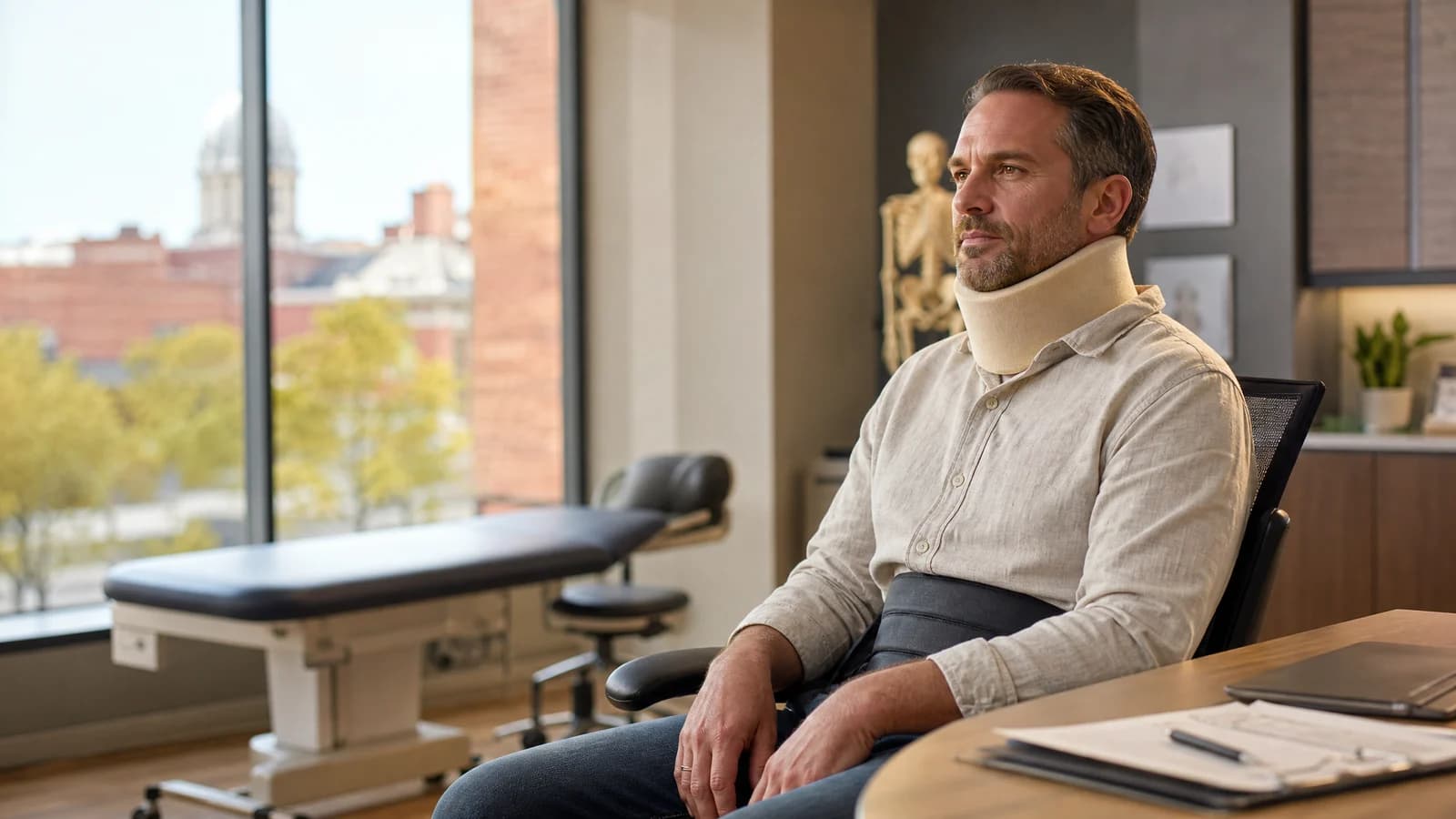
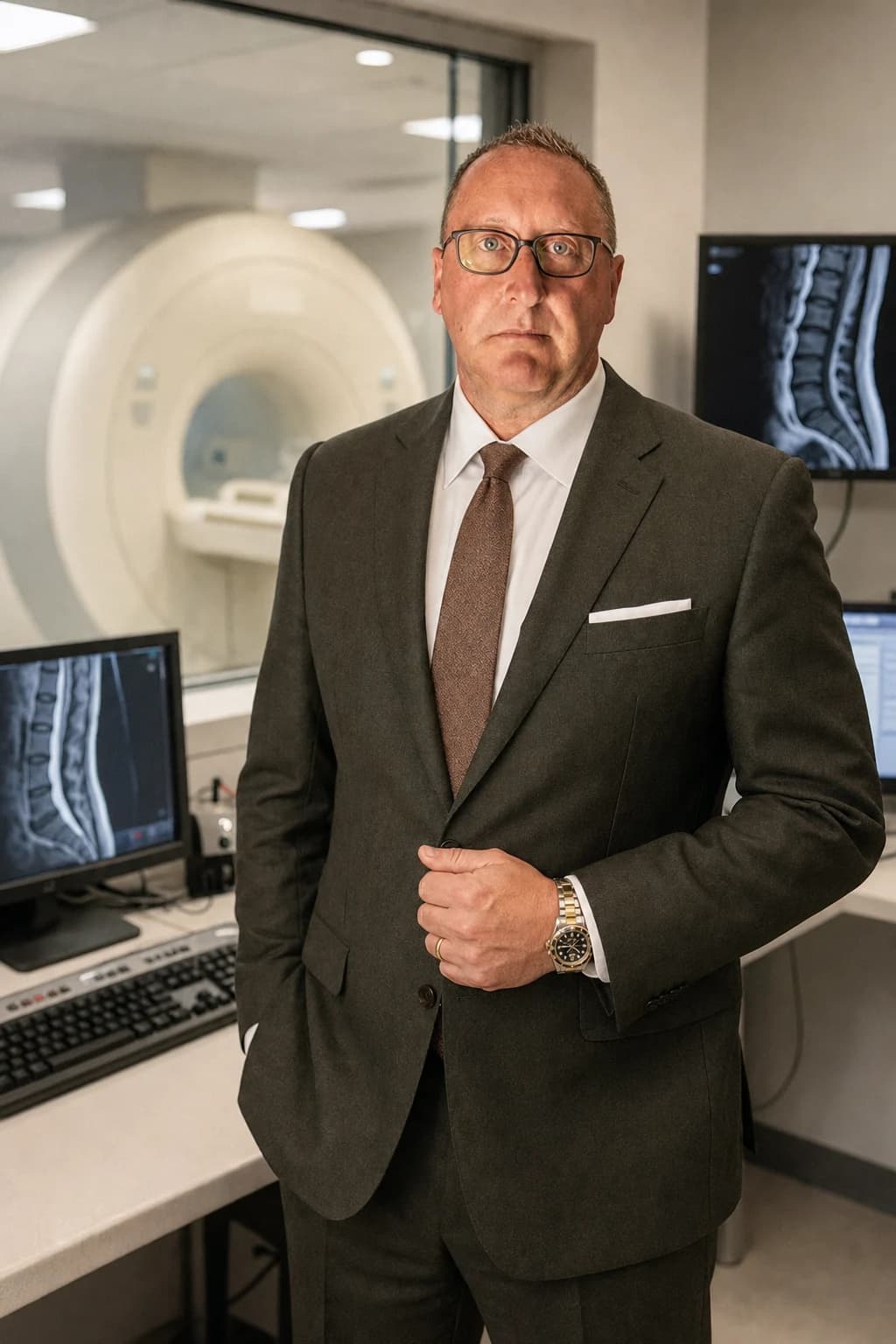
One of the most widely recognized injury types among personal injury clients is a herniated disc. Unless you’ve ever suffered a herniated disc, it’s likely you’re new to how precisely the injury happens and the impact it can have on overall wellbeing.
To put it plainly, a herniated disc[1] is considerably more than simply back pain.
Here, we investigate herniated discs; common types of accidents that can cause injury; and the importance of seeking medical help. If you or somebody you love has sustained a herniated disc injury, you should consult a Fort Wayne Herniated Disc Lawyer. The attorney can help you seek compensation for your injury from the parties responsible for the accident.
WHAT IS A HERNIATED DISC?
Every one of our spines has 33 discs, frequently alluded to as vertebrae. The human vertebrae are divided further to form the cervical vertebrae, which run along the spine from the head to the lower back. In-between every cervical vertebra is a rubbery disc that serves as a kind of cushion to absorb shock.
Every one of these rubbery discs has an external area, called anulus fibrosus, and an inward segment, called the nucleus pulposus.
When the back experiences extraordinary measures of force or energy, like in an auto collision, the anulus fibrosus can break or tear. That in turn causes sticking out of the core pulposus, uncovering the spine’s nerve tissues.
Several people also use the terms slipped disc, ruptured disc or bulging disc in place of herniated disc.
The measure of pain brought about by a herniated disc injury varies enormously from individual to individual. In certain occasions, the torment can be so terrible as to leave a patient confined to bed.
ACCIDENTS THAT CAN CAUSE A HERNIATED DISC INJURY
Notwithstanding the general mileage on the body that happens with aging, several personal injury accidents can cause a herniated disc:
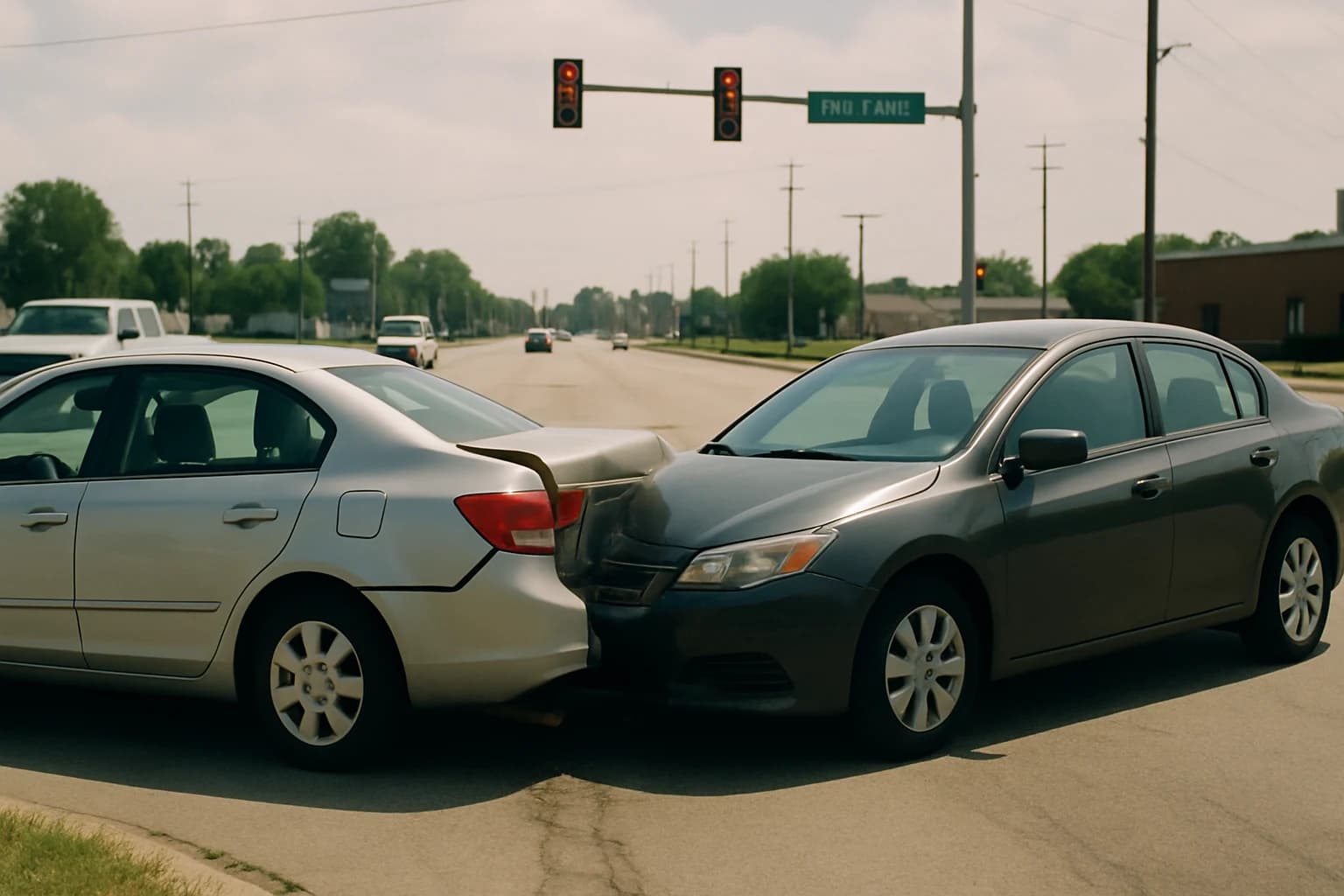
- Auto Crash – The sheer power and whip-like movement of the body in an auto accident can injure at least one disc in an individual’s vertebrae. Many people sustain a ruptured disc in rear-end collisions, which ordinarily happen at stop lights or in halted interstate traffic
- Motorcycle Accident – As anyone might expect, motorcyclists face extraordinary exposure during traffic accidents. Since riders are frequently tossed from their bike, their bodies can be bent in any number of positions. That causes the back to retain a lot of energy from different twists and turns. The end result can leave an injured motorcyclist with a herniated disc
- Pedestrian Accident – Similar to motorcycle riders, the vulnerability of pedestrians raises the probability of sustaining a herniated disc during a car accident
- Slip and Fall Accidents – Numerous people sustain a bulging disc injury after encountering a slip and fall. Many times, slip and fall accidents happen in grocery store isles with spills, frosty walkways, or inadequately maintained parking areas
- Workplace Accidents – Many employees also suffer ruptured discs while at work, either because of a solitary accident or long stretches of repetitive motion. Countless kinds of workplace accidents involve physically demanding jobs, like construction work, emergency first response, landscaping and police work
SEEING A DOCTOR AFTER A BACK INJURY
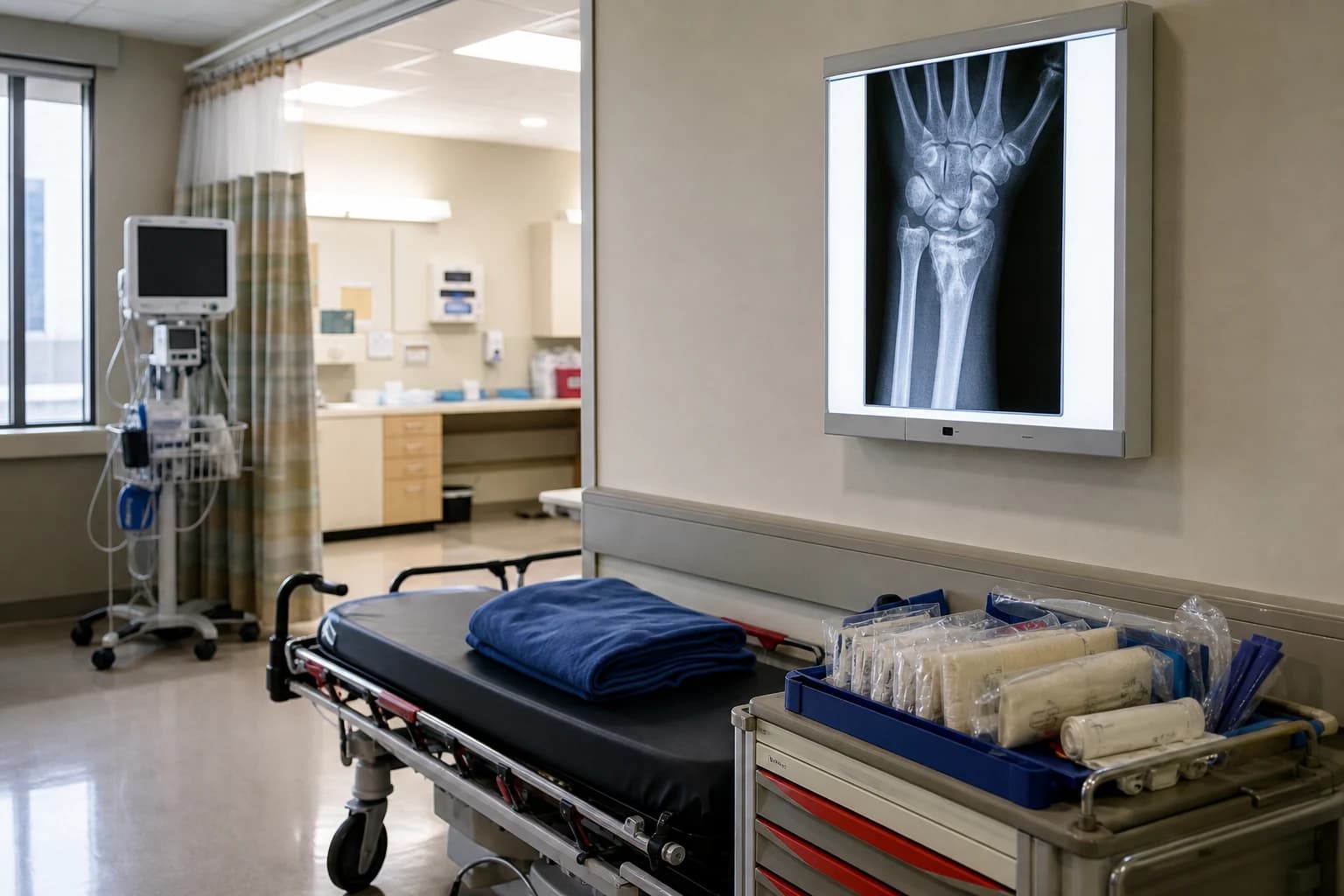
Ultimately, regardless of the type of incident that has given you a back injury, you should seek medical care.
Insurance agencies may attempt to claim that a herniated disc injury shows up promptly after an accident. However, the fact of the matter is herniated discs may not appear until weeks or months after the mishap.
Having medical treatment documentation will significantly enhance your odds of being appropriately compensated in a personal injury claim.
CONSULT AN ACCOMPLISHED FORT WAYNE HERNIATED DISC LAWYER
Delventhal Law Office, LLC is a reliable law firm with many years of experience in helping wrongfully injured persons across Fort Wayne. Our law firm routinely addresses victims who’ve suffered a herniated disc because of an accident. We comprehend the reality of your condition and how it might be influencing you. Our involvement in herniated disc claims guarantees you get reasonable and full remuneration from the insurance agency. Call us today to talk to a qualified Fort Wayne Herniated Disc Lawyer.
CONTACT OUR FORT WAYNE CAR ACCIDENT LEGAL TEAM
At the Delventhal Law Office, our top-rated Indiana car accident legal team is standing by, ready to assist you with your case. If you or a family member was injured in a traffic accident, please contact us today for your free, no obligation case review. You can visit our office, website or call (260) 484-6655. From our office in Fort Wayne, we represent injured car accident victims throughout Indiana, including victims in Allen County, Adams County, Wells County, DeKalb County, Whitley County, and Huntington County.
The Indiana law that applies to your herniated disc injury case
Indiana's two-year personal-injury statute of limitations at IC 34-11-2-4[2] controls Fort Wayne herniated disc claims arising from rear-end crashes, falls, and workplace lifting incidents. The 51% modified comparative-fault rule at IC 34-51-2-6[3] bars recovery if the injured worker is found more than half at fault. Workers' compensation lumbar and cervical disc claims run under Indiana Workers' Compensation Board rules, and many serious disc cases also support a parallel third-party suit against an at-fault driver, premises owner, or equipment supplier.

How insurance carriers fight Fort Wayne herniated disc injury claims
Herniated disc claims face one of the most aggressive carrier defenses in personal-injury litigation because the underlying anatomy is age-correlated. First is the asymptomatic-population argument — defense IMEs cite Boden and Jensen studies showing disc herniation on MRI in a substantial percentage of asymptomatic adults, claiming the imaging finding pre-existed the incident. Second is the disc-degeneration-versus-herniation argument: carriers concede degenerative changes but deny the focal extrusion or protrusion that produces radiculopathy. Third is the conservative-treatment-resolves argument, where adjusters refuse to fund discectomy or fusion. Fourth is the electromyography-negative argument when EMG normalizes after early treatment, ignoring the clinical correlation of MRI findings with dermatomal pain. We counter with the published surgical-outcomes literature at American Academy of Orthopaedic Surgeons[4] and meticulous treatment continuity.
Evidence we preserve in the first 48 hours
Herniated disc cases turn on MRI specificity, radicular correlation, and the documented arc through conservative and interventional treatment. From the moment we open the file we secure:
- High-resolution MRI sequences identifying focal disc extrusion, protrusion, or sequestration with precise levels, sided-ness, and nerve-root impingement documented.
- EMG and nerve-conduction studies correlating the MRI finding to objective radiculopathy — dermatomal distribution, denervation potentials, and sensory amplitude loss.
- Pre-incident spine imaging and primary-care records for the prior decade so the carrier cannot ambush with surprise pre-existing-herniation exhibits at deposition.
- Treatment-timeline documentation across physical therapy, epidural steroid injections, and surgical consultation — including any failed conservative-care milestones.
- Operative reports with photographs of the extruded disc fragment, when discectomy or fusion is performed, that defeat the asymptomatic-imaging-finding defense.

Damages categories in an Indiana herniated disc injury case
Herniated disc damages are substantial when the imaging, radicular findings, and treatment arc align. Economic damages cover ER, MRI imaging, EMG studies, physical therapy across six to twelve months, lumbar or cervical epidural injections, microdiscectomy or fusion surgery, post-operative rehabilitation, and lost wages during restricted activity. Future damages account for adjacent-segment disease after fusion and the chronic-pain trajectory documented in National Institutes of Health[5] outcomes research. Non-economic damages cover radicular pain, sleep disruption, restricted activity, permanent impairment, and loss of enjoyment.

What our herniated disc injury clients ask most
How much is a Fort Wayne herniated disc case worth?
Settlement value tracks imaging specificity, surgical intervention, and projected long-term outcome. A documented L5-S1 disc extrusion with positive radicular EMG, failed conservative care, and a microdiscectomy regularly supports a low to mid six-figure recovery. A multi-level fusion case with adjacent-segment risk projects substantially higher. Asymptomatic-population defenses are defeated by the pre-incident-record baseline.
The carrier says many people have herniated discs without pain — is that true?
Asymptomatic disc abnormalities exist on imaging in many adults, but a symptomatic herniation with radicular pain documented after a specific traumatic event is causally attributable to that event under Indiana eggshell plaintiff law. The combination of MRI finding, dermatomal pain pattern, and positive EMG defeats the carrier's asymptomatic-population argument at deposition.
Do I have a case if my MRI shows degeneration on multiple levels?
Multi-level degeneration on MRI is common and does not defeat the claim. The focal herniation at the symptomatic level — not background degeneration across the rest of the spine — is the operative pathology. A surgeon and a treating radiologist will distinguish chronic degenerative findings from the acute symptomatic herniation, and pre-incident imaging establishes the baseline against the new finding.
Will I need surgery for my herniated disc?
Surgical decisions belong to the spine surgeon based on imaging, neurologic deficit, response to conservative care, and functional impact. AAOS and AANS clinical guidance support microdiscectomy or fusion for documented progressive weakness, intractable radicular pain, cauda equina syndrome, or failure of structured conservative treatment across an extended arc. Most disc cases resolve without surgery.
How long do I have to file a herniated disc lawsuit in Indiana?
Indiana's two-year personal-injury statute at IC 34-11-2-4[2] runs from the date of injury for crash and premises claims. Workers' compensation requires employer notice within thirty days. Indiana Tort Claims Act notice against a political subdivision is 180 days, and against a state defendant is 270 days. Surgical-decision delays sometimes push close to the statute, so early counsel matters.

What happens after you hire us
From the day we open the herniated disc file we preserve MRI imaging and EMG studies, place hospital, pain-management, and surgical records on litigation hold, and notify the carrier in writing that all communications go through this office. We coordinate physical therapy, epidural injection management, and any spine-surgical consultation, and send a settlement demand once you reach maximum medical improvement after microdiscectomy, fusion, or the conservative-care endpoint. If the offer is inadequate, suit is filed in Allen Superior Court or proper venue. Contingency-fee — no fee unless we recover.