Key takeaways
- A motor carrier may be vicariously liable for a driver's negligence within the scope of employment and may face direct-liability theories when Indiana law and the evidence support them.
- Federal Motor Carrier Safety Regulations assign different duties to motor carriers and drivers. Shippers, loaders, brokers, and other intermediaries are not automatically subject to every carrier or driver duty.
- A cargo loader, shipper, maintenance shop, or manufacturer may share fault when it owed and breached an applicable duty that caused the crash. Claims against freight brokers face substantial federal-preemption limits.
- A city, county, or the State can sometimes be liable for a dangerous road—but Indiana tort-claim notice deadlines are short (180 or 270 days).
- Indiana’s modified comparative fault rule and two-year statute of limitations shape every truck claim, so identifying all defendants early is critical.
Why more than the driver is usually involved
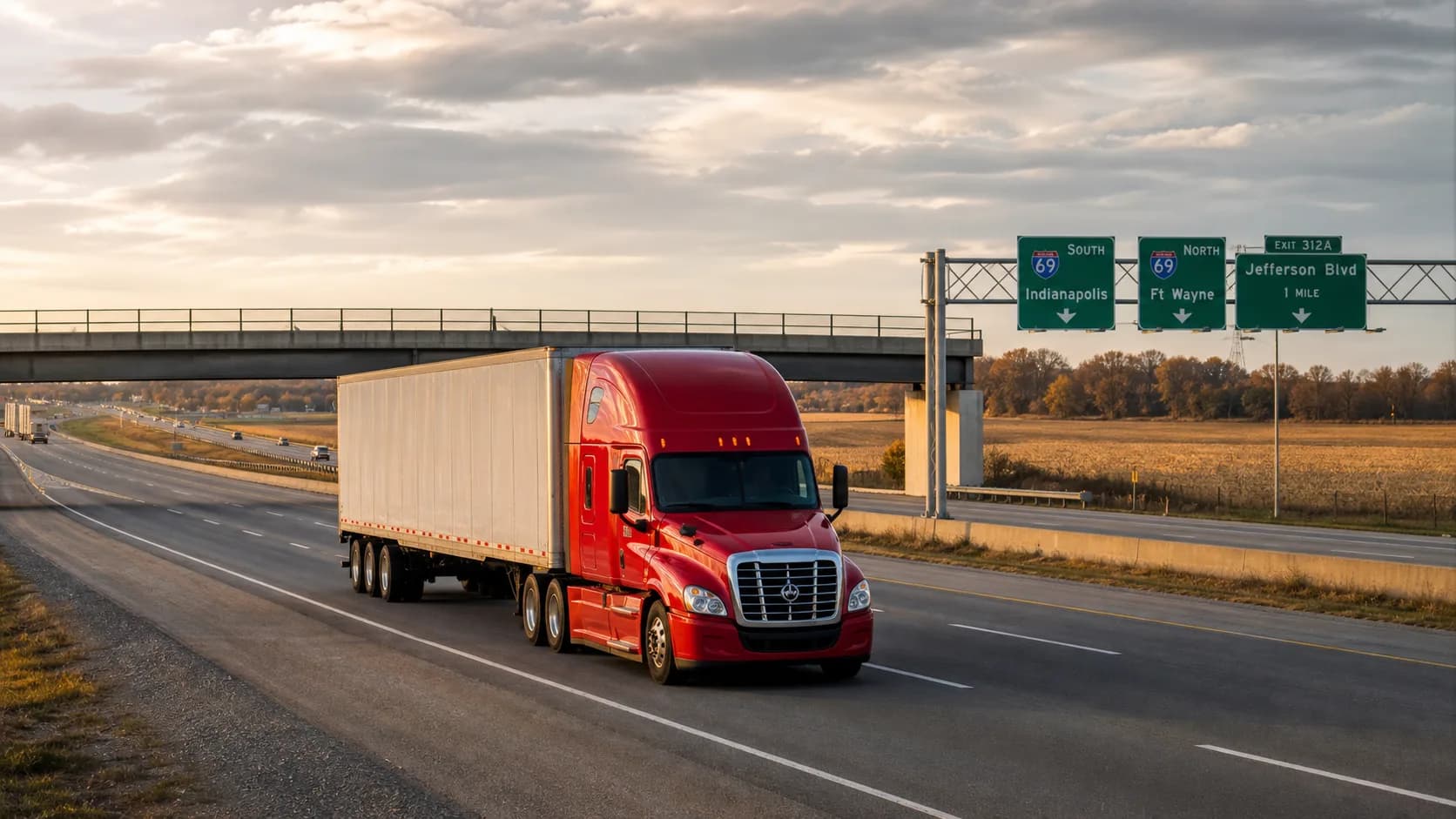
A commercial truck crash can involve more than a two-driver dispute. Behind one tractor-trailer on I-69, US-30, or US-24 near Fort Wayne there is usually a web of companies: the business that employs the driver, the company that owns or leases the trailer, the shipper whose freight is on board, the broker that arranged the load, the shop that services the brakes, and the manufacturers of the truck and its parts. When any of them cut corners, the resulting harm can be catastrophic. Whether any of those entities is legally responsible—or has applicable insurance—requires evidence specific to the crash.
That is why identifying every potentially responsible party is one of the first jobs in a truck case. Our overview of who may be legally responsible after an Indiana truck accident walks through the same layered analysis, and our Fort Wayne truck accident attorney page explains how these claims are investigated.
Who can be liable: a quick reference
| Potentially liable party | Typical legal theory | Example of what went wrong |
|---|---|---|
| Truck driver | Negligence | Speeding, distraction, fatigue, unsafe lane change |
| Trucking company / motor carrier | Vicarious liability; negligent hiring, training, supervision, retention | Employed an unqualified driver; pushed unrealistic schedules |
| Cargo loader / shipper | Negligence in loading or securement | Overloaded, unbalanced, or unsecured freight that shifted or fell |
| Freight broker | Fact-specific and often federally preempted | A broker-selection theory may be barred under controlling federal law; agency or independent negligence requires separate analysis |
| Maintenance / repair company | Negligence | Faulty brake or tire repair that later failed |
| Truck or parts manufacturer | Product liability | Defective brakes, tires, steering, or coupling components |
| Government entity | Negligence (subject to Indiana Tort Claims Act) | Poorly maintained road, missing signage, dangerous work zone |
The trucking company (motor carrier)
The employer is often the most important defendant in a truck case. Under Indiana’s doctrine of respondeat superior, an employer can be held responsible for the negligent acts an employee commits within the scope of employment. In plain terms, if a company driver caused the crash while doing the job, the company generally answers for it too. A respondeat superior claim depends on the driver acting within the scope of employment. Direct claims such as negligent hiring or retention require proof of the carrier's own breach and causation, and Indiana law may limit redundant direct-negligence theories when the employer admits vicarious responsibility for the driver's conduct.
Beyond vicarious liability, a motor carrier can be directly at fault for how it ran its business—hiring a driver it should have screened out, skipping required training, ignoring hours-of-service limits, or failing to maintain its fleet. We explain these overlapping theories in detail in our guides to vicarious liability in Indiana truck accident cases and negligent hiring and training.
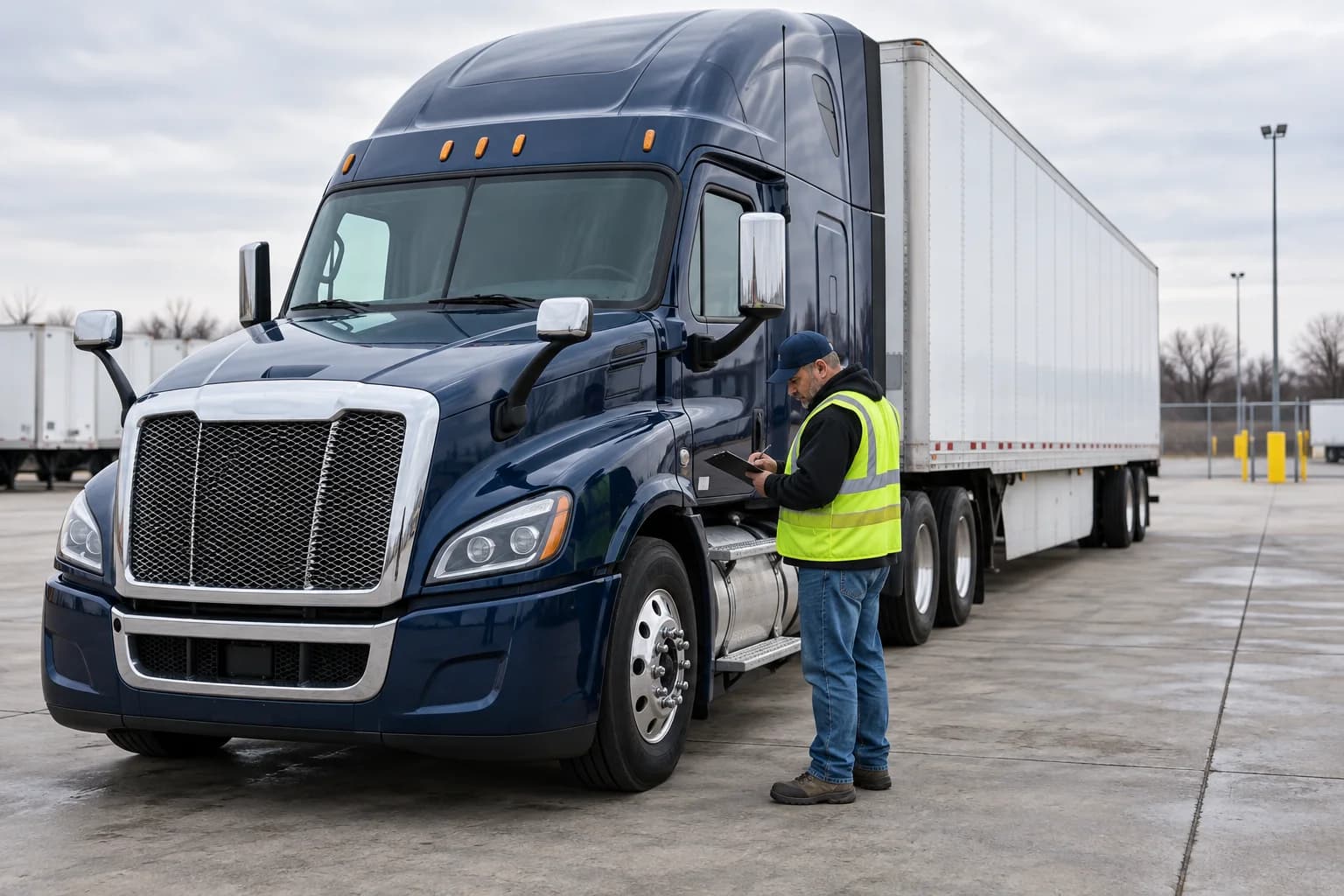
Federal safety rules reinforce this. The Federal Motor Carrier Safety Regulations assign duties by role. The general rules in 49 CFR Part 390[1] principally regulate motor carriers, drivers, and commercial motor vehicles in covered operations. Certain provisions, such as anti-coercion rules, also address shippers, receivers, and transportation intermediaries; that does not make those entities responsible for every carrier or driver obligation. A company cannot simply blame the driver and walk away when its own systems allowed an unsafe truck or driver onto the road.
Cargo loaders and shippers
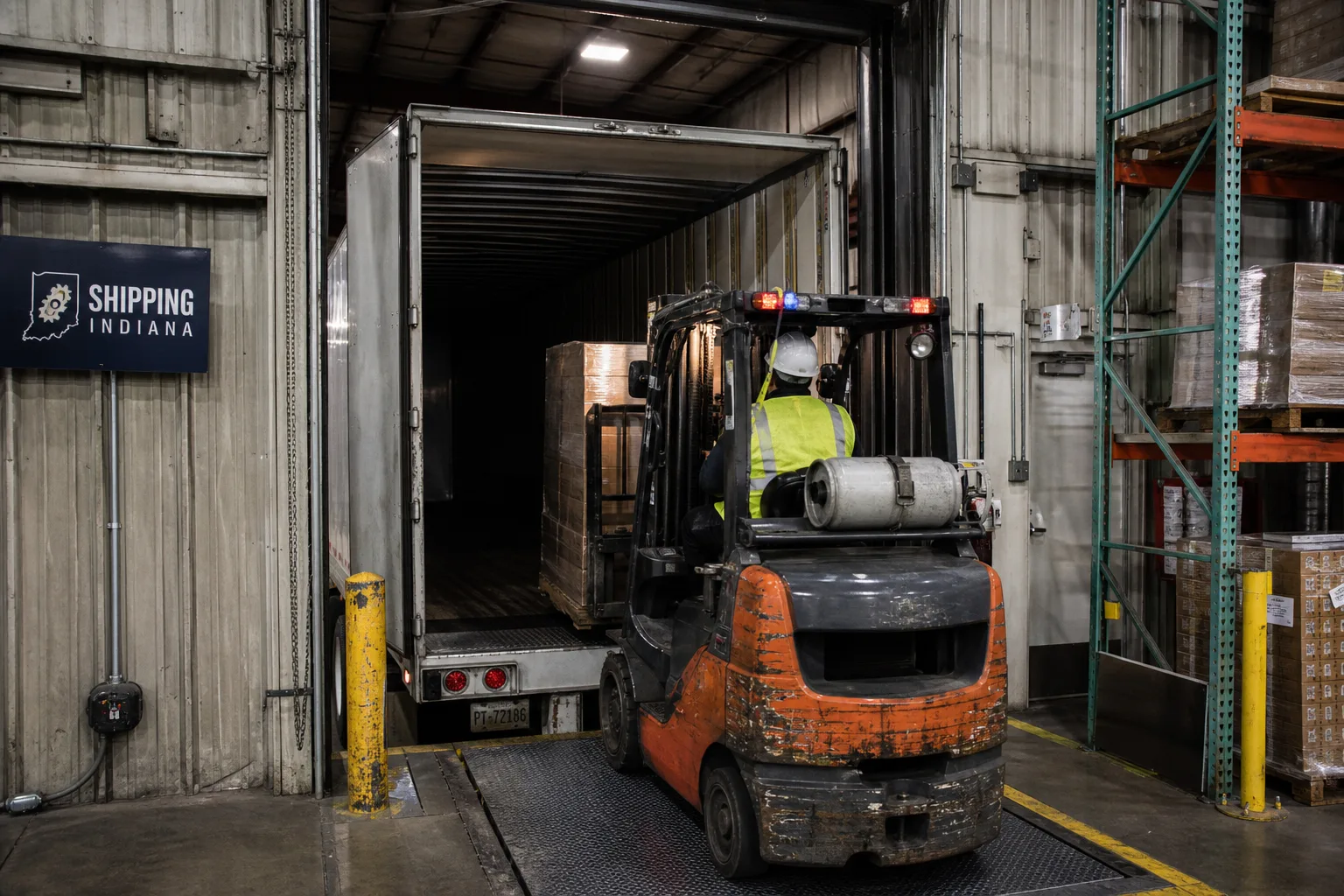
How freight is loaded and secured can cause or worsen a crash. If cargo is overloaded, poorly balanced, or inadequately secured, a truck can jackknife, roll over, or lose part of its load onto the roadway. Federal rules under 49 CFR 392.9[2] require that a commercial vehicle’s cargo be properly distributed and adequately secured before the truck is driven, and they place inspection duties on the driver. When a separate company controlled the loading process, it may share responsibility under fact-specific negligence principles. Section 392.9 primarily states driver inspection and securement duties and does not, by itself, make every shipper or warehouse liable.
These cases can involve the shipper, a third-party loading company, or a warehouse. Our article on improper cargo loading and lost-load truck accidents in Indiana explains what evidence—bills of lading, loading photos, weight tickets—helps establish who was in control of the freight.
Freight brokers and other companies in the chain
Modern freight moves through brokers who connect shippers with carriers. Claims that a freight broker negligently selected an unsafe carrier face a substantial threshold problem. The Seventh Circuit held in Ying Ye v. GlobalTranz Enterprises, Inc.[3] that the Federal Aviation Administration Authorization Act preempted that broker-selection claim and that the statute's motor-vehicle safety exception did not save it. Other theories—such as a true agency relationship or the broker's own conduct outside the preempted selection theory—require separate, fact-specific analysis. Delivery-network cases raise similar layered-liability questions; our guide to who is liable after an Amazon, FedEx, or UPS delivery truck accident in Indiana shows how contractor and parent-company relationships affect who pays.
Maintenance companies and manufacturers
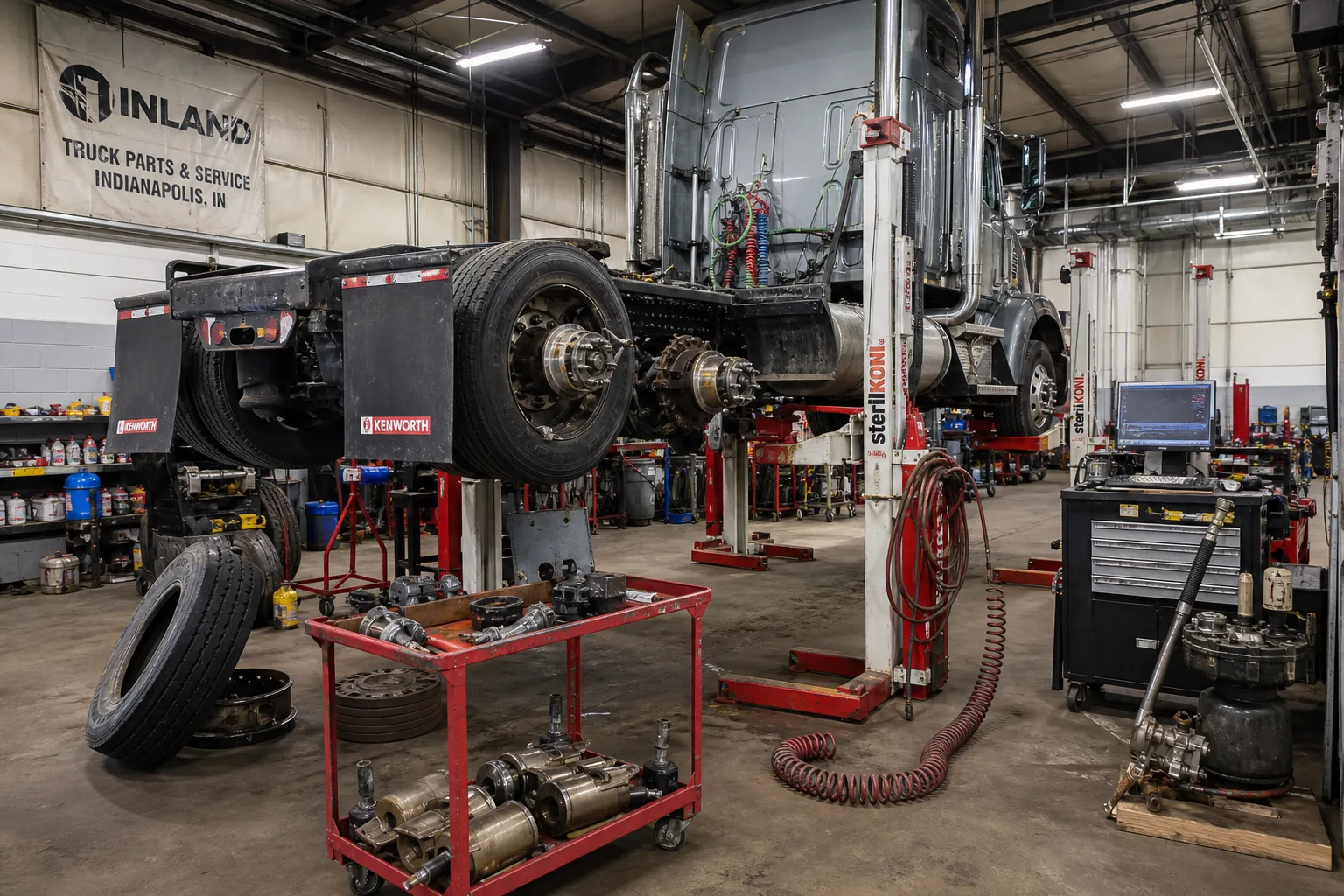
Trucks rely on outside shops for inspections and repairs. If a maintenance company performed a faulty brake job or missed a defect it should have caught, and that failure caused the crash, the shop can be a defendant. Separately, if a component such as a brake system, tire, or coupling was defective, a product liability claim may lie against the manufacturer.
Indiana’s Product Liability Act generally directs strict-liability claims to the manufacturer of the product or defective part, rather than an ordinary seller, unless the seller is also the manufacturer. These claims often require accident reconstruction and preserved physical evidence, so the truck and its parts should not be repaired or scrapped before they are examined.
When a government entity may be liable
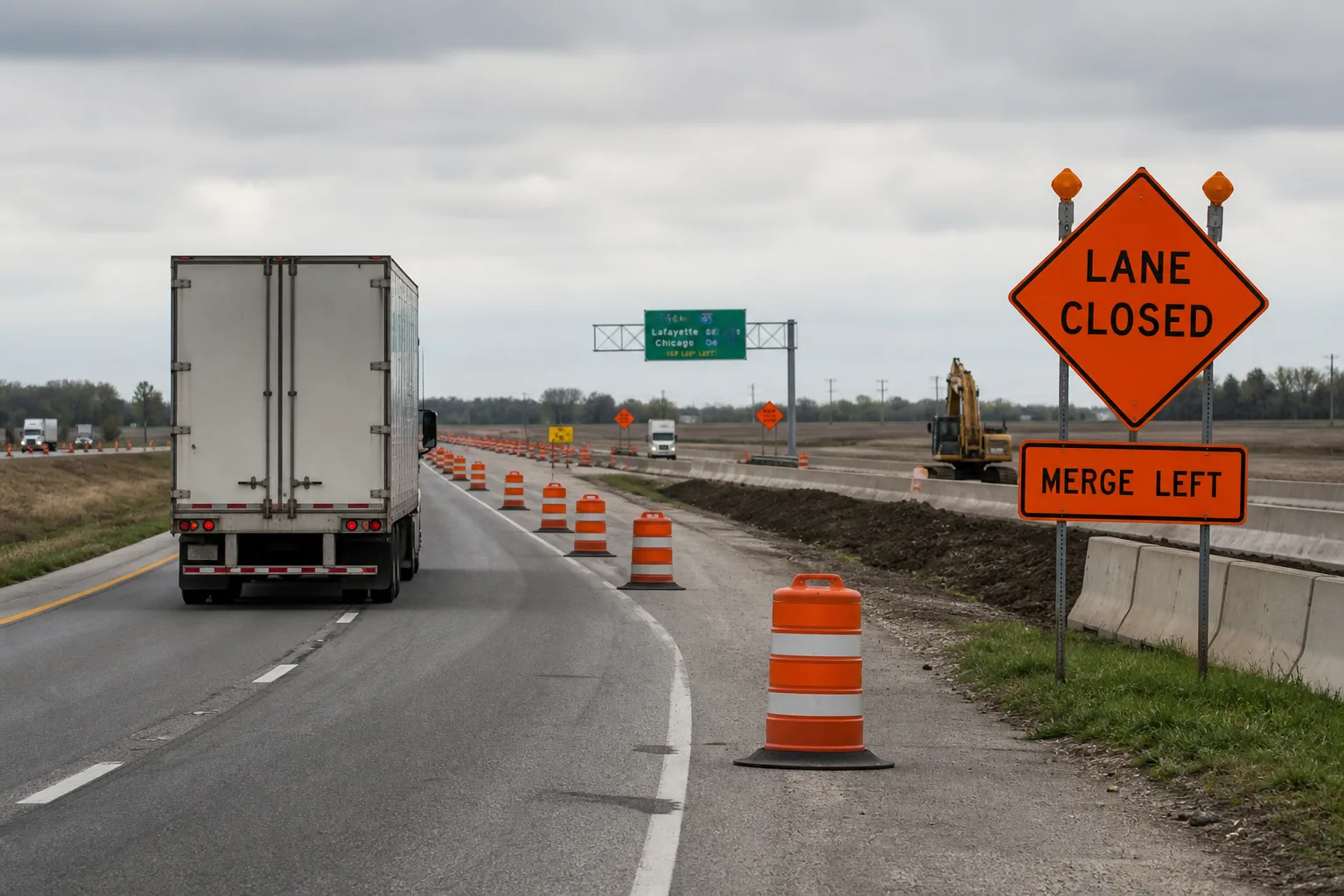
Sometimes a dangerous road, a missing or downed sign, or a poorly designed work zone contributes to a crash. A city, county, or the State of Indiana can be sued for negligence, but claims against the government follow special rules under the Indiana Tort Claims Act, and the deadlines are much shorter than an ordinary lawsuit.
For a claim against a political subdivision (such as a city or county), written notice generally must be filed within 180 days after the loss. For a claim against the State of Indiana, notice generally must be filed with the Attorney General or the state agency within 270 days. Missing these notice deadlines can bar an otherwise valid claim. Our guides on suing a city, county, or the state after an Indiana injury and the Indiana government tort claim notice explain who to serve and what the notice must contain.
How Indiana fault rules and deadlines fit in
Indiana follows a modified comparative fault system. Fault is divided among everyone who contributed to the harm, and an injured person’s recovery is reduced by their own percentage of fault. If a claimant is found more than 50% at fault, they are barred from recovering at all. Naming every responsible party matters here: spreading fault across the driver, the carrier, and a loader can affect whether you clear that 51% threshold and how the total is paid. Our explainer on Indiana’s 51% fault rule breaks this down.
Timing is just as important. In general, Indiana gives you two years from the date of injury to file a personal injury lawsuit under Indiana Code Title 34[4]. Government claims carry the shorter notice deadlines described above. Because evidence in truck cases—electronic logs, dashcam video, and the truck itself—can disappear quickly, it is wise to act well before any deadline.
What to do to protect a multi-defendant claim
- Get medical care and keep records. Your treatment records connect the crash to your injuries.
- Preserve evidence fast. Ask that the truck, its electronic control module, driver logs, and maintenance records be preserved before they are altered or destroyed.
- Photograph everything. The scene, vehicle positions, cargo, road conditions, and any work-zone signage.
- Identify the companies. Note the names on the truck and trailer, the DOT number, and any broker or shipper paperwork.
- Watch the deadlines. If a government entity may be involved, the 180-day or 270-day notice clock may already be running.
- Talk with an attorney early. Sorting out multiple defendants and insurance layers is difficult to do alone.
Frequently asked questions
Can I sue the trucking company instead of just the driver?
Often yes. Under Indiana’s respondeat superior doctrine, an employer can be responsible for a driver’s negligence committed within the scope of employment, and the company may also be directly liable for negligent hiring, training, or maintenance.
What if more than one company is at fault?
Indiana’s comparative fault system allows fault to be divided among several parties. Each party’s share is decided based on the evidence, and identifying all of them can affect how much you recover.
Can the company that loaded the cargo be responsible?
Yes, if improper loading or securement helped cause the crash. Federal rules require cargo to be properly distributed and adequately secured before a commercial vehicle is driven.
How long do I have to file a truck accident claim in Indiana?
Generally two years from the date of injury for a personal injury lawsuit. If a government entity is involved, a tort-claim notice is usually due within 180 days (political subdivision) or 270 days (State).
What if the truck part was defective?
A product liability claim may be available against the manufacturer of a defective component. Indiana’s Product Liability Act generally directs strict-liability claims to the manufacturer rather than an ordinary seller.
Talking with a Fort Wayne truck accident attorney
Truck cases may involve more than one responsible party or layer of insurance, but neither should be assumed without investigation. Finding every responsible company—and the coverage behind each—often makes the difference in a serious injury claim. If you were hurt in a crash involving a commercial truck in Fort Wayne, Allen County, or anywhere in Indiana, a Fort Wayne truck accident attorney can review what happened, explain the deadlines that may apply, and help you decide the next step. Delventhal Law Office offers a free consultation, and you do not have to sort out the insurance process alone.
This article is general information about Indiana law and is not legal advice. Reading it does not create an attorney-client relationship. Every case is different; for advice about your situation, speak with a licensed Indiana attorney.