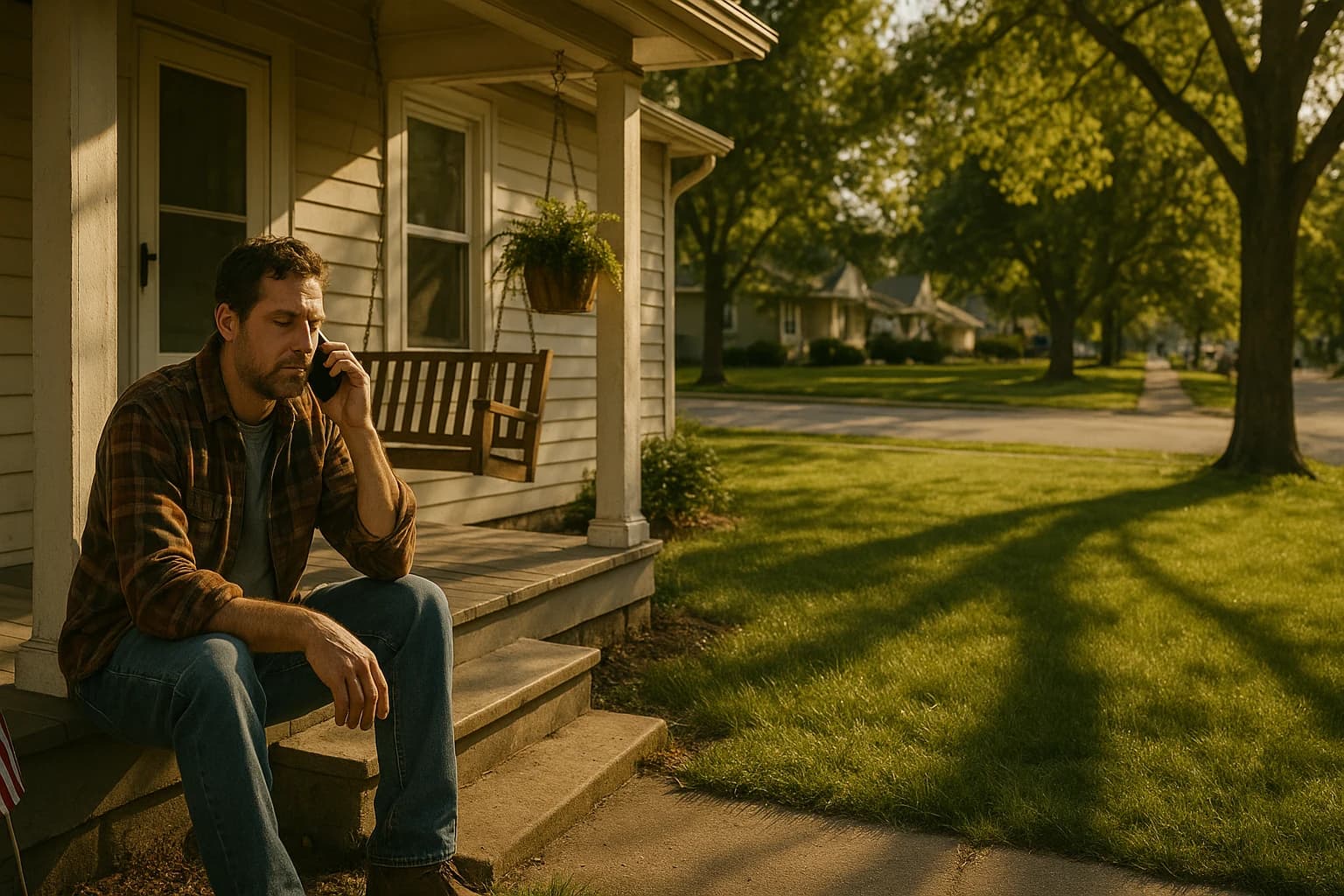
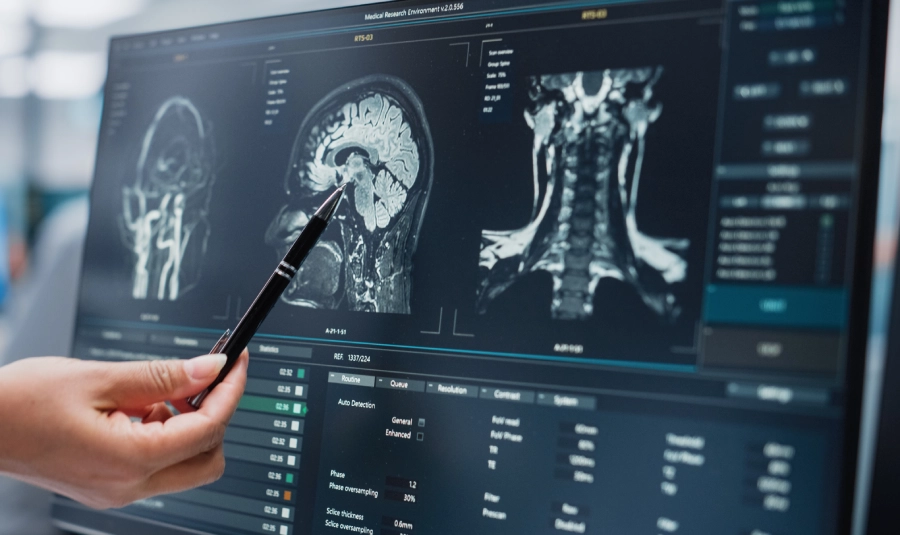
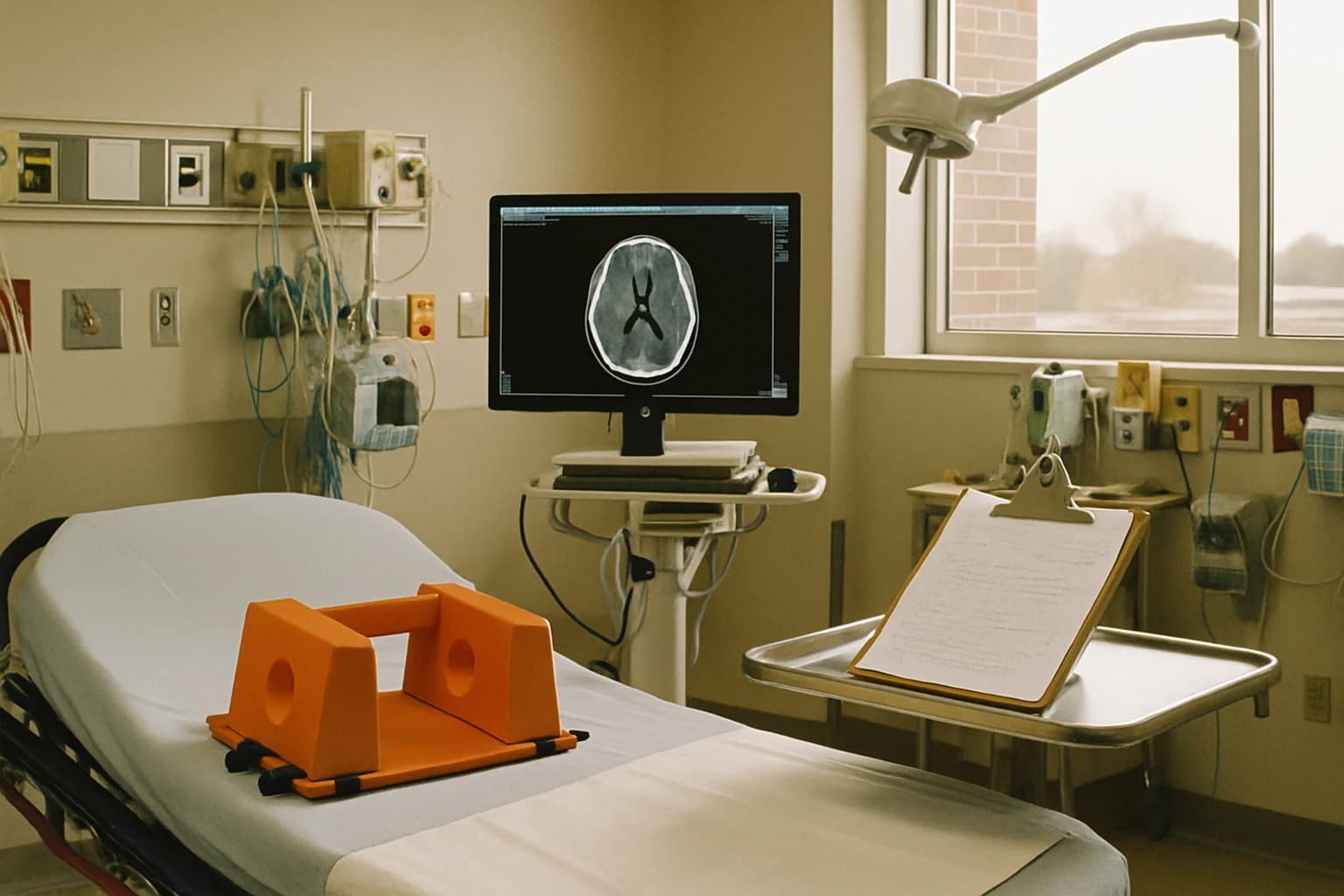

Short answer: Delventhal Law Office represents people and families across Indiana after concussions and other traumatic brain injuries caused by crashes, falls, unsafe property, and work incidents. If memory, mood, sleep, or concentration changed after an injury, tell your doctor even if the first scan was normal, and call (260) 484-6655 for a free case review.
Brain injury cases turn on proof that is easy to miss
A traumatic brain injury can change memory, concentration, mood, sleep, balance, speech, work, and family life, sometimes while the first scan looks normal. Delventhal Law Office is a Fort Wayne brain injury lawyer for people and families across Indiana after concussions and more serious traumatic brain injuries (TBIs) caused by crashes, falls, unsafe property, work incidents, and other preventable events. These claims should not be settled before the medical picture and its effect on daily life are understood.
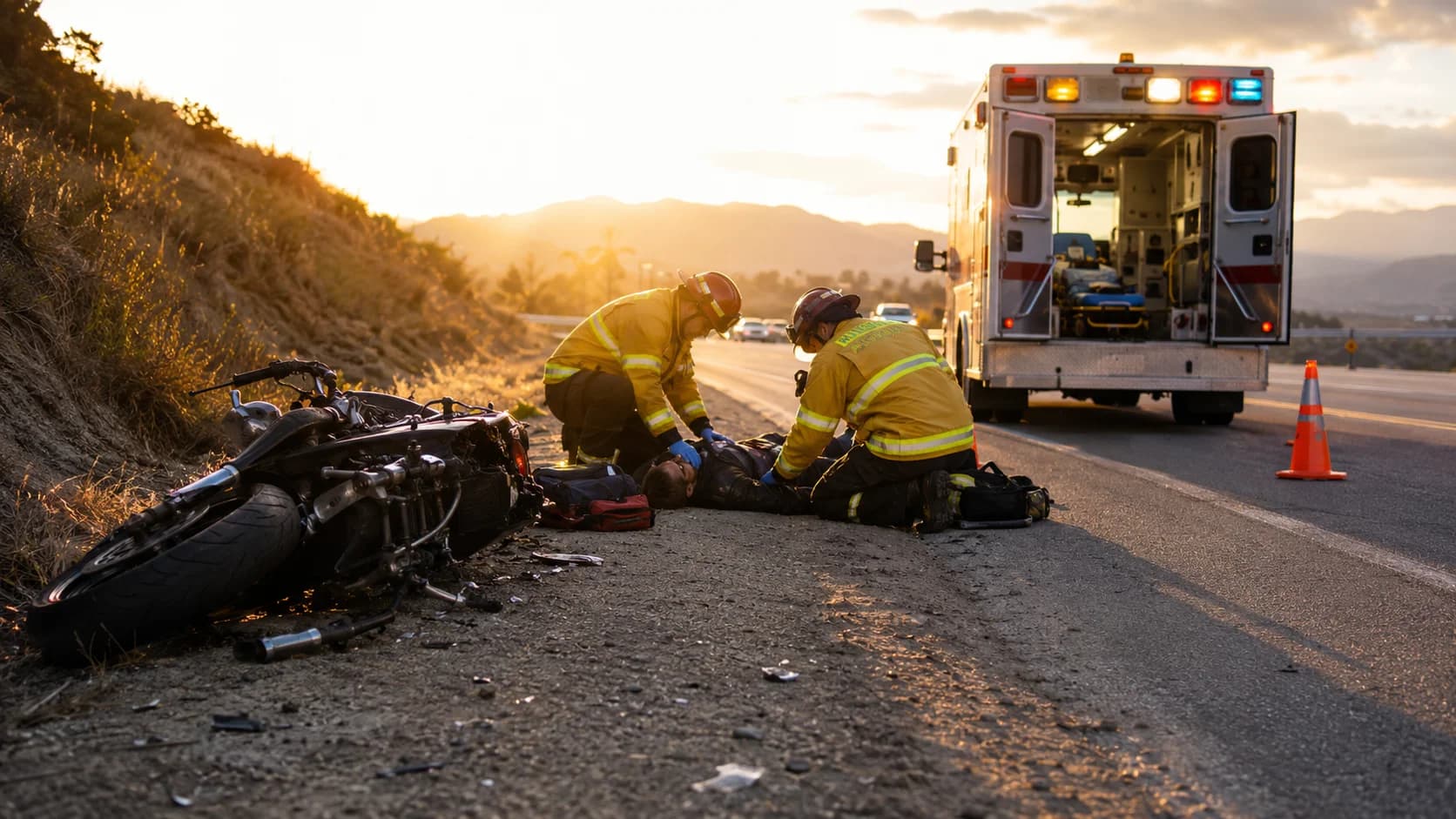
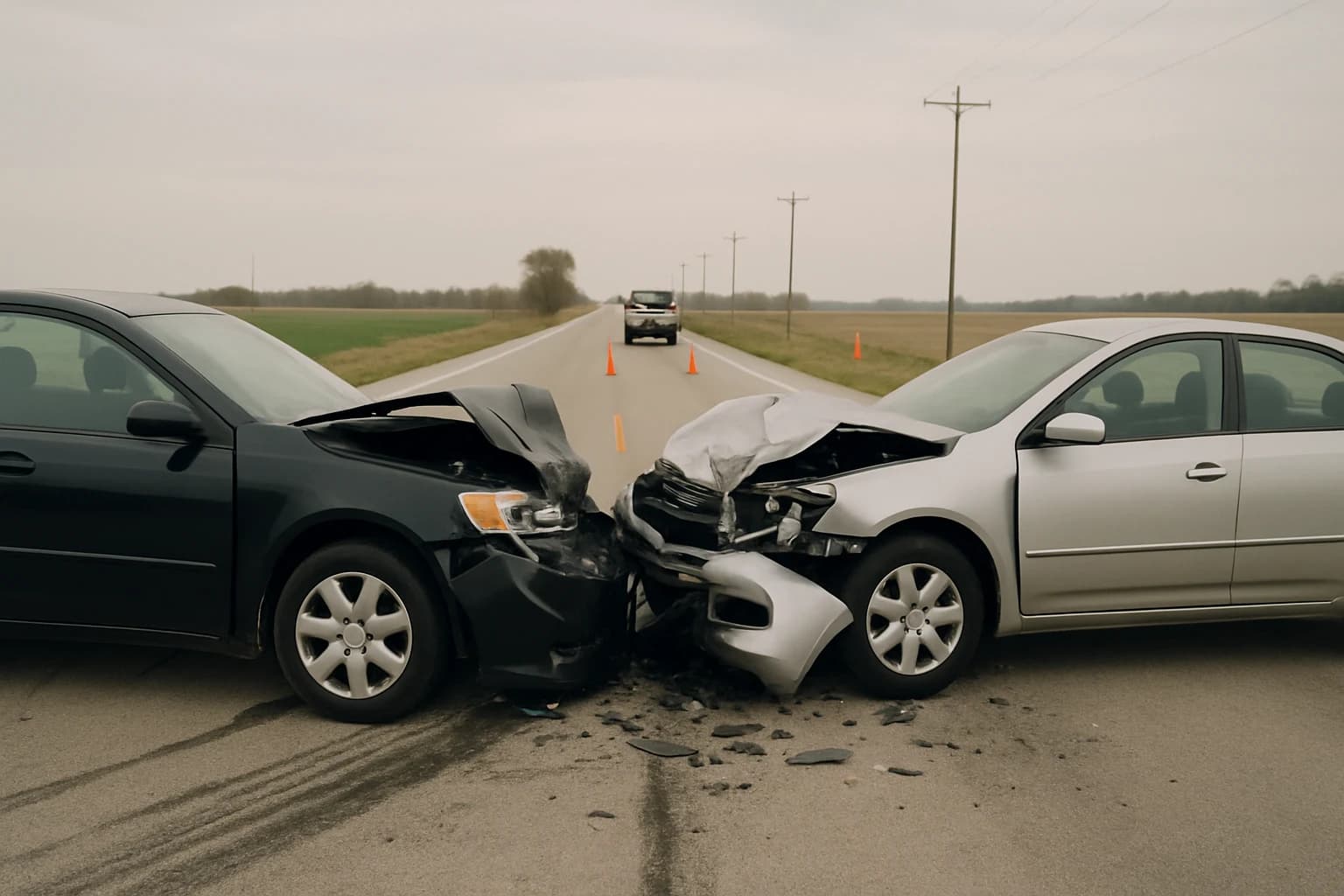
Brain trauma often overlaps with other serious claims: a catastrophic injury case, a spinal cord injury claim, a car crash, a truck accident, a motorcycle collision, a bicycle crash, a fall on unsafe property, or an Indiana workers’ compensation claim. For more detail, see our guides to concussion symptoms after a car accident, the types of head injuries crashes cause, and your legal rights after a brain injury from a car accident.
What counts as a traumatic brain injury?
A traumatic brain injury happens when a blow, jolt, or penetrating object disrupts how the brain works. It does not require a direct hit to the head: a sudden stop in a rear-end or T-bone crash can move the brain inside the skull. Common diagnoses include concussion (mild TBI), brain contusions (bruising), epidural and subdural hematomas (bleeding that presses on the brain), diffuse axonal injury (stretching and tearing of nerve fibers), and skull fractures. The CDC[2] and the National Institute of Neurological Disorders and Stroke[3] explain the medical background.
Doctors usually grade severity at the start with the Glasgow Coma Scale: 13 to 15 is classified as mild, 9 to 12 as moderate, and 8 or below as severe. A “mild” label describes the first exam, not the outcome. Many people with a mild TBI recover within weeks, but some live with headaches, fatigue, light and noise sensitivity, memory problems, and mood changes for months or longer.

Brain injury symptoms that matter to the claim
Symptoms can appear right away or surface days later, once the person goes back to work, school, or driving. The CDC’s list of concussion symptoms[4] groups them roughly the way a claim has to prove them:
- Physical: headaches, dizziness, nausea, blurred vision, ringing in the ears, sensitivity to light or noise, balance problems.
- Thinking and memory: trouble concentrating, slowed thinking, forgetting conversations or tasks, difficulty finding words.
- Emotional: irritability, anxiety, depression, mood swings, personality changes family members notice first.
- Sleep: sleeping much more or less than before, trouble falling asleep, constant fatigue.
Worsening headaches, repeated vomiting, slurred speech, weakness or numbness, unusual confusion, or a seizure after a head injury need emergency care. For the claim, the most important step is telling every provider about every symptom, so the record shows the full picture from the start.
Common causes of brain injuries in Fort Wayne
We see brain injuries from car, truck, and motorcycle crashes on I-69, US 24, US 30, Coliseum Boulevard, and Allen County roads; pedestrians and bicyclists struck by drivers; falls on unsafe stairs, wet floors, and poorly lit parking lots; objects falling at construction sites and warehouses; and forklift and machinery incidents at work. Each cause points to different evidence and different insurance: a driver’s auto policy, a business’s commercial liability coverage, an employer’s workers’ compensation carrier, or a product manufacturer.
| Proof issue | Why it matters | Evidence we look for |
|---|---|---|
| Diagnosis when the CT is normal | Insurers argue a normal scan means no injury | ER notes on loss of consciousness and amnesia, Glasgow Coma Scale scores, MRI, neurology records |
| Cognitive and behavioral change | Often the largest part of the loss and the hardest to see | Neuropsychological testing, symptom diary, family and coworker observations |
| Pre-injury baseline | Shows what changed and answers “prior condition” arguments | School, work, and medical records from before the injury |
| Work capacity | A brain injury can end a career even when the person looks fine | Job duties, performance reviews, wage history, vocational opinions |
| Future care | Insurers undervalue care that has not happened yet | Treating-provider recommendations, therapy plans, a life-care plan in serious cases |
How insurance carriers fight brain injury claims
Brain injury claims draw some of the most aggressive defense work in personal injury practice. The first move is minimizing a “mild” injury: the carrier points to a Glasgow Coma Scale score of 13 to 15 and a normal first CT to argue nothing real happened. Diffuse axonal injury and post-concussion cognitive problems often do not appear on an initial CT, a point documented in the NINDS clinical literature[3]. The second is a defense neuropsychological examination using effort testing to suggest exaggeration. The third is the pre-existing-condition argument, built on any history of headaches, ADHD, depression, or a prior concussion. The fourth is surveillance and social-media review designed to show normal function on good days. We build the file around early neuropsychological testing, treating-provider opinions, and a documented symptom diary.

Evidence we preserve early
TBI cases rise or fall on early documentation and the longitudinal symptom record, before defense experts can dispute how the person functioned before the injury.
- Emergency department records, including the initial Glasgow Coma Scale, CT findings, loss-of-consciousness duration, and post-traumatic amnesia
- Neuropsychological testing and the treating neurologist’s written diagnostic impression
- Pre-injury school, employment, and medical records that establish the cognitive and functional baseline
- A day-by-day symptom diary kept by the injured person and family: headaches, sleep, memory lapses, mood changes, and sensory sensitivity
- Statements from family, coworkers, and friends describing changes in personality, attention, and emotional control
- Scene evidence: photos, video, vehicle data, incident reports, and witness names, which can disappear long before the medical picture is clear
Damages in a brain injury case
In a serious brain injury case, the long-term economic loss, measured over the rest of the person’s life, often drives the value of the claim. Past and future medical care covers neurology, neuropsychology, cognitive rehabilitation, speech and occupational therapy, behavioral health treatment, and attendant care in severe cases. Lost earning capacity captures the gap between pre-injury and post-injury work across the remaining working life. Non-economic damages cover pain and suffering, loss of enjoyment of life, and a spouse’s loss of consortium.

How can you tell whether a brain-injury settlement offer is enough?
There is no formula, and no one can tell you what your case is worth from a single number. An early offer often arrives before anyone knows what the injury will cost over time. These questions show whether an offer reflects the whole loss or only the part that has already happened:
- Is the long-term picture known yet? Many people recover from a concussion within weeks, but some have symptoms for months or longer. Until treating doctors can say whether memory, concentration, mood, or headaches are likely to improve or last, an offer is a guess about the future. Settling before then risks leaving future losses unpaid.
- Does it account for future care and lost earning capacity? These are often the largest parts of a serious brain injury claim, as explained in damages in a brain injury case above. An offer built only on bills paid so far leaves them out.
- Is the cognitive change documented? If neuropsychological testing has not been done, or the results have not been compared with school, work, and medical records from before the injury, the offer may rest on an incomplete record.
- What has to be paid back out of it? A health insurer or benefit plan, Medicare, Medicaid, or a hospital may claim part of the recovery. Indiana’s hospital lien statute (IC 32-33-4[5]) can give a hospital a lien on an injury claim for its charges, and Medicare has its own recovery process[6]. What matters is what you keep after those claims, not the gross number. See our guide to medical liens and Indiana personal injury settlements.
- How much insurance and who else is responsible? What can actually be collected depends on the at-fault party’s policy limits, any underinsured motorist coverage of your own, and whether anyone else shares responsibility. An offer at the policy limits may be the most that one insurer will pay, but it may not be the only source of recovery.
- What does the release give up? Accepting a settlement usually means signing a release that ends your claims for this injury against the people released, even if symptoms later get worse or new treatment is needed. Read who is being released and what claims are included before you sign. Our article on whether to accept a first settlement offer covers this in more detail.
For medical background on recovery after a brain injury, the CDC[2] publishes information on TBI symptoms and recovery, and the Brain Injury Association of Indiana[7] offers support and resources for survivors and families.
Brain injuries at work
When a brain injury happens on the job, Indiana workers’ compensation is generally the only remedy against the employer (IC 22-3-2-6[8]): it pays medical care, part of lost wages, and permanent impairment benefits, but not pain and suffering. If someone other than the employer caused the injury, such as another driver, a subcontractor, a property owner, or an equipment manufacturer, the injured worker can also bring a negligence claim against that person while receiving workers’ compensation. The compensation carrier is generally repaid from that recovery (IC 22-3-2-13[9]). See our guide to workers’ comp and third-party claims in Indiana and our article on documenting a concussion at work.
What our brain injury clients ask most
Do I have a brain-injury case if the CT scan came back normal?
A normal initial CT is the typical presentation for mild traumatic brain injury and most diffuse axonal injury cases. The diagnosis is built on Glasgow Coma Scale documentation, loss-of-consciousness and amnesia history, neuropsychological testing, and the longitudinal symptom record. NINDS and CDC clinical guidance both recognize that a TBI with a normal CT is a legitimate, sometimes disabling diagnosis.
How is the value of a traumatic brain injury case calculated in Indiana?
Value reflects the severity of the injury, the cognitive and behavioral problems documented by neuropsychological testing, the impact on earning capacity, the cost of long-term care, and the age of the injured person. A documented severe TBI with permanent cognitive disability can support a substantial claim, but what can actually be recovered also depends on fault and on the insurance and assets available. Every case is different, and no past result predicts the outcome of yours.
What happens if I had a prior concussion or head injury before this one?
Indiana law allows recovery when an injury makes a pre-existing condition worse, which matters in TBI cases because a second brain injury can do more harm than the first. Records from before the injury become the baseline against which the worsening is measured by treating and expert witnesses.
Can I still recover if I was partly at fault?
Usually, yes. Under Indiana’s comparative fault law, your damages are reduced by your percentage of fault, and you recover nothing only if your fault is greater than the combined fault of everyone else who caused the injury (IC 34-51-2-5[10] and 34-51-2-6). Claims against a government entity follow stricter rules, because the comparative fault statute does not apply to them (IC 34-51-2-2[11]). Insurers often push fault onto the injured person to reduce a brain injury claim, so the scene evidence matters as much as the medical record.
Will I need expert witnesses for a brain-injury lawsuit?
Expert testimony is usually essential and can include a neurologist, a neuropsychologist, a life-care planner, a vocational expert, and an economist. Treating providers carry significant weight at trial when properly prepared. The defense will field its own experts, which is why the credibility of the treating record matters more than any single retained opinion.
How long do I have to file a brain-injury lawsuit in Indiana?
Two years from the date of injury under IC 34-11-2-4[12] in most cases. Claims involving minors are tolled under IC 34-11-6-1[13] until the child turns 18, with the two-year clock running from that point. Indiana Tort Claims Act notice deadlines as short as 180 days apply when a governmental defendant is involved.
What should family members do after a brain injury?
Write down what you notice: forgotten conversations, new irritability, sleep changes, trouble with tasks that used to be easy. Keep discharge papers, imaging reports, therapy notes, bills, insurance letters, and photos. Go to appointments when you can and tell providers what you see at home, because a person with a brain injury often does not recognize or report their own changes.

What happens after you hire us
Our first move is securing the emergency room and trauma-center records, sending preservation letters for scene and vehicle evidence, and making sure the medical evaluation includes neuropsychological testing when it is needed. We coordinate with treating providers across neurology, rehabilitation, and behavioral health, and we build the future-care picture before any settlement demand. If the insurer will not pay fair value, suit is filed in Allen County or wherever venue is proper. Representation is on a contingency-fee basis.
Talk to a Fort Wayne brain injury lawyer
Delventhal Law Office represents injured people and families in Fort Wayne, Allen County, and across Indiana. If a brain injury has changed your life or the life of someone you love, call (260) 484-6655 or request a free case evaluation. You pay nothing unless we win.
Sources
- Watch this brain injury claims video on YouTube (youtu.be) ↩
- CDC (cdc.gov) ↩
- National Institute of Neurological Disorders and Stroke (ninds.nih.gov) ↩
- CDC’s list of concussion symptoms (cdc.gov) ↩
- IC 32-33-4 (iga.in.gov) ↩
- recovery process (cms.gov) ↩
- Brain Injury Association of Indiana (biaindiana.org) ↩
- IC 22-3-2-6 (iga.in.gov) ↩
- IC 22-3-2-13 (iga.in.gov) ↩
- IC 34-51-2-5 (iga.in.gov) ↩
- IC 34-51-2-2 (iga.in.gov) ↩
- IC 34-11-2-4 (iga.in.gov) ↩
- IC 34-11-6-1 (iga.in.gov) ↩