Key takeaways
- The company logo on a delivery vehicle does not automatically identify the legally responsible party.
- Amazon, FedEx, UPS, and similar companies frequently deliver through contractors, delivery service partners, or franchise-style arrangements.
- Responsibility may extend to the driver, the driver's actual employer, the branded company, a fleet or leasing company, a cargo loader, or a maintenance vendor.
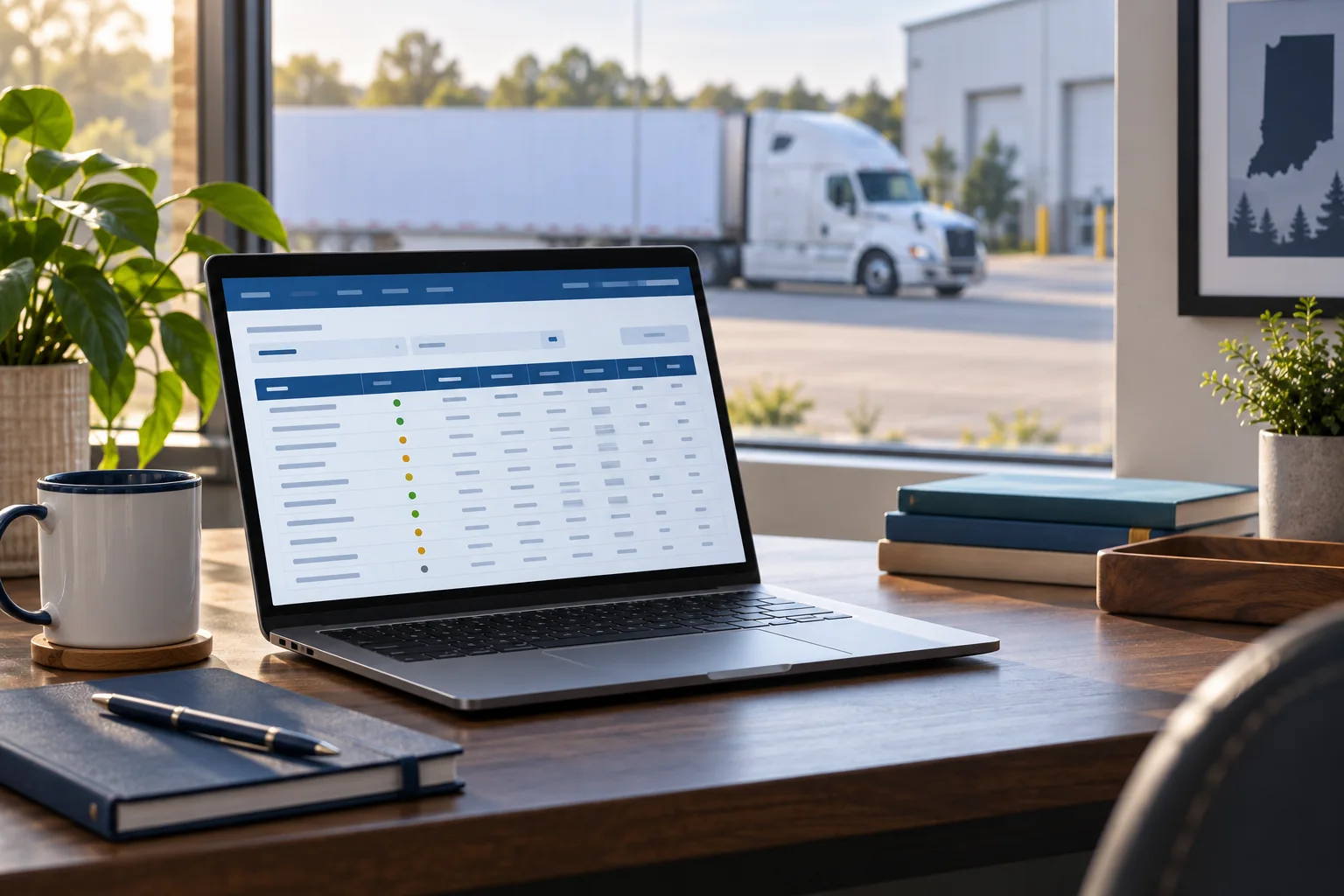
- Key evidence includes telematics, GPS, route and stop data, delivery scan records, dashcam footage, employment and contractor agreements, and vehicle maintenance records.
- Indiana's general personal injury deadline is often two years, but delivery-company electronic records should be preserved far sooner.
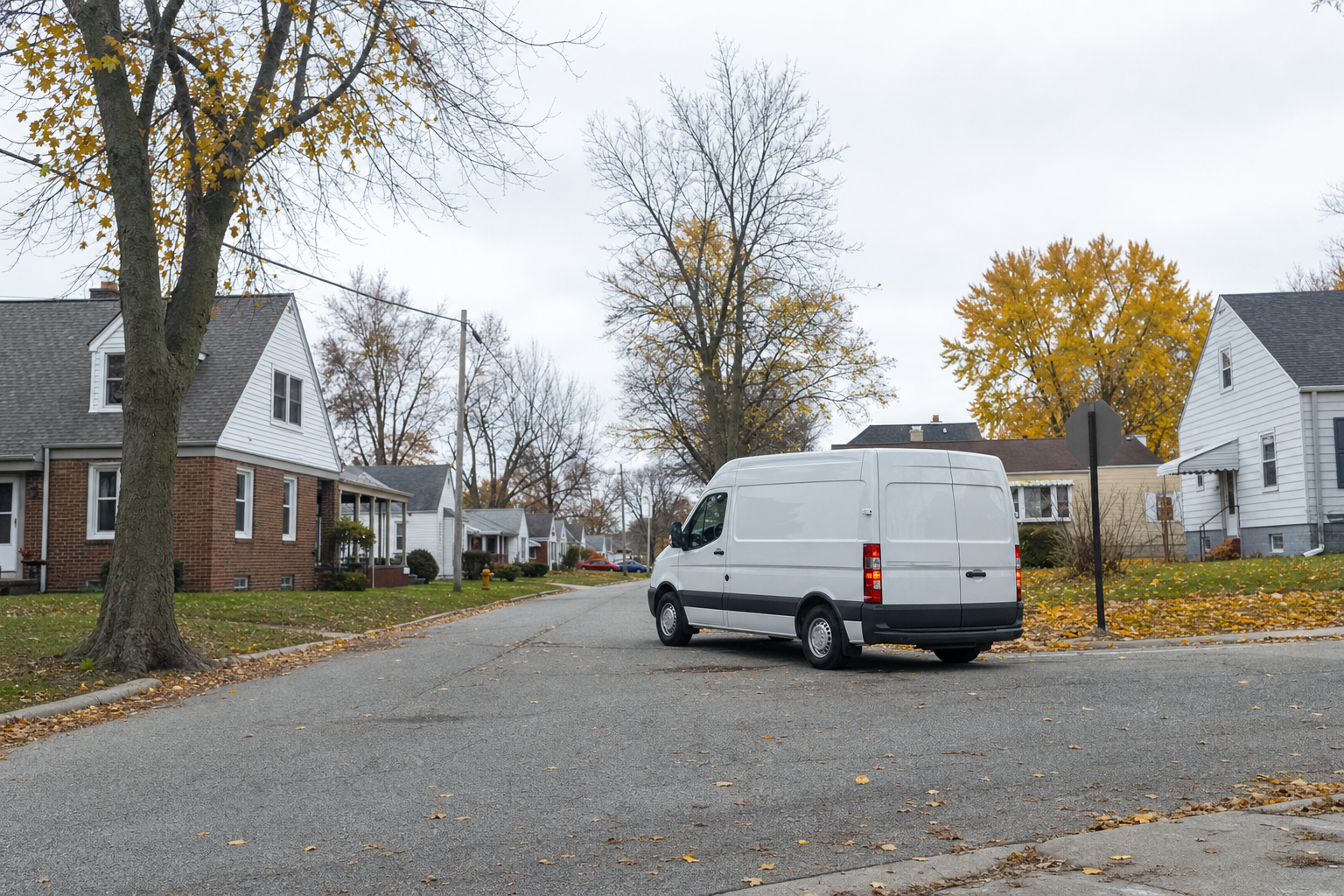
Package delivery has exploded across Fort Wayne and Allen County. On any given day, branded vans and box trucks from Amazon, FedEx, UPS, and regional carriers weave through neighborhoods off Lima Road, Dupont Road, and Illinois Road, stop-and-go along Coliseum Boulevard, and run tight schedules on residential streets that were never built for constant commercial traffic. When one of those trucks causes a crash, the injured person often assumes the answer is simple: the company on the truck is responsible.
It is rarely that simple. Modern delivery networks are built on layers of contractors and service partners. The van may say one thing while the driver works for another company entirely. Figuring out who is actually on the hook, and which insurance policies apply, is one of the most important early steps in a delivery truck injury claim.
Delventhal Law Office investigates serious vehicle crashes in Fort Wayne and throughout Indiana. If you were hurt by a delivery truck, visit our Fort Wayne truck accident attorney page or call (260) 484-6655 for a free consultation.
Why delivery truck claims are not simple car accident claims
A delivery truck crash sits somewhere between an ordinary car accident and a full commercial trucking case. The vehicle may be smaller than a semi, but the legal and insurance picture can be just as complicated, sometimes more so, because of how delivery work is structured.
In a typical two-car collision, you usually deal with one at-fault driver and one insurer. In a delivery truck crash, you may be dealing with a driver, the driver's actual employer, the branded national company, a fleet owner, and several different insurance policies that may or may not overlap. Each of those parties has an incentive to point at someone else.
Our related guide, Why Truck Accident Claims Are Different From Car Accident Claims, explains how commercial-vehicle cases involve more evidence and more potential defendants. Many of those same principles apply to delivery vehicles, even when the truck is a van rather than an eighteen-wheeler.
Who can be liable after a delivery truck crash
Depending on the facts, the investigation may look at several potentially responsible parties:
- The driver. The person operating the vehicle may be personally at fault for speeding, distraction, running a stop sign, backing carelessly, or other unsafe driving.
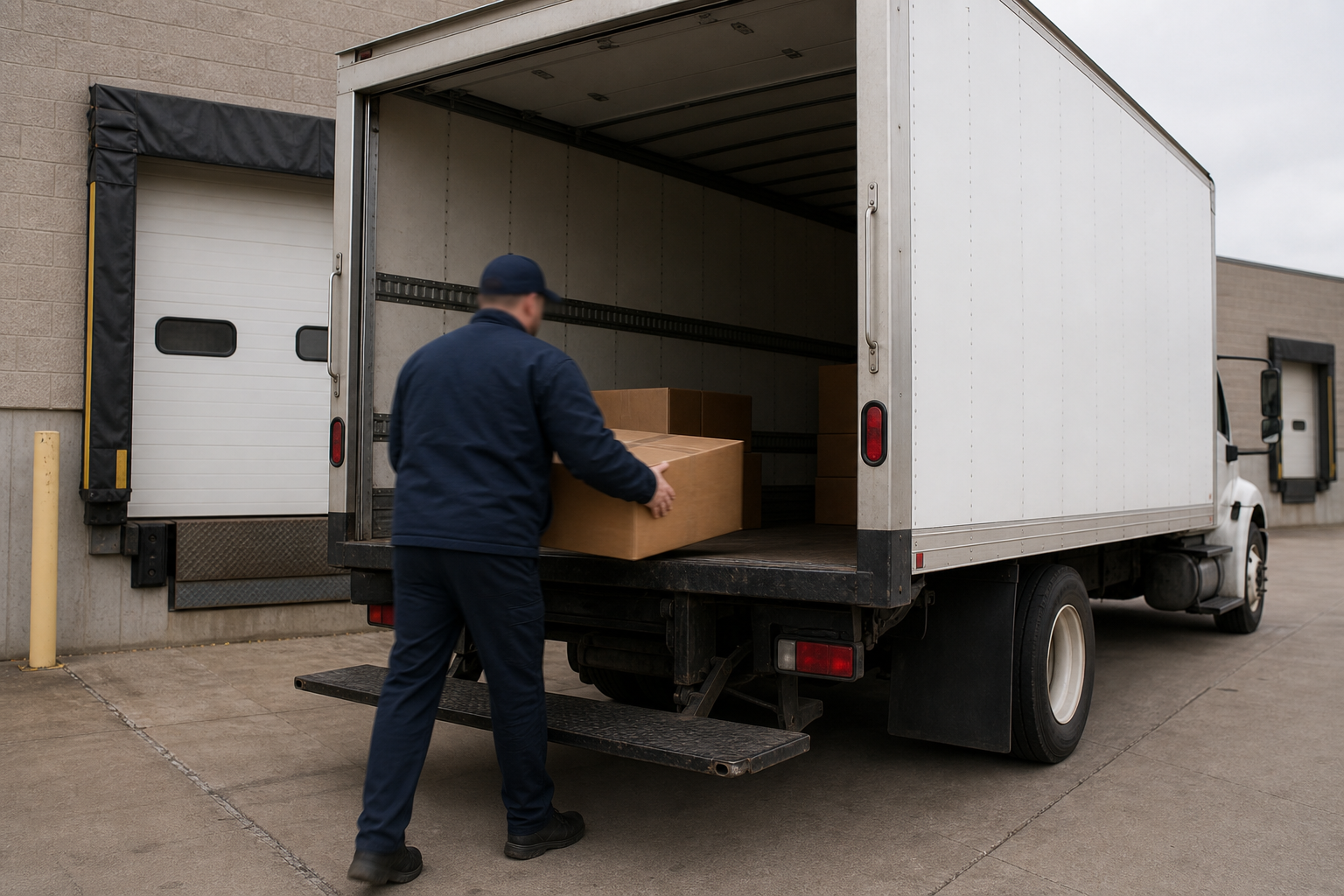
- The driver's actual employer. Many delivery drivers do not work directly for the national brand. They may work for a local delivery company, a contractor, or a service partner that recruited, trained, scheduled, and supervised them.
- The branded national company. Depending on the arrangement and level of control, the company whose name is on the vehicle may share responsibility.
- A fleet or leasing company. The vehicle itself may be owned or leased by a separate business responsible for maintenance and safe operating condition.
- A cargo loader or warehouse. Improper loading that affects braking, handling, or stability can create separate responsibility.
- A maintenance vendor. Negligent repairs or ignored defects, such as bad brakes or tires, may point to a service company.
An employer can also be responsible for its own conduct, such as negligent hiring, training, supervision, or scheduling that pressures drivers into unsafe behavior. Our article on negligent hiring and training in Indiana truck accident cases explains how company-level failures can expand responsibility.
Delivery company structures and who may be responsible
Different delivery networks are organized differently. The table below is a general, educational overview of how these arrangements often work. It is not legal advice about any specific company or crash, and the actual responsible parties always depend on the facts, the contracts, and the evidence in a particular case.
| Typical arrangement | Who often employs the driver | Parties that may share responsibility | Records that may matter |
|---|---|---|---|
| Independent delivery service partner or contractor operating branded vans | The local service partner or contractor | Driver, service partner, branded company (depending on control), fleet owner | Contractor agreement, employment records, telematics, delivery scans |
| Employee driver operating a company-owned vehicle | The company itself | Driver, employing company, maintenance vendor | Employment records, route data, maintenance logs |
| Franchise or route-owner model | The franchisee or route owner | Driver, route owner, branded company (depending on control) | Franchise or route agreement, insurance policies, scheduling records |
| Gig or app-based courier driving a personal vehicle | Often classified as independent contractor | Driver, the app or platform (depending on facts and coverage), personal insurer | App trip records, delivery status, insurance tier at time of crash |
Notice how the same brand on the outside of a vehicle can hide very different structures underneath. That is exactly why an early investigation matters. The goal is to identify every party that may be responsible and every insurance policy that may apply, rather than assuming the answer from the logo.
Employer, contractor, and delivery service partner questions
A central issue in many delivery cases is whether the driver was an employee of the branded company, an employee of a contractor, or an independent contractor. That distinction matters because it can affect which company is responsible for the driver's conduct and which insurance applies.
Under long-standing Indiana law, an employer can generally be held responsible for the negligent acts of an employee committed within the scope of employment, a principle often called respondeat superior. Indiana courts have explained that this doctrine imposes liability on an employer for the wrongful acts of an employee acting within the scope of employment.[1] Whether a worker is an employee or an independent contractor, and whether a company retained enough control to be responsible, are fact-specific questions.
Because these arrangements are designed by large companies and their lawyers, they can be difficult to untangle without the underlying agreements and records. That is why it is rarely wise to accept a company's early claim that the driver was just an independent contractor and that the brand has no responsibility. Our overview of who is legally responsible in an Indiana truck accident discusses how multiple parties can be pulled into a commercial-vehicle claim.
Evidence that disappears quickly
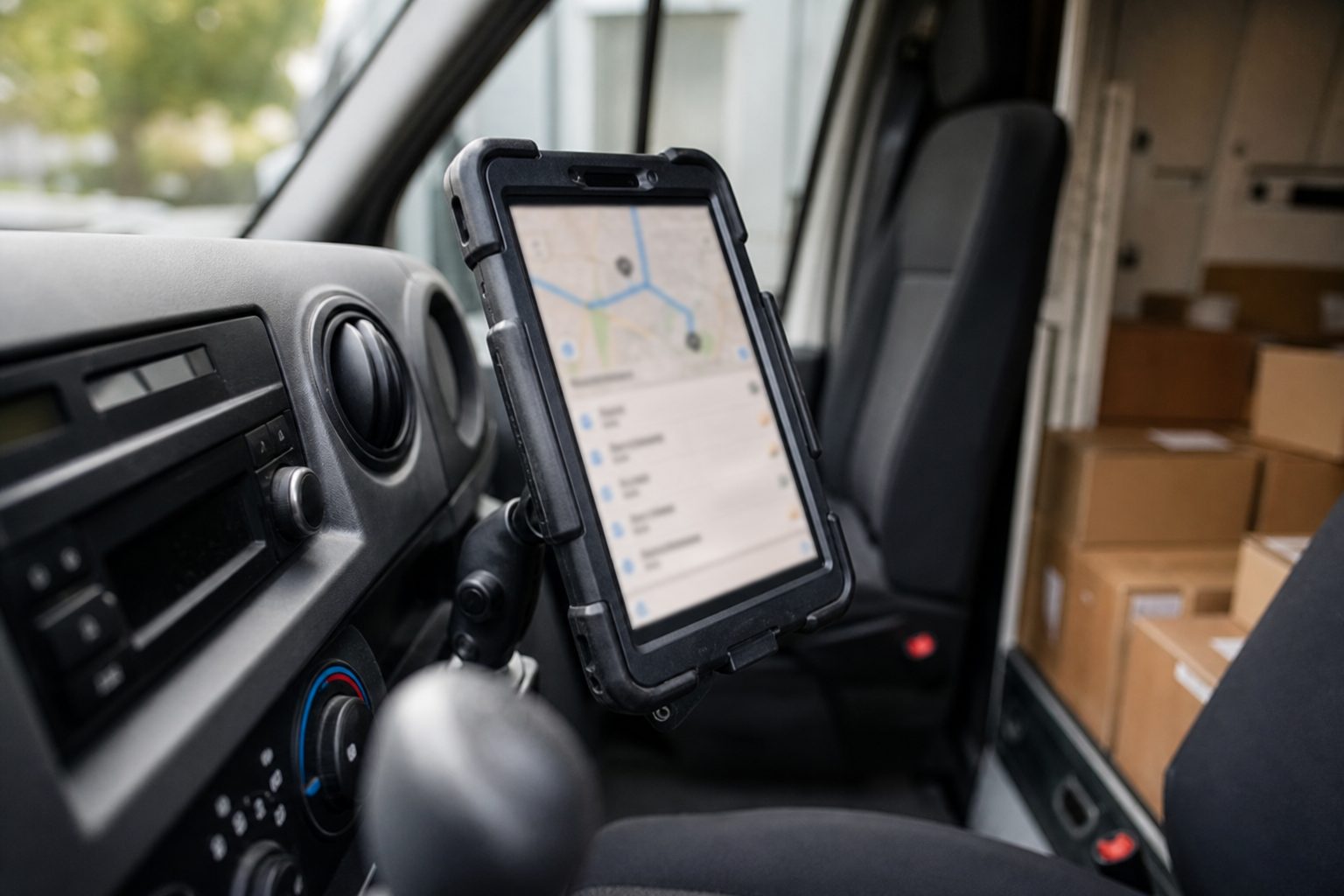
Delivery companies generate large amounts of electronic data, but that data is controlled by the company and can be lost, overwritten, or recycled on short cycles. A preservation demand should be sent quickly after a serious crash so key records are protected before they disappear.
Depending on the facts, important evidence may include:
- Telematics, GPS, and route or stop data showing speed, location, and timing.
- Delivery scan and package-completion records tied to the schedule.
- Dashcam or onboard camera footage.
- Driver employment, contractor, and service-partner agreements.
- Driver hiring, training, discipline, and prior incident records.
- Vehicle ownership, lease, inspection, and maintenance records.
- Scheduling and dispatch data that may show unrealistic delivery pressure.
- The police crash report, witness statements, and nearby camera footage.
Camera footage from homes, businesses, and doorbells along the route can also be valuable, but it may be recorded over within days. Our guide on whether dashcam footage can help prove an Indiana car accident claim explains why preserving video quickly can be decisive.
Compensation and how claim value is evaluated
The compensation available after a delivery truck crash depends on the injuries, the treatment, the long-term effects, the fault picture, and the insurance coverage. There is no fixed formula, and no honest lawyer can promise a number before reviewing the medical records and available coverage. You can use our Indiana car accident settlement calculator to organize the factors that may affect a claim’s value; it is an educational tool, not a promise of any result.
Depending on the case, recoverable damages may include medical bills, future medical care, lost wages, reduced earning ability, pain and suffering, and property damage. If you want a plain-language walk-through of how these pieces fit together, see how much your Indiana car accident settlement is worth. Every serious injury claim is different, but understanding the categories of damages can help you avoid accepting an early offer that leaves future needs uncovered.
Delivery cases can also involve comparative fault arguments. Indiana uses a modified comparative fault system, and an insurer may try to shift blame to the injured person to reduce what it pays. Our article on Indiana's 51 percent fault rule explains how fault percentages can affect a claim.
What to do after a delivery truck crash
- Get medical care and follow the recommended treatment. Some injuries appear or worsen in the days after a crash.
- Call the police so there is an official crash report.
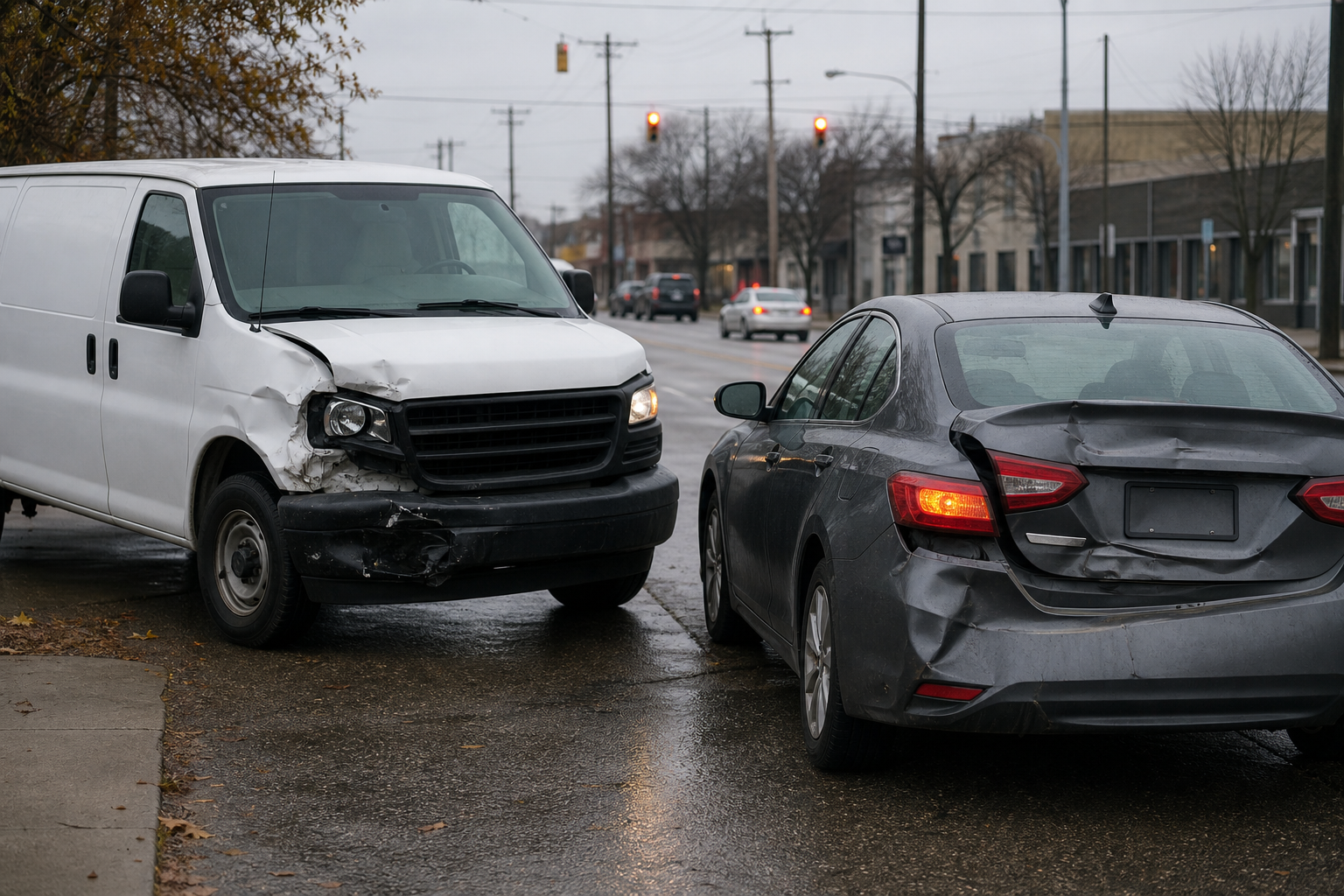
- Photograph the vehicles, company markings, license plate, any van or truck number, the roadway, and your injuries if it is safe to do so.
- Write down the driver's name and any company name shown on the vehicle, uniform, or paperwork.
- Get names and contact information for witnesses, and note nearby cameras.
- Do not give a recorded statement to the delivery company's insurer before speaking with an attorney.
- Keep medical bills, wage records, and all communications from any insurer.
- Contact a lawyer promptly so preservation letters can be sent before route data, telematics, and video disappear.

How long you have to act
Indiana's general personal injury statute of limitations is often two years under Indiana Code § 34-11-2-4[1].[2] That is the outer legal deadline for many injury claims, but the practical deadline to preserve delivery-company evidence is much shorter.
If a government vehicle or public entity is somehow involved, shorter notice deadlines can apply. In Indiana, tort claims against political subdivisions generally require written notice within 180 days, and claims against the state generally require notice within 270 days, under the Indiana Tort Claims Act.[3] If any government entity might be involved, do not wait. Our guide on the government tort claim notice in Indiana explains why these shorter deadlines can quietly end a claim.
Talk to a Fort Wayne delivery truck accident lawyer
If a delivery truck hit you or someone you love, the company already knows how its own network is structured. You should not have to guess who is responsible or which insurance applies. An early investigation can identify the driver's real employer, the responsible companies, and the coverage that should be on the table.
Delventhal Law Office helps injured people in Fort Wayne and throughout Indiana. Call (260) 484-6655 or contact us online to schedule a free case evaluation. There is no fee unless we recover for you.
Delivery truck crashes are one kind of Indiana personal injury case. Our Fort Wayne personal injury attorney page explains Indiana's filing deadlines, the comparative fault rule, and the damages Indiana law allows.
Frequently asked questions
Is the company on the delivery truck always responsible for the crash?
No. The brand on the vehicle does not automatically identify the responsible party. Many delivery drivers work for contractors or service partners, and responsibility depends on the arrangement, the level of control, and the facts of the crash.
Can I sue the driver and the delivery company?
Depending on the facts, more than one party may be responsible, including the driver, the driver's employer, the branded company, a fleet owner, or a maintenance vendor. Identifying every responsible party and every applicable policy is part of the investigation.
What if the delivery driver was an independent contractor?
Companies often argue that a driver was an independent contractor to limit responsibility. Whether that claim holds up depends on the agreements and the level of control, which is a fact-specific issue. Do not assume the company's early characterization is correct.
What evidence matters most after a delivery truck crash?
Telematics, GPS and route data, delivery scan records, dashcam footage, employment and contractor agreements, maintenance records, the police report, and nearby camera footage can all matter. Much of it is controlled by the company and can be lost quickly.
How long do I have to file a claim after a delivery truck accident in Indiana?
Indiana's general personal injury deadline is often two years, but evidence should be preserved much sooner. If a government entity is involved, shorter tort-claim notice deadlines can apply.
Sources and further reading
[1] Indiana courts on respondeat superior and employer liability for employee conduct within the scope of employment: Barnett v. Clark and related Indiana authority (general doctrine)[2]
[2] Indiana General Assembly: Indiana Code § 34-11-2-4, injury to person or character[1]
[3] Indiana General Assembly: Indiana Tort Claims Act notice provisions, Indiana Code § 34-13-3-8 and § 34-13-3-6[3]