


Catastrophic injury cases are different from ordinary injury claims
A catastrophic injury changes the way a person works, moves, communicates, cares for family, and plans for the future. Delventhal Law Office handles severe Indiana injury claims involving traumatic brain injuries, spinal cord trauma, amputations, complex fractures, severe burns, permanent disability, and life-changing pain. These are not cases to rush into a quick settlement before doctors understand the full prognosis.
Our job is to build the liability proof, the medical proof, and the damages proof together. A serious crash may also overlap with a traumatic brain injury claim, a wrongful death claim, a commercial truck accident, a car accident, or a motorcycle crash. We identify every claim path before an insurance company can frame the case too narrowly.

What counts as a catastrophic injury?
There is no single Indiana statute that labels every “catastrophic injury.” In practice, we use the term for injuries that create permanent impairment, long-term medical needs, major work restrictions, major scarring or disfigurement, loss of independence, or a credible risk of future complications. The medical literature from the National Institute of Neurological Disorders and Stroke[1] and NINDS spinal cord injury resources[2] is often part of understanding how these injuries affect daily life.
| Issue | Why it matters in settlement | Evidence we look for |
|---|---|---|
| Permanent medical impairment | Changes the lifetime value of the claim | Specialist notes, impairment ratings, imaging, surgical records |
| Future care needs | Insurers often ignore care that has not happened yet | Life-care planning, therapy recommendations, medication history |
| Lost earning capacity | A serious injury may change the kind of work a person can do | Wage history, job duties, restrictions, vocational opinions |
| Family and home impact | Daily limitations are part of the real harm | Home modifications, caregiver time, symptom journals, photos |
Common causes of catastrophic injuries in Fort Wayne
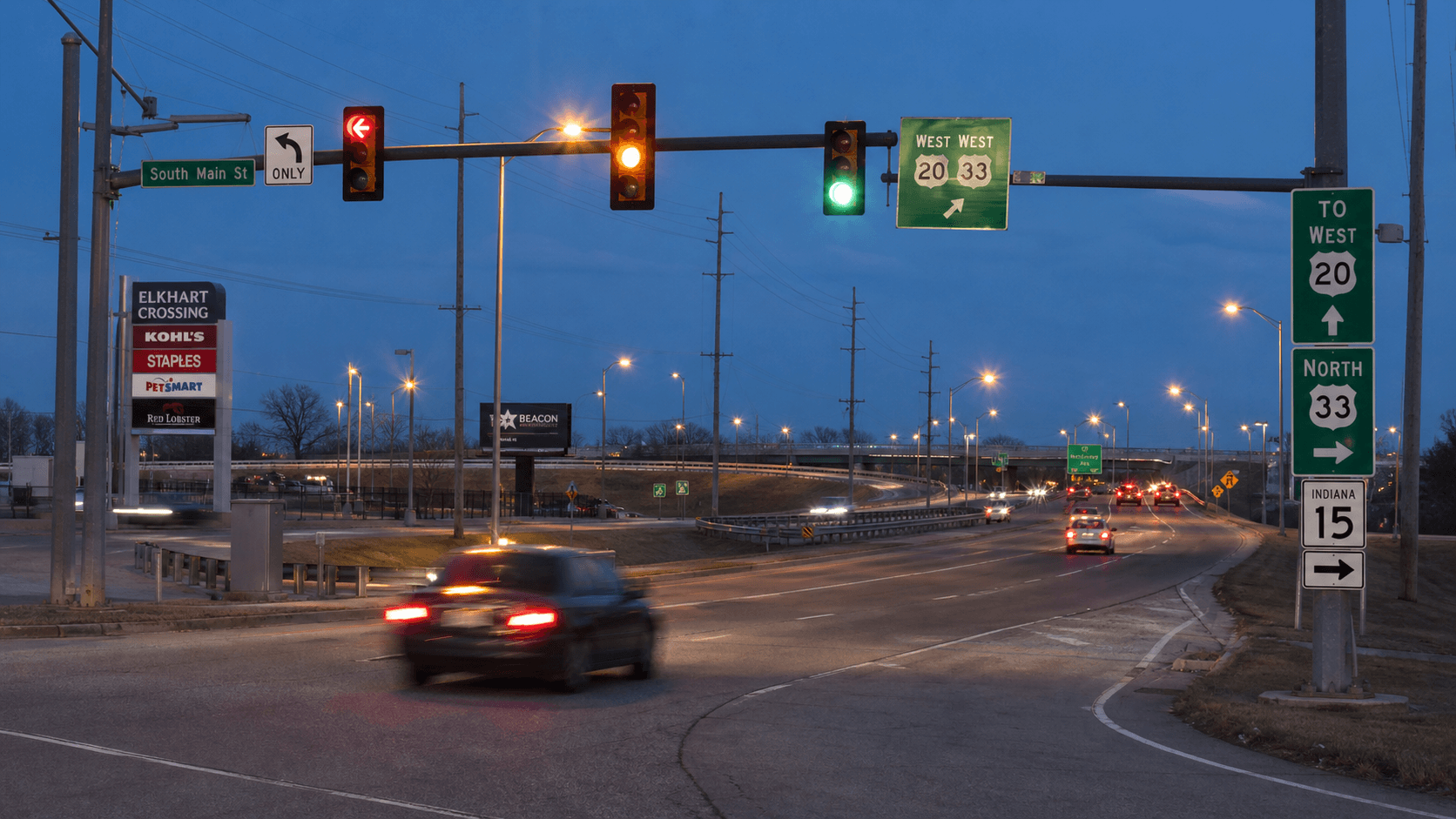
We see severe injuries from high-speed collisions on I-69, US-30, US-24, Coliseum Boulevard, Lima Road, and rural Allen County roads. Some cases involve head-on crashes, rollovers, underride truck collisions, pedestrian impacts, falls, defective products, fires, workplace incidents, and unsafe property conditions. The cause matters because it controls who may owe money and what evidence must be preserved immediately.
When a public vehicle, unsafe road design, or government property is involved, Indiana Tort Claims Act notice rules can shorten the practical deadline. The Indiana Code gives many political-subdivision claims a 180-day notice requirement[3], which is why early review matters.
How we prove catastrophic injury damages
Insurance companies often focus on the emergency-room bill and the first round of treatment. Catastrophic injury cases require more. We collect hospital records, imaging, surgical reports, therapy notes, wage records, prior health history, family observations, photos, videos, and provider opinions. When needed, we work with medical, vocational, economic, and life-care planning evidence to explain the full loss.
Indiana’s basic personal-injury deadline is generally two years under Indiana Code § 34-11-2-4[4], and Indiana’s modified comparative fault rule can bar recovery if the injured person is more than 50% at fault under Indiana Code § 34-51-2-6[5]. Those rules make evidence preservation and fault investigation just as important as medical documentation.

Insurance tactics in high-value injury cases
The more serious the injury, the harder the carrier usually fights. Adjusters may argue that symptoms came from a pre-existing condition, that the crash was not severe enough, that treatment was excessive, that future care is speculative, or that the injured person could return to work sooner. We answer those arguments with medical timelines, treating-provider records, witness proof, and a damages presentation tied to the actual recovery.
Coverage also matters. A catastrophic injury can exceed a single driver’s liability limits. We investigate commercial coverage, umbrella policies, household policies, uninsured and underinsured motorist coverage, employer liability, product-defect claims, dram-shop issues, and every defendant who may share responsibility.
What compensation can cover
A serious injury claim may include emergency care, hospitalization, surgery, rehabilitation, medication, durable medical equipment, future treatment, lost wages, reduced earning capacity, home modifications, pain, emotional distress, scarring, loss of independence, and the effect on family life. If the injury becomes fatal, the case may shift into Indiana wrongful death damages and estate issues.
If you are trying to understand whether a settlement offer accounts for the full future picture, start with a free case evaluation. We would rather slow the process down than let a carrier close a permanent-injury case before the consequences are known.
Frequently Asked Questions
How long do I have to file a catastrophic injury claim in Indiana?
Most Indiana personal injury lawsuits must be filed within two years under IC 34-11-2-4[6], but some catastrophic injury cases have shorter notice issues. If a city, county, state agency, public hospital, school, or government vehicle may be involved, Indiana Tort Claims Act notice deadlines can run much earlier. Insurance policies may also contain contractual notice or cooperation requirements. The safest approach is to treat the deadline as urgent and have counsel identify every possible defendant and notice requirement immediately.
How soon should I call a lawyer after a catastrophic injury?
As soon as the immediate medical emergency is stable. Video, vehicle data, 911 audio, witness memories, scene conditions, inspection opportunities, product evidence, and insurance coverage information can disappear quickly. Early legal work does not mean rushing settlement; it means preserving the proof needed later while doctors continue treating the injury and defining the long-term prognosis.
What if doctors still do not know the final prognosis?
That is common in catastrophic injury cases. Brain injuries, spinal injuries, burns, amputations, orthopedic trauma, and complex pain conditions often take months to stabilize. We usually do not want to evaluate final settlement value until the medical record gives a reliable picture of future treatment, restrictions, complications, life-care needs, and work capacity. The legal strategy should protect the claim while the medical picture develops.
Can a catastrophic injury case involve more than one defendant?
Yes. A severe injury case may involve a negligent driver, trucking company, employer, property owner, product manufacturer, government entity, alcohol provider, or multiple insurance policies. Identifying every responsible party is one of the first tasks because catastrophic damages can exceed a single policy. We look for commercial coverage, umbrella coverage, uninsured or underinsured motorist coverage, product-liability angles, and any other recovery source supported by the facts.
How much is a catastrophic injury case worth?
There is no honest shortcut number. The value depends on liability proof, permanent impairment, future medical care, life expectancy, lost earning capacity, pain, loss of independence, family impact, available insurance, and lien resolution. A catastrophic injury lawyer has to build the damages evidence before negotiating, which may require treating physicians, specialists, vocational analysis, economists, and life-care planning. A fast offer usually reflects the carrier's risk management, not the full lifetime cost of the injury.
Should I accept an early settlement offer after a catastrophic injury?
Usually not without a careful legal and medical review. Early offers often arrive before future surgeries, complications, home modifications, wage loss, and permanent restrictions are fully documented. Once a release is signed, the claim is generally over even if the injury worsens. Before accepting money, make sure the settlement accounts for future medical care, lost earning capacity, liens, Medicare or Medicaid issues, and every available insurance layer.
What should family members do while the injured person is hospitalized?
Focus first on medical care, but preserve the case where you can. Keep discharge papers, imaging reports, bills, photographs, witness names, insurance letters, employer communications, and any police or incident report information. Do not give recorded statements to an opposing insurer without advice. If the injury came from a crash, fall, defective product, workplace incident, or violent event, evidence can vanish quickly, so a family member may need to contact counsel while the injured person is still recovering.
Talk to a Fort Wayne catastrophic injury lawyer
Delventhal Law Office represents injured people and families in Fort Wayne, Allen County, and across Indiana. If a serious injury has changed your life, call (260) 484-6655 or request a free case evaluation. You pay nothing unless we win.
Sources
- National Institute of Neurological Disorders and Stroke (ninds.nih.gov) ↩
- NINDS spinal cord injury resources (ninds.nih.gov) ↩
- Indiana Code gives many political-subdivision claims a 180-day notice requirement (iga.in.gov) ↩
- Indiana Code § 34-11-2-4 (iga.in.gov) ↩
- Indiana Code § 34-51-2-6 (iga.in.gov) ↩
- IC 34-11-2-4 (iga.in.gov) ↩