
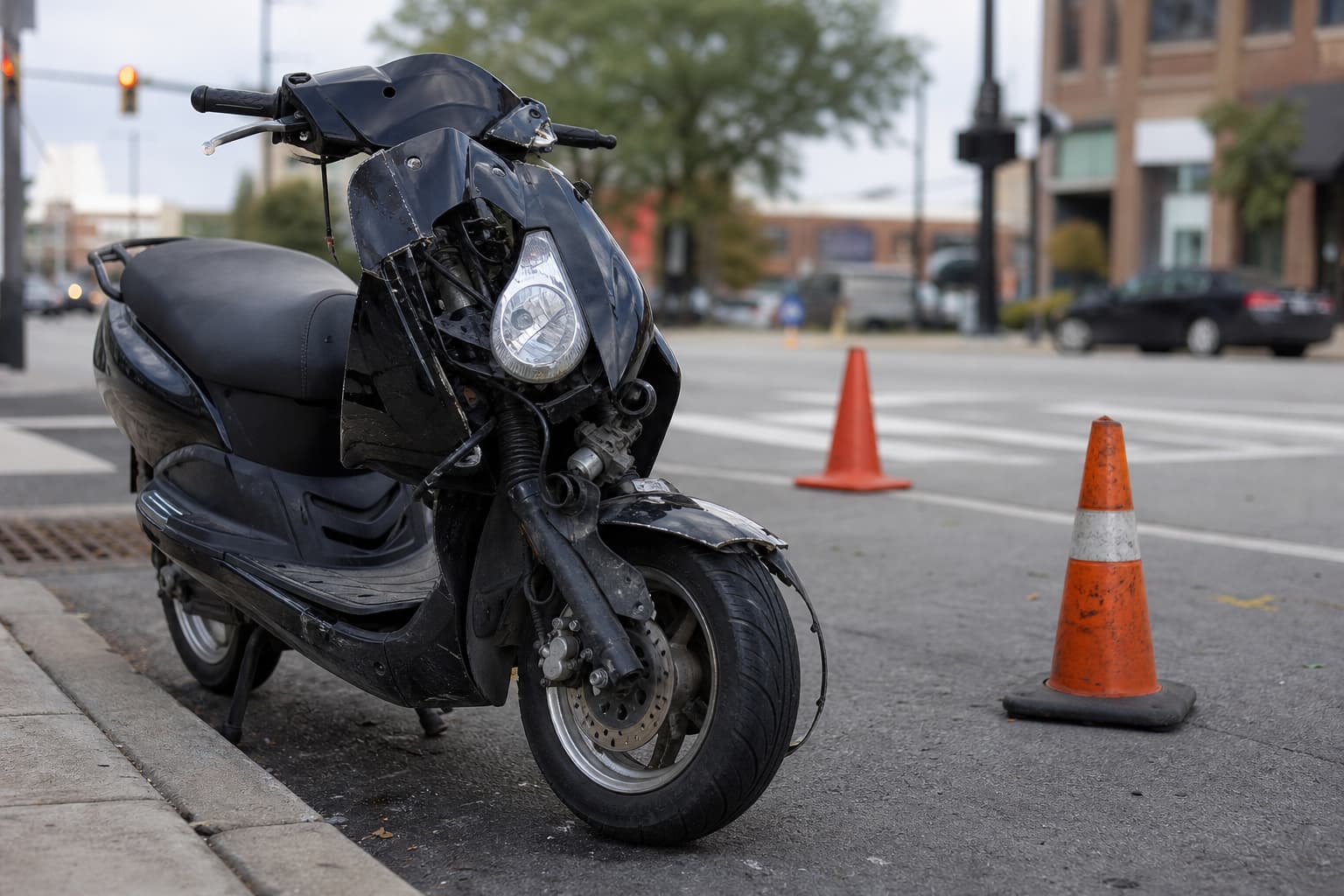

MOPED ACCIDENT LAWYER IN FORT WAYNE, INDIANA
Injured while riding a moped in Fort Wayne? Moped crashes can overlap with motorcycle accident cases, bicycle accident cases, e-bike accident cases, scooter accident cases, pedestrian cases, and car-accident cases. The details matter because Indiana treats mopeds and motor driven cycles differently than motorcycles and electric bicycles.
Delventhal Law Office represents injured moped riders and families after crashes involving cars, trucks, delivery vehicles, hit-and-run drivers, unsafe intersections, parking lots, right-turn conflicts, and roadway hazards throughout Fort Wayne and Northeast Indiana.
Indiana Moped Law That Affects Your Claim
Indiana usually treats a moped as a motor driven cycle when it has a seat or saddle, travels on no more than three wheels, meets applicable equipment requirements, has an engine cylinder capacity not exceeding 50 cubic centimeters, and is registered as a motor driven cycle. The Indiana Bureau of Motor Vehicles explains that a motor driven cycle does not include an electric bicycle.
The BMV’s official motorcycle and motor driven cycle classifications[1] and motor driven cycle FAQ[2] are often important starting points. We still verify the actual vehicle, registration, speed capability, equipment, and crash location before accepting an insurance company’s assumptions. We also evaluate deadlines and fault under Indiana’s personal-injury statute of limitations, Indiana Code § 34-11-2-4[3], and modified comparative-fault rule, including Indiana Code § 34-51-2-6[4].
| Moped issue | Why it matters in an injury claim |
|---|---|
| Motor driven cycle classification | The classification affects licensing, roadway rules, insurance arguments, and whether the device is treated more like a moped than an e-bike or motorcycle. |
| 50cc limit, equipment, and registration | Insurers may use registration, equipment, headlamp, plate, or speed issues to argue comparative fault. |
| Roadway position and speed restrictions | Where the rider was operating and how fast the moped could legally travel can shape fault arguments after a crash. |
| Insurance coverage | A car, truck, delivery vehicle, or hit-and-run driver may trigger auto liability, UM/UIM, commercial, or other coverage layers. |
Why Moped Accident Cases Are Different
Moped riders are exposed like motorcyclists, but their vehicles are often smaller, slower, and easier for drivers to underestimate. A driver may misjudge closing speed, turn across the rider’s path, crowd the moped near the right edge of the roadway, or claim the rider should not have been there.
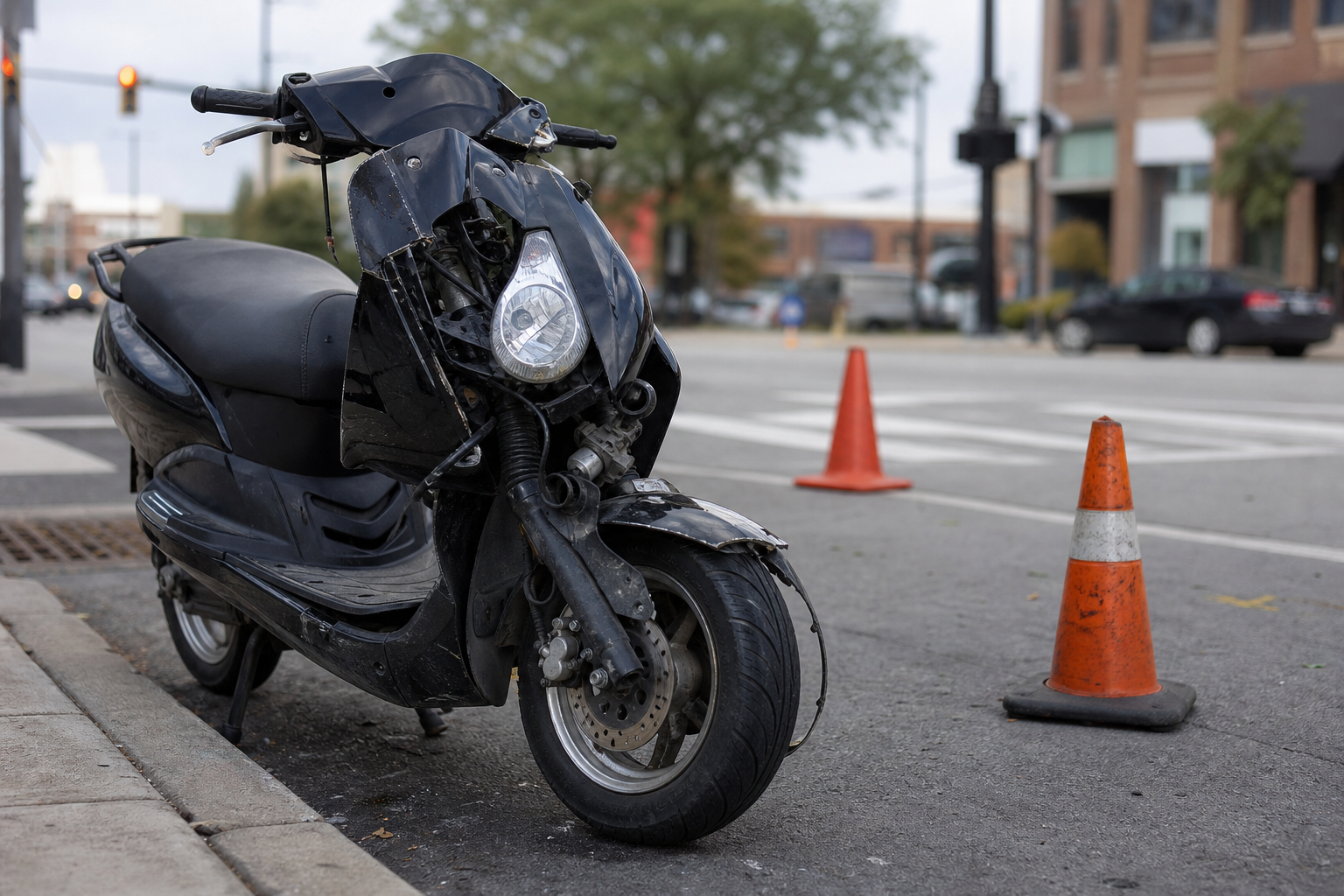
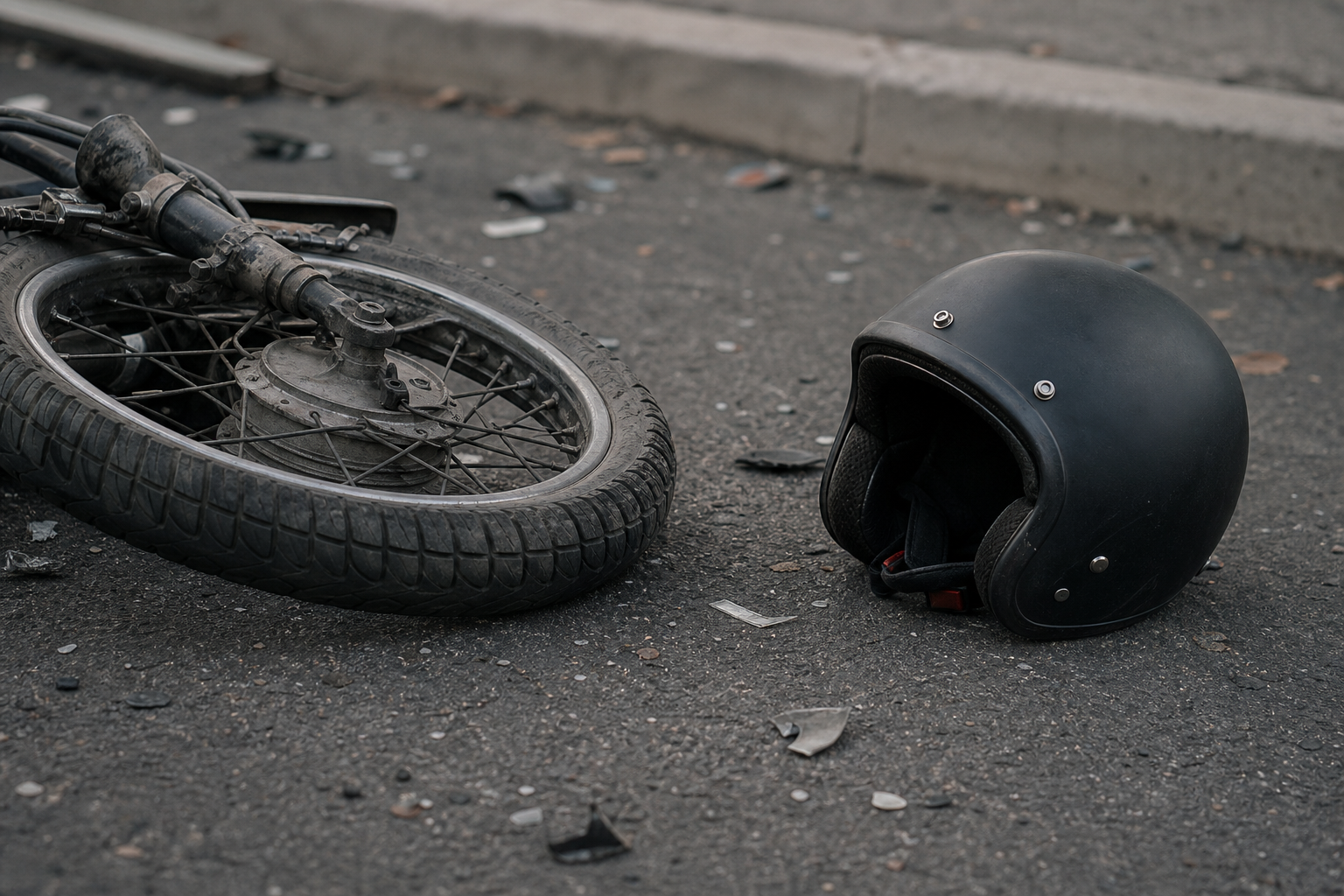
We identify the make, model, engine size, registration, lighting, brakes, mirrors, tires, helmet damage, roadway position, and post-crash condition of the moped. That early classification work helps keep the case focused on what actually caused the crash.
How Moped Crashes Happen Around Fort Wayne
Most moped injury cases come from a familiar set of driver mistakes and location problems:
- failure-to-yield and left-turn crashes where a driver turns across the rider’s path;
- drivers passing too closely or forcing the rider toward the curb;
- rear-end crashes where a driver misjudges the moped’s speed;
- door-opening crashes in downtown or parking-heavy areas;
- hit-and-run crashes involving drivers who leave before police arrive;
- parking-lot and driveway conflicts where traffic fails to yield;
- potholes, loose gravel, broken pavement, construction plates, or poor lighting;
- defective brakes, tires, throttles, lights, mirrors, or other components.
Insurance Coverage Problems After a Moped Crash
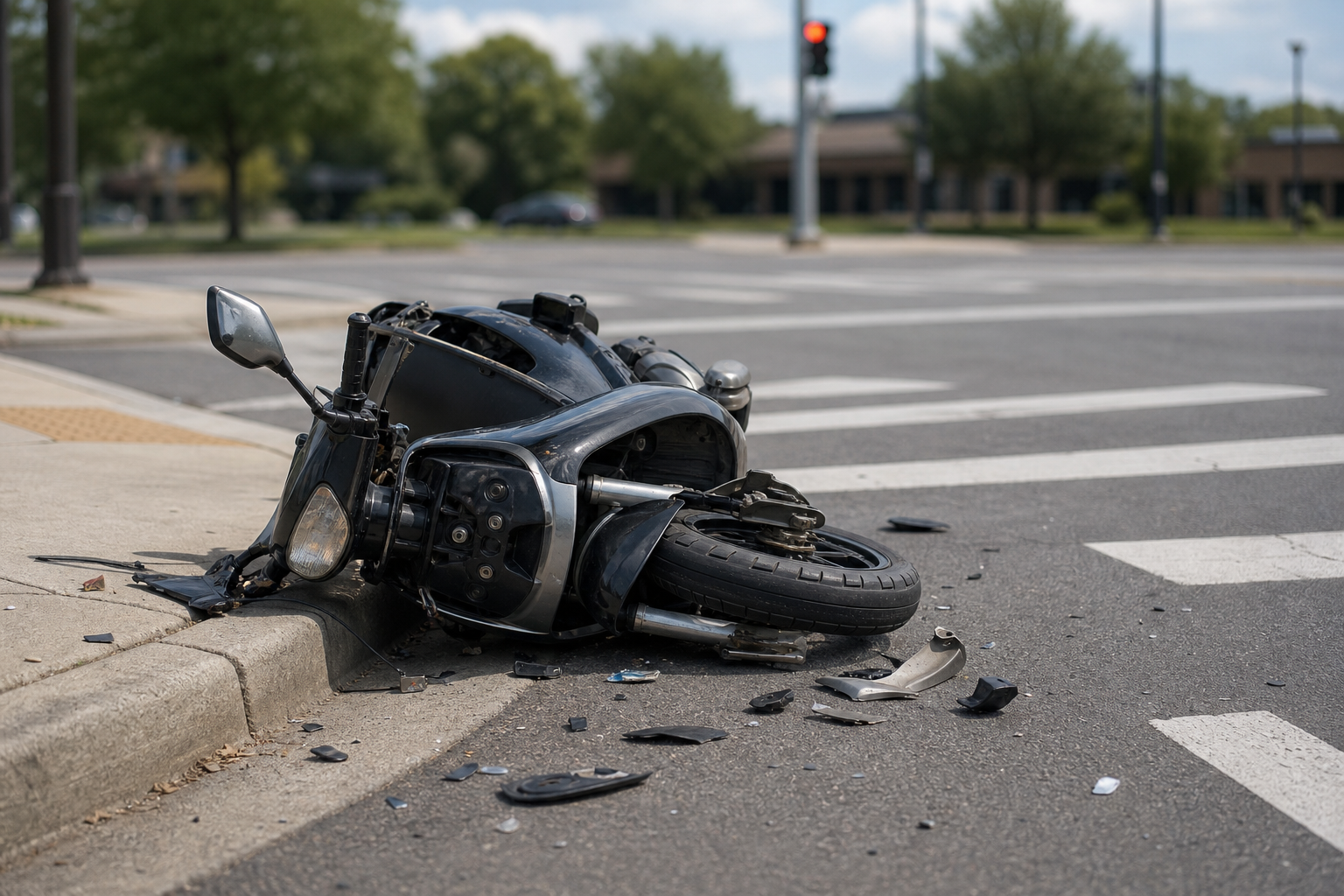
The at-fault driver’s auto liability policy may apply when a car, truck, delivery van, or rideshare vehicle caused the crash. If the driver fled or had too little insurance, uninsured or underinsured motorist coverage may matter. If a defective product or dangerous property condition contributed, a manufacturer, business, landlord, contractor, city, county, or state agency may need to be investigated.
We look for every available layer: auto liability, UM/UIM, med-pay, commercial auto, homeowner or renter coverage, business insurance, delivery-driver coverage, rideshare coverage, product-liability coverage, and government-notice issues where a public road or agency may be involved. For crash-pattern and roadway-safety context, we compare the facts against official sources like NHTSA safety data[5] and INDOT crash data[6].
Common Injuries in Moped Accidents
Even when a moped crash happens at neighborhood speed, the rider can suffer serious injury because there is no vehicle frame, airbag, or seat belt absorbing the impact.
- traumatic brain injury and concussion;
- face, jaw, dental, and eye injuries;
- neck and back injuries;
- shoulder, wrist, hand, knee, ankle, and foot fractures;
- road rash, scarring, and infection risk;
- nerve injuries and chronic pain;
- wrongful death in catastrophic crashes.
Roadway, Sidewalk, and Parking-Lot Issues
Fort Wayne moped riders may be moving near the right edge of traffic, through intersections, across parking-lot exits, or near areas where drivers expect bicycles and pedestrians but fail to account for a powered vehicle. These conflicts can overlap with pedestrian accident cases when crosswalks, sidewalks, or parking-lot walking areas are part of the crash scene.
When a public road, signal, shoulder, or construction condition may be involved, deadlines can be much shorter than the ordinary two-year personal-injury deadline. Indiana Tort Claims Act notice deadlines may apply to political subdivisions[7] or the State of Indiana[8]. We preserve location evidence quickly so the condition does not disappear before the claim is ready.
What Evidence We Preserve
Moped crashes are evidence-sensitive. The vehicle may be repaired, sold, or discarded. Nearby video may disappear within days. Skid marks, debris, and roadway conditions can change quickly.
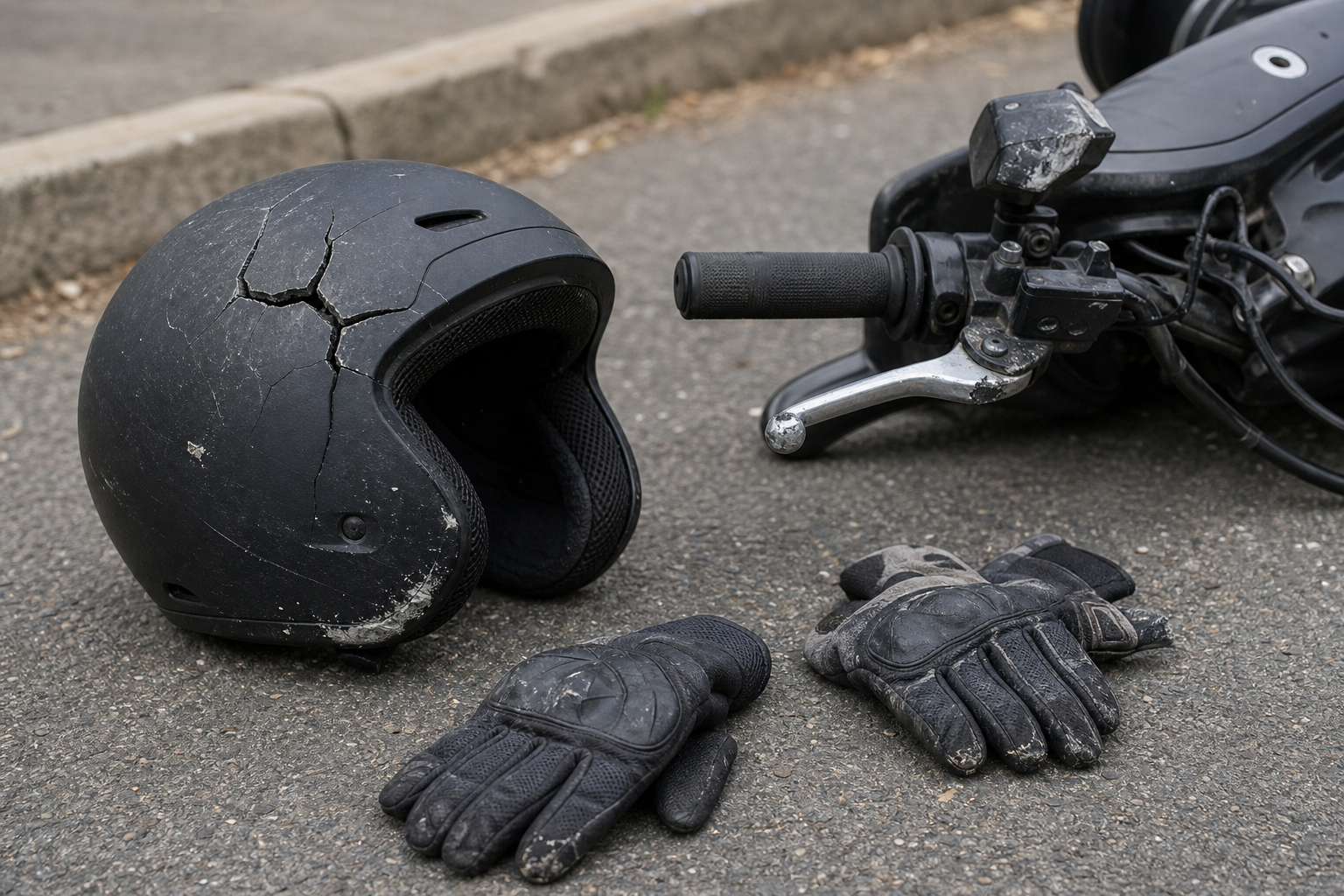
- the moped, helmet, lights, brakes, mirrors, tires, and damaged parts;
- registration, title, BMV paperwork, and proof of engine size or classification;
- police reports, crash diagrams, citations, and 911 audio;
- business surveillance, dashcam, doorbell camera, and traffic camera footage;
- vehicle damage, paint transfer, debris fields, and impact locations;
- medical records connecting the crash to each injury and follow-up limitation;
- insurance policies and coverage correspondence from every possible source.

What Compensation Can Cover
Compensation may include emergency care, surgery, follow-up treatment, physical therapy, medication, medical equipment, future care, lost wages, loss of earning capacity, pain and suffering, scarring, permanent impairment, moped and gear damage, and wrongful-death damages when a crash is fatal.
Frequently Asked Questions
Is a moped accident treated like a motorcycle accident in Indiana?
Not always. Mopeds are often treated as motor driven cycles, and Indiana has separate classification, registration, equipment, and operating rules. The exact vehicle and crash facts matter.
What if I was hit by a car while riding a moped?
The driver’s auto policy may apply, and other coverage may also matter. Preserve the moped and helmet, take photos, get medical care, report the crash, and avoid giving a recorded statement before getting legal advice.
Can I bring a claim if the driver says I was riding too slowly?
Possibly. Moped cases often involve speed and roadway-position arguments. Indiana comparative fault rules may still allow recovery if you are not more than 50% at fault.
What if a pothole, gravel, or unsafe road condition caused the crash?
A road, shoulder, construction, or property-condition claim may involve a city, county, state agency, business, landlord, or contractor. Government-related claims can have special notice deadlines.
Does helmet use affect a moped injury claim?
Helmet issues can become part of the insurance company’s argument, especially in head-injury cases. The answer depends on the rider’s age, the law, what injury occurred, and whether the defendant’s conduct caused the crash.
How much does it cost to hire Delventhal Law Office?
The consultation is free, and there is no attorney fee unless we recover compensation for you.
Talk to a Fort Wayne Moped Accident Attorney
If you or someone in your family was injured on a moped in Fort Wayne or Northeast Indiana, call Delventhal Law Office. We will review the vehicle classification, crash facts, insurance coverage, and evidence before the insurance company gets the advantage.
Request a free moped accident case review or call 260-484-6655.