
Key takeaways
- Vicarious liability often lets an injured person pursue the trucking company for the driver’s negligence.
- The main question is usually whether the driver was acting within the course and scope of employment or furthering the company’s business.
- Truck cases may also involve direct company negligence, such as negligent hiring, training, supervision, dispatching, inspection, or maintenance.
- Company records, dispatch logs, driver files, ELD data, lease documents, and insurance policies can be critical.
- A trucking company’s labels—employee, contractor, owner-operator, leased driver—do not automatically end the investigation.
After a serious semi-truck crash, the truck driver is often the most visible person involved. But in many cases, the driver is only one part of the legal picture. The trucking company may have placed the driver on the road, controlled the route, assigned the load, set the schedule, maintained the equipment, or benefited from the trip.
That is where vicarious liability matters. In plain English, it means one party can be legally responsible for another party’s negligence because of their legal relationship and the work being performed.
Delventhal Law Office investigates serious truck crashes in Fort Wayne and throughout Indiana. If you were hurt in a semi-truck crash, visit our Fort Wayne truck accident attorney page or call (260) 484-6655 for a free consultation.

What is vicarious liability?
Vicarious liability is a legal rule that can make an employer or principal responsible for the negligent conduct of an employee or agent. In many personal injury cases, this is discussed through the doctrine of respondeat superior, meaning the employer may answer for the employee’s negligence when the employee was acting within the scope of employment.
In truck accident cases, the issue is often whether the driver was doing the trucking company’s work when the crash happened. A driver hauling a company load, following dispatch instructions, driving a company route, or making a delivery for the carrier may be acting in a way that connects the company to the crash.
The doctrine matters because serious truck crashes often cause catastrophic injuries. A claim limited only to the individual driver may miss the company that created, controlled, or profited from the dangerous trip.
When can a trucking company be responsible for a driver’s negligence?
A trucking company may be responsible when the driver’s negligent conduct occurred while the driver was acting within the course and scope of the work. That may include driving a loaded truck for the company, traveling between assigned stops, following dispatch instructions, backing into a delivery area, making a lane change during a haul, or operating the truck as part of the company’s business.
Common negligence issues include:
- Speeding or driving too fast for conditions.
- Following too closely.
- Unsafe lane changes or wide turns.
- Distracted driving.
- Fatigued driving.
- Hours-of-service violations.
- Failure to inspect the truck before driving.
- Failure to secure cargo or recognize unsafe loading.
- Continuing to drive despite known mechanical problems.
For a broader overview of responsible parties, see Who Is Legally Responsible in an Indiana Truck Accident?
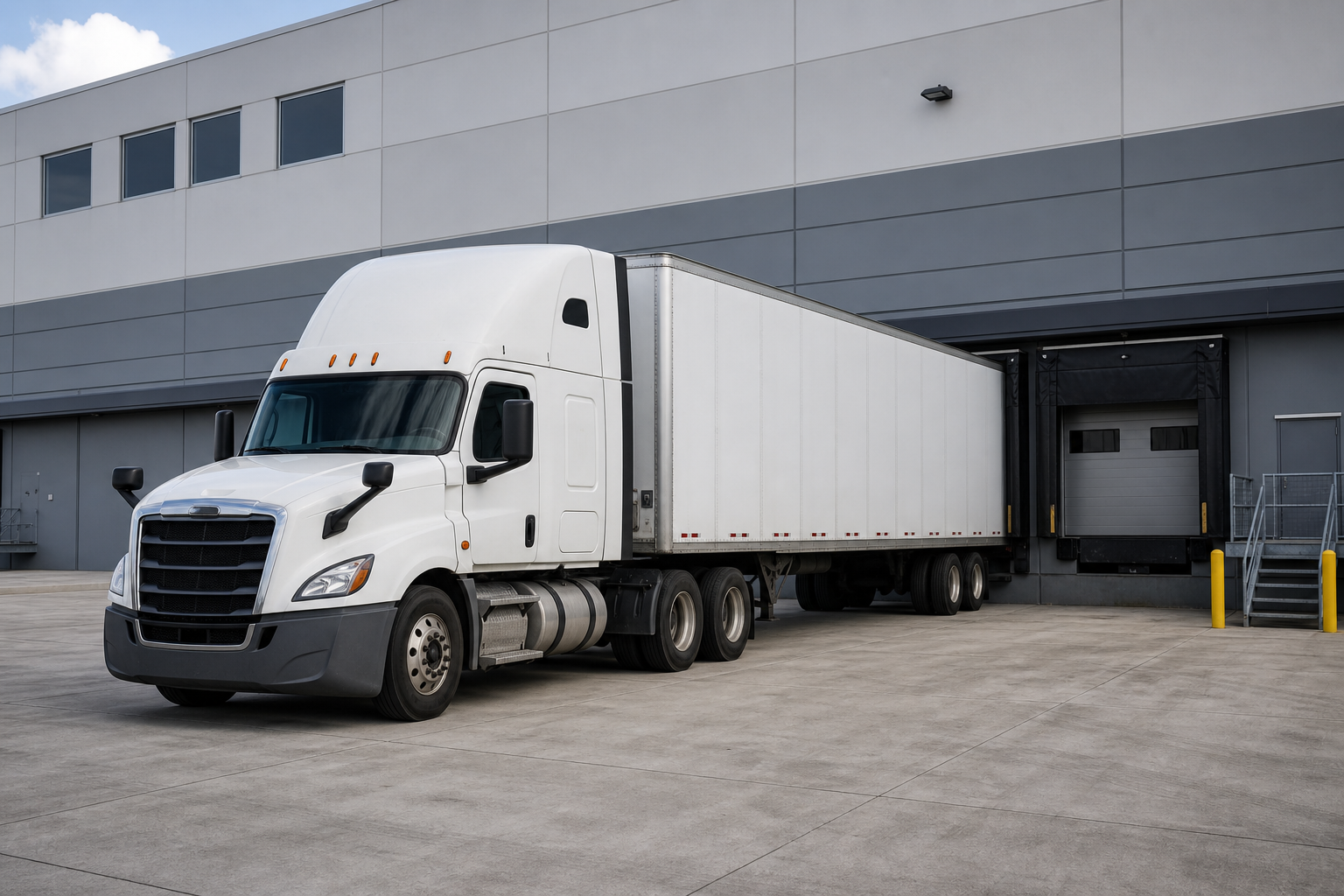
Indiana law recognizes respondeat superior
Indiana law recognizes that an employer may be responsible for an employee’s negligent conduct under respondeat superior when the employee was acting within the course and scope of employment. In Sedam v. 2JR Pizza Enterprises, LLC, the Indiana Supreme Court discussed the relationship between respondeat superior and negligent hiring claims when an employer admits the employee was acting within the course and scope of employment.[1]
The takeaway for injured people is practical: if the driver was acting for the company when the crash happened, the company’s responsibility must be investigated. But the exact theory can matter. Sometimes the claim focuses on vicarious liability for the driver’s negligence. Other times, the facts may support direct claims against the company for its own conduct.
Vicarious liability is different from direct company negligence
Vicarious liability focuses on the company’s responsibility for the driver’s conduct. Direct negligence focuses on what the company itself did wrong.
Examples of direct trucking-company negligence may include:
- Hiring an unsafe or unqualified driver.
- Failing to train the driver.
- Failing to supervise or discipline unsafe driving.
- Pressuring drivers to violate safety rules or delivery schedules.
- Failing to inspect, repair, or maintain the truck.
- Ignoring driver vehicle inspection reports.
- Allowing fatigued driving.
- Failing to follow company safety policies.
- Failing to secure cargo or oversee loading practices.
These theories can overlap, but they are not identical. A careful investigation should identify whether the strongest case is driver negligence, company negligence, or both. For related topics, read Negligent Hiring and Training in Indiana Truck Accident Cases and Why Truck Maintenance Logs Matter After an Indiana Semi-Truck Crash.
Federal trucking rules can support the company-duty analysis
Truck accident cases often involve federal safety rules that do not apply in ordinary car accident cases. Federal Motor Carrier Safety Regulations can help define the duties of motor carriers and drivers.
For example, 49 C.F.R. § 390.11[1] is titled “Motor carrier to require observance of driver regulations.”[2] That rule matters because trucking companies are not supposed to treat driver safety duties as someone else’s problem.
Definitions under 49 C.F.R. § 390.5[2] can also matter in identifying commercial motor vehicle operations, motor carriers, drivers, and regulated accidents.[3] In a serious crash, the legal labels and operational facts should both be examined.
What if the driver is called an independent contractor?
Trucking companies sometimes argue that a driver was an independent contractor, owner-operator, leased driver, or working for another entity. That may matter, but it does not automatically end the case.
The investigation may look at:
- Who hired or dispatched the driver.
- Who controlled the load, route, schedule, or delivery.
- Whose motor carrier authority was being used.
- Who owned or leased the tractor and trailer.
- What the lease agreement says.
- Who maintained the equipment.
- Who paid the driver.
- What insurance policies apply.
- Whether the driver was furthering the company’s business at the time of the crash.
A company’s paperwork may be only one piece of the puzzle. The real-world relationship and control can be just as important.
Evidence that helps prove vicarious liability
Vicarious liability depends heavily on documents and electronic evidence. The police report may identify the driver and carrier, but it usually will not answer every company-responsibility question.
Important evidence may include:
- Driver qualification file.
- Employment file or independent contractor agreement.
- Lease agreements for the tractor or trailer.
- Bill of lading, load documents, and delivery records.
- Dispatch messages and route assignments.
- ELD records, GPS data, and fleet telematics.
- Driver logs and hours-of-service records.
- Maintenance records and driver vehicle inspection reports.
- Insurance policies and motor carrier filings.
- Company safety manuals, training records, and prior discipline records.
For evidence preservation and serious-case investigation, see How Accident Reconstruction Experts Help Prove Fault After a Semi-Truck Crash.
Why the tractor-trailer relationship matters
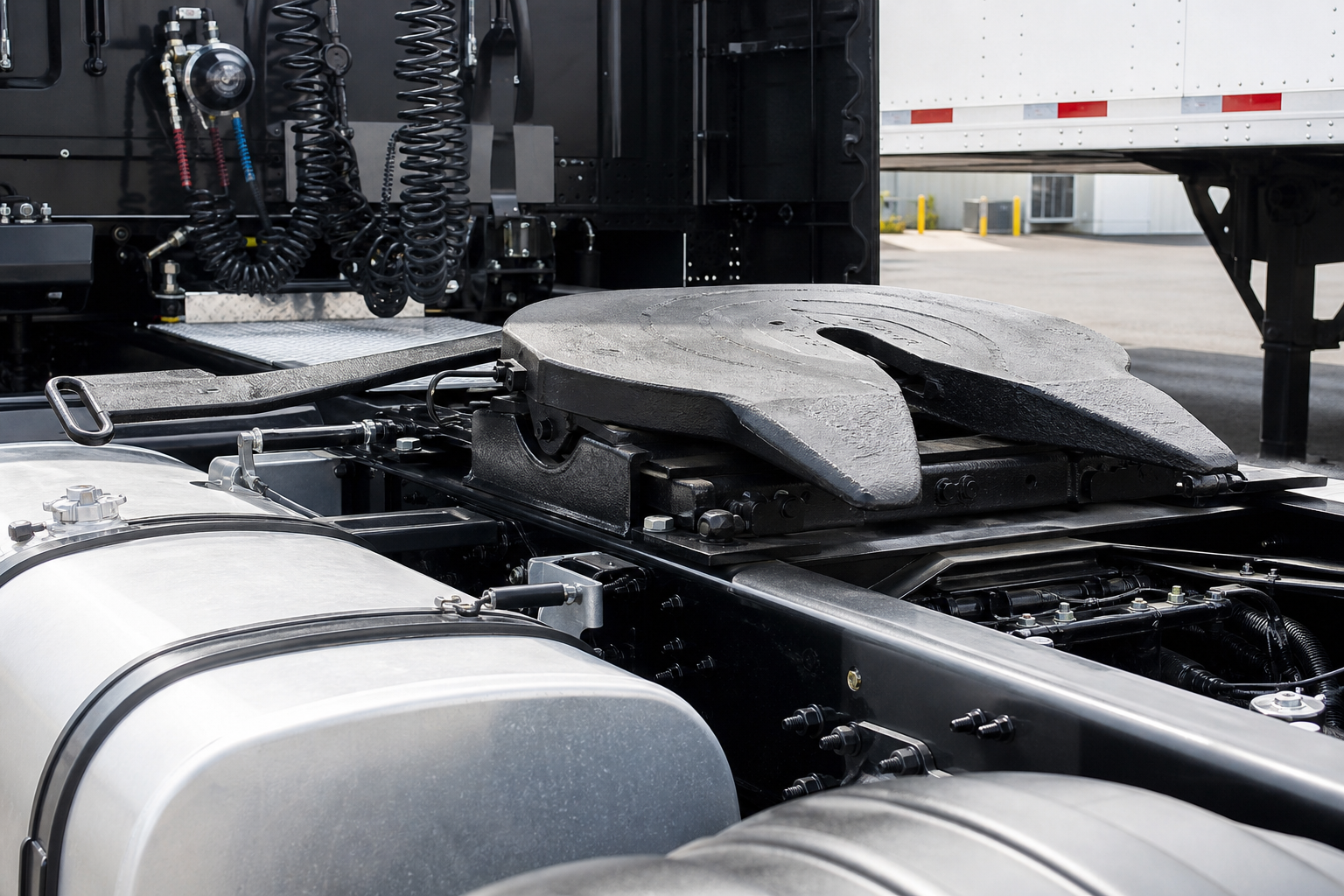
Truck cases can involve a tractor, trailer, driver, motor carrier, shipper, loader, broker, maintenance contractor, and multiple insurers. One company may own the tractor. Another may own the trailer. Another may arrange the load. Another may employ or contract with the driver.
Those relationships matter because vicarious liability may not be limited to the name painted on the side of the cab. A serious investigation should identify who controlled the trip, who benefited from it, and who had legal responsibility for safety.
Common trucking-company defenses
After a crash, a trucking company or insurer may argue:
- The driver was not an employee.
- The driver was outside the scope of work.
- The driver was on a personal errand.
- Another company controlled the load or trailer.
- The injured person caused the crash.
- The crash happened because of an unforeseeable emergency.
- The company followed all safety rules.
- The driver alone made the mistake.
Some defenses may be valid. Others may fall apart when dispatch records, ELD data, delivery documents, maintenance records, and company policies are reviewed. That is why early evidence preservation is so important.
How vicarious liability affects settlement value
Vicarious liability can affect settlement value because it may connect the crash to a company with commercial insurance, safety obligations, records, and control over the driver’s work. It can also help frame the case around preventable company operations instead of treating the crash as a random individual mistake. You can use our Indiana car accident settlement calculator to organize the factors that may affect a claim’s value; it is an educational tool, not a promise of any result.
That does not mean every truck case is automatically worth more. Value still depends on liability, comparative fault, injuries, medical treatment, permanency, lost wages, future care, insurance coverage, and the quality of evidence. But identifying the correct responsible companies is essential in serious injury and wrongful death truck cases.
What should you do after an Indiana truck accident?
- Get medical care and follow treatment recommendations.
- Photograph the truck, trailer, company markings, plates, scene, injuries, and damage if safe.
- Save all letters, insurance communications, bills, wage records, and repair records.
- Do not assume the police report identifies every responsible company.
- Do not give a recorded statement to the trucking insurer without legal advice.
- Contact a truck accident lawyer quickly so company and electronic evidence can be preserved.
Talk to a Fort Wayne truck accident lawyer
If you were hurt in a semi-truck crash, the company relationship behind the driver should be investigated quickly. Vicarious liability, direct company negligence, driver status, dispatch records, lease agreements, and insurance coverage can all affect the case.
Delventhal Law Office helps injured people in Fort Wayne and throughout Indiana after serious truck accidents. Call (260) 484-6655 or contact us online for a free consultation.
There is no fee unless we recover for you.
Frequently asked questions
What is vicarious liability in an Indiana truck accident case?
Vicarious liability means a trucking company may be legally responsible for a driver’s negligence when the driver was acting within the course and scope of employment or furthering the company’s business.
Can I sue the trucking company if the truck driver caused the crash?
Possibly. If the driver was acting for the company at the time of the crash, the trucking company may be responsible under vicarious liability. The company may also be directly negligent if it hired, trained, supervised, dispatched, or maintained equipment unsafely.
Does calling the driver an independent contractor protect the trucking company?
Not automatically. The investigation should examine control, dispatch, contracts, motor carrier authority, equipment ownership, insurance, and whether the driver was furthering the company’s business.
What evidence proves vicarious liability?
Useful evidence may include dispatch records, ELD data, GPS data, load documents, bills of lading, driver files, lease agreements, employment records, maintenance records, insurance policies, and company safety policies.
Is vicarious liability the same as negligent hiring?
No. Vicarious liability focuses on the company’s responsibility for the driver’s conduct. Negligent hiring focuses on the company’s own decision to hire or keep an unsafe driver. The facts and Indiana law determine which theories apply.
Sources and further reading
[1] Indiana Supreme Court case summary: Sedam v. 2JR Pizza Enterprises, LLC, respondeat superior and negligent hiring claims[3]
[2] Electronic Code of Federal Regulations: 49 C.F.R. § 390.11, motor carrier to require observance of driver regulations[1]
[3] Electronic Code of Federal Regulations: 49 C.F.R. § 390.5, definitions[2]
[4] Indiana General Assembly: Indiana Code § 34-11-2-4, injury to person or character[4]