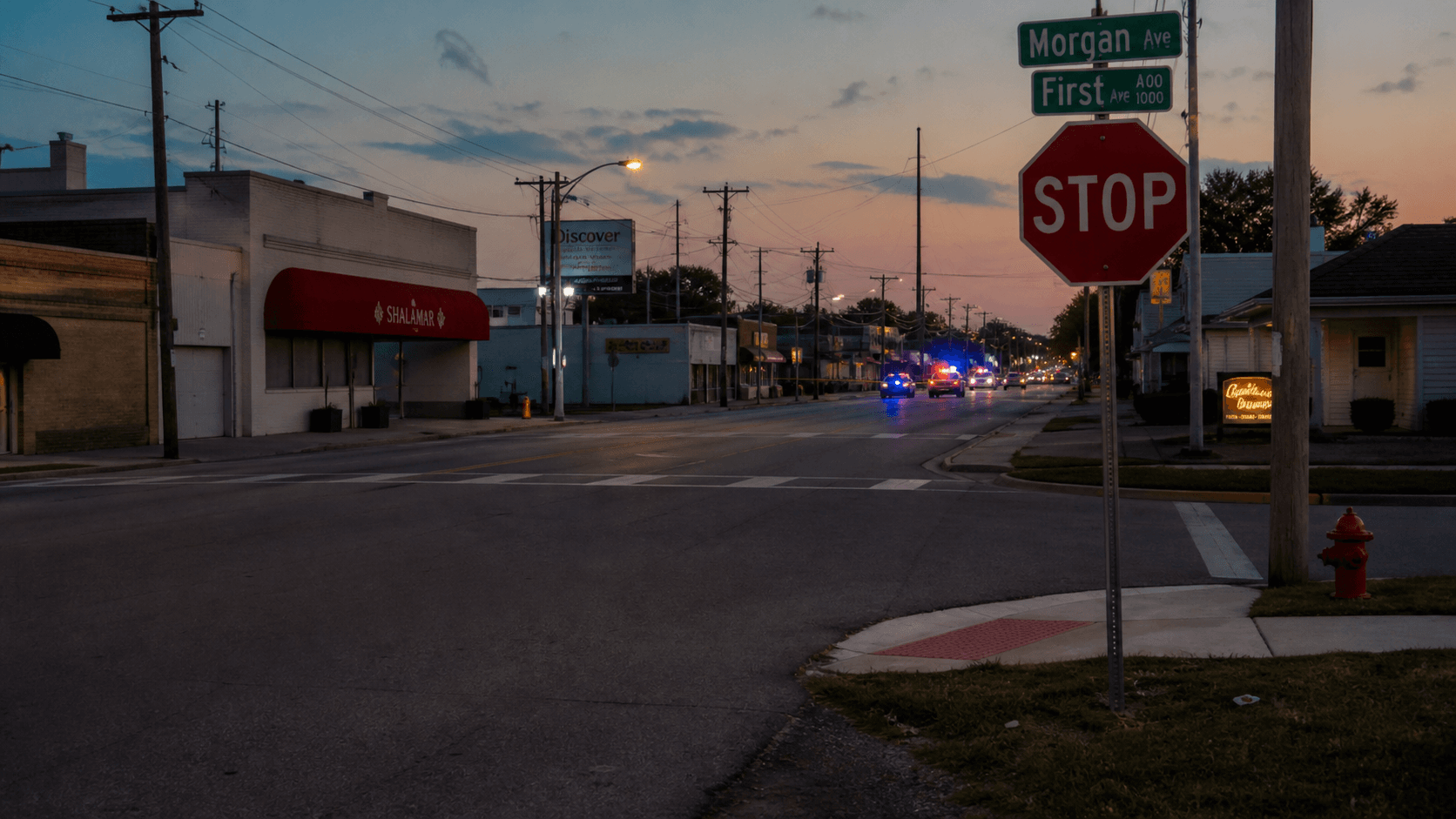
A motorcyclist was seriously injured in Evansville on the evening of August 11, 2026, after another driver reportedly failed to yield at a stop sign and struck the motorcycle. Police also reported suspected alcohol impairment by the other driver. This article explains the public reporting and general issues that may matter to an injured rider under Indiana law.
What happened
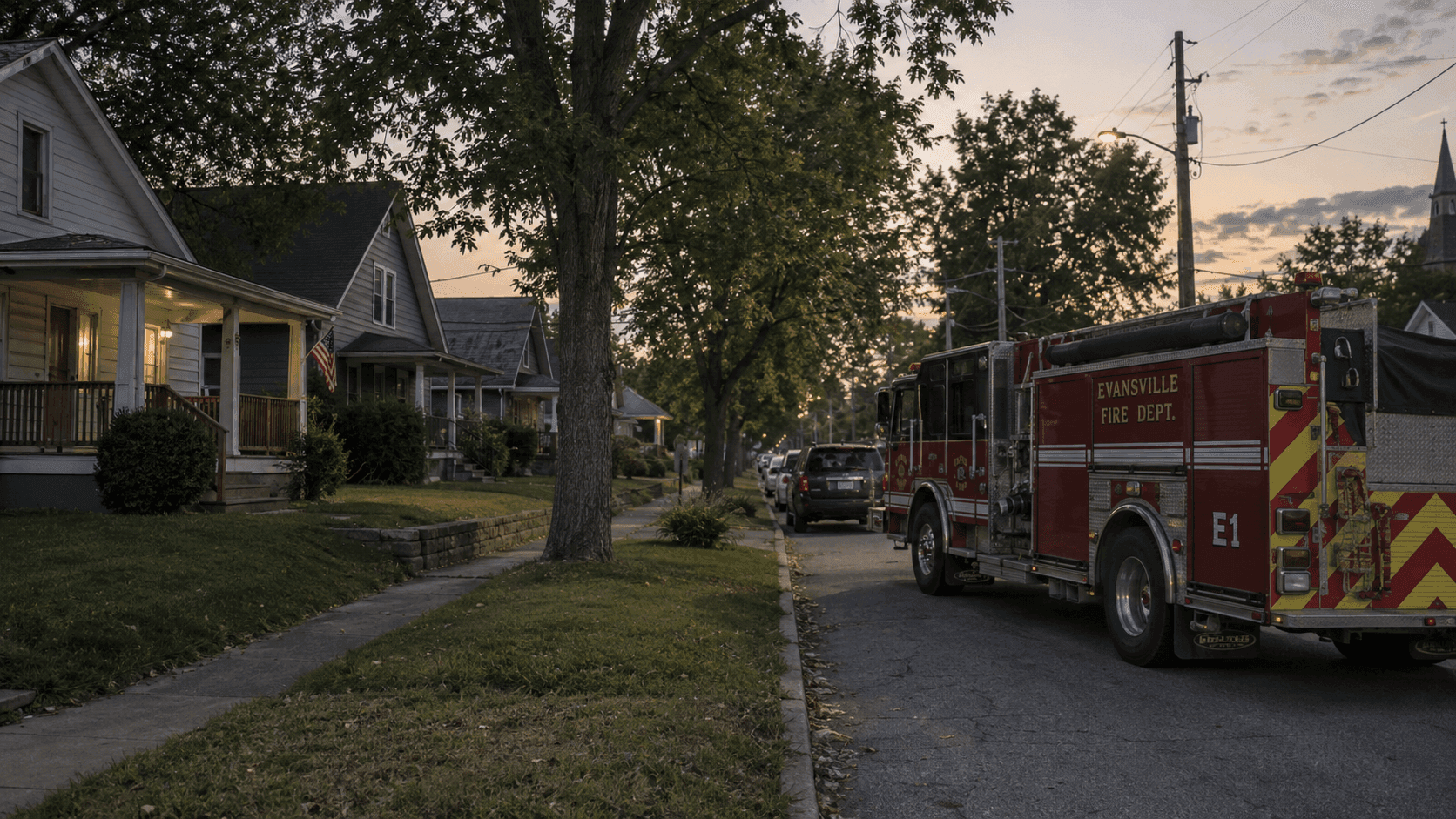
According to 14 News[1], the crash happened at about 8:30 p.m. on August 11, 2026, on First Avenue just north of Morgan Avenue in Evansville. Police said the motorcyclist was traveling northbound when another driver failed to yield at a stop sign and struck the motorcycle. The rider was seriously injured.
Police said the other driver was suspected of being under the influence of alcohol and was taken for a blood draw. The Evansville Police Department's reconstruction unit responded, and the investigation was ongoing.
No announced charge or test result was included in the cited reporting. These preliminary facts do not establish final legal fault.
What you should do after a serious motorcycle crash
Get medical care and follow the treatment plan. Some serious injuries develop or worsen after a crash. Records from emergency care, hospital treatment, and follow-up visits can document your condition and its effect on daily life.
Preserve evidence while it still exists. Vehicle damage, resting positions, sightlines, signs, road markings, and reconstruction materials can help explain what happened. The motorcycle and other vehicle may be repaired or scrapped, so preservation requests sometimes need to be made quickly. This guide explains evidence that may support an Indiana accident claim.
Identify witnesses and possible video promptly. Nearby businesses, homes, or traffic cameras may have recorded relevant events, but recordings can be overwritten. Witness memories also become less reliable over time.
Use care in early insurance conversations. An adjuster may request a recorded statement or propose a settlement before your medical condition is clear. A signed release may end the claim, even if later treatment shows greater harm. Learn more about recorded statements and medical releases.
Why the location and suspected impairment matter
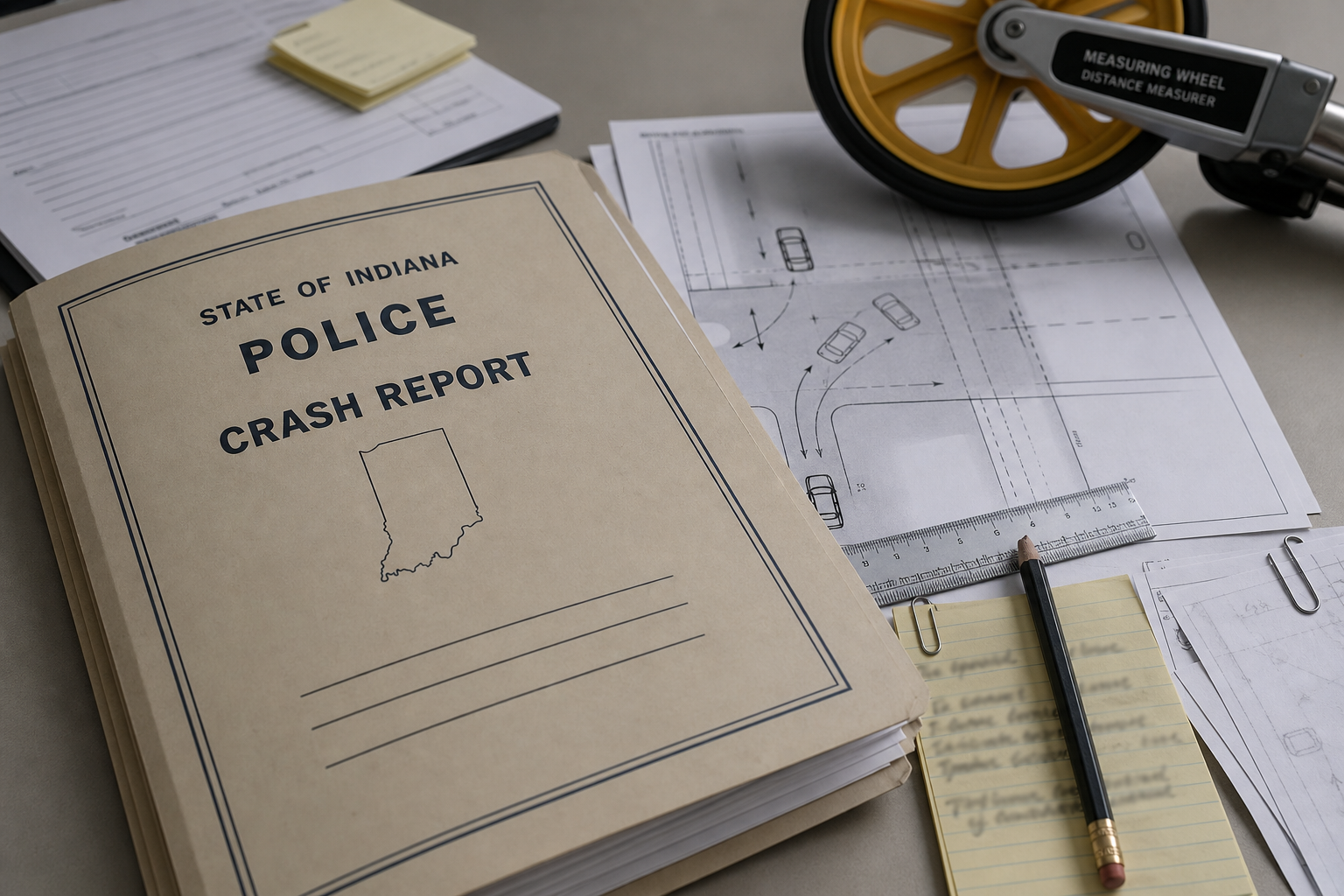
The reported crash site was a stop-controlled area on First Avenue just north of Morgan Avenue. Sightlines, signs, traffic flow, and the Evansville Police Department's reconstruction materials may help investigators understand the collision. If you need the crash report, this guide explains how to obtain an Indiana police report.
When alcohol impairment is suspected, evidence about where and how alcohol was provided may also matter. Indiana's Dram Shop Act can, in some circumstances, permit an injured person to pursue a bar, restaurant, or another establishment that furnished alcohol to a visibly intoxicated person who later caused harm. That issue depends on the specific evidence. Nothing in the current reporting establishes that a dram-shop claim exists here.
Indiana uses modified comparative fault. The conduct of everyone involved may be evaluated, and insurers can aggressively defend fault allegations even when early reporting appears straightforward. A reported failure to yield is important evidence, but the complete reconstruction, witness accounts, video, and physical evidence can determine how responsibility is assigned.
The draft states that Indiana's personal-injury filing deadline is generally two years from the injury date. Evidence can disappear much sooner, and an impaired-driving investigation does not necessarily pause a civil claim. General deadline information is available in this guide to Indiana accident claim deadlines.
How Delventhal Law Office can help
If you are seriously hurt in a motorcycle crash, the insurance and evidence issues can become hotly contested. Delventhal Law Office represents injured motorcyclists across Indiana, preserves available evidence, reviews insurance coverage, and examines whether the facts support responsibility by more than one party. You can learn more from a Fort Wayne motorcycle accident attorney.
The firm can also review uninsured or underinsured motorist coverage and any potential dram-shop issue supported by the evidence. If you want to discuss your options, you can request a free case evaluation.
This post is based on public reporting, the investigation may be ongoing, and nothing here is legal advice or creates an attorney-client relationship.
Update: Arrest reported, August 13, 2026
Follow-up reporting from 14 News[1] says Evansville police arrested the SUV driver on suspicion of impaired driving. Police reportedly observed signs of impairment, and the driver acknowledged drinking and failed field-sobriety and preliminary breath tests. These are allegations, and the arrest does not establish guilt or final civil responsibility.
The follow-up reporting identifies the location as North First Avenue at Uhlhorn Street and describes the rider's injury as a severe leg injury. The investigation and any related criminal case may still be ongoing.