After a car accident, the insurance company does not simply pay because someone says they were hurt. It looks for proof. Sometimes the proof is obvious. Other times, the most important evidence disappears quickly: skid marks fade, vehicles are repaired, witnesses move on, video is overwritten, and pain symptoms develop after the scene is already cleared.
If you were hurt in Fort Wayne or anywhere in Indiana, the goal is to preserve the evidence that connects the crash to your injuries and losses. Delventhal Law Office helps injured people build that proof and respond when insurers dispute fault, minimize injuries, or delay payment. For help, visit our Fort Wayne car accident attorney page or call (260) 484-6655.
Key takeaways
- Strong evidence proves fault, injury causation, damages, and insurance responsibility.
- Photos, video, witness statements, and crash-scene details can disappear quickly.
- Medical records matter because they document injuries, treatment timing, restrictions, and future needs.
- Repair estimates and vehicle photos can help explain impact forces, damage patterns, and disputed liability.
- Indiana comparative fault makes evidence especially important when the insurer tries to blame you.

Why evidence matters in an Indiana car accident claim
Evidence matters because a claim usually has several moving parts. You may need to prove that another driver was careless, that their conduct caused the crash, that the crash caused your injuries, and that your losses are real and documented.
Evidence also matters because Indiana uses comparative fault in many negligence cases. Under Indiana Code chapter 34-51-2, fault can be compared among the parties, and an injured person’s recovery can be reduced or barred depending on the assigned percentage of fault.[1] That means proof can directly affect both whether you recover and how much.
For a deeper explanation of that rule, read Indiana’s 51% Fault Rule: What It Means for Your Car Accident Claim.
1. Scene photos and videos
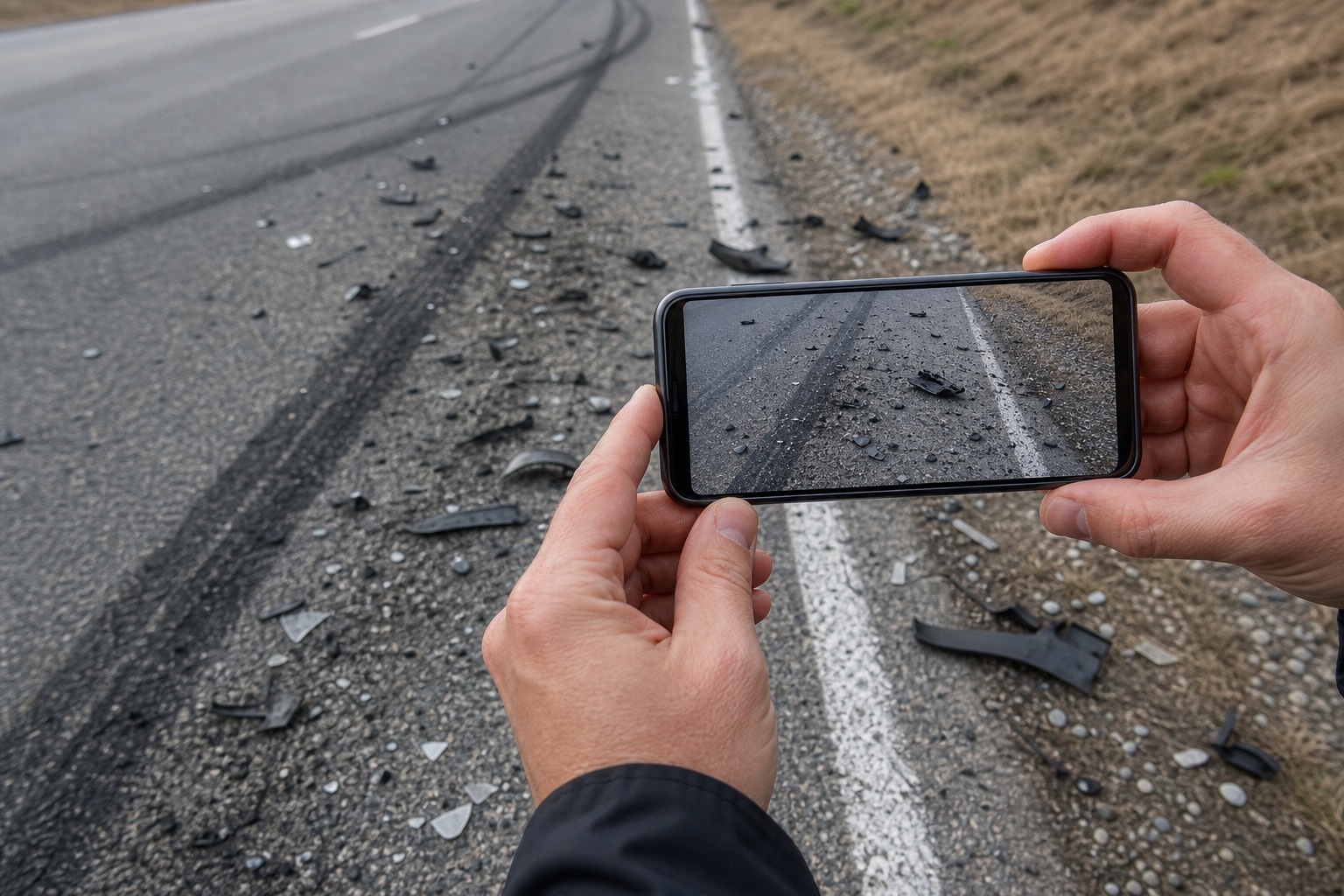
Photos and videos from the scene can be some of the strongest evidence because they capture conditions before cleanup, repairs, weather changes, or memory issues affect the case.
If it is safe, useful photos may include:
- Vehicle positions before they are moved.
- Damage to each vehicle from several angles.
- License plates, insurance cards, and driver information.
- Skid marks, debris, gouge marks, fluid trails, and broken glass.
- Traffic signs, signals, lane markings, construction barrels, and road conditions.
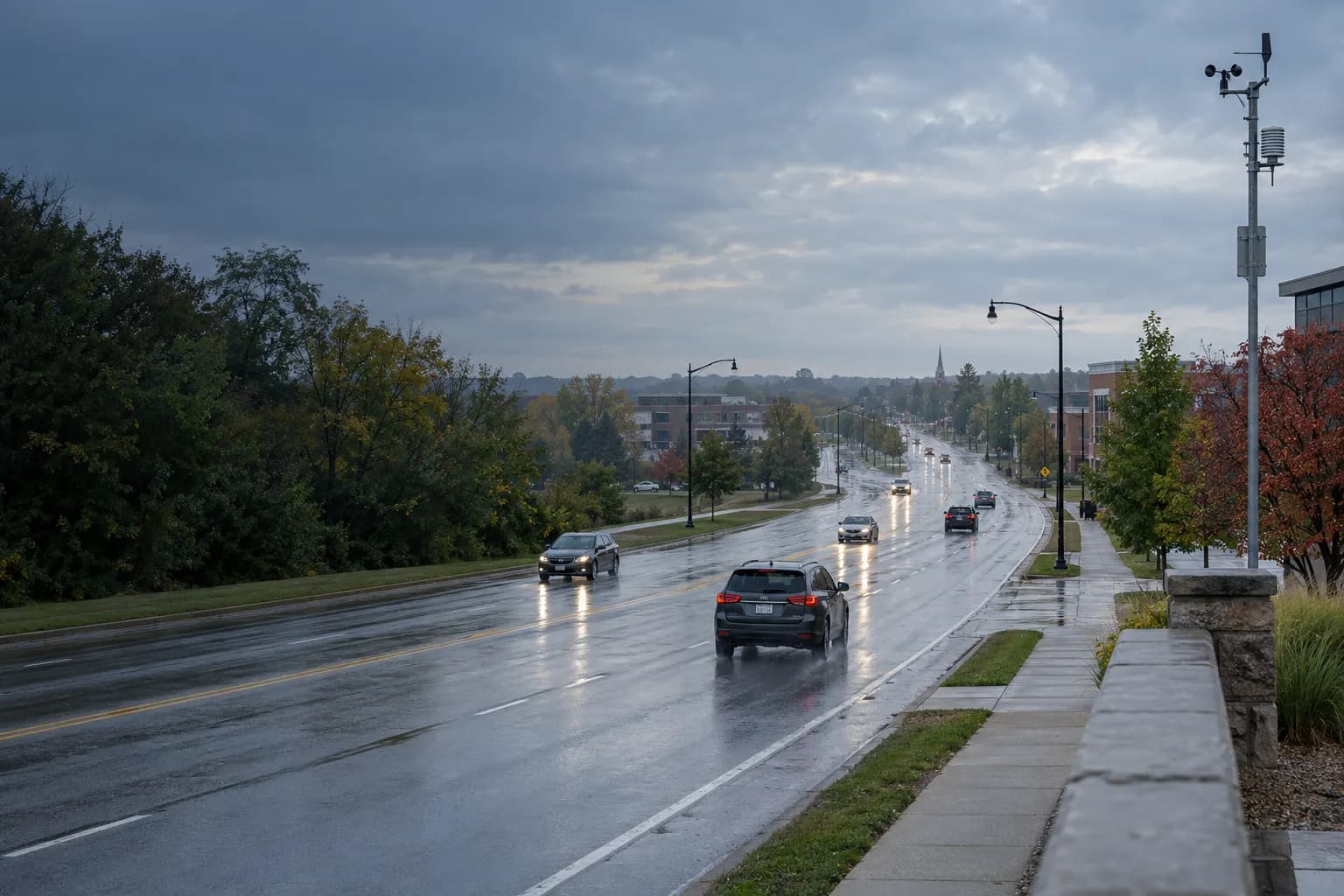
- Weather, lighting, visibility, and nearby obstructions.
- Visible injuries, torn clothing, braces, casts, or medical equipment.
Do not put yourself in danger to take pictures. If the scene is unsafe, medical care and personal safety come first.
2. The Indiana crash report
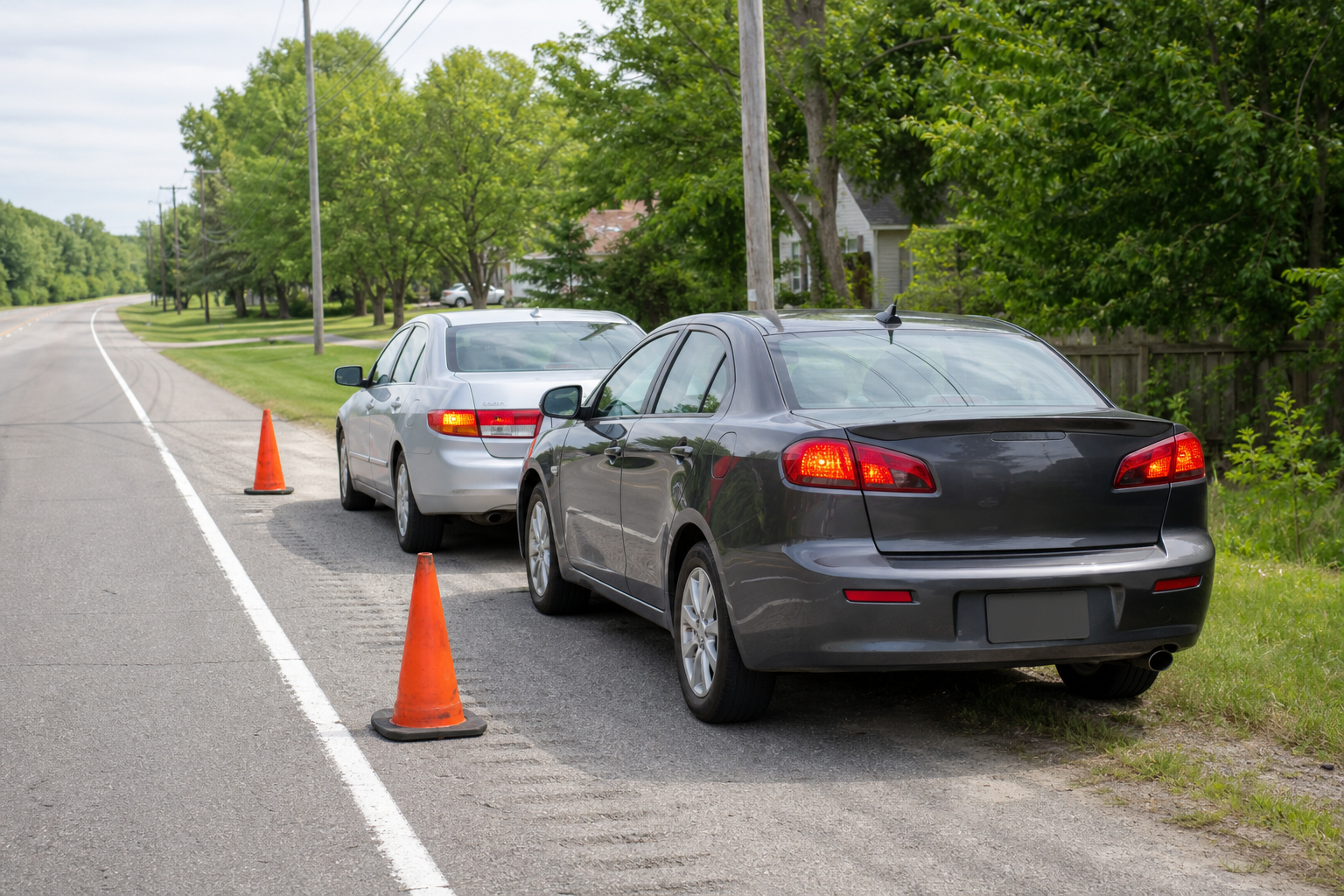
The crash report can identify the drivers, vehicles, owners, insurance information, location, weather, roadway conditions, witnesses, citations, and the investigating officer’s observations. It can also contain diagrams or narratives that help frame the liability dispute.
The Indiana State Police states that it maintains the central repository of crash reports for Indiana and makes electronic vehicle crash reports available through BuyCrash.[2] Local police departments may also provide reports depending on which agency investigated the crash.
Important caution: a crash report is useful, but it is not always complete or perfectly accurate. The officer may not have seen the collision happen. Witnesses may have left before the officer arrived. Video may not have been collected. If the report blames you or leaves out key facts, see What If the Police Report Says You Are Partly at Fault in Indiana?
3. Witness names and statements
Independent witnesses can change the direction of a disputed car accident claim. A witness may confirm which driver had the green light, who changed lanes, who was speeding, who was distracted, or what each driver said immediately after the crash.
Helpful witness evidence may include:
- Names, phone numbers, and addresses.
- Brief written or recorded statements.
- Location of the witness when they saw the crash.
- Whether the witness saw the impact or only the aftermath.
- Any photos or video the witness captured.
Witness memories fade. Contact information gets lost. That is why witness information should be preserved early.
4. Physical evidence from the roadway and vehicles
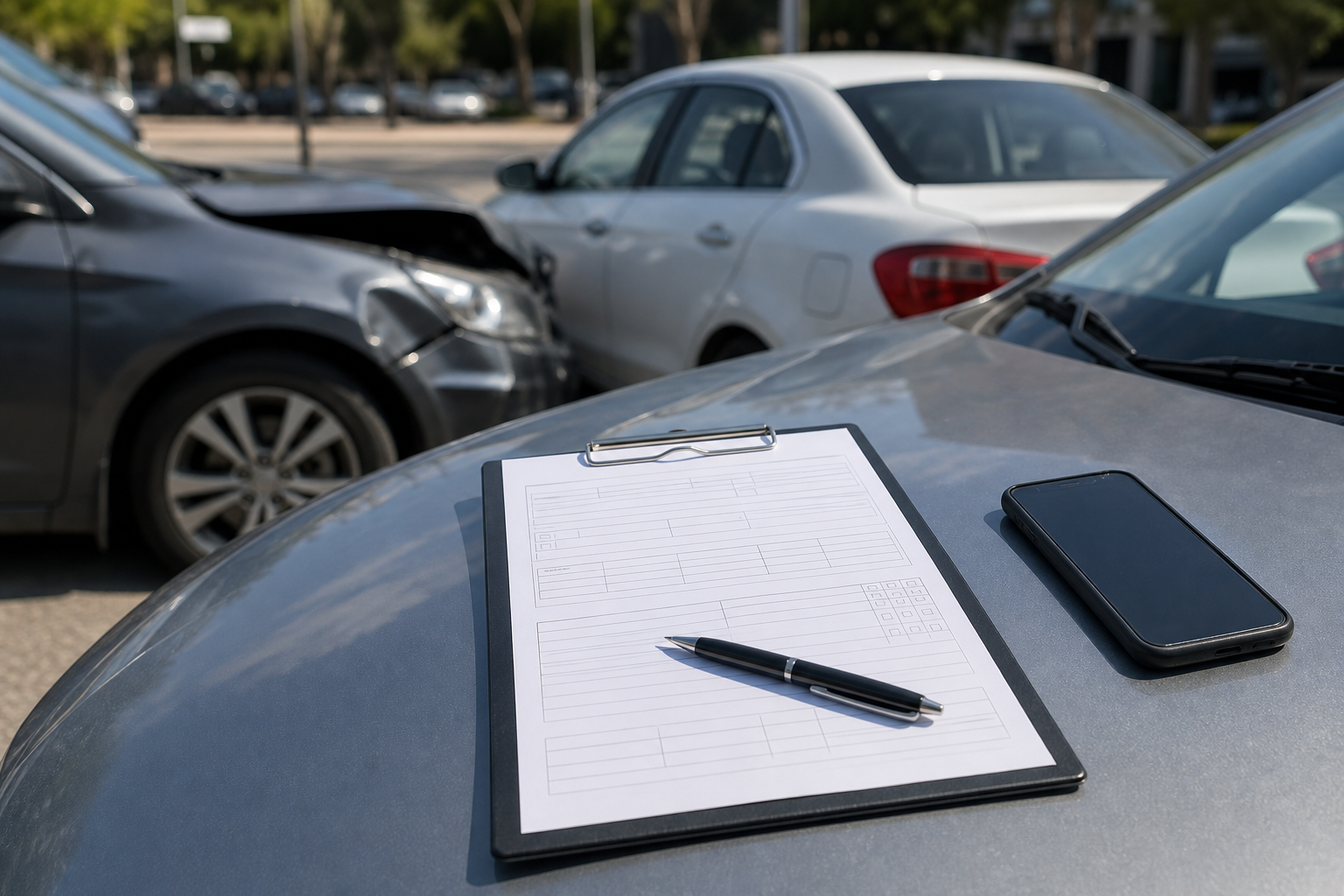
Physical evidence can help show speed, direction of travel, impact angle, braking, evasive action, and whether a driver’s version makes sense.
Examples include:
- Skid marks, tire marks, yaw marks, and gouge marks.
- Debris fields and fluid trails.
- Vehicle rest positions.
- Airbag deployment information.
- Seatbelt evidence.
- Damage patterns on the vehicles.
- Event data recorder information in appropriate cases.
In serious crashes, accident reconstruction may be needed. For related reading, see How Accident Reconstruction Experts Help Prove Fault After a Semi-Truck Crash. Many of the same evidence principles also apply in severe car crash cases.
5. Medical records and bills
Medical evidence does more than show that you received treatment. It can connect your symptoms to the crash, document when pain began, identify diagnoses, support work restrictions, and show whether future care may be needed.
Important medical evidence may include:
- EMS and emergency-room records.
- Primary care, orthopedic, chiropractic, physical therapy, pain management, and specialist records.
- Imaging reports, including X-rays, CT scans, MRIs, and ultrasound studies.
- Diagnosis codes, treatment plans, referrals, and restrictions.
- Prescription records and durable medical equipment records.
- Itemized medical bills and insurance explanation-of-benefits records.
Gaps in treatment can become an insurance argument. That does not mean every gap ruins a claim, but it does mean the reason for the gap should be documented when possible.

6. Vehicle damage, repair estimates, and total-loss documents
Vehicle evidence can support liability and damages. Repair estimates, photographs, total-loss valuations, tow records, and storage records may help explain the severity and mechanics of the crash. You can use our Indiana car accident settlement calculator to organize the factors that may affect a claim’s value; it is an educational tool, not a promise of any result.
Insurance companies sometimes argue that a low-damage crash could not have caused significant pain. That argument is not always medically or legally fair. If that issue comes up, read My Car Only Has Minor Damage, But I’m in Major Pain.
7. Wage loss and daily-life evidence
A car accident claim may include more than medical bills and car repairs. If the crash affected your income or daily life, preserve proof.
Useful records may include:
- Pay stubs, W-2s, 1099s, and tax records.
- Employer letters confirming missed work.
- Doctor’s work restrictions.
- Used PTO, sick leave, or unpaid leave records.
- Self-employment income documents.
- Photos or notes showing limitations with driving, lifting, sleeping, household chores, childcare, hobbies, or daily routines.
For a focused wage-loss discussion, see Can You Recover Lost Wages After a Car Accident in Indiana?
8. Insurance letters, adjuster notes, and claim communications
Save every insurance letter, email, text, voicemail, claim number, and adjuster note. These records can show what the insurer requested, what deadlines were mentioned, whether fault was disputed, and whether the company gave inconsistent reasons for delay or denial.
Be careful with recorded statements and broad medical releases from the other driver’s insurer. If you are unsure, read Should You Give a Recorded Statement After a Car Accident in Indiana? and Should You Sign an Insurance Adjuster’s Medical Release?
9. Video evidence from nearby sources
Video can be extremely valuable, but it is often overwritten quickly. Depending on the location, possible sources may include:
- Dashcams.
- Doorbell cameras.
- Business security cameras.
- Apartment or parking-lot cameras.
- School, church, or municipal cameras.
- Nearby gas station or retail cameras.
- Commercial vehicle cameras in crashes involving company vehicles.
If you know a camera may have captured the crash, write down the location immediately. A lawyer can send preservation requests before the footage disappears.
Common evidence mistakes to avoid
- Waiting too long to take injury, vehicle, or scene photos.
- Repairing or selling a vehicle before damage is documented.
- Losing witness names and phone numbers.
- Throwing away discharge papers, prescriptions, braces, receipts, or mileage logs.
- Giving guesses about speed, distance, or timing in a recorded statement.
- Posting accident details, pain updates, or activity photos on social media.
- Assuming the police report contains every important fact.
Fort Wayne and Allen County practical note
In Fort Wayne, evidence can vary by location. A crash on I-69, I-469, Coliseum Boulevard, Lima Road, Illinois Road, Coldwater Road, Jefferson Boulevard, or near a construction zone may require different proof than a neighborhood intersection crash. Traffic patterns, lane design, business cameras, road work, weather, and rush-hour congestion can all matter.
If the crash involved a truck, delivery vehicle, rideshare vehicle, uninsured driver, hit-and-run driver, or government vehicle, the evidence plan may need to be more urgent and more specific.
What should you bring to a car accident consultation?
If you are meeting with a lawyer, bring whatever you have. It does not need to be perfect. Helpful items include:
- Crash report or report number.
- Photos and videos.
- Insurance cards and claim numbers.
- Medical records, bills, discharge papers, and appointment lists.
- Repair estimates, total-loss documents, towing bills, and rental-car records.
- Witness names and contact information.
- Employer wage-loss documentation.
- Letters, emails, or texts from insurance adjusters.
Talk to a Fort Wayne car accident lawyer
You do not have to know exactly which evidence matters before you call. That is part of the lawyer’s job. The important thing is to preserve what you can and get advice before the insurer turns missing evidence into leverage.
Delventhal Law Office helps injured people in Fort Wayne and throughout Indiana after car accidents. Call (260) 484-6655 or contact us online for a free consultation.
There is no fee unless we recover for you.
Frequently asked questions
What is the most important evidence after a car accident?
The most important evidence depends on what is disputed. In many cases, scene photos, vehicle damage photos, witness information, the crash report, medical records, and insurance communications are key.
Do I need the police report to make an Indiana car accident claim?
A crash report is helpful and often important, but it is not the only evidence. Photos, witnesses, video, medical records, and repair documents may also prove the claim.
What if I did not take photos at the scene?
You may still have a claim. Other evidence may exist, including the crash report, vehicle photos after the fact, repair estimates, witness statements, medical records, nearby video, and insurance documents.
Can medical records prove my injury came from the crash?
Medical records can help connect symptoms, diagnoses, treatment, and restrictions to the crash, especially when treatment starts promptly and the history given to providers is accurate.
Why does evidence matter if the other driver was clearly at fault?
Insurers may still dispute injury causation, medical bills, treatment gaps, fault percentages, wage loss, or the value of pain and suffering. Evidence helps answer those disputes.
Sources and authority
- Indiana Comparative Fault Act, Indiana Code chapter 34-51-2, Indiana General Assembly, https://iga.in.gov/laws/2024/ic/titles/34#34-51-2[1].
- Indiana Vehicle Crash Reports, Indiana State Police, https://www.in.gov/isp/crash-reports/[2].
- Indiana Code § 34-11-2-4[3], Indiana General Assembly, personal-injury limitation period reference, https://iga.in.gov/laws/2026/ic/titles/34#34-11-2-4[3].
This article is general information for Indiana readers, not legal advice for a specific case. Reading it does not create an attorney-client relationship, and neither does contacting us. If you do contact us about a possible claim, Indiana Rule of Professional Conduct 1.18 requires us to keep what you tell us confidential whether or not we take the case — but please do not send documents or detailed facts until we have agreed in writing to represent you.