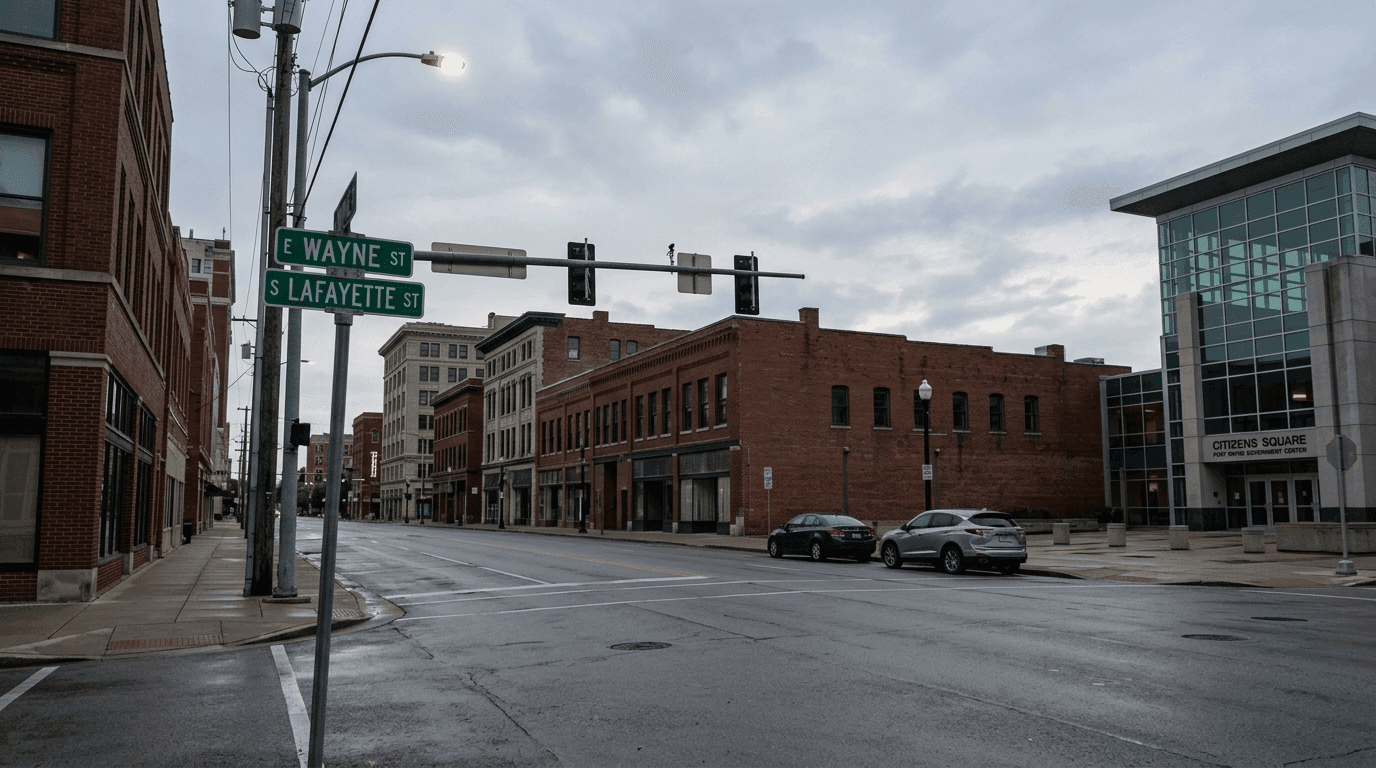
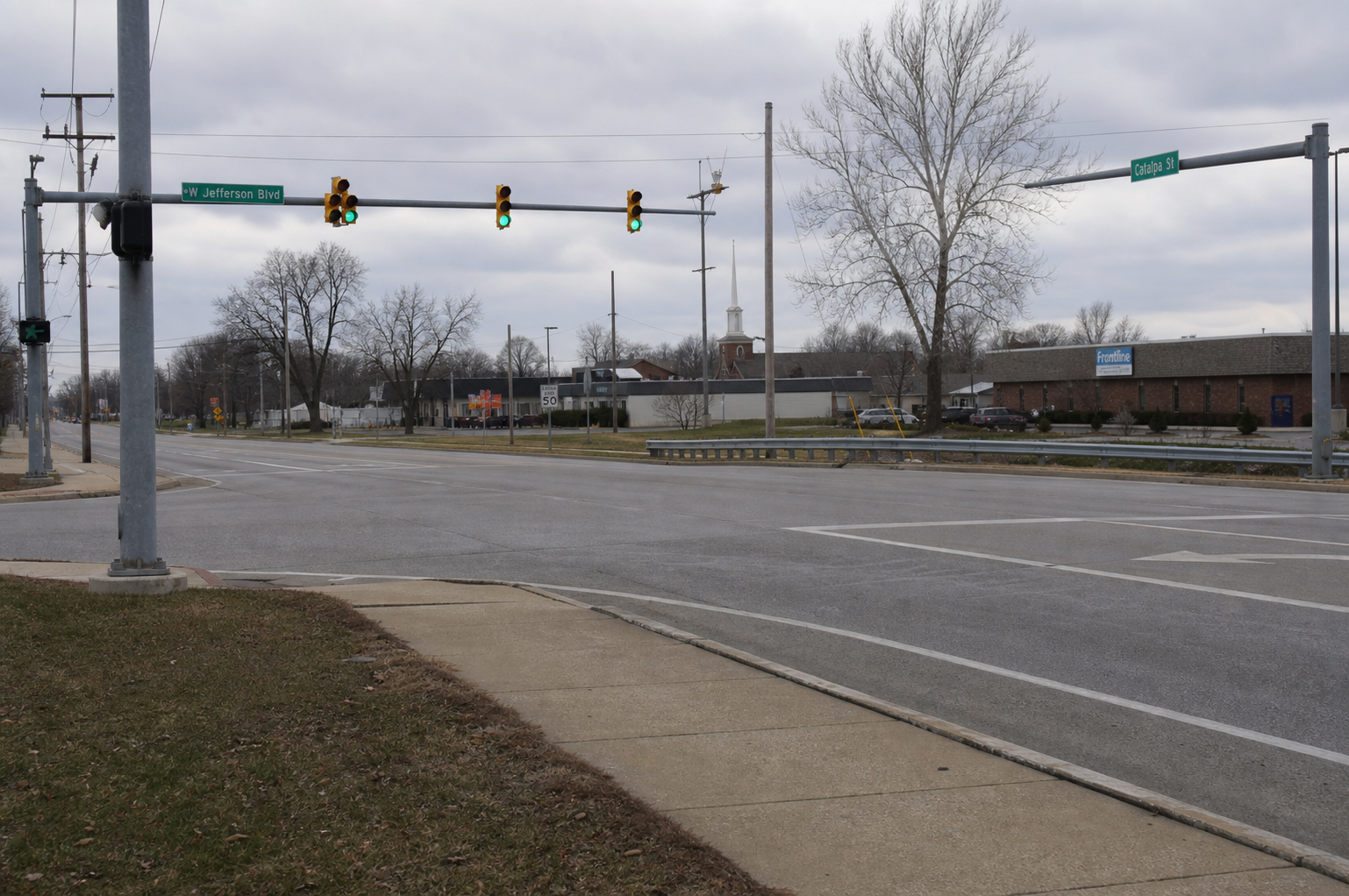
A motorcyclist was killed in an overnight crash at West Jefferson Boulevard and Catalpa Street on the southwest side of Fort Wayne shortly after midnight on Sunday, August 9, 2026. Local reporting indicates that this was the third motorcycle crash at or near the intersection in roughly two months.
What happened
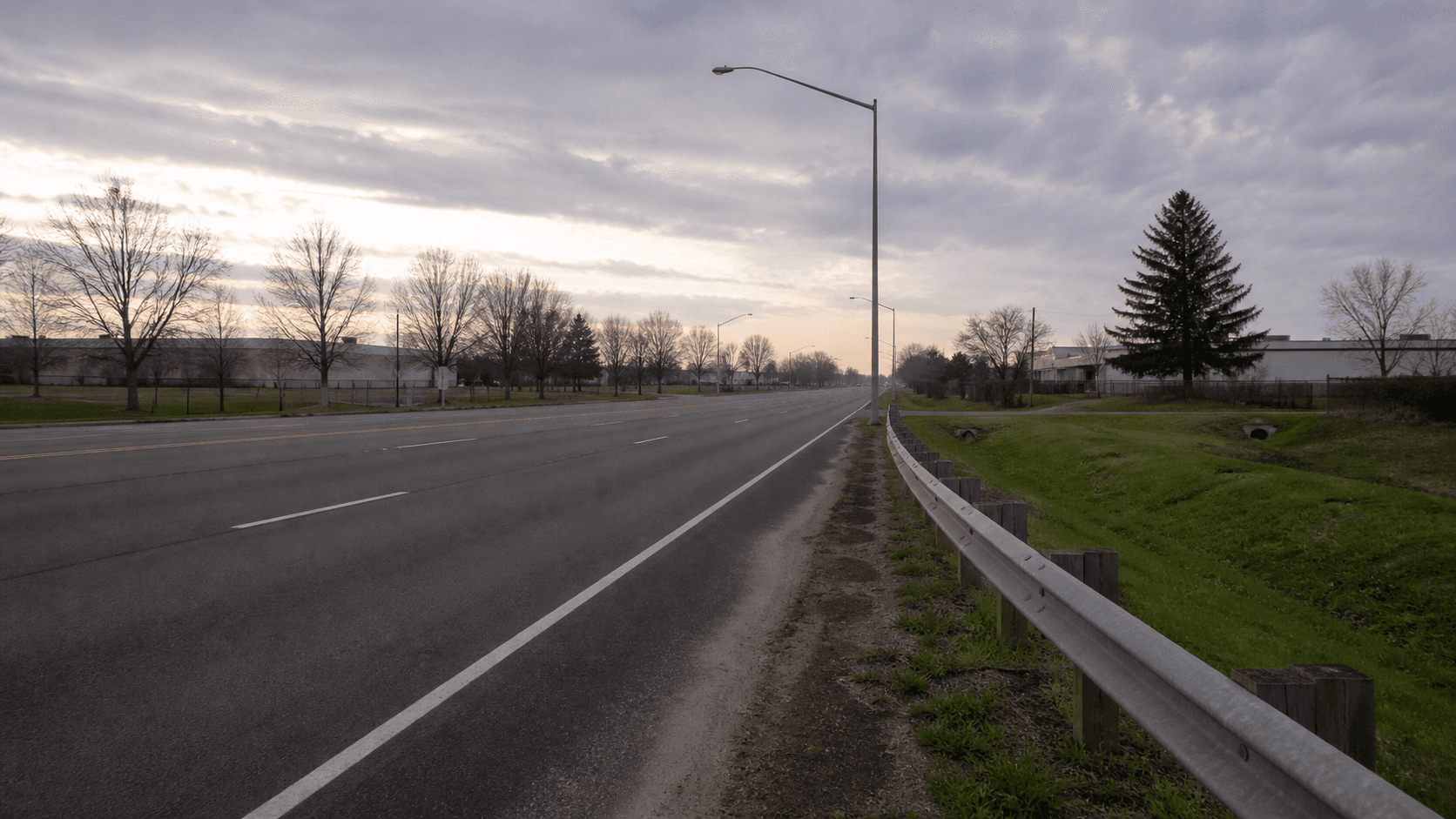
According to The Journal Gazette[1], the Fort Wayne Police Department responded to a single-vehicle motorcycle crash on West Jefferson Boulevard near Catalpa Street just after 12:00 a.m. Investigators said the adult male rider was traveling eastbound when he lost control, struck a guardrail, and came to rest in a grassy area. Medics pronounced him dead at the scene.
The Fort Wayne Police Department's Fatal Accident Crash Team is investigating, with assistance from the department's Air Support Unit. As of the cited reporting, the Allen County Coroner's Office had not released the rider's name. No other vehicle was reported to be involved, and investigators had not announced a cause.
Fault has not been officially determined. A single-vehicle crash, by itself, does not establish why the rider lost control or whether another condition contributed.
What families can do next
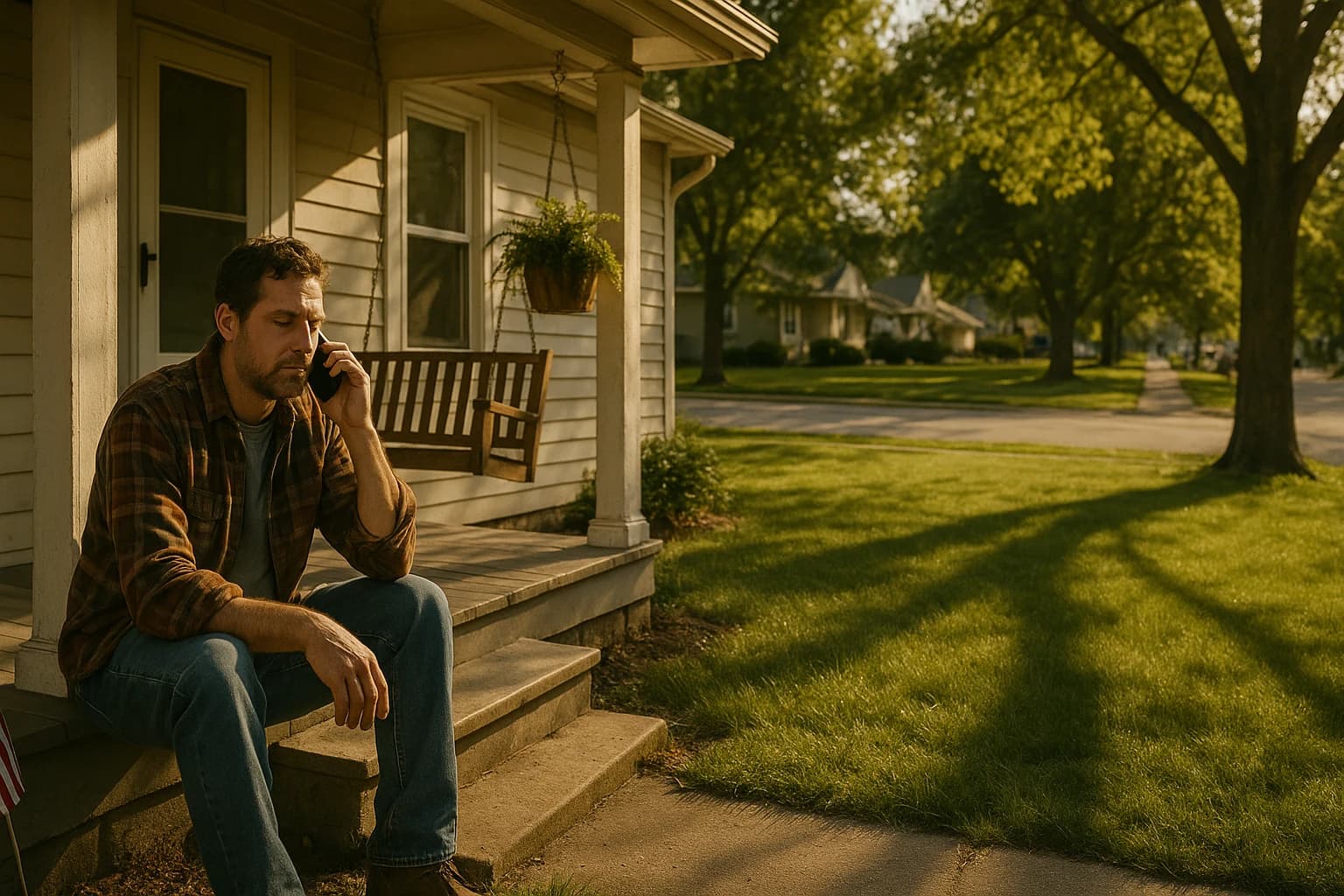
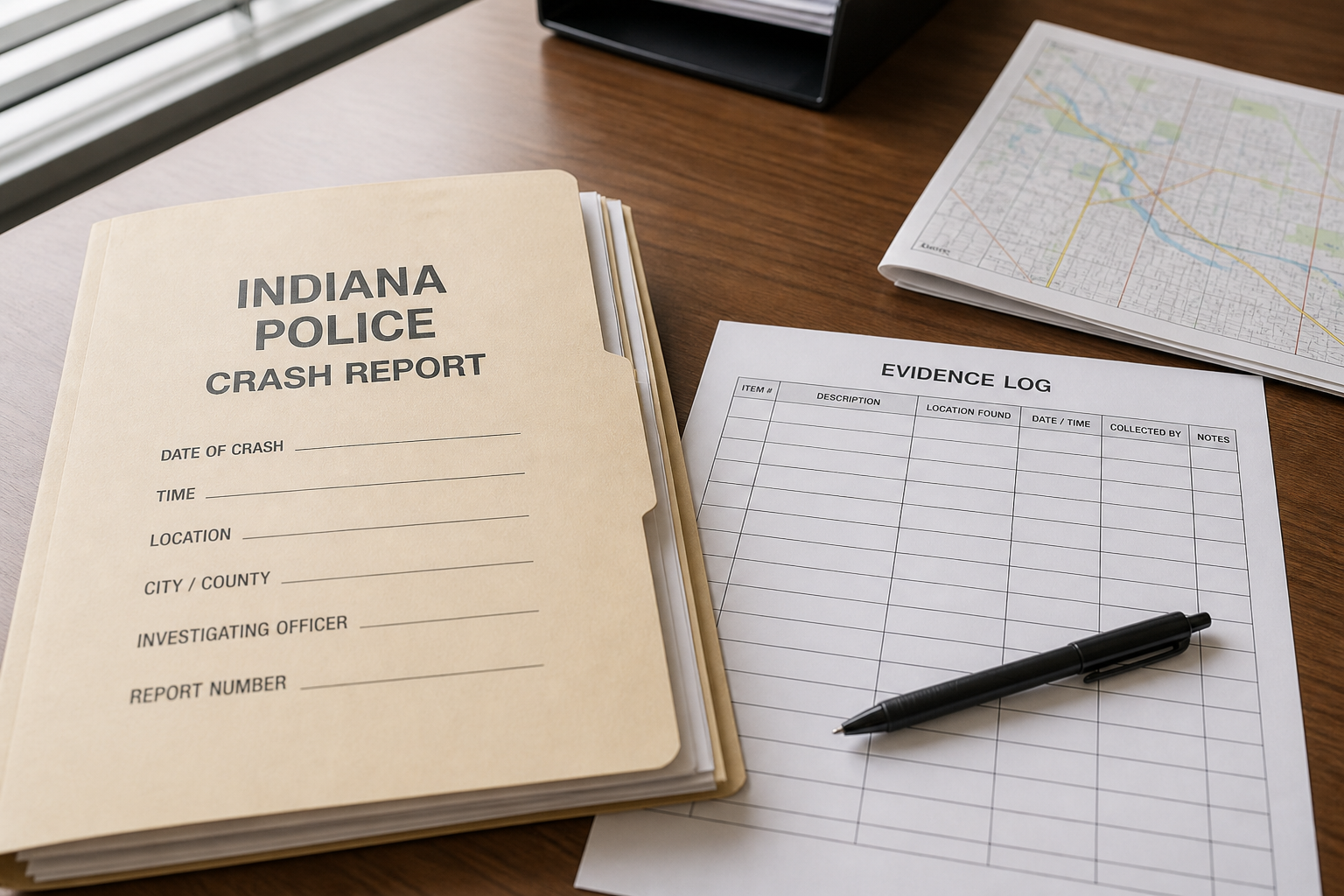
When your family loses someone in a motorcycle crash, questions about what happened and what to do next can be difficult to face while you are grieving. You can let the official investigation proceed while keeping your own record. Note which agencies responded, ask how to obtain the completed crash report, and identify any witnesses, nearby businesses, or traffic cameras that may have captured the area.
Physical evidence can change or disappear quickly. The motorcycle's condition, the position and design of the guardrail, pavement marks, lighting, lane markings, and roadway conditions may all help explain how a crash unfolded. Families can request that the motorcycle and other available evidence be preserved. The firm's guide to preserving evidence during the first 72 hours after a crash explains why early documentation matters.
You can also request the investigating agency's records when they become available. This guide explains how to obtain an Indiana crash report and what information you may need to make the request.
A single-vehicle crash does not always end the inquiry. Depending on the evidence, investigators may consider whether an unidentified vehicle, a roadway or guardrail condition, or a mechanical failure played a role. None of those factors has been established in this incident, but preserving evidence allows those questions to be examined rather than guessed at.
Review the rider's motorcycle and auto insurance policies before resolving any claim. Uninsured or underinsured motorist coverage may become important if evidence later shows that a phantom or fleeing vehicle contributed to the crash. Policy language, notice requirements, and available proof matter. You can read more about uninsured and underinsured motorist claims.
Be careful with early insurance conversations. An insurer may request a recorded statement, a medical authorization, or a quick settlement before the investigation is complete. You do not have to guess about facts you do not know, and you should understand the available evidence and coverage before signing a release. This plain-language guide discusses what to consider when an insurance adjuster requests a recorded statement or medical release.
Why this Fort Wayne location matters
The draft's cited reporting indicates that West Jefferson Boulevard at Catalpa Street has seen three motorcycle crashes in about two months: a critical-injury crash in mid-July, a life-threatening crash at the start of August, and this fatal crash. Each event must be evaluated on its own facts. The reported pattern nevertheless makes it reasonable to examine whether something about this stretch of road, the intersection, or traffic movement warrants closer attention.
On an urban arterial such as West Jefferson Boulevard, sightlines, roadway curvature, lane markings, guardrail placement, lighting, and pavement condition may affect how a crash unfolds. A cluster of crashes does not prove that the roadway was defective or that a public entity was responsible. Any such claim would depend on specific evidence and can be hotly contested.
Location also determines which agencies investigate and maintain records. This crash occurred on a Fort Wayne street in Allen County, so the Fort Wayne Police Department and Allen County Coroner's Office have relevant responsibilities. Prompt record requests can help preserve a complete paper trail.
If evidence raises a question about a city, county, or state roadway, special notice rules may apply. Government-related injury claims can involve deadlines shorter than the ordinary filing period. The firm's guide to claims involving an Indiana government entity explains why prompt review matters.
The calendar matters even while an investigation remains open. Indiana's deadline for filing a wrongful-death claim is generally two years from the date of death, according to the draft. A family should not assume that an ongoing police investigation pauses that period or any shorter notice requirement.
How Delventhal Law Office can help
If your family has lost someone in a motorcycle crash in Fort Wayne or Allen County, Delventhal Law Office can review what happened, preserve available evidence, examine whether another vehicle or roadway condition may have contributed, and identify potentially available insurance coverage. These cases are often aggressively defended, especially when the first report describes a single-vehicle crash.
Chad Delventhal helps injured riders and grieving families across northeast Indiana understand their options without promising a particular result. A Fort Wayne motorcycle accident attorney can examine the police investigation, physical evidence, insurance policies, and any potential wrongful-death issues. Families can also request a free case evaluation to discuss their circumstances.
This post is based on public reporting, the investigation may be ongoing, and nothing here is legal advice or creates an attorney-client relationship.