That is why Delventhal Law Office talks so much about finding what others miss. A strong Indiana car accident case is not built from one police report and a stack of medical bills. It is built from the facts that disappear first and the coverage details most people do not know to look for. You can use our Indiana car accident settlement calculator to organize the factors that may affect a claim’s value; it is an educational tool, not a promise of any result.
Why the First 72 Hours Matter More Than People Think
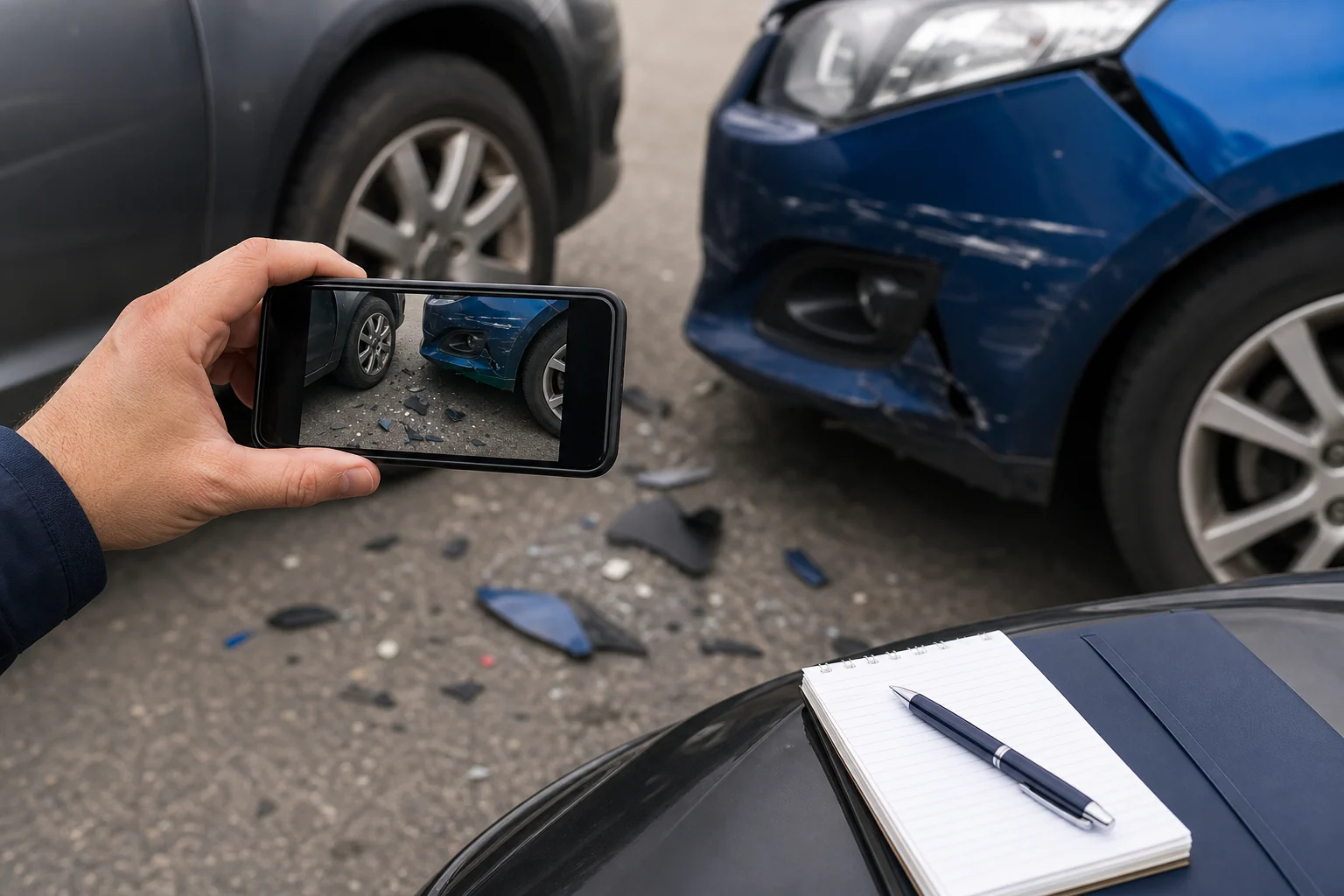
Most people assume the evidence will still be there later. It usually will not. The at-fault driver's carrier may inspect their insured's vehicle quickly. Your vehicle may be repaired, totaled, auctioned, or moved to a storage lot. A nearby gas station camera may overwrite video after a few days. A witness who gave a short statement to police may remember less by the time the insurer calls.
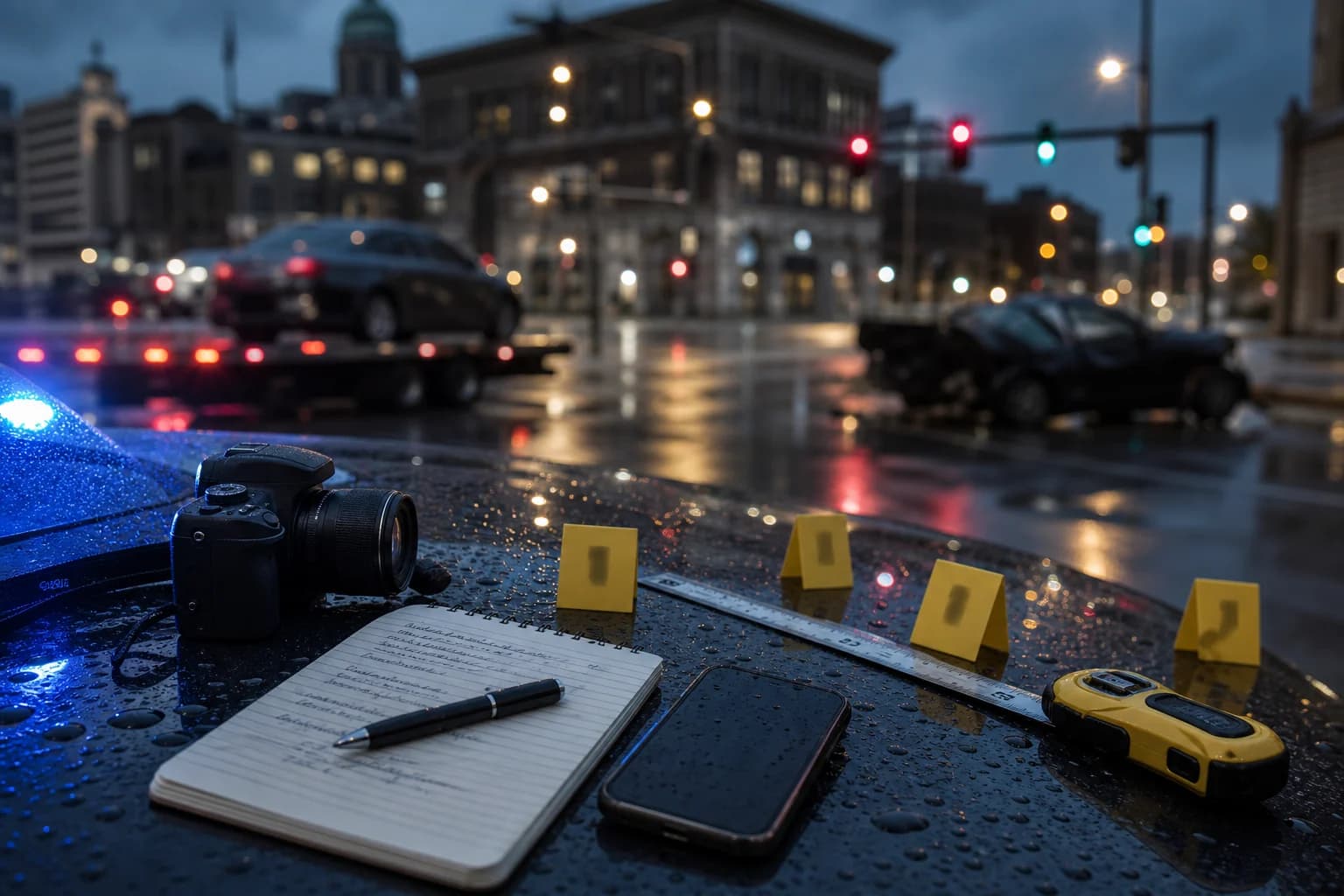
The Indiana officer's crash report matters, but it is not the whole case. Indiana crash reports are important starting points, and drivers can often obtain reports through official channels such as CrashDocs Indiana[3]. But officers usually arrive after the collision. They may not interview every witness, identify every camera, measure every debris field, or know whether a commercial driver was on the clock. A lawyer's job is to treat the report as a lead, not a verdict.
The first 72 hours are also when injured people make mistakes because they are trying to be cooperative. They give recorded statements before they understand their injuries. They sign broad medical authorizations. They say “I'm okay” because adrenaline is still running. They accept the adjuster's framing of the crash. None of that means the case is ruined, but it can make the case harder than it needed to be.
Hour 0 to 24: Safety, Medical Care, and Basic Proof
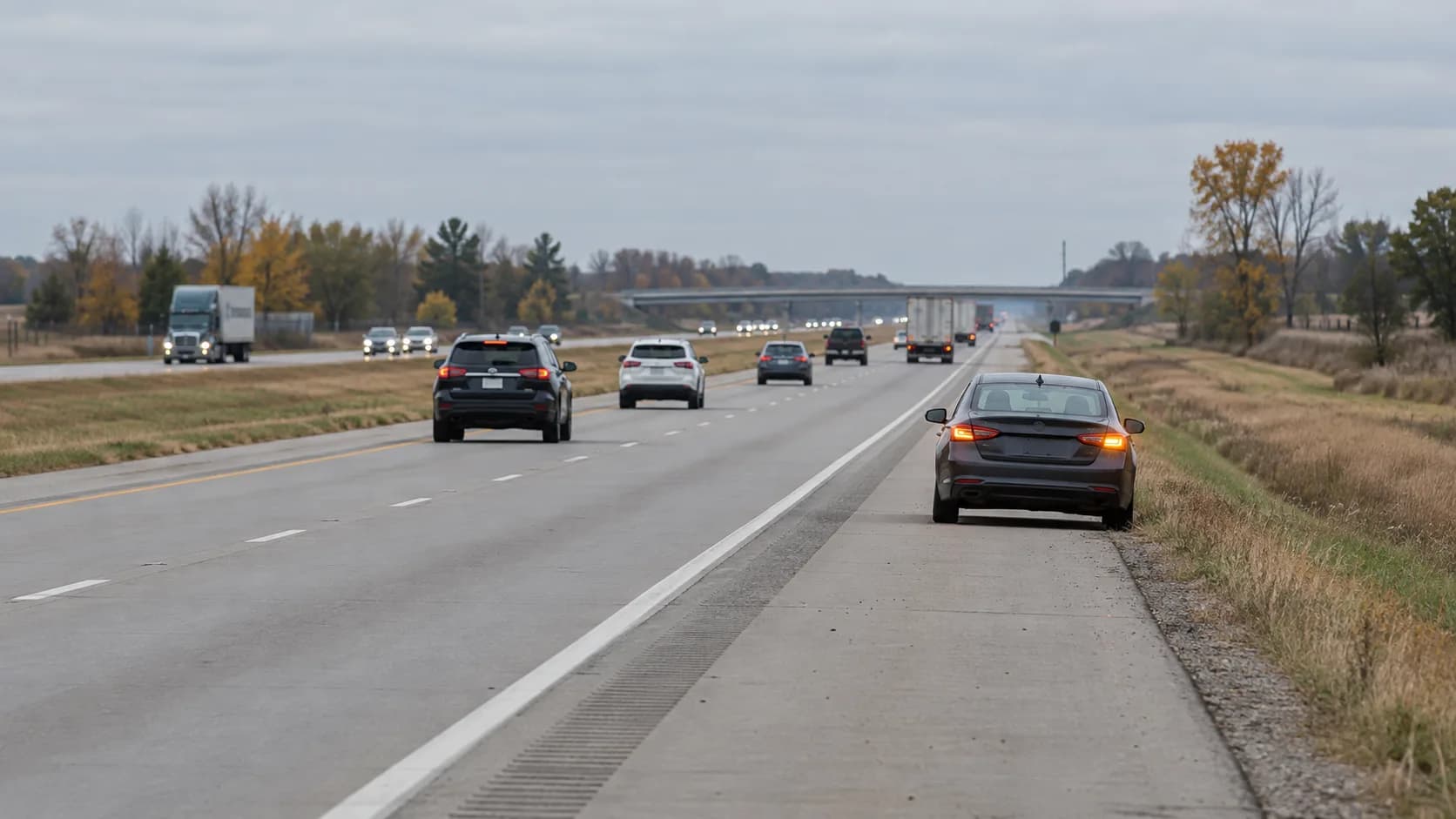
The first day is about safety and documentation. Call 911, get medical care, and follow medical advice. If you can safely take photos, photograph the vehicles before they move, the full intersection or roadway, debris, skid marks, traffic signals, weather, lighting, license plates, insurance cards, and visible injuries. If you cannot do it, ask someone you trust.
Medical care matters for your health first. It also matters because insurers attack treatment gaps. If you are hurt, get checked out. Symptoms from neck, back, concussion, shoulder, knee, or internal injuries can worsen after the initial adrenaline fades. The National Institute of Neurological Disorders and Stroke notes that concussion symptoms can be physical, cognitive, emotional, and sleep-related, and may develop or change over time. See the NINDS traumatic brain injury information page[4].
Do not guess about fault at the scene. Give accurate facts to the responding officer, but avoid legal conclusions like “it was my fault” or “I should have seen them.” Indiana uses modified comparative fault, meaning a percentage of fault can reduce or bar recovery under Indiana Code Chapter 34-51-2[5]. Early words can become later arguments.
Hour 24 to 48: Cameras, Witnesses, and Vehicle Evidence
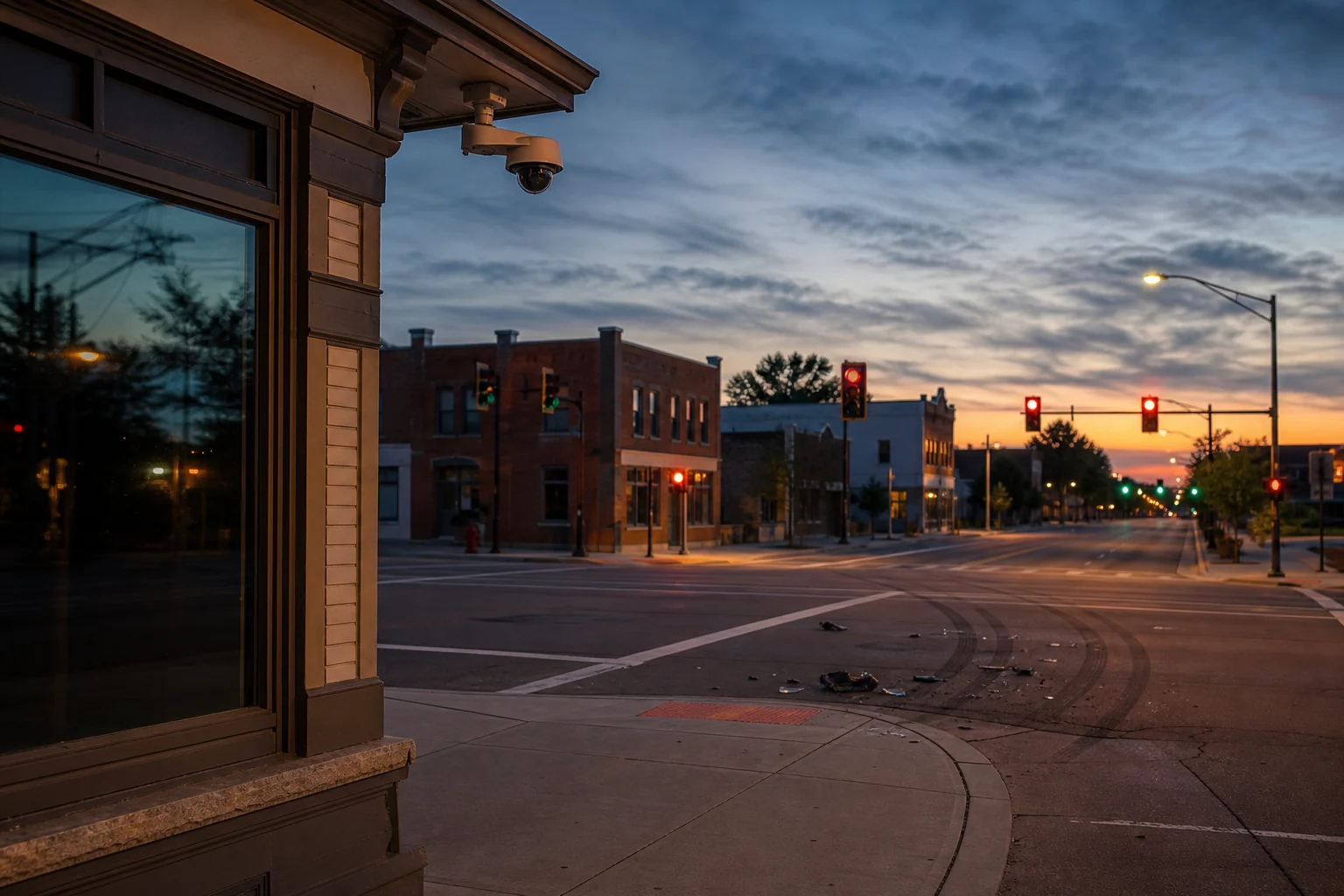
The second day is when hidden evidence starts to matter. Look around the crash location. Were there gas stations, restaurants, banks, apartment buildings, schools, city buildings, or homes with doorbell cameras? Did any commercial trucks or delivery vehicles pass through the intersection? Were there traffic cameras, security cameras, dashcams, or body cameras?
Businesses often do not preserve video unless someone asks. Some systems overwrite quickly. That is why a preservation letter matters. The letter should identify the crash, the date, the location, and the type of footage or data that must be preserved. In commercial-vehicle cases, that can also include dashcam footage, driver logs, event-data-recorder information, dispatch records, maintenance records, and phone-use evidence.
Witnesses matter because police reports do not always capture the full story. A listed witness may have seen the moment of impact. An unlisted witness may have seen the defendant on the phone, speeding, running the light, drifting over the center line, or apologizing afterward. The difference between “unclear fault” and “carrier accepts liability” can be one person who was never called.
Hour 48 to 72: Insurance Coverage and Adjuster Pressure

By the third day, the insurance machinery is already moving. The at-fault carrier may call for a recorded statement. Your own insurer may request details. A property-damage adjuster may push to move the vehicle. Medical bills may not exist yet, but the claim file is being framed.
You should notify your own insurer, but you do not have to give the at-fault driver's insurer a recorded statement before getting advice. Be careful with medical authorizations that let the other side pull broad medical history. Adjusters often look for old back pain, prior chiropractic visits, pre-existing conditions, missed appointments, or anything else they can use to discount the claim.
Coverage is where many cases are won or lost. Indiana requires minimum auto liability coverage, but minimum coverage may not be enough for a serious injury. Uninsured and underinsured motorist coverage can matter when the at-fault driver has no insurance or too little insurance. Indiana's uninsured/underinsured motorist statute is found at Indiana Code § 27-7-5-2[6]. We routinely look for household policies, commercial policies, umbrella coverage, MedPay, and other sources that a quick adjuster call may not reveal.
The Evidence Checklist We Want Clients to Save
If you are physically able, save these items in one folder on your phone or computer:
- Photos of all vehicles from every angle before repairs or disposal.
- Close-ups and wide shots of the roadway, intersection, shoulder, traffic signals, signs, lane markings, weather, and lighting.
- Photos of debris, skid marks, fluid trails, damaged guardrails, broken glass, and final resting positions.
- Names, phone numbers, and short notes for every witness.
- The responding agency, officer name if known, report number, and crash location.
- All insurance cards, claim numbers, adjuster names, emails, and phone numbers.
- Medical discharge papers, appointment summaries, prescriptions, work restrictions, and referral orders.
- Photos of visible injuries over time, not just on day one.
- Texts, voicemails, letters, and emails from any insurance company.
- Receipts for towing, storage, rental car, medications, braces, mileage, and out-of-pocket expenses.
Do not post about the crash on social media. Do not delete anything either. Just stop posting and save what exists. Insurers look for posts they can twist into “not that hurt” or “inconsistent with the claim.” A normal photo at a birthday party can become an exhibit if the carrier wants it badly enough.
What Delventhal Law Office Looks for That Others Miss
Every case is different, but the missed items tend to fall into patterns. The police report may list one insurance policy, while the real coverage picture includes household UIM, employer coverage, a commercial policy, or an umbrella. The crash may look like a simple rear-end collision, while the medical records show a disc injury, concussion symptoms, or aggravation of a prior condition. The carrier may call it “minor damage,” while the photos, repair estimate, and medical timeline tell a different story.
We also look for case-specific leverage. Was the defendant working? Was the vehicle owned by a company? Was the driver distracted? Was there a bar or restaurant alcohol-service issue in a drunk-driving crash? Did a government vehicle trigger Tort Claims Act notice? Was a child injured, requiring court approval of settlement? Did Medicare, Medicaid, ERISA, or health insurance liens need to be handled correctly so the client keeps more of the recovery?
That is the work behind the tagline. We find what others miss because missed facts cost money. Sometimes they cost the entire case.
When the Other Vehicle Was a Commercial Truck or Work Vehicle
Commercial cases deserve extra urgency. A semi-truck, delivery van, construction truck, rideshare vehicle, company car, or work van can change the case immediately. The defendant may have a larger commercial policy, employer liability, federal or state safety records, driver logs, maintenance records, and electronic data that ordinary passenger-vehicle cases do not have.
For interstate trucking, federal safety rules can matter. The Federal Motor Carrier Safety Administration publishes regulations and safety information for commercial carriers, including hours-of-service and carrier responsibilities. See the FMCSA regulations page[7]. If your crash involved a semi or commercial vehicle, the preservation letter should go out quickly.
For more on that issue, see our Fort Wayne truck accident attorney page and our related article on semi crashes on US-30 and US-24 near Fort Wayne.
When to Call a Lawyer

You do not need a lawyer for every fender-bender. If there is no injury, no missed work, no dispute, and no meaningful medical treatment, you may be able to handle the property-damage piece yourself.
You should talk to a lawyer quickly if any of these are true:
- You went to the ER, urgent care, or a doctor after the crash.
- You have neck pain, back pain, concussion symptoms, numbness, tingling, headaches, shoulder pain, knee pain, or worsening symptoms.
- The other driver disputes fault or the police report is wrong/incomplete.
- A commercial vehicle, government vehicle, drunk driver, uninsured driver, or hit-and-run was involved.
- The adjuster wants a recorded statement or broad medical authorization.
- Your vehicle was totaled or the damage photos do not match how badly you feel.
- You are missing work or may need restrictions.
- The injured person is a child, elderly family member, or someone with a prior condition the insurer may blame.
If the crash was in Fort Wayne, Allen County, Auburn, Columbia City, Huntington, South Bend, Indianapolis, or anywhere in Indiana, Delventhal Law Office can help you understand what to preserve and what to avoid. Start with our Fort Wayne car accident attorney page, read about hit-and-run accidents, drunk driver crashes, back and neck injuries, or brain injuries, or use the free case evaluation form.
Frequently Asked Questions About the First 72 Hours After a Crash
Should I give a recorded statement to the other driver's insurance company?
Usually not before getting legal advice. You should cooperate with your own insurer under your policy, but the at-fault carrier is looking for statements it can use to limit or deny the claim.
What if I did not feel hurt until the next day?
That is common. Adrenaline can mask symptoms, and some neck, back, concussion, and soft-tissue injuries worsen over 24 to 72 hours. Get medical care and be honest about when symptoms started and how they changed.
How fast can surveillance video disappear?
It depends on the system. Some businesses retain footage for weeks, others overwrite much sooner. The safest assumption is that useful video can disappear quickly unless someone sends a preservation request.
Do I need the police report before calling a lawyer?
No. The report helps, but a lawyer can start identifying evidence, witnesses, insurance coverage, and deadlines before the report is available.
What if the police report says I was partly at fault?
The report is important, but it is not final. Indiana comparative fault is ultimately a legal/factual issue. Photos, witnesses, vehicle damage, roadway evidence, and video can change the fault analysis.
Bottom Line
The first 72 hours after a Fort Wayne car accident can shape the entire case. You do not have to do everything perfectly. But you should preserve what you can, avoid giving the other side unnecessary ammunition, get medical care, and ask for help before evidence disappears.
At Delventhal Law Office, we do not treat early evidence as an afterthought. We look for the facts, coverage, records, and timelines that others miss — because those details can be the difference between a low offer and a case that is built to win.
Sources
- Indiana Code § 34-11-2-4 (iga.in.gov) ↩
- Indiana Code Chapter 34-13-3 (iga.in.gov) ↩
- CrashDocs Indiana (crashdocs.org) ↩
- NINDS traumatic brain injury information page (ninds.nih.gov) ↩
- Indiana Code Chapter 34-51-2 (iga.in.gov) ↩
- Indiana Code § 27-7-5-2 (iga.in.gov) ↩
- FMCSA regulations page (fmcsa.dot.gov) ↩