Key takeaways
- Truck crashes usually involve more evidence than a typical two-car collision.
- Potential defendants may include the driver, motor carrier, truck owner, trailer owner, maintenance company, shipper, loader, broker, or manufacturer.
- Federal Motor Carrier Safety Regulations can shape the liability investigation.
- Important evidence may include ELD data, ECM data, driver qualification files, inspection reports, maintenance logs, cargo records, dashcam footage, and company safety policies.
- Truck insurers often respond quickly, so preservation letters and early investigation matter.
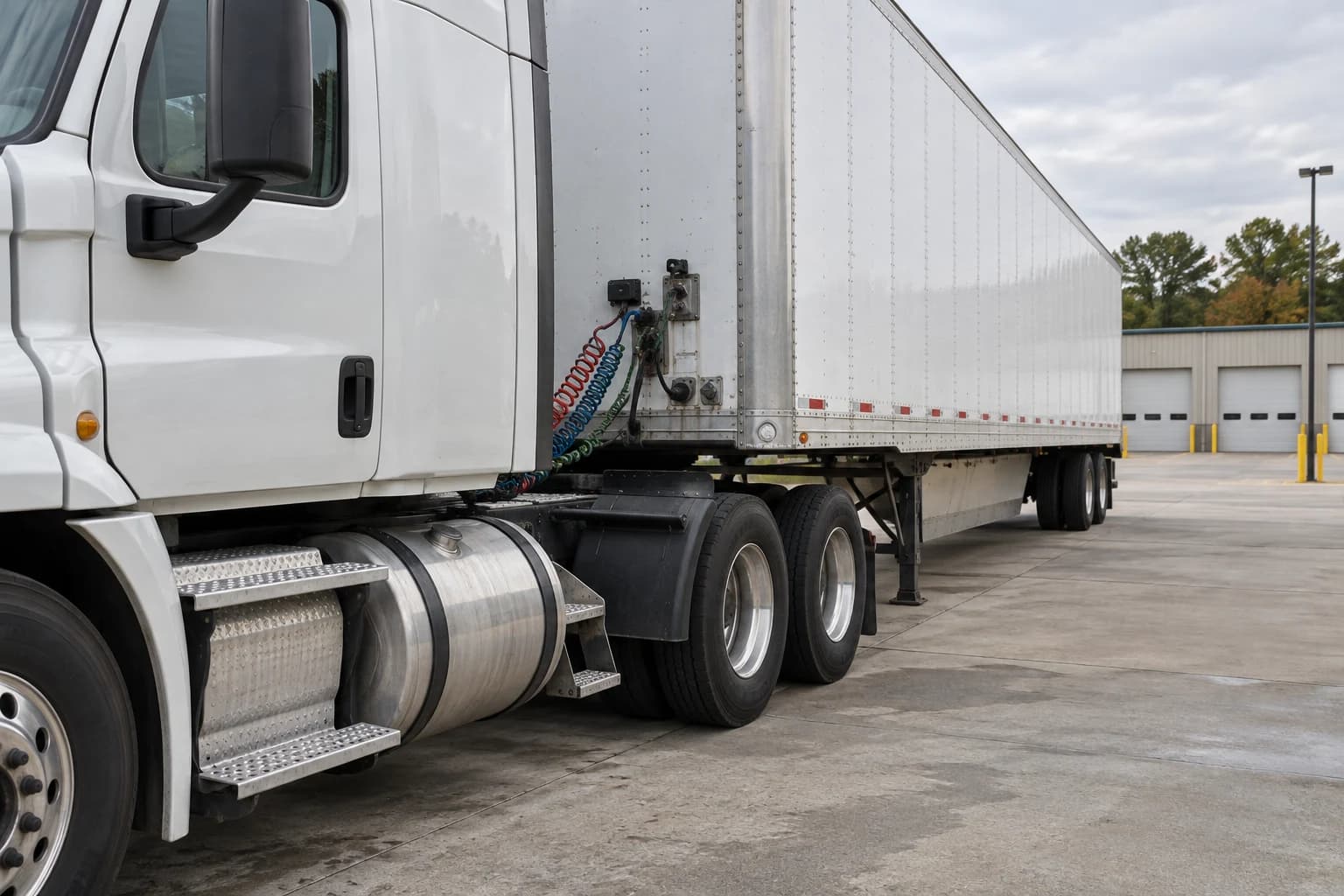
A semi-truck crash is not just a bigger car wreck. The physics are different, the injuries are often more severe, the evidence is more complex, and the companies behind the truck may have legal duties that do not exist in an ordinary passenger-vehicle claim.
That distinction matters because a truck accident case can be weakened if it is handled like a routine car accident. The police report may identify the driver, but it usually will not reveal the full company structure, driver history, maintenance record, electronic data, cargo role, broker involvement, insurance layers, or federal safety issues.
Delventhal Law Office investigates serious truck crashes in Fort Wayne and throughout Indiana. If you were hurt in a semi-truck or commercial vehicle crash, visit our Fort Wayne truck accident attorney page or call (260) 484-6655 for a free consultation.
The injuries and crash forces are often different
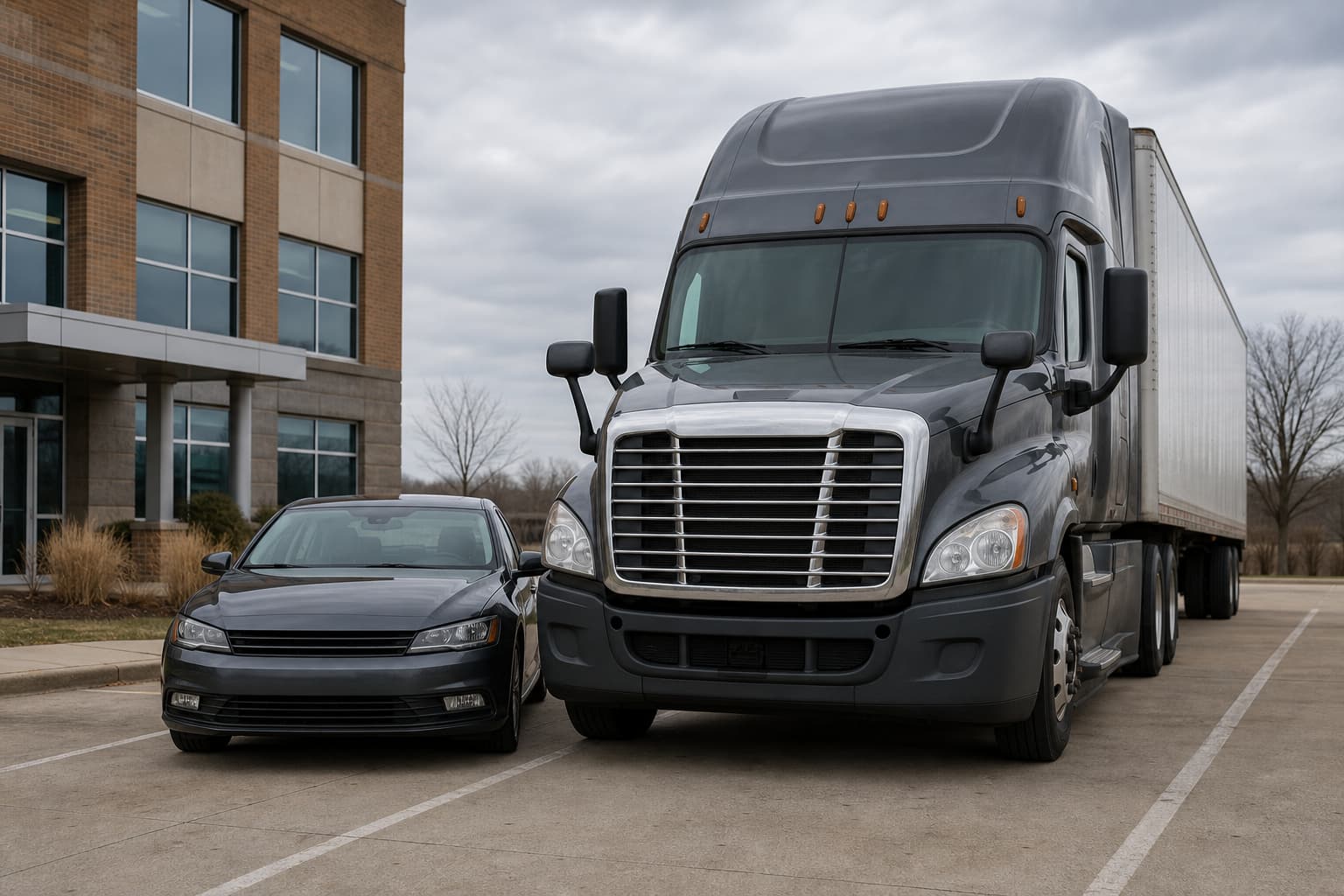
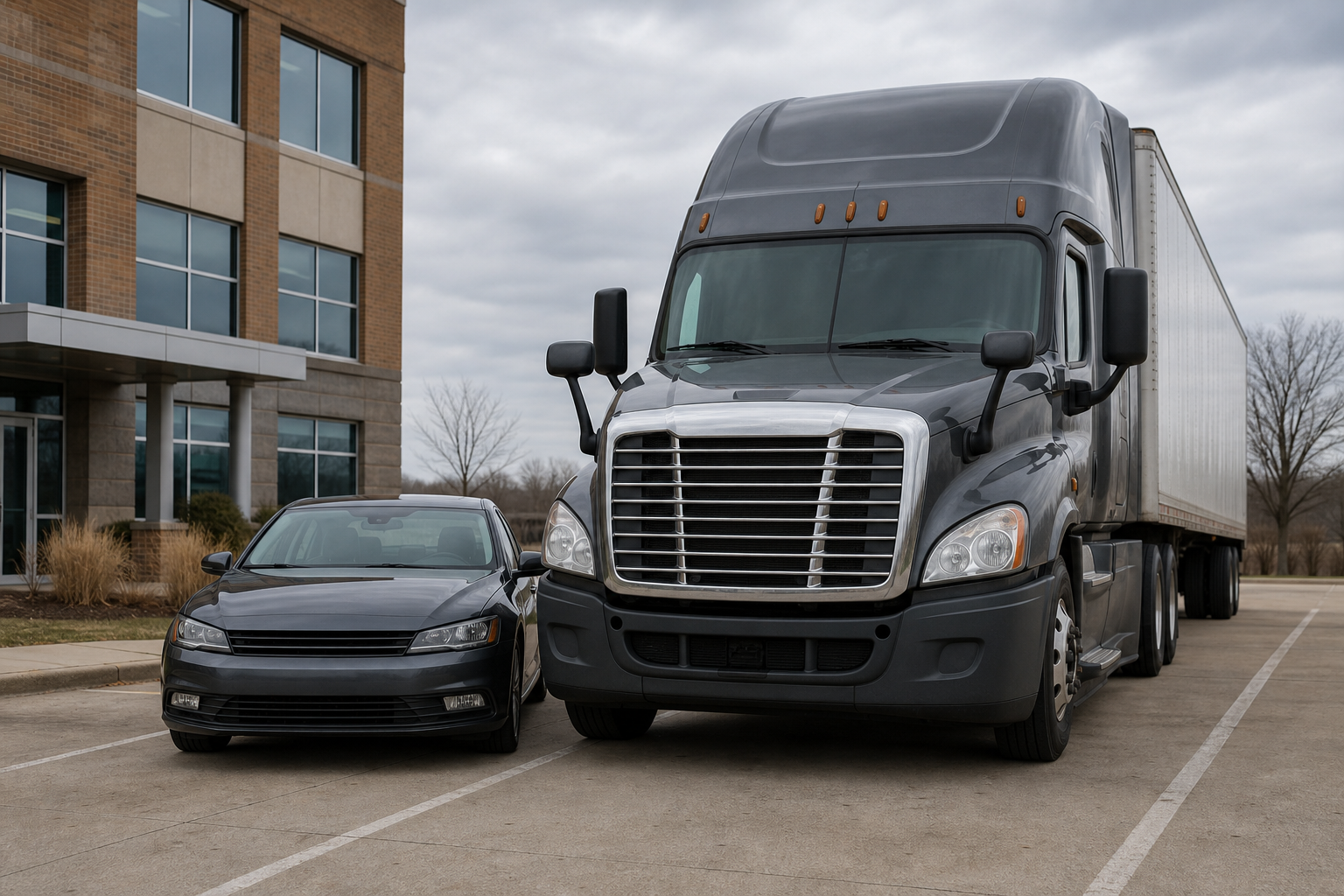
A fully loaded commercial truck can weigh many times more than a passenger vehicle. That size difference affects stopping distance, collision force, underride risk, rollover risk, and the amount of damage caused when a truck strikes a smaller vehicle.
Serious truck crashes may involve traumatic brain injuries, spinal injuries, fractures, surgery, internal injuries, amputations, permanent impairment, or wrongful death. The claim may require treating physicians, specialists, life-care planning, wage-loss proof, future medical analysis, and careful lien work.
Even when liability seems obvious, damages should not be rushed. A fast settlement before the medical picture is stable can leave future treatment, impairment, work restrictions, or long-term care underdeveloped. You can use our Indiana car accident settlement calculator to organize the factors that may affect a claim’s value; it is an educational tool, not a promise of any result.
Truck cases involve federal and company safety rules
Commercial motor carriers and drivers operate under federal safety regulations. Those rules may address driver conduct, company duties, hours of service, vehicle inspection, maintenance, cargo securement, driver qualifications, and more.
For example, 49 C.F.R. § 390.11[1] requires a motor carrier to require observance of driver regulations when a duty is prescribed for a driver.[1] That matters because a trucking company cannot always separate itself from driver-safety obligations.
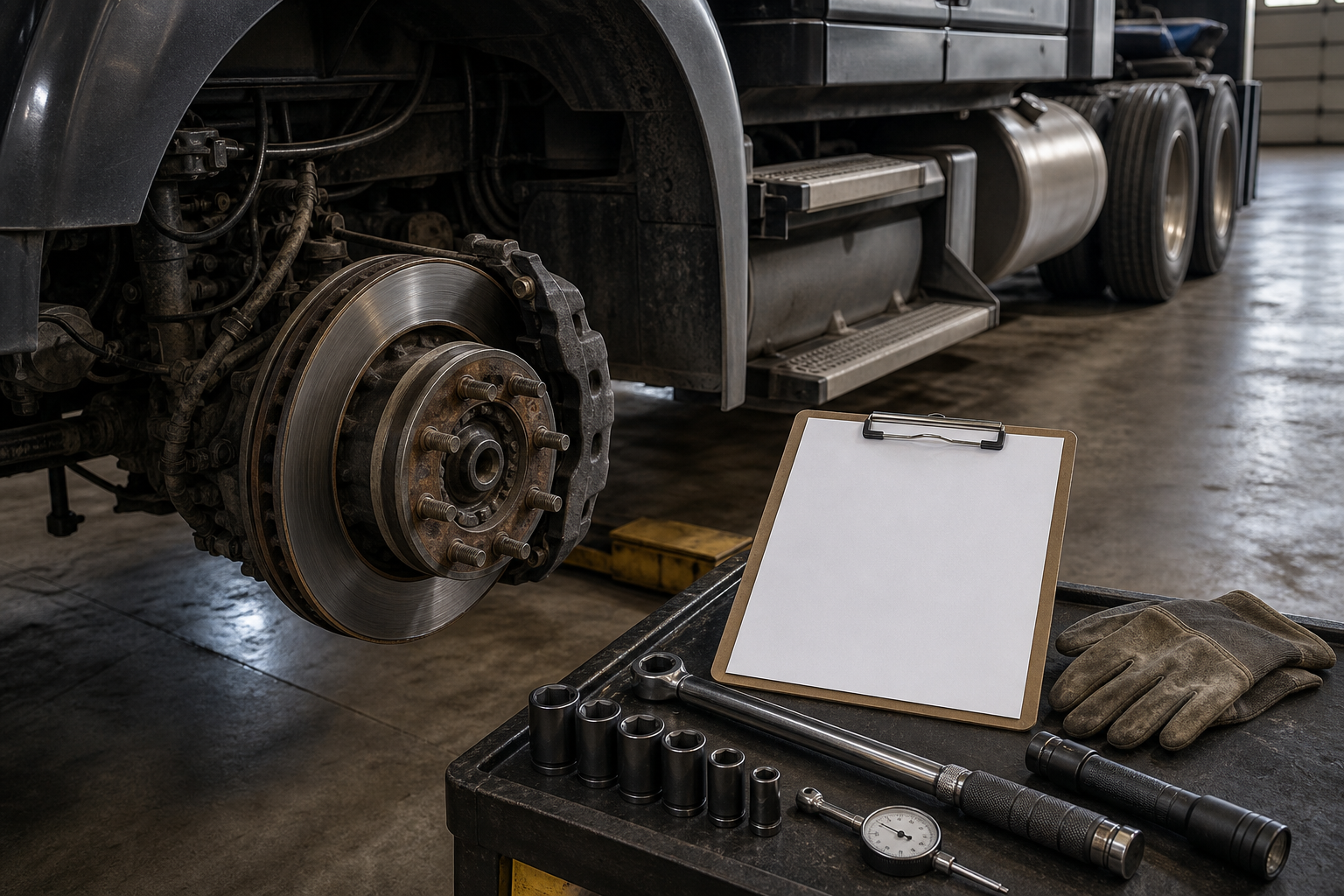
Maintenance rules can also matter. 49 C.F.R. § 396.3[2] addresses inspection, repair, and maintenance duties for motor carriers.[2] In a serious crash, maintenance history may be just as important as what the driver did in the final seconds.
There may be more responsible parties
In a normal car accident, the claim may focus on one driver and one insurer. In a truck accident, the responsible parties may include more than the person behind the wheel.
Depending on the facts, the investigation may include:
- The truck driver.
- The motor carrier or trucking company.
- The truck owner or trailer owner.
- A leasing company.
- A maintenance contractor or repair shop.
- A shipper, loader, warehouse, or cargo company.
- A broker or logistics company.
- A manufacturer of a defective truck, trailer, tire, brake, guard, or component.
- Another driver who contributed to the crash.
For a deeper breakdown, read Who Is Legally Responsible in an Indiana Truck Accident?
The evidence is more complicated and easier to lose
Truck accident evidence can disappear quickly. Trucks are repaired. Trailers return to service. Electronic data may be overwritten. Drivers move on. Dispatch messages and camera footage may not be kept forever. Maintenance systems may update after repairs.
Important evidence may include:
- ECM, ELD, GPS, dashcam, and fleet telematics data.
- Driver qualification files and training records.
- Hours-of-service logs and dispatch communications.
- Driver vehicle inspection reports.
- Maintenance logs, repair invoices, inspection records, and out-of-service history.
- Cargo records, bills of lading, weight tickets, and loading documents.
- Company safety policies, prior incidents, and preventability reviews.
- Insurance policies, lease agreements, broker agreements, and ownership records.
- Photos, scene measurements, witness statements, and crash reconstruction evidence.

Electronic data can change the case
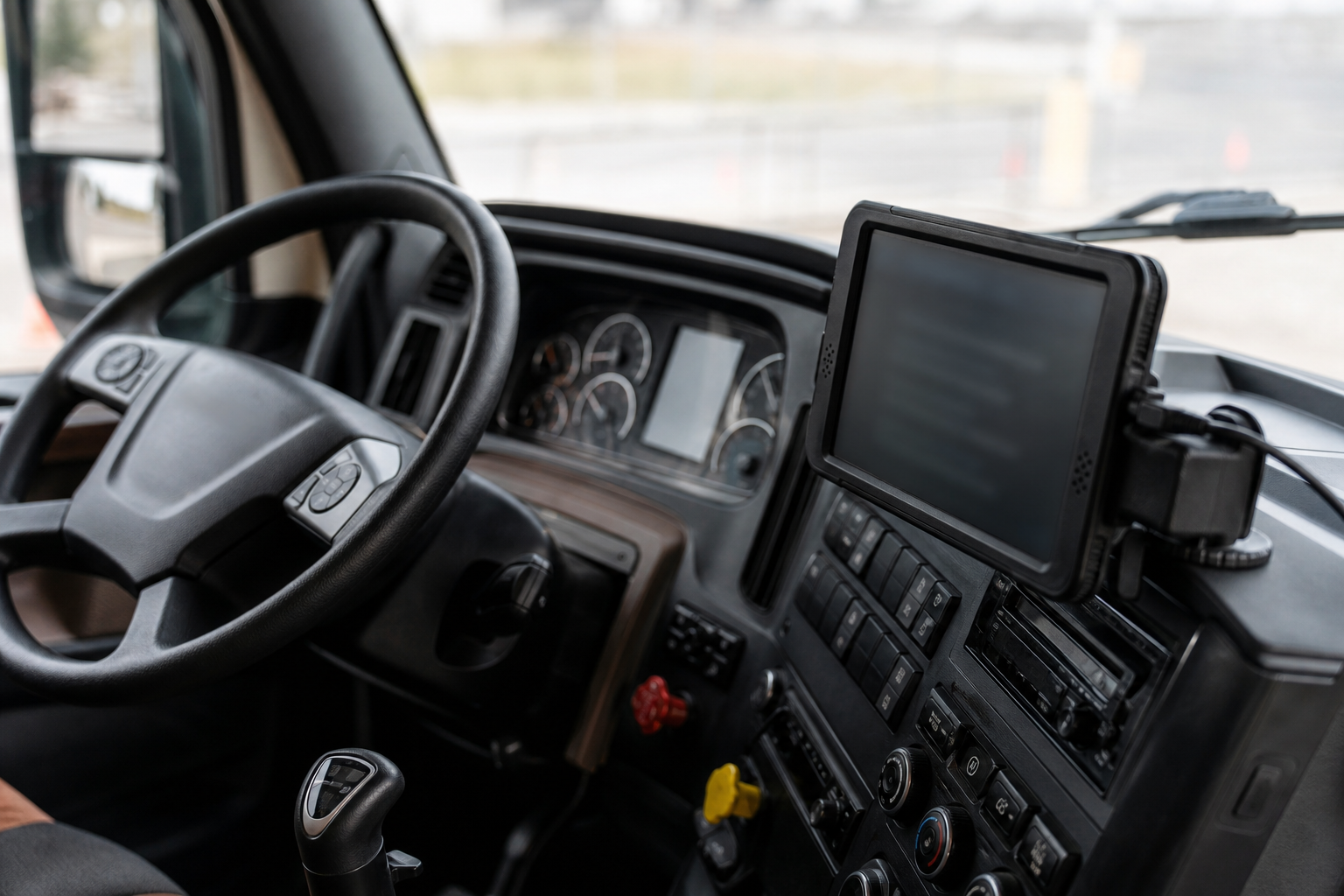
Modern trucks and fleets may create electronic evidence that does not exist in a typical car crash. That data can show speed, braking, route, location, hours, engine activity, hard braking, sudden deceleration, or driver behavior. It may also show whether the company was pushing a schedule that encouraged unsafe driving.
Electronic logging device records can be especially important in fatigue cases. DLO’s article on Hours-of-Service Violations and Fatigued Truck Driving in Indiana explains how fatigue and log evidence can become central to a serious truck claim.
Truck maintenance and inspection history may matter
Maintenance issues can turn a truck case into a company-safety case. Brake problems, tire defects, lighting issues, mirror defects, rear guard damage, trailer problems, and ignored inspection reports may all change the liability analysis.
If the company knew or should have known about unsafe equipment and kept the truck on the road, the case is no longer just about the crash itself. It becomes about the decisions that allowed unsafe equipment to reach the roadway.
For more, see Why Truck Maintenance Logs Matter After an Indiana Semi-Truck Crash and Truck Brake Failures in Indiana: Who Is Responsible?
Cargo and trailer issues can add another layer
Passenger car cases usually do not involve cargo loading, trailer ownership, shipping documents, or weight tickets. Truck cases often do. Overloaded cargo, shifting cargo, poor securement, or a lost load can affect braking, stability, rollover risk, and crash causation.
Those issues may bring additional companies into the investigation, including shippers, loaders, warehouses, brokers, and trailer owners. DLO’s article on Improper Cargo Loading and Lost-Load Truck Accidents in Indiana explains this evidence category in more detail.
Insurance coverage may be more layered
Truck cases may involve higher limits, layered coverage, multiple insurers, self-insured companies, separate tractor and trailer policies, cargo-related policies, broker policies, or disputed coverage between companies. The insurance analysis can take longer than in a typical car claim.
That does not mean the insurance company will be fair. Trucking insurers and defense teams often respond quickly after serious crashes. They may inspect the scene, download data, photograph vehicles, interview witnesses, and shape the early narrative before the injured person understands what evidence exists.

The crash mechanism may be different
Semi-truck crashes often involve mechanisms that are less common in ordinary car cases: underride, override, jackknife, rollover, wide-turn squeeze, no-zone sideswipe, brake failure, tire failure, cargo shift, lost load, or multi-vehicle highway impact.
Those mechanisms require different evidence and often expert analysis. For related truck-crash topics, see:
- Underride Truck Accidents in Indiana: Why They Are So Dangerous
- Truck Blind Spots and No-Zone Accidents in Indiana
- Negligent Hiring and Training in Indiana Truck Accident Cases

What should you do after an Indiana truck accident?
- Get medical care and follow recommended treatment.
- Photograph the vehicles, company markings, trailer, plates, roadway, debris, skid marks, injuries, and damage if safe.
- Get witness information and look for nearby camera sources.
- Do not assume the police report captures all responsible parties.
- Do not give a recorded statement to the trucking insurer without legal advice.
- Keep medical bills, wage records, repair records, letters, and all insurance communications.
- Contact a truck accident lawyer quickly so preservation letters can be sent before evidence disappears.
How long do you have to act?
Indiana’s general personal injury statute of limitations is often two years under Indiana Code § 34-11-2-4[3].[4] But truck evidence should be preserved much sooner. Electronic data, dashcam footage, inspection records, and vehicle condition evidence can change quickly.
If a government vehicle or public entity is involved, shorter notice rules may apply. Early investigation is especially important in catastrophic injury and wrongful death truck cases.
Talk to a Fort Wayne truck accident lawyer
If you were hurt in a semi-truck or commercial vehicle crash, the investigation should begin quickly. Truck cases can involve federal rules, company records, electronic data, maintenance issues, cargo records, multiple defendants, and layered insurance.
Delventhal Law Office helps injured people in Fort Wayne and throughout Indiana after serious truck accidents. Call (260) 484-6655 or contact us online for a free consultation.
There is no fee unless we recover for you.
Frequently asked questions
Why are truck accident claims different from car accident claims?
Truck accident claims often involve federal safety rules, trucking-company duties, electronic data, maintenance records, driver qualification files, cargo issues, multiple defendants, and more serious injuries.
Who can be responsible after an Indiana truck accident?
Potentially responsible parties may include the truck driver, trucking company, truck owner, trailer owner, maintenance contractor, shipper, loader, broker, manufacturer, or another driver.
What evidence matters most in a truck accident case?
Important evidence may include ECM data, ELD logs, GPS data, dashcam footage, driver qualification files, maintenance records, inspection reports, cargo records, company safety policies, witness statements, and crash reconstruction evidence.
Is the police report enough for a truck accident claim?
No. A police report is important, but it usually does not contain all trucking-company records, electronic data, maintenance history, driver files, cargo records, or insurance information needed to evaluate a serious truck claim.
Why should evidence be preserved quickly?
Truck evidence can disappear quickly. Vehicles may be repaired, electronic data may be overwritten, dashcam footage may be deleted, and company records may become harder to obtain without prompt preservation demands.
Sources and further reading
[1] Electronic Code of Federal Regulations: 49 C.F.R. § 390.11, motor carrier to require observance of driver regulations[1]
[2] Electronic Code of Federal Regulations: 49 C.F.R. § 396.3, inspection, repair, and maintenance[2]
[3] Federal Motor Carrier Safety Administration: FMCSA Regulations and Interpretations — 49 C.F.R. Parts 300–399[4]
[4] Indiana General Assembly: Indiana Code § 34-11-2-4, injury to person or character[3]