
Key takeaways
- School bus crashes can injure students, bus passengers, pedestrians at stops, and occupants of other vehicles.
- Responsibility may fall on a public school district, a private bus company, the bus driver, or another motorist.
- If a public school corporation is involved, Indiana Tort Claims Act notice deadlines can be much shorter than two years.
- Key evidence includes the crash report, bus camera footage, maintenance and driver records, and witness information.
- Because government-entity deadlines are strict, do not wait to get legal advice.
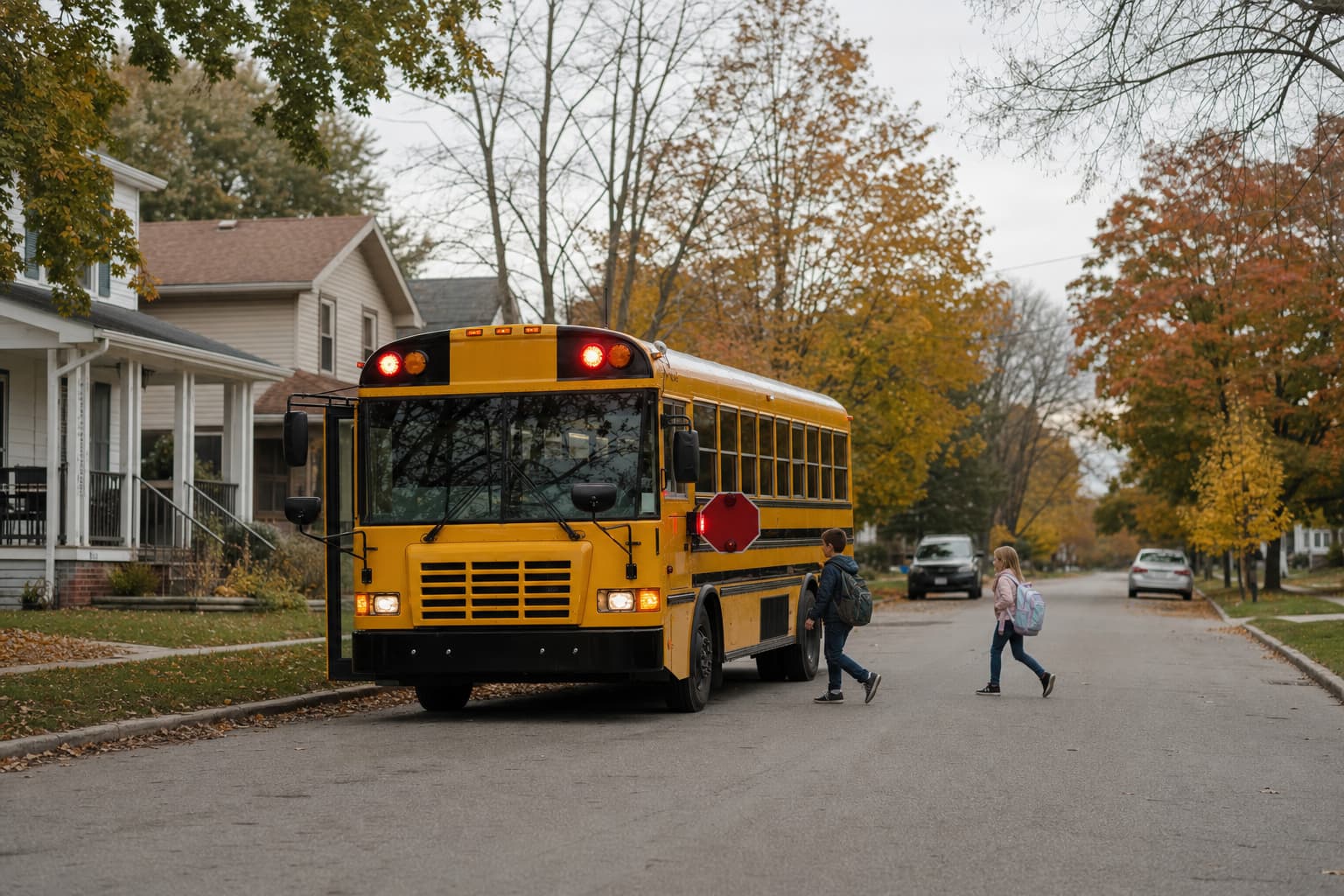
A school bus crash is frightening for everyone involved, especially when children are on board or waiting at a stop. In and around Fort Wayne and Allen County, buses share the road with heavy morning and afternoon traffic, navigate residential neighborhoods, and make frequent stops. When a crash happens, families are often left with injured children, medical questions, and confusion about who is responsible and what to do next.
School bus cases carry an added complication that ordinary car accidents usually do not: a government entity may be involved. That single fact can change the deadlines, the process, and the strategy. This guide explains, in plain language, what to do after a school bus accident in Indiana and why acting quickly matters.
Delventhal Law Office helps injured people and families in Fort Wayne and throughout Indiana. If you or your child was hurt in a school bus crash, call (260) 484-6655 for a free consultation.
First steps after a school bus crash
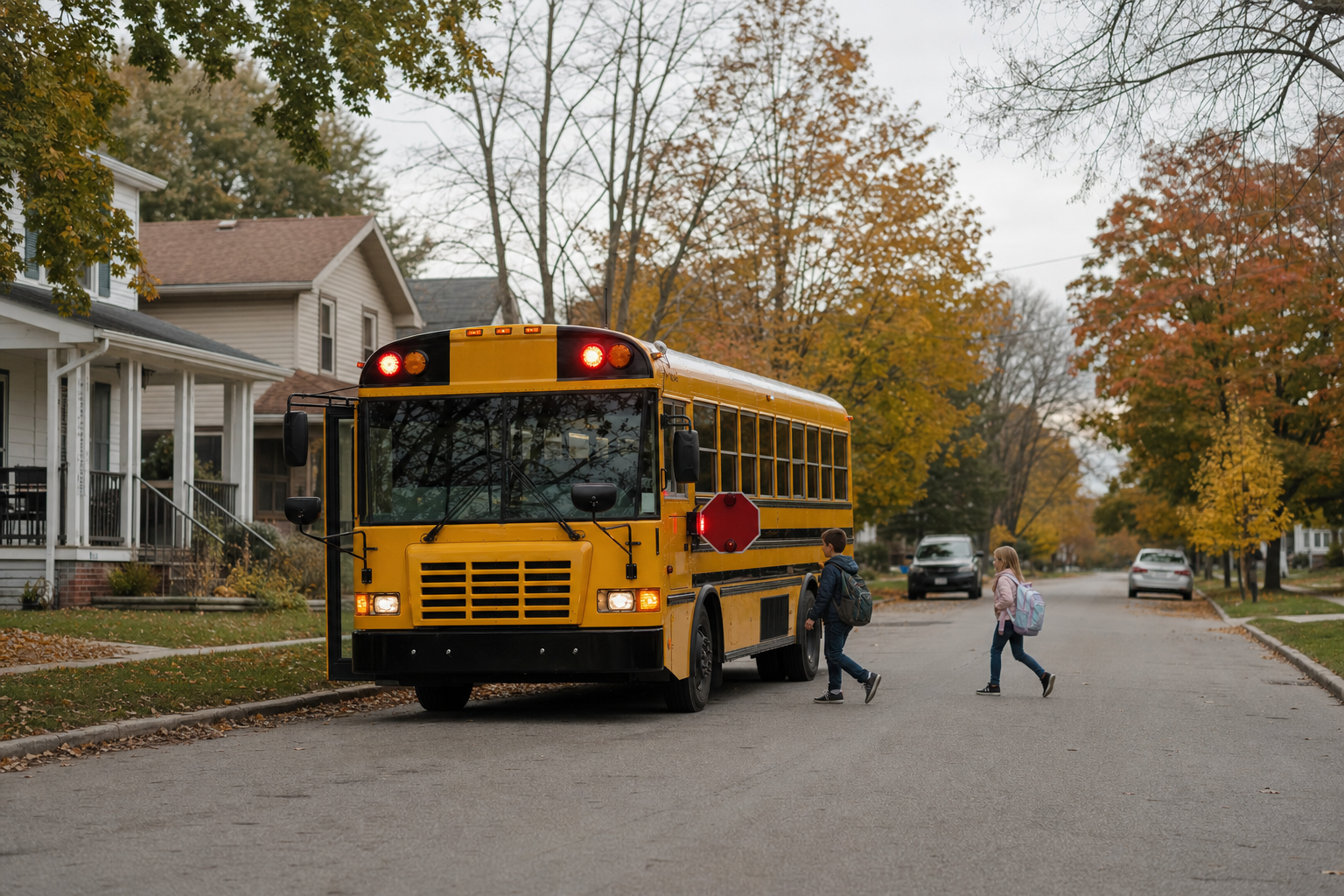
- Make sure everyone is safe and call 911. Report any injuries so emergency responders can help.
- Get medical care right away, and follow up even if injuries seem minor. Children may not clearly describe pain, and some injuries appear later.
- Make sure a police crash report is created, and get the report information.
- Write down the bus number, the school district or bus company name, and the driver's name if available.
- If it is safe, photograph the vehicles, the scene, the bus, license plates, and any visible injuries.
- Get names and contact information for witnesses, including other parents at the stop.
- Note any cameras on the bus, at nearby homes or businesses, or on other vehicles.
- Keep medical records and bills, and avoid giving recorded statements to any insurer before getting advice.
These early steps matter in any crash, but they are especially important here because school bus cases can involve multiple parties and short government deadlines. Our general guide on what to do after an injury accident in Allen County covers additional practical steps that apply to any serious crash.
Who can be injured in a school bus accident
School bus crashes do not only injure the children riding the bus. Depending on the crash, injured people may include:
- Students and other passengers on the bus.
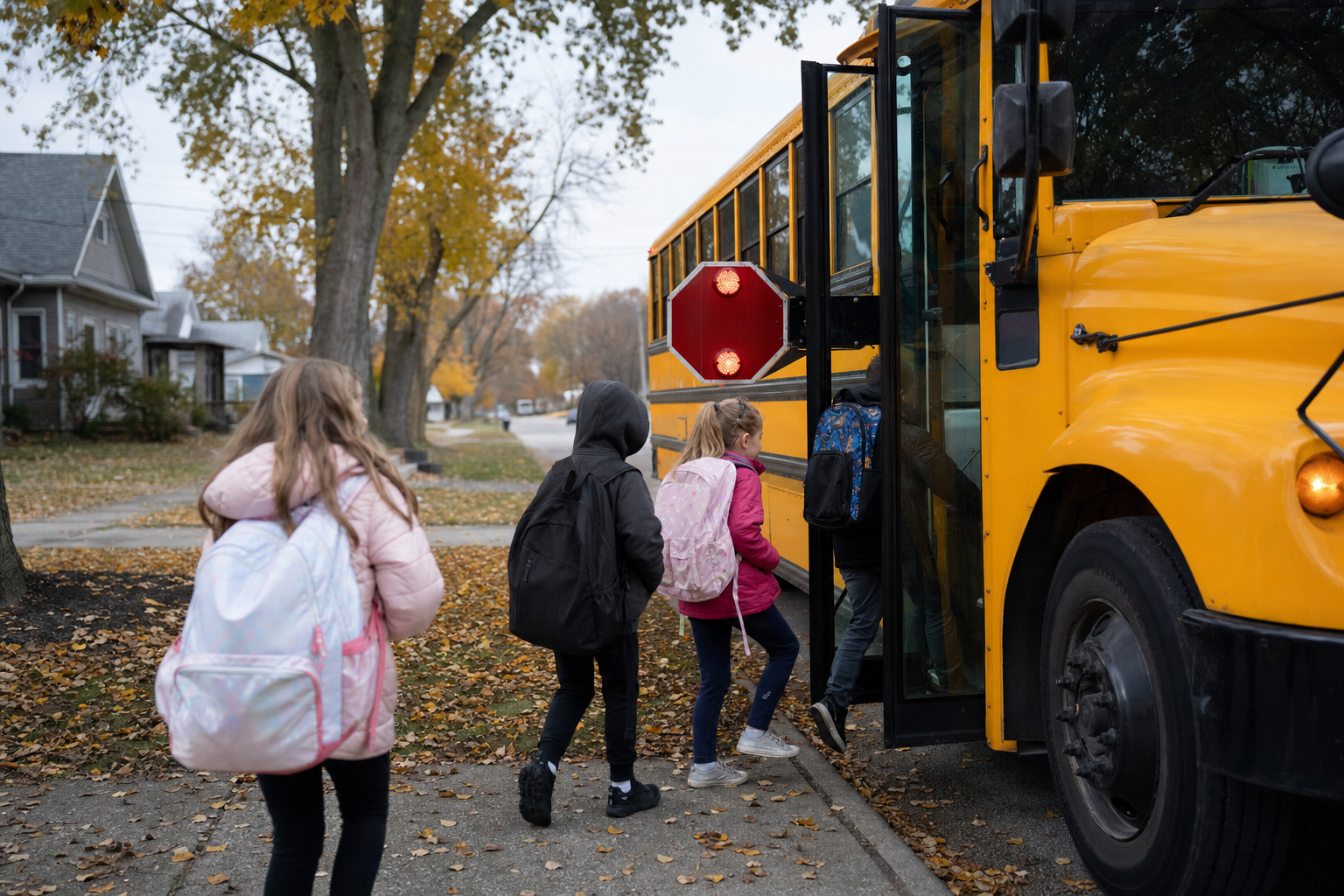
- Children or adults waiting at or walking to and from a bus stop.
- Pedestrians near the bus, especially around loading and unloading.
- Drivers and passengers in other vehicles involved in the crash.
- The bus driver.
Loading and unloading zones deserve special attention. Crashes can happen when other drivers ignore a stopped bus with flashing red lights and an extended stop arm, endangering children crossing the road. These situations can involve serious injuries and clear traffic-law issues.
Who may be responsible
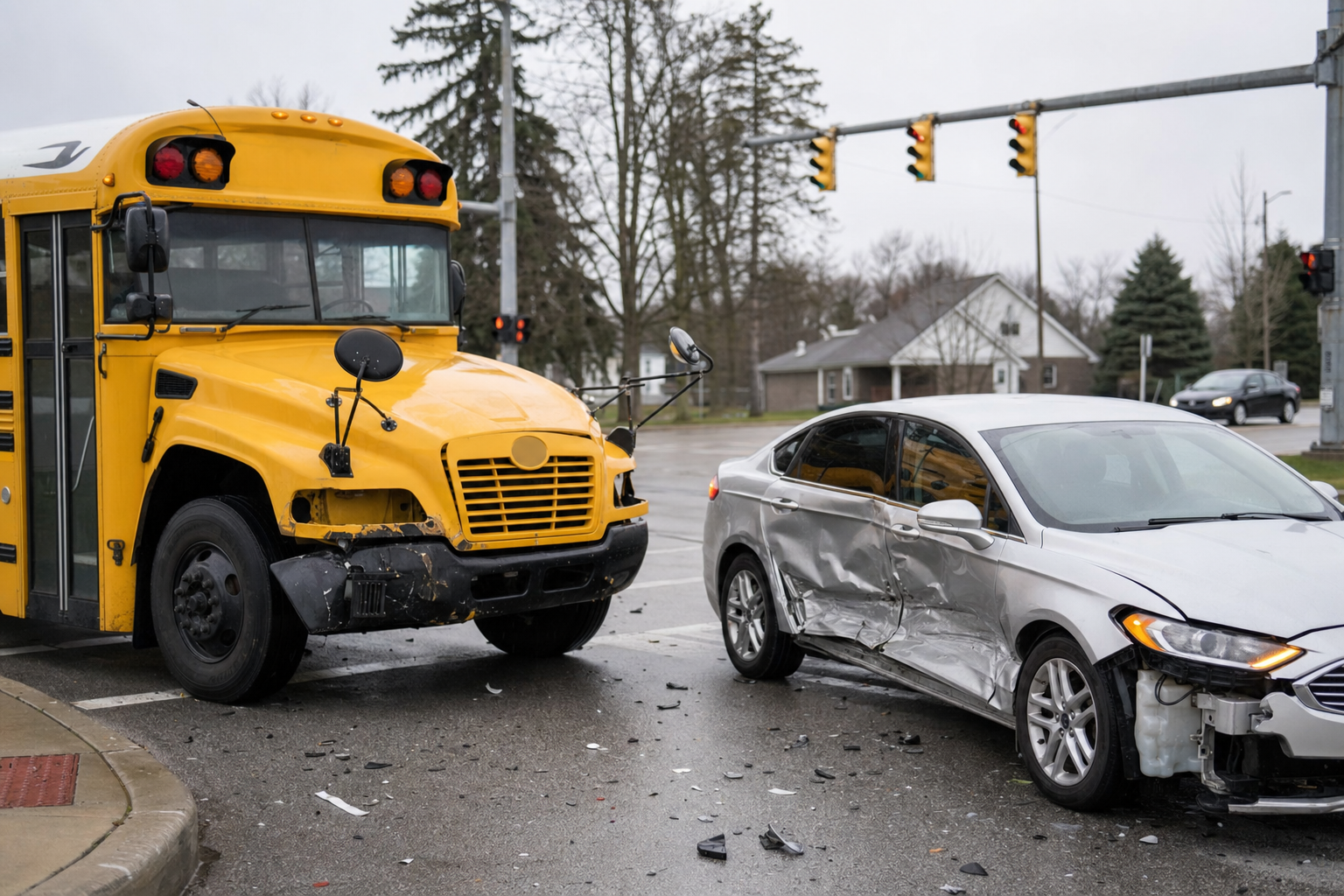
Responsibility in a school bus case depends on how the crash happened and who was at fault. Potentially responsible parties may include:
- A public school district or school corporation, if it operates the bus and its driver or maintenance was at fault. Public school corporations are typically government entities.
- A private bus company or contractor, if the transportation is outsourced to a private operator.
- The bus driver, for unsafe driving.
- Another motorist, who caused or contributed to the crash, including a driver who illegally passed a stopped bus.
- A maintenance vendor, if a mechanical failure was involved.
Whether the bus is operated by a public district or a private contractor is one of the first and most important questions, because it affects the deadlines and the process. Our overview of how multiple parties can be responsible in a commercial-vehicle crash shows how these investigations can involve more than one company, and similar principles can apply when a bus contractor is involved.
Government entities and shorter deadlines
This is the single most important reason not to wait after a school bus crash. When a claim involves a government entity, such as a public school corporation, Indiana's Tort Claims Act generally requires written notice of the claim within a specific and much shorter period than the ordinary injury deadline.
Under the Indiana Tort Claims Act, a claim against a political subdivision, which can include a public school corporation, is generally barred unless notice is filed within 180 days after the loss occurs. A claim against the state generally requires notice within 270 days.[1] These notice requirements are strict, and missing the deadline can bar an otherwise valid claim.
Because identifying whether a government entity is involved, and satisfying the correct notice requirements, can be complicated, it is wise to get legal advice early. Our detailed guide on the government tort claim notice in Indiana explains how this deadline trap works and why families sometimes lose rights simply by waiting.
Indiana deadlines at a glance
The table below is a general, educational summary of deadlines that can apply in Indiana injury matters. It is not legal advice, and the deadlines that apply to a specific case depend on the facts, the parties, and the type of claim. Some situations involve more than one deadline. Always confirm the applicable deadlines with an attorney.
| Situation | General deadline | Authority |
|---|---|---|
| General personal injury claim | Often two years from the injury | Ind. Code § 34-11-2-4 |
| Claim against a political subdivision (may include a public school corporation) | Written notice generally within 180 days | Ind. Code § 34-13-3-8 |
| Claim against the State of Indiana | Written notice generally within 270 days | Ind. Code § 34-13-3-6 |
| Claim involving a private bus company (no government entity) | Often the general two-year injury deadline | Ind. Code § 34-11-2-4 |
The takeaway is simple: if any government entity might be involved, the clock may be far shorter than two years. Waiting to see how a child recovers before getting advice can be risky, because a notice deadline may pass in the meantime.
Evidence that can disappear
School buses often carry cameras, and districts and contractors keep driver and maintenance records, but that evidence is controlled by the operator and may be recorded over or become harder to obtain as time passes. A prompt investigation and preservation demand can help protect it.
Important evidence may include:
- The police crash report and any citations issued.
- Onboard bus camera footage, both interior and exterior.
- Bus GPS, telematics, and route data.
- Bus driver records, including training, qualifications, and any prior incidents.
- Bus inspection and maintenance records.
- Witness statements, including from other parents and drivers.
- Nearby home, business, and traffic camera footage.
- Photographs of the scene, vehicles, and any injuries.
Preserving video quickly is often critical. Our guide on preserving video evidence explains why footage can make or break a claim and why it can vanish within days.
Special issues when a child is injured
When a child is injured, the situation carries added weight. Children may not describe their symptoms clearly, some injuries take time to appear, and the effects of a serious injury can extend for years. Careful medical follow-up is important both for the child's health and for documenting what happened.
Indiana law includes special rules that can affect the timing of some claims involving minors, but those rules are nuanced and do not necessarily extend the shorter government notice deadlines described above. That is one more reason not to assume there is plenty of time. The safest course is to get advice early so the correct deadlines are identified for the specific situation.
How compensation is evaluated after a serious injury depends on many factors, including the severity of the injury, the treatment, and the long-term effects. For a plain-language explanation of how these pieces are considered, see our guide on how a serious injury claim's value is evaluated in Indiana. No one can promise a specific outcome, but understanding the categories of damages can help a family make informed decisions. You can use our Indiana car accident settlement calculator to organize the factors that may affect a claim’s value; it is an educational tool, not a promise of any result.

Talk to a Fort Wayne school bus accident lawyer
If your child or family member was hurt in a school bus crash, the most important thing you can do after medical care is to get advice early from a Fort Wayne bus accident lawyer who handles school bus crashes. A short government notice deadline can quietly pass while a family is focused on recovery, and once it does, an otherwise strong claim can be barred.
Delventhal Law Office can help identify who is responsible, determine which deadlines apply, and preserve the evidence these cases depend on. Call (260) 484-6655 or contact us online to schedule a free case evaluation. There is no fee unless we recover for you.
Frequently asked questions
Who is responsible for a school bus accident in Indiana?
It depends on the facts. Responsibility may fall on a public school district, a private bus company, the bus driver, another motorist, or a maintenance vendor. Determining whether the bus is operated by a public entity or a private contractor is an important early question.
Do I have to give notice to a government entity after a school bus crash?
If a government entity such as a public school corporation is responsible, Indiana's Tort Claims Act generally requires written notice within a shorter period than the ordinary injury deadline. Missing that deadline can bar the claim, so it is important to get advice quickly.
How long do I have to bring a school bus accident claim in Indiana?
The general personal injury deadline is often two years, but government-entity notice deadlines can be much shorter, generally 180 days for a political subdivision and 270 days for the state. The applicable deadline depends on the facts and parties.
What if my child seems fine after the crash?
Get a medical evaluation anyway. Children may not describe pain clearly, and some injuries appear later. Careful follow-up protects both the child's health and the documentation of what happened.
What evidence should be preserved after a school bus accident?
The crash report, onboard bus camera footage, GPS and route data, driver and maintenance records, witness statements, nearby camera footage, and photographs can all matter. Much of this is controlled by the operator and can be lost, so prompt action helps.
Sources and further reading
[1] Indiana General Assembly, Indiana Tort Claims Act notice provisions: Indiana Code § 34-13-3-8 (political subdivisions)[1] and Indiana Code § 34-13-3-6 (state)[2]
[2] Indiana General Assembly: Indiana Code § 34-11-2-4, injury to person or character[3]