What was reported about the Goshen crash
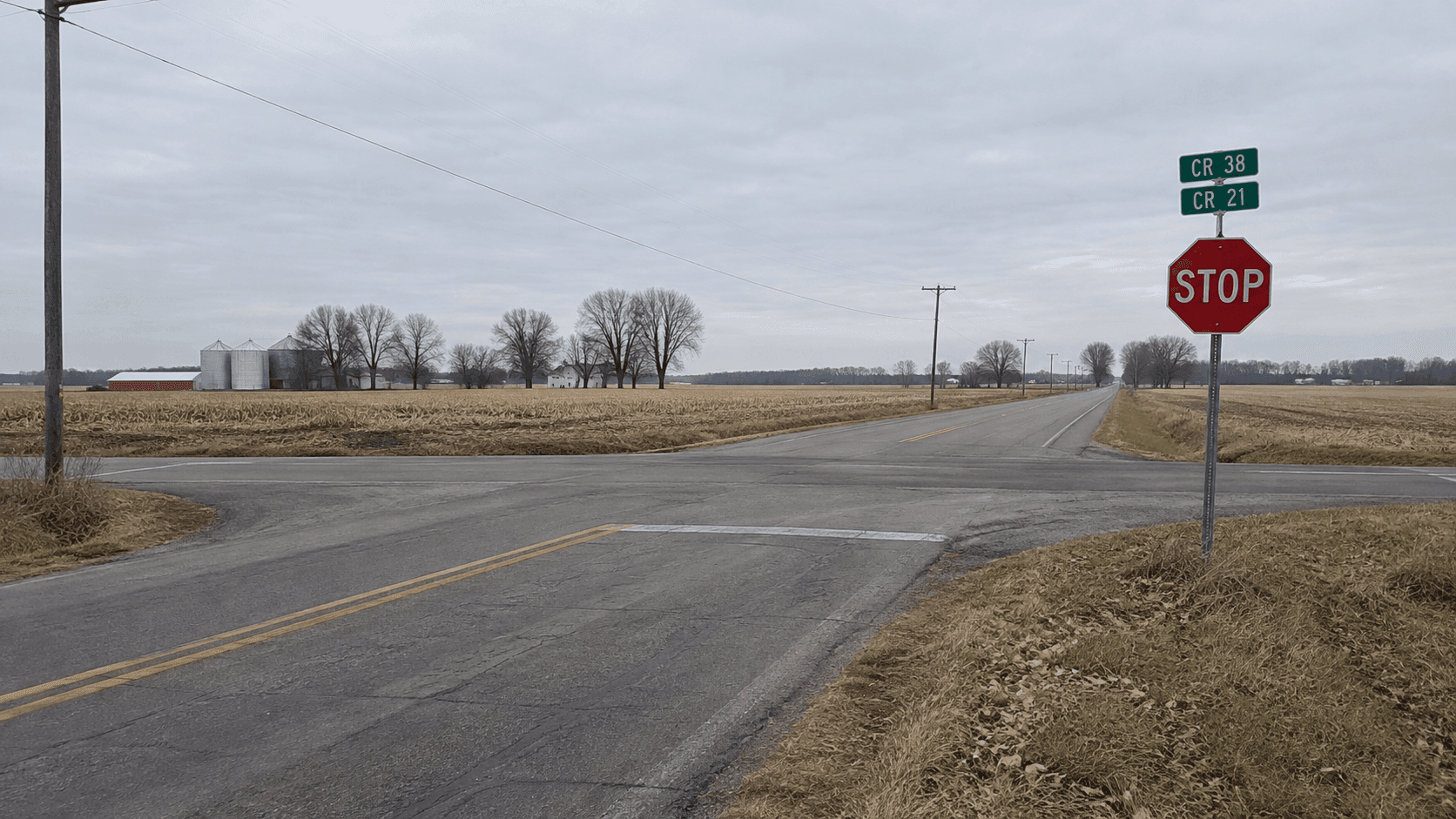
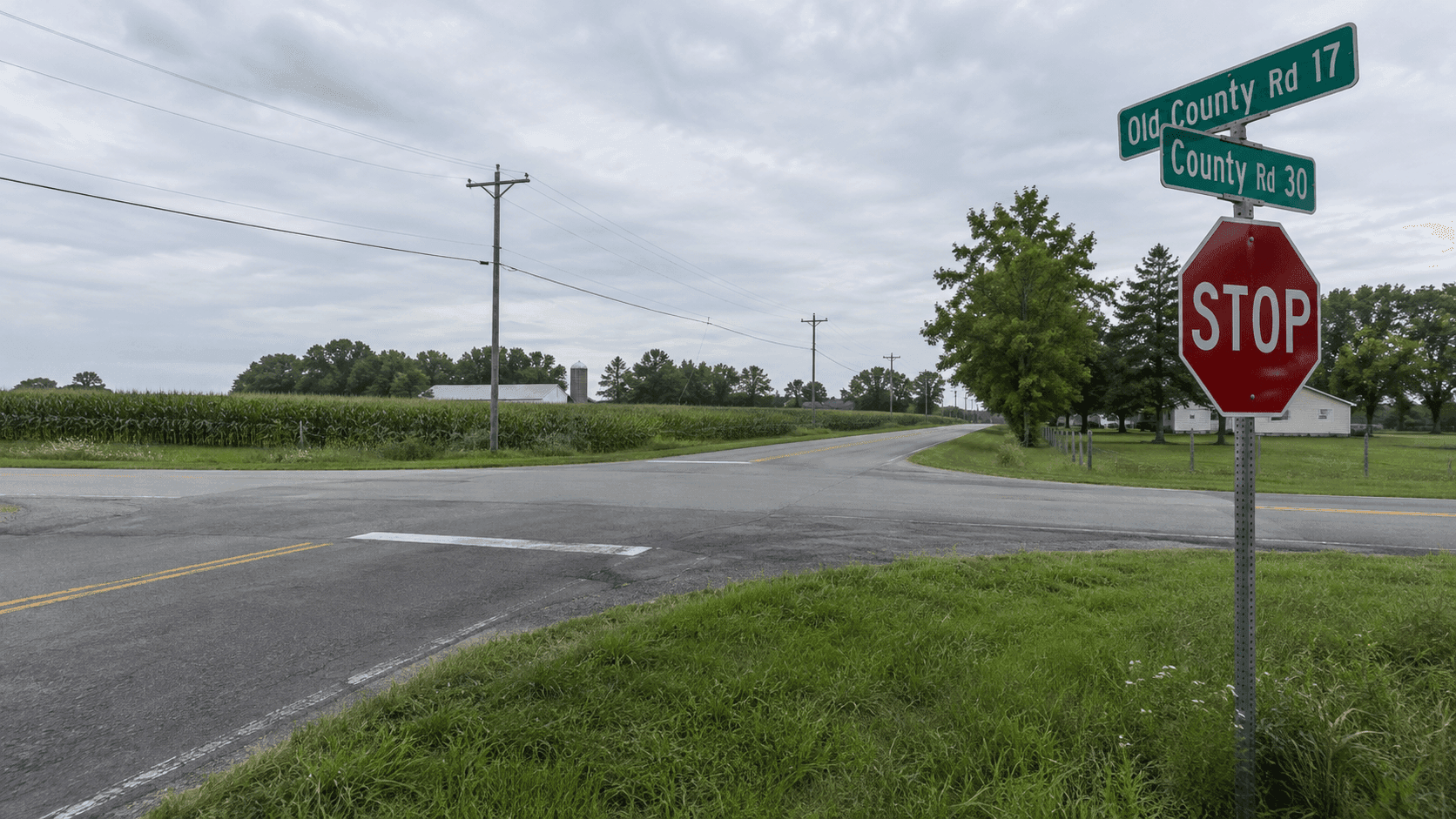
One driver was hospitalized after a three-vehicle crash at Old County Road 17 and County Road 30 in Goshen on Tuesday, Nov. 24, 2026, according to The Goshen News[1]. The newspaper's police roundup gives the time as 9:55 p.m., although its opening line describes the crash as happening Tuesday morning.
A witness reportedly said a white 2013 Chevrolet Express cargo van ran the stop sign. The crash also involved a white 2016 Toyota Prius and a gray 2014 Toyota Camry. The Prius driver, a 46-year-old Elkhart man, was hospitalized with facial and knee injuries. The report did not state whether the Camry's driver, a 21-year-old from Elkhart, was injured.
Goshen police arrested the van's driver, a 40-year-old Elkhart man, for operating while intoxicated. The charge is an allegation, and the case has not been resolved. The report did not identify the cargo van's owner, and the investigation remains ongoing.

What should accident victims do next?
An impaired-driving crash can lead to a criminal case and a separate insurance claim. If you were hurt, get medical care and follow the treatment instructions you receive. Ask the Goshen Police Department for the crash report number, and keep copies of medical records, bills, insurance correspondence, and other documents connected to the collision. This guide explains what to do after an Indiana traffic accident.
Write down the names and contact information of witnesses, especially anyone who saw what happened at the stop sign. Photographs, witness accounts, and other records may help explain fault. You can learn more about evidence used in an Indiana car accident claim.
You may also contact the prosecutor's victim assistance office for information about the criminal case. Be careful before giving the other driver's insurer a recorded statement or signing a broad medical release. Insurance companies may aggressively defend disputed claims, and this guide discusses recorded statements and medical releases.

Why the Goshen location matters
The collision occurred at a stop-controlled intersection in Goshen and was handled by the Goshen Police Department. A civil case arising from the crash would usually be filed in Elkhart County. A stop-sign violation can be important evidence, but it does not by itself resolve every question about civil fault.
Indiana divides fault under IC 34-51-2-6[2]. An injured person whose fault is greater than 50 percent recovers nothing. Otherwise, any recovery is reduced by that person's percentage of fault. The firm's guide to Indiana's comparative fault rule provides additional context.
Indiana's minimum auto liability limits under IC 9-25-4-5[3] are $25,000 per person and $50,000 per accident for bodily injury, plus $25,000 for property damage. Uninsured and underinsured motorist coverage under IC 27-7-5-2[4] may matter when available liability coverage is limited.
If evidence later shows that a bar, restaurant, or another person furnished alcohol while having actual knowledge that the person served was visibly intoxicated, Indiana's dram shop law, IC 7.1-5-10-15.5, may apply if the intoxication was a proximate cause of the injury. No source has said where the driver had been before the crash.
Most Indiana personal injury claims must be filed within two years of the injury under IC 34-11-2-4[5]. Waiting can also make it harder to preserve video, witness information, and other evidence.

How Delventhal Law Office can help
Delventhal Law Office, LLC is a Fort Wayne personal injury law firm founded by attorney Chad E. Delventhal in 2009. The firm helps people hurt on Indiana roads because of someone else's carelessness, including crashes involving alleged impaired driving. An attorney can explain how a criminal case, insurance coverage, comparative fault, and filing deadlines may fit together, but no lawyer can promise a particular outcome.
If you have questions about an injury claim, you can consult a Fort Wayne drunk driver accident attorney or request a free case evaluation.
This post is based on public reporting, the investigation may be ongoing, and nothing here is legal advice or creates an attorney-client relationship.