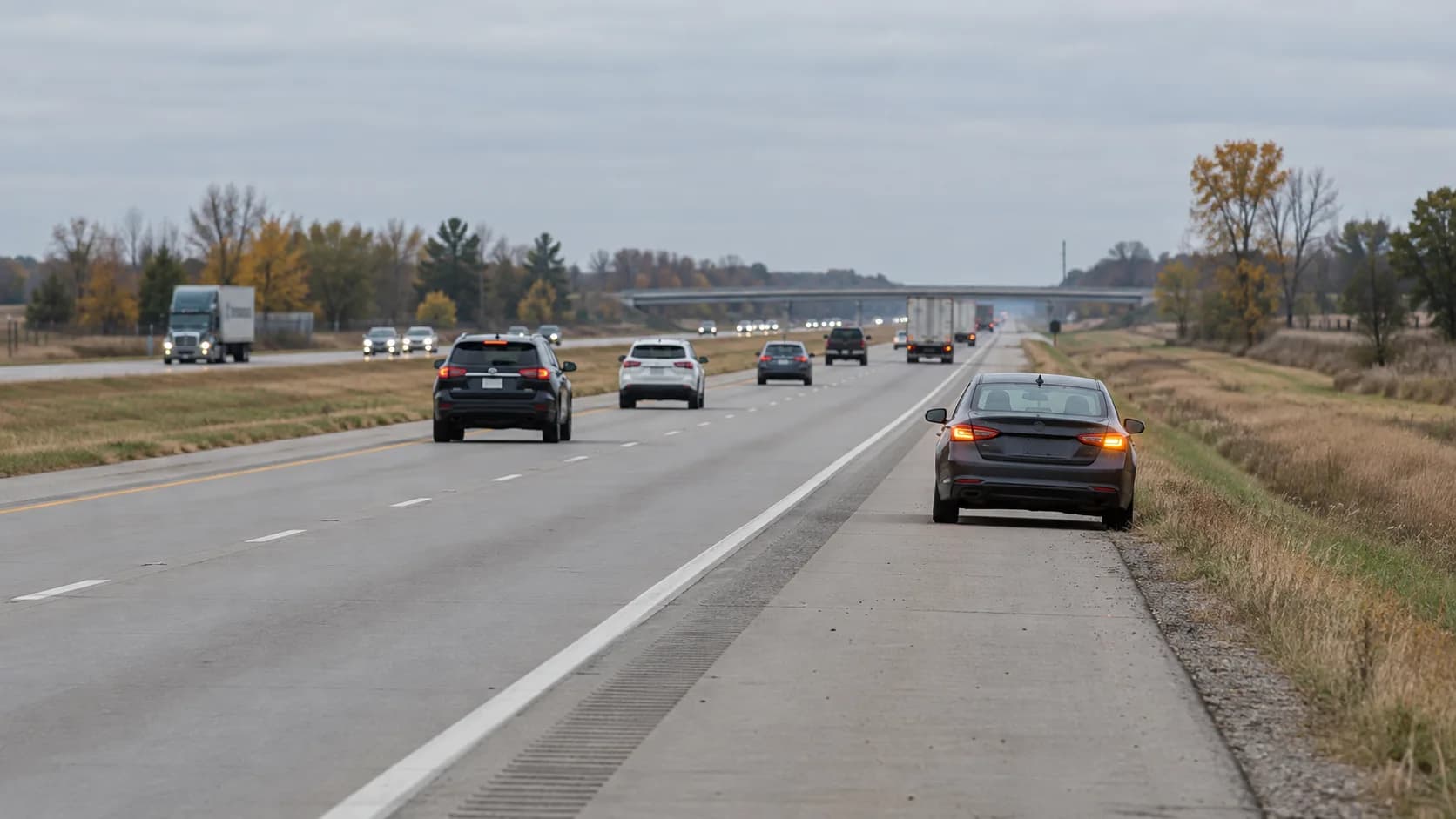

The first hour after a crash matters more than people realize. Insurance carriers build the file from what gets documented at the scene. A police report with the wrong address, a missed photograph of the other driver's bumper, a recorded statement to the wrong adjuster, and the value of the case has already dropped. This article walks through the six steps that protect your health, your case, and your money, in the order that matters.
Step 1: Check for Injuries Before You Move
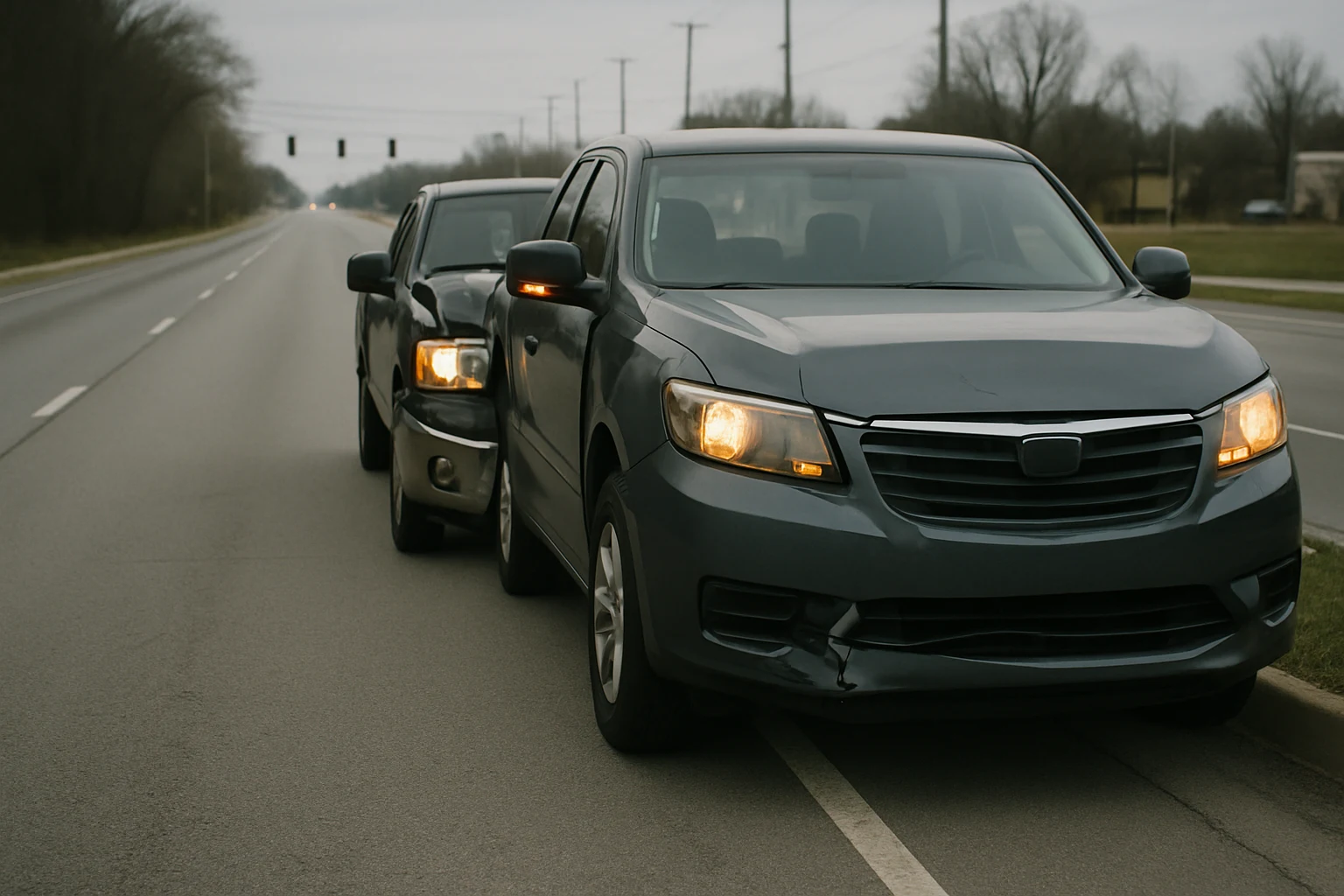
The first thing to do is the simplest, and most people skip past it. Sit still for a moment. Check your neck. Check your back. Check your head for blood or a goose egg. Ask anyone in the car with you the same questions. Adrenaline masks pain for the first ten or twenty minutes after a crash, and people who jump out of the car to argue with the other driver often discover they cannot stand five minutes later.
If anyone in either vehicle is unconscious, bleeding heavily, complaining of neck or back pain, or having trouble breathing, do not move them. Call 911 and let medics make the call. Moving someone with a spinal injury is how a recoverable injury becomes a permanent one.
Whether to move the vehicle depends on what happened. Under Indiana Code § 9-26-1-1.2[1], if your vehicle comes to a stop in a travel lane after a crash, you must move it off the traveled part of the road, to a spot as close to the crash as possible, as soon as it is safe to do so. That duty does not apply when anyone is injured, killed, or trapped in a vehicle, or when the crash involves hazardous materials. In an injury crash, leave the vehicles where they are unless they create a new danger, and let police and medics take over the scene.
Before you move a vehicle after a minor crash, take a few quick photos from a safe spot: where each vehicle came to rest, the damage, and any skid marks or debris. The position of the vehicles is evidence, and those photos preserve it after the cars are moved to the shoulder.
Turn on hazard lights. If you have road flares or reflective triangles, set them out behind your vehicle on a high-speed road. Then get yourself, your passengers, and any injured occupants of the other vehicle out of the lane of travel and onto the shoulder or sidewalk.
Step 2: Call 911 and Get a Police Report
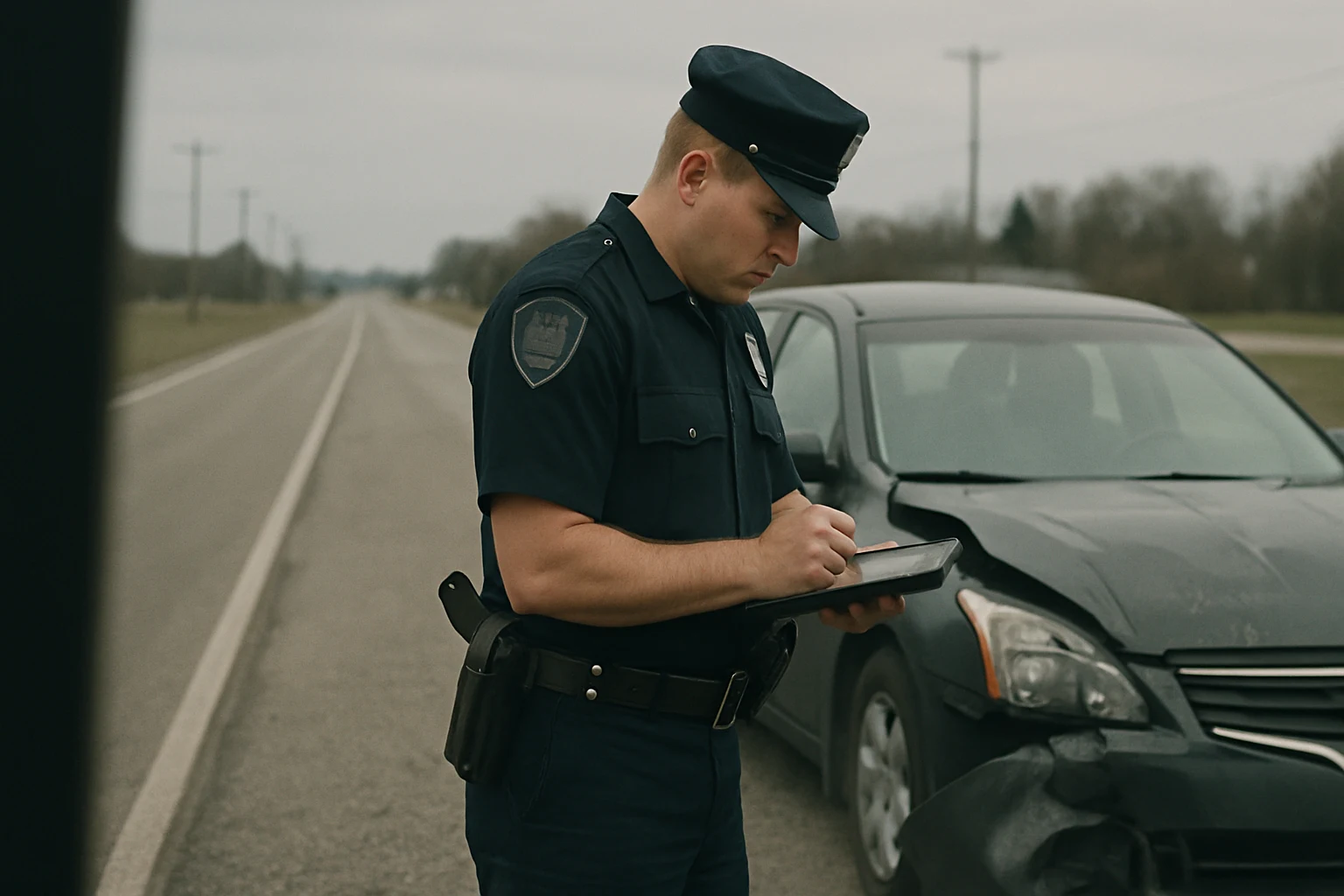
Call 911 even if the crash seems minor. Indiana’s accident reporting requirements under IC § 9-26-1[2] trigger when there is injury, death, or property damage above a threshold dollar amount. In practice, that threshold is met almost any time two vehicles collide. The other driver may insist on handling it privately, especially if they suspect they are at fault or do not have insurance. Decline. Call.
When the officer arrives, tell them what happened in plain factual terms. Do not guess. Do not apologize, and do not say “I’m fine” if you have any doubt. “I’m fine” in a police report becomes the first sentence of the defense's opening statement six months later. The right answer is: “I have some neck stiffness; I’d like to get checked out.”
Get the officer’s name, badge number, and the report case number. The Fort Wayne Police Department, Allen County Sheriff, and Indiana State Police all release crash reports through crashdocs.org[3]. The official report usually becomes available within a few business days.
Step 3: Exchange Information Carefully
Most drivers know they need to exchange information. Few do it well. Here is the complete list, in the order you should collect it:
- Driver’s full name, date of birth, and address from the driver’s license (photograph the license)
- Driver’s phone number and email
- Insurance carrier name, policy number, and policy phone number (photograph the insurance card)
- Vehicle make, model, year, color, and license plate (photograph the plate)
- VIN (photograph the dashboard tag through the windshield)
- Registered owner of the vehicle if different from the driver (photograph the registration)
Do not discuss fault. Do not apologize. Do not accept an apology and treat it as an admission, because a jury later may not. Be civil and minimal. The fault analysis is a job for the officer, the carriers, and the attorneys. It is not a job for two people standing on the shoulder of US-24.
If there are witnesses who stopped, get their names and phone numbers before they leave. Witnesses disappear faster than any other category of evidence. A bystander who saw the other driver run a red light is worth more than any photograph.
Step 4: Photograph Like You Plan to Sue
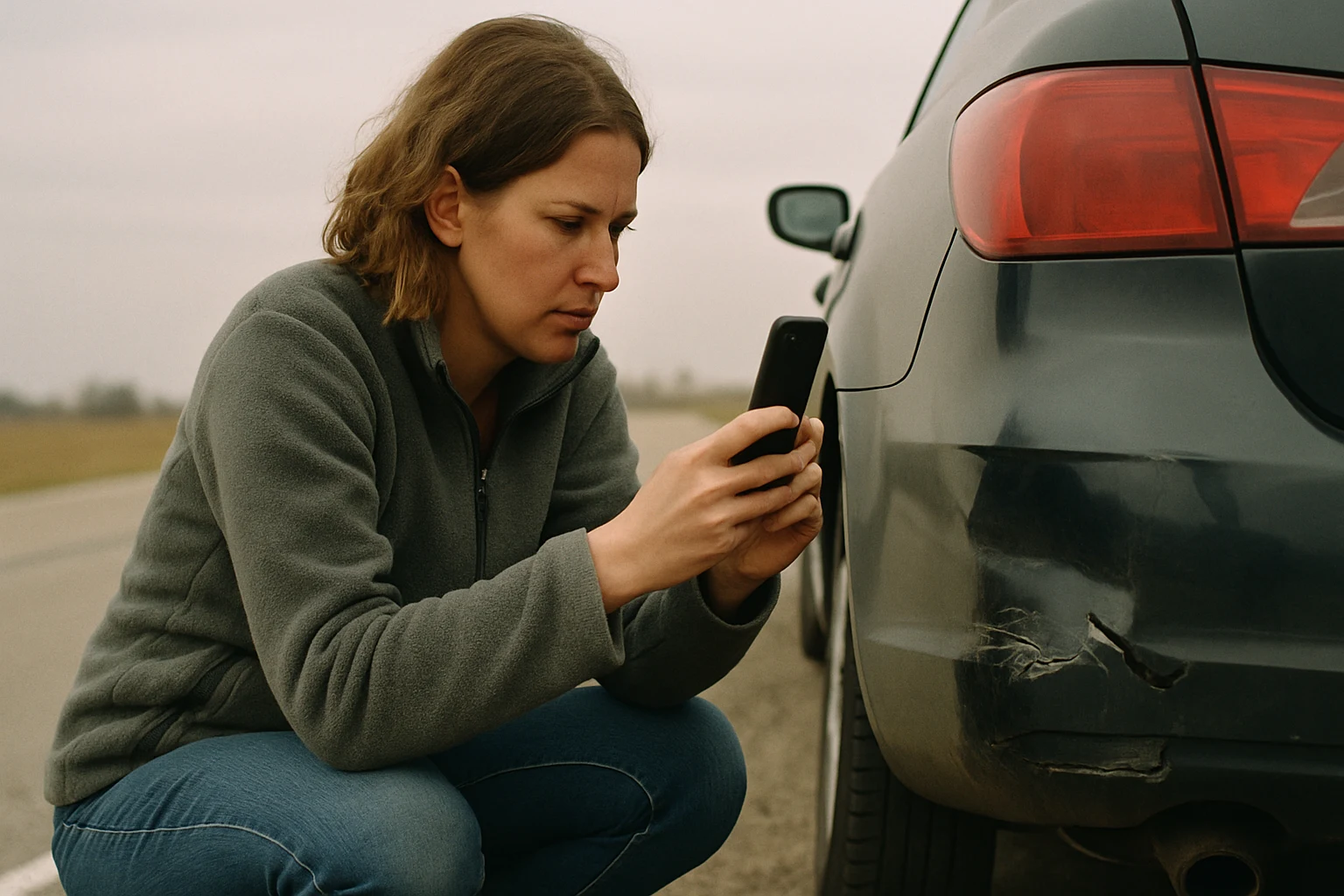
The smartphone in your pocket is the single most useful piece of equipment at a crash scene. Phones today take photographs that hold up in court better than the disposable cameras police used twenty years ago. The mistake people make is taking three or four photographs and stopping. Take fifty. The carrier will use whatever exists, and what does not exist may as well never have happened.
Photograph, at minimum:
- The damage to your vehicle from every angle, close and wide
- The damage to the other vehicle
- The license plate of every involved vehicle
- The position of the vehicles on the road, before anything is moved
- The road itself: lane markings, traffic signs, signals, skid marks, debris fields
- The weather and lighting conditions
- Any visible injuries on yourself or anyone in your vehicle
- The interior of your vehicle if airbags deployed or items shifted
- The other driver, if they are visibly impaired (a swaying stance, glassy eyes, the smell of alcohol you cannot put in a photograph but can describe)
Back up the photos to cloud storage that night. Phones get lost. Phones get wiped. Memory cards corrupt.
Step 5: Get Medical Care Even If You Feel Mostly Fine
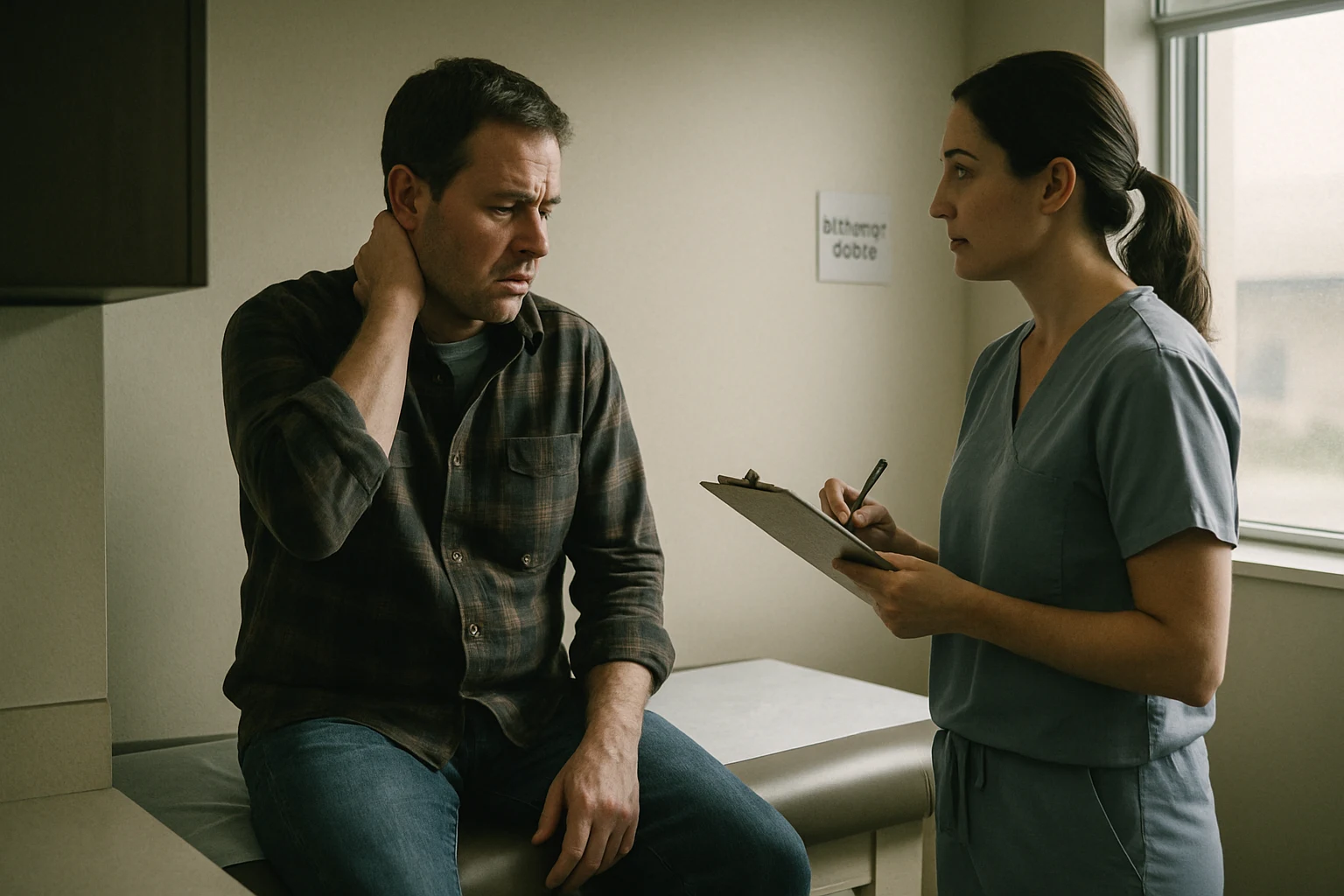
The injuries that show up in the days after a crash are the ones that cost people the most money. Whiplash, soft-tissue strains, concussions, herniated discs, and internal bleeding routinely do not present until hours or days later. Adrenaline and stress hormones suppress pain at the scene. By the next morning, the body says what it has been hiding.
Two reasons to get checked out the same day, even if you feel mostly fine:
- Medical: Brain bleeds and internal injuries kill people who walked away from the scene. An ER or urgent-care visit catches what you cannot feel.
- Legal: The insurance company’s favorite defense is the gap. “If you were really hurt, you would have gone to the doctor that day.” A gap of two weeks between the crash and the first medical visit is worth tens of thousands of dollars in settlement value, every time.
If you do see a doctor, describe every symptom, including the ones you think are unrelated. Headache, jaw tightness, ringing in the ears, difficulty sleeping, mood changes. All of it goes in the chart. The chart is the medical record. The medical record is the case.
Step 6: Notify Your Own Insurance Company
Your own policy almost certainly requires prompt notice of any accident, regardless of fault. Read the policy or look at the back of the insurance card. “Prompt” in most policies means within a reasonable time; in practice, within twenty-four to seventy-two hours.
What you say to your own insurer is different from what you say to the other driver’s insurer. Your own carrier has a duty to act in good faith toward you. The other driver’s carrier does not. Tell your carrier the basic facts: when, where, what, who. Decline to speculate on fault. Decline to estimate medical bills before you have seen a doctor. You can use our Indiana car accident settlement calculator to organize the factors that may affect a claim’s value; it is an educational tool, not a promise of any result.
What you should not do, before talking to an attorney, is give a recorded statement to the other driver’s insurance company. They will call within forty-eight hours and ask politely. You are not legally required to give one. Politely tell them you will respond through counsel. Then call a Fort Wayne car accident attorney.
What if police do not respond to the scene?
Calling 911 or the non-emergency line does not guarantee an officer will be dispatched to every low-damage crash. If police do not respond, do not treat that as permission to leave without a record. Exchange names, addresses, driver's-license information, registration and insurance details; photograph the vehicles and scene; identify witnesses; and save the time, agency and result of your call.
If the collision appeared minor, see our focused guide on what to do after an Indiana fender bender for the police-reporting thresholds and cash-payment pitfalls. This six-step guide remains focused on the immediate actions that protect people and evidence after any crash.
How Delventhal Law Office Steps In Early
Most car-accident cases that lose value lose it in the first three weeks, not the last three months. The recorded statement that contradicts the medical record. The Facebook post showing you at the kids’ soccer game. The two-week gap before the first ER visit. The signed release the carrier mailed with a check before anyone knew you would need an MRI.
At Delventhal Law Office we get in front of those mistakes by taking over communication with the carrier from day one. The adjuster calls our office, not your kitchen. Medical records get organized in real time as treatment progresses, so nothing gets missed when the demand goes out. If a Fort Wayne city vehicle, an Allen County sheriff’s vehicle, or an INDOT plow was involved, the Notice of Tort Claim under IC § 34-13-3-8[4] or IC § 34-13-3-6[5] goes out within the first week, not the last.

Cases are contingent. No fee unless we recover. Every file is handled by Chad directly. One phone line, around the clock.
Frequently Asked Questions
Do I have to call the police for a minor fender-bender?
In Indiana, you should. Even small impacts can cause injuries that appear later, and the police report is the foundation of any future claim. The other driver’s carrier will deny everything if there is no official record.
The other driver wants to handle it without insurance. Should I agree?
No. The damage estimate may double once a body shop opens the bumper, and injuries you did not feel that night may appear in the morning. Once you agree to a private settlement, going back through insurance becomes difficult.
How long do I have to file an injury claim in Indiana?
Two years from the date of the crash, under IC § 34-11-2-4[6]. If a government vehicle was involved, the Notice of Tort Claim deadline is shorter: 180 days for cities and counties, 270 days for state defendants.
What if my injuries do not show up until a week later?
That is common with whiplash, concussions, and disc injuries. Get medical care as soon as symptoms appear and tell the provider the symptoms started after the crash. The medical record connects the dots.
Should I talk to the other driver’s insurance company?
No, not before talking to an attorney. The recorded statement they request is designed to lock in answers that limit the value of your claim. You have no obligation to give one.
What does it cost to hire a car accident attorney?
Personal-injury attorneys in Indiana work on contingency. No upfront cost. The fee comes as a percentage of the recovery. If there is no recovery, there is no fee. The initial consultation is free.
Call a Fort Wayne Car Accident Attorney Before the Carrier Calls You
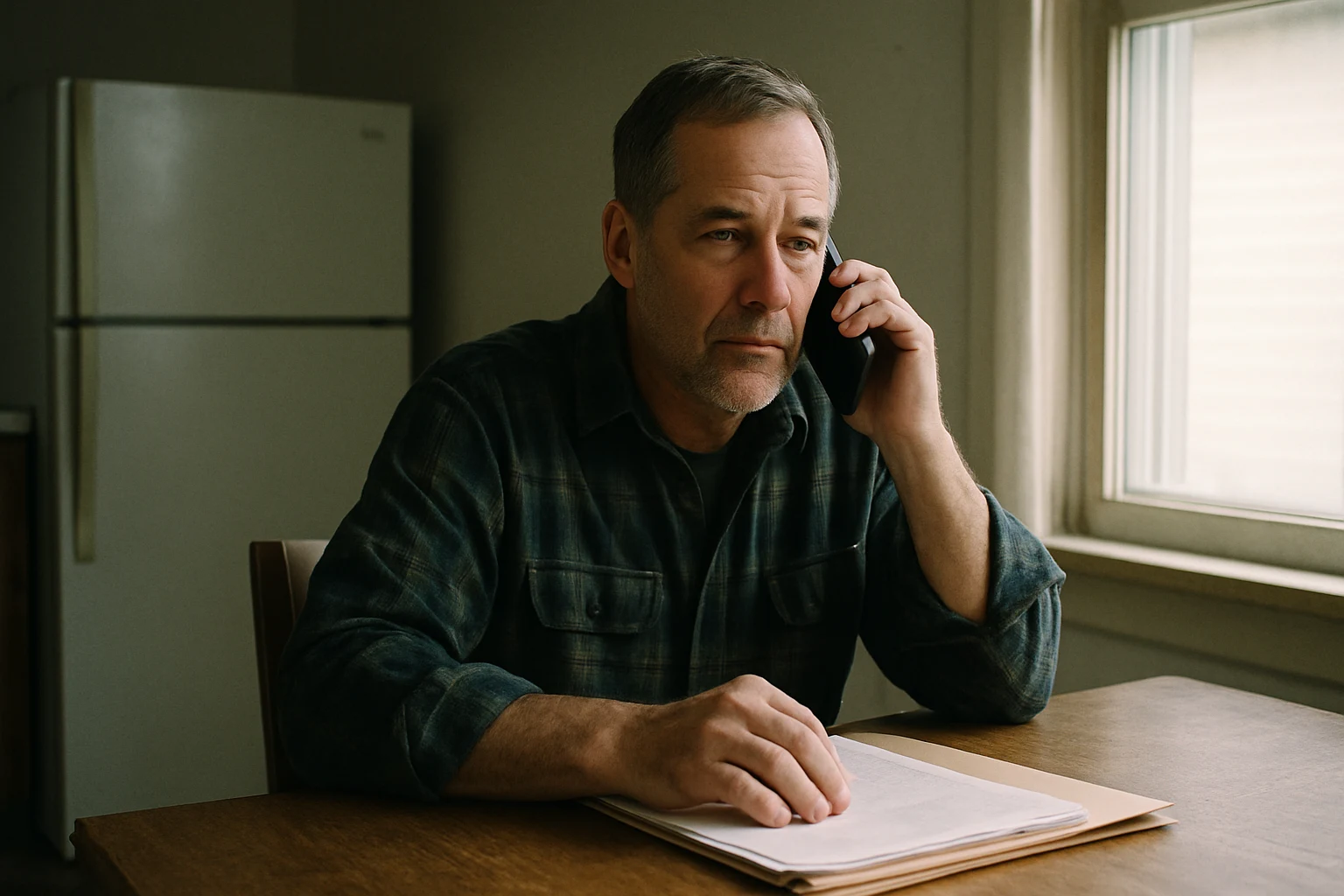
The other driver’s insurance company is going to call. Probably tomorrow. They will sound friendly. They will ask if you are okay, and they will record the answer. They will offer a small check to make it go away, and the release on the back of that check will close out every future claim, including the ones you do not yet know you have.
Before that call, talk to Delventhal Law Office. Free, no obligation, and you are talking to Chad directly. The consultation takes twenty minutes and may save you tens of thousands. Call (260) 484-6655 or contact us online to schedule a free case evaluation.
Talk to a Fort Wayne car accident attorney. Every Fort Wayne crash claim is different, and the carrier knows the playbook. Our Fort Wayne car accident attorneys read every page of every file — not just the police report.