What happened
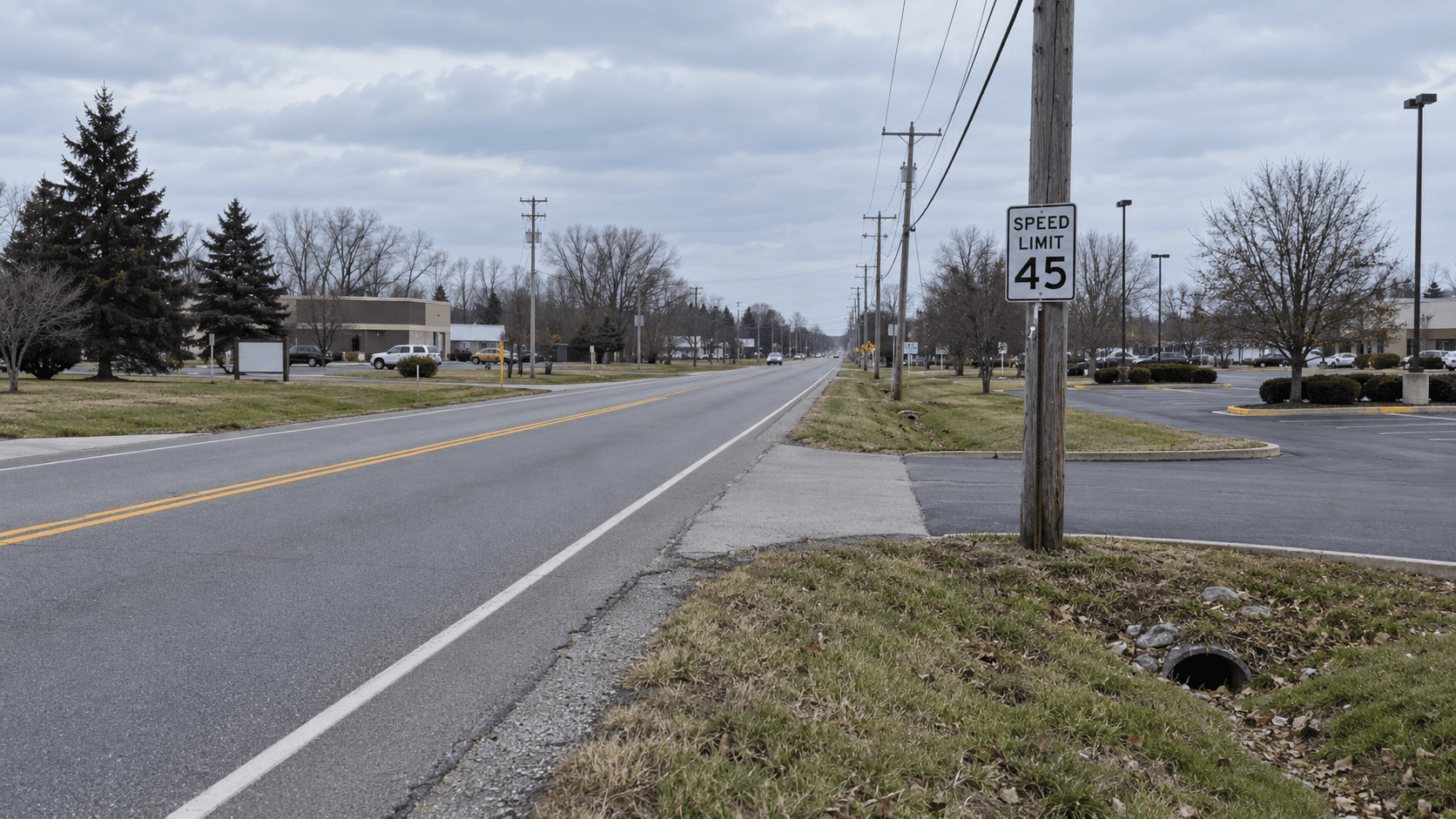
A driver turning left into a parking lot on County Road 20 near Best Avenue in Elkhart County was cited for failure to yield after a crash that sent the other driver to the hospital, according to the Goshen News[1] and WSBT[2].
The crash happened at 8:33 a.m. on Tuesday, September 29, 2026. The reports say a westbound 2010 Chrysler Town & Country minivan was turning left into a parking lot when it collided with an oncoming 2006 Buick LaCrosse. After the impact, the Buick left the road and struck a speed-limit sign and a utility pole.
The Buick's driver, a 36-year-old Mishawaka man, was taken to Elkhart General Hospital with neck and back pain. The Elkhart County Sheriff's Office cited the minivan's driver for failure to yield the right of way. A traffic citation is not a finding of civil liability, and the reporting does not say whether the citation has been contested.
What this crash tells drivers on County Road 20
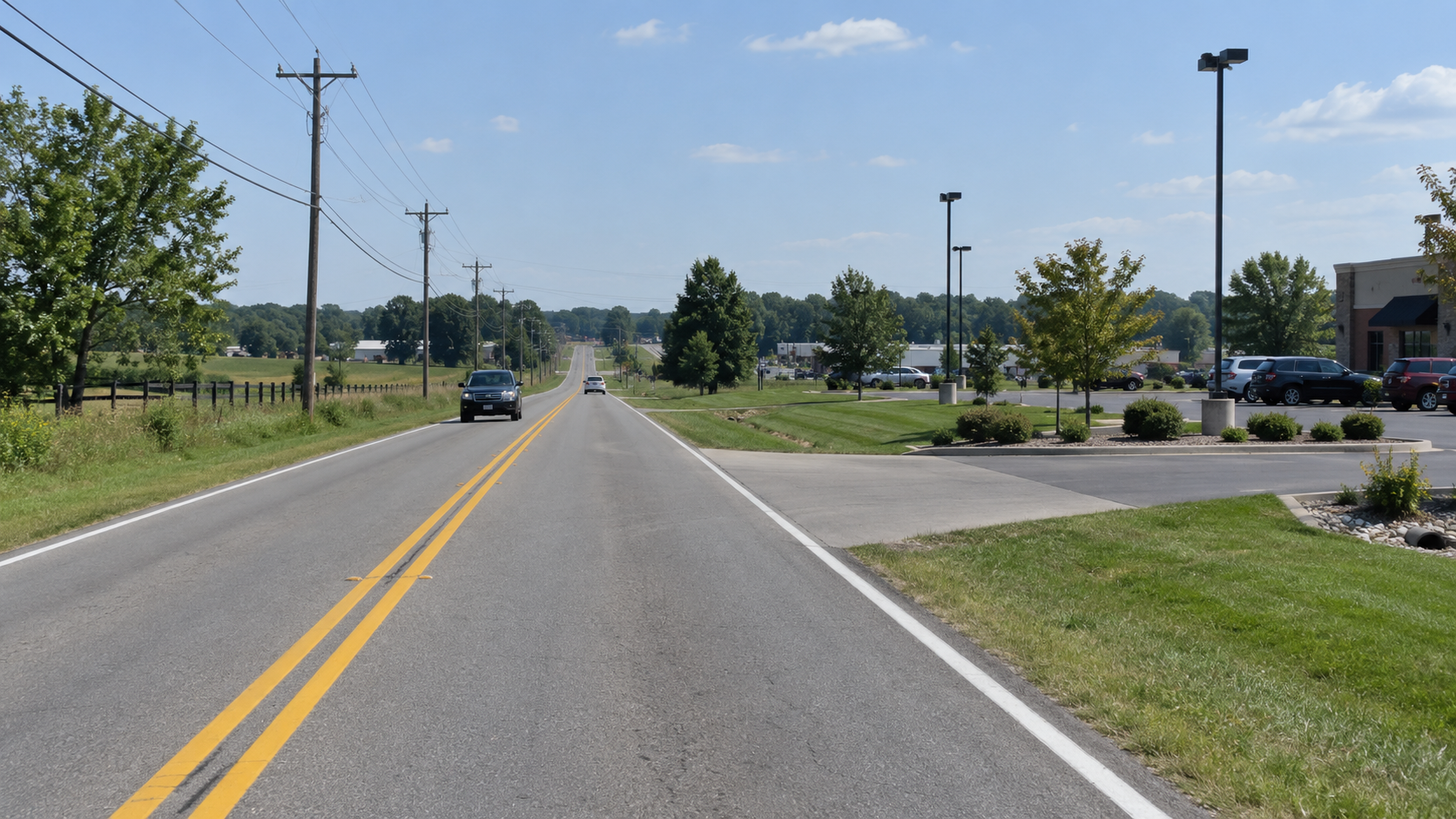
Left turns across oncoming traffic are among the most common causes of injury crashes on busy county roads. Turns into parking lots and driveways carry the same risk as turns at marked intersections. A driver turning left must yield to oncoming traffic that is close enough to be a hazard. You can read more about how fault is evaluated in a failure-to-yield crash.
This crash also shows how one impact can send a vehicle off the road into fixed objects. Signs and utility poles sit close to the pavement on many county roads, and a second impact with a pole can add to the injuries caused by the first collision.
What should accident victims do next?
If you are hurt, get checked by a doctor even when the pain initially seems manageable. Neck and back pain after a crash can reflect soft-tissue or spinal injuries that become clearer over the following days. A prompt medical record also documents when the symptoms began.
Request the sheriff's report. The investigating agency's crash report can usually be obtained after the investigation, although a police report does not determine civil liability. This guide explains how to obtain an Indiana crash report.
Photograph the vehicles, the lot entrance, and the damage to the sign and pole. Keep records of every medical visit, bill, and day of missed work. The firm's guide to evidence after an Indiana car accident explains why preserving records early matters.
Be cautious with early calls from the other driver's insurer. Before giving a recorded statement or signing a release, review what an insurance adjuster's requests may mean for your claim.
Why location matters in Indiana injury claims
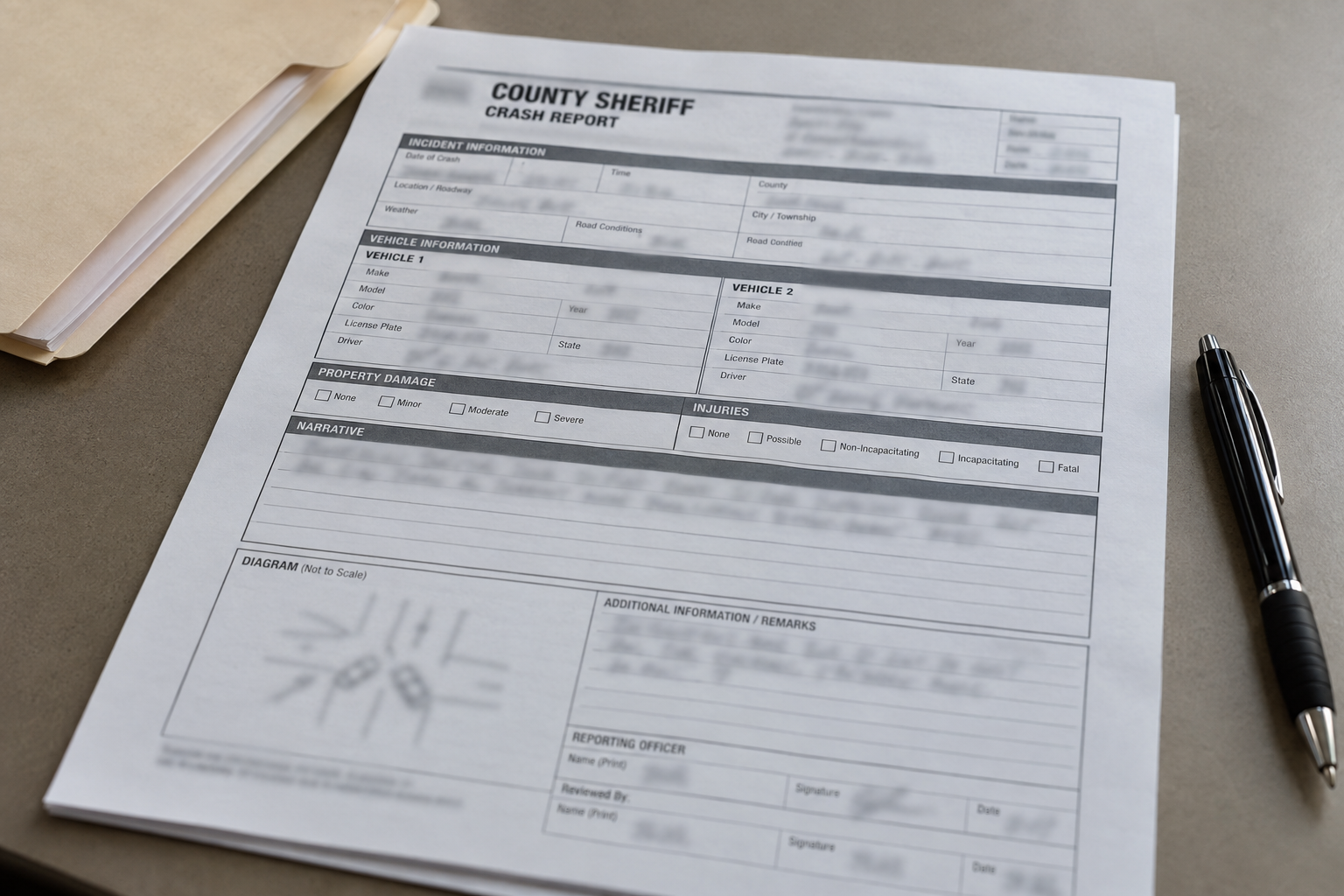
This crash happened on County Road 20 in Elkhart County near Elkhart, and the Elkhart County Sheriff's Office responded. An Indiana injury case is generally filed in the county where the crash happened or where a defendant lives, and the sheriff's office holds the crash report.
County Road 20 is a county road. Nothing in the reporting suggests that the road's design or condition played a role. If a government entity were involved in a crash claim, written notice would be required within 180 days for a county or city under IC 34-13-3-8[3], or within 270 days for the State under IC 34-13-3-6[4].
Indiana's modified comparative fault rule, IC 34-51-2-6[5], reduces recovery by the injured person's share of fault and bars recovery when that share is more than 50 percent. A failure-to-yield citation may be evidence about fault, but an insurer may still dispute the oncoming driver's speed or attention. More information is available in this plain-language guide to Indiana's 51 percent fault rule.
The general deadline to file an Indiana personal injury lawsuit is two years from the crash under IC 34-11-2-4[6]. Based on the reported date, that generally means September 29, 2028.
Indiana's minimum liability coverage under IC 9-25-4-5[7] is $25,000 per person. If the responsible driver's coverage does not cover the loss, the injured driver's own underinsured motorist coverage under IC 27-7-5-2[8] may apply, depending on the policy.
How Delventhal Law Office can help
Delventhal Law Office, LLC is a Fort Wayne personal injury firm founded by attorney Chad E. Delventhal in 2009. The firm handles left-turn and failure-to-yield crashes throughout Indiana, including Elkhart County. Chad Delventhal can obtain the sheriff's report, document injuries and vehicle damage, and communicate with insurance companies while you focus on recovery.
If you were hurt by a driver who turned in front of you, you can consult a Fort Wayne car accident attorney and request a free case evaluation. Every case depends on its own facts, and no result can be promised.
This post is based on public reporting, the investigation may be ongoing, and nothing here is legal advice or creates an attorney-client relationship.