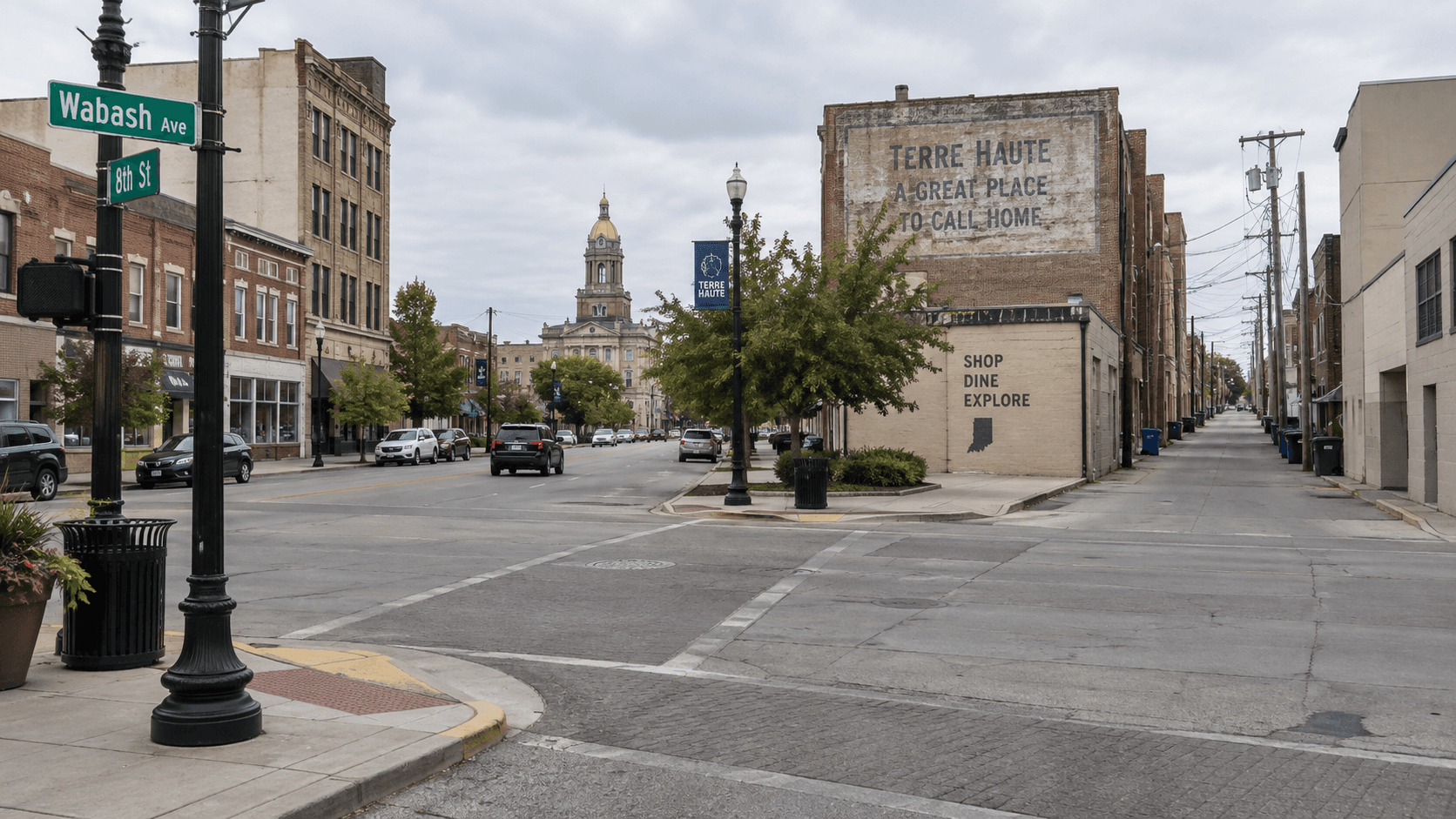
What happened on 17th Street
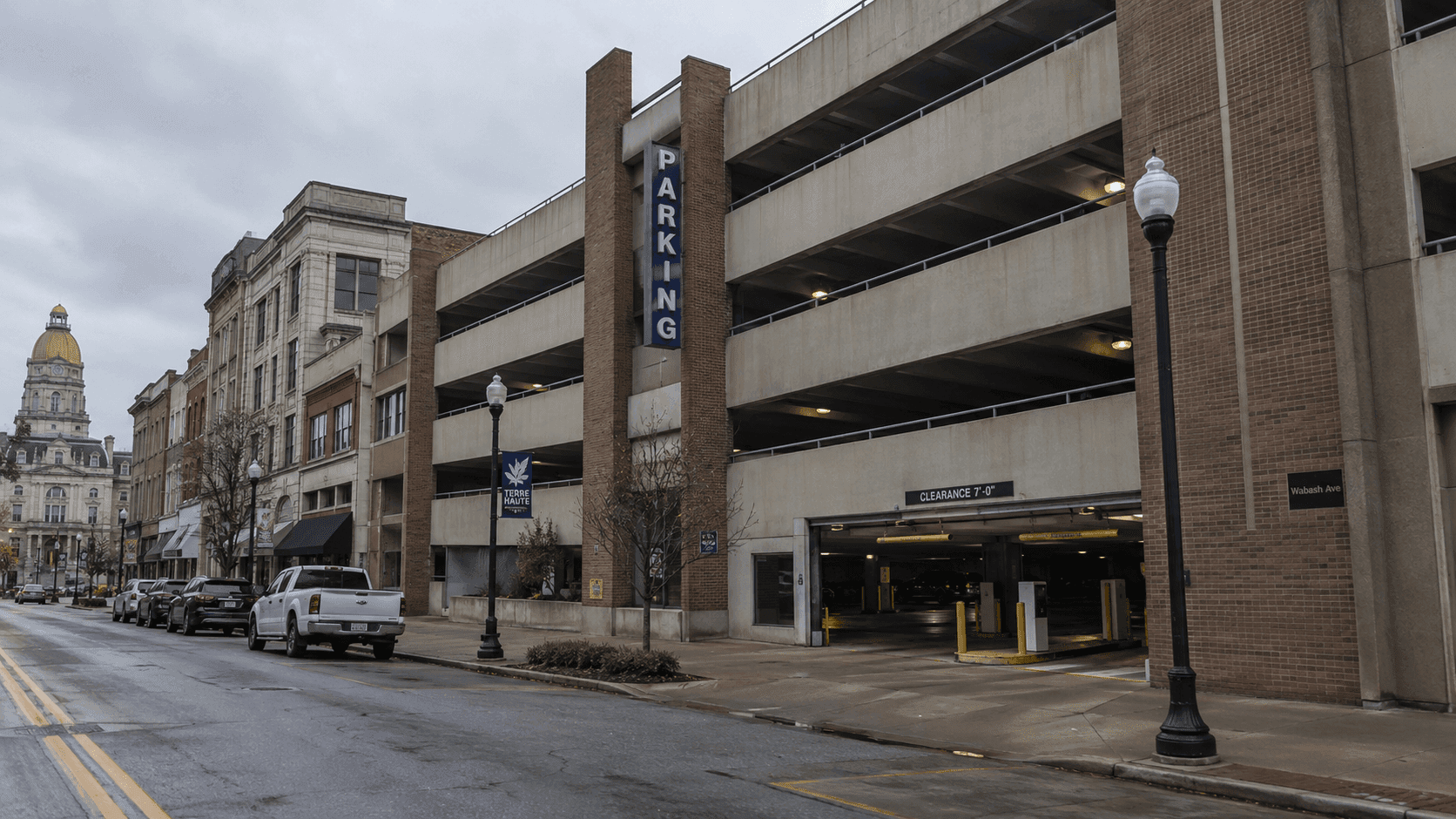
Indiana State Police troopers attempted a traffic stop near Wabash Avenue and 22nd Street in Terre Haute on Wednesday, September 9, 2026, according to WTHI-10[1]. Troopers said the pickup truck fled through five blocks of alleys before colliding with a second, occupied vehicle at 17th Street.
WTHI-10 and the Tribune-Star[2] identified the driver as Fred Joachimi, 56, of Terre Haute. Both outlets reported that he ran from the scene and was taken into custody after being tased. WTHI-10 reported that troopers said he was intoxicated and that methamphetamine was involved.
Joachimi faces charges arising from the pursuit and collision. Those charges are allegations. He is presumed innocent, the case has not been tried, and the investigation is ongoing.
The public reporting does not describe the occupants of the vehicle that was struck. It provides no injury count, injury severity, or hospital transport information. That absence should not be treated as proof that no one was hurt.
This post also corrects a date carried in an earlier version. The crash occurred on Wednesday, September 9, 2026, and WTHI-10 published its report that afternoon.
What you should do after a crash with limited public information
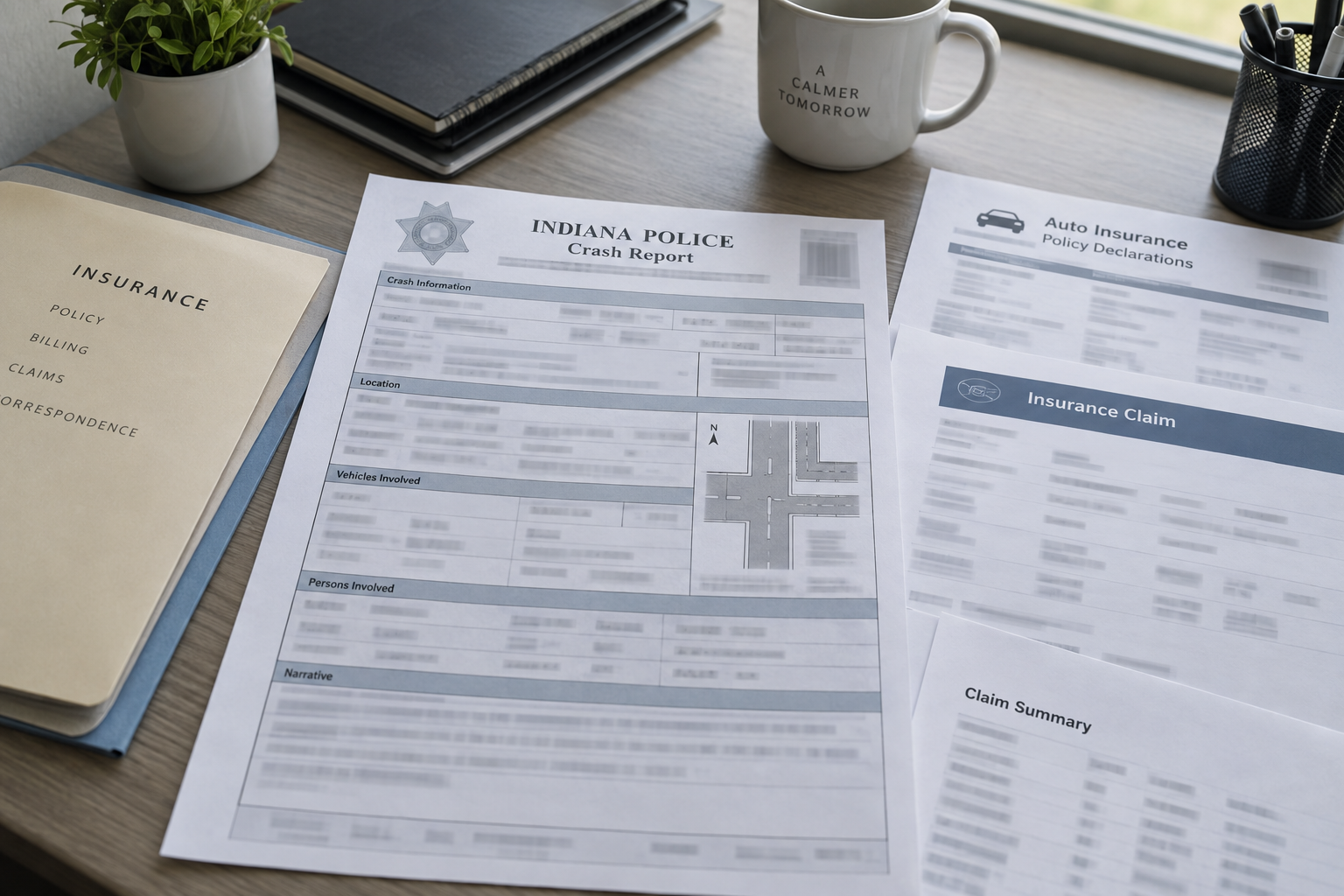
If you were involved in this crash or a similar Indiana collision, start by getting the crash report and case number. An investigating agency's report can usually be obtained after the investigation, although a police report does not determine civil liability. This guide explains how to obtain an Indiana crash report.
Seek an evaluation if symptoms develop, even if you were not taken from the scene by ambulance. Tell the medical provider when the symptoms began and that they followed the collision. Keep copies of records, bills, work restrictions, and insurance correspondence.
Photograph your vehicle before repairs or disposal. Preserve photographs of the location and identify nearby cameras promptly because footage can be overwritten. The firm's guide to evidence in an Indiana car accident claim explains why these records matter.
Review your insurance policy before assuming another driver's policy will cover every loss. Indiana insurers must offer uninsured and underinsured motorist coverage under Ind. Code 27-7-5-2. Whether that coverage applies depends on the policy and the available liability insurance.
The criminal prosecution and a civil injury claim are separate matters. The State controls the prosecution. An injured person controls the decision to pursue a civil claim, and a criminal sentence or restitution order is not a substitute for that claim.
Nothing in the reporting identifies where any alcohol came from or whether anyone furnished it. Indiana's dram shop law, Ind. Code 7.1-5-10-15.5, requires specific proof, including actual knowledge that the person served was visibly intoxicated. The present reporting does not identify a potential alcohol provider.
Why the location and deadlines matter
The crash happened in Terre Haute, in Vigo County, and Indiana State Police responded. A civil case arising from an Indiana crash is ordinarily filed in the county where the crash occurred, which would place this matter in the Vigo County courts.
Most Indiana personal injury claims must be filed within two years of the injury under Ind. Code 34-11-2-4. For a September 9, 2026 crash, that deadline falls on or about September 9, 2028. A delayed injury or pending criminal case does not automatically extend the deadline. You can read more about Indiana accident claim deadlines.
Indiana follows modified comparative fault under Ind. Code 34-51-2-6. An injured person whose fault is greater than 50 percent cannot recover. If that person's fault is 50 percent or less, the recovery is reduced by the assigned percentage. Fault must be decided from the evidence in the particular crash.
Indiana requires minimum auto liability insurance of $25,000 per person and $50,000 per accident for bodily injury, plus $25,000 for property damage, under Ind. Code 9-25-4-5. Those are minimum limits. Depending on the available coverage and policy terms, uninsured or underinsured motorist coverage may also matter.
A police pursuit can raise questions about government conduct, although the reporting here does not suggest a claim against an agency. If the facts do support such a claim, the Indiana Tort Claims Act has short notice periods. Written notice for a claim against a city, county, town, or other political subdivision is generally required within 180 days under Ind. Code 34-13-3-8. Notice for a claim against the State is generally required within 270 days under Ind. Code 34-13-3-6.

How Delventhal Law Office can help
Delventhal Law Office, LLC is a Fort Wayne personal injury law firm founded by attorney Chad E. Delventhal in 2009. The firm can obtain available reports and charging documents, preserve evidence, identify potentially applicable insurance policies, and deal with adjusters while an injured person receives care.
Insurance companies may aggressively defend fault, causation, and coverage. A Fort Wayne car accident attorney can review those disputes and watch the filing and notice deadlines. Delventhal Law Office offers a free case evaluation.
This post is based on public reporting, the investigation may be ongoing, and nothing here is legal advice or creates an attorney-client relationship.