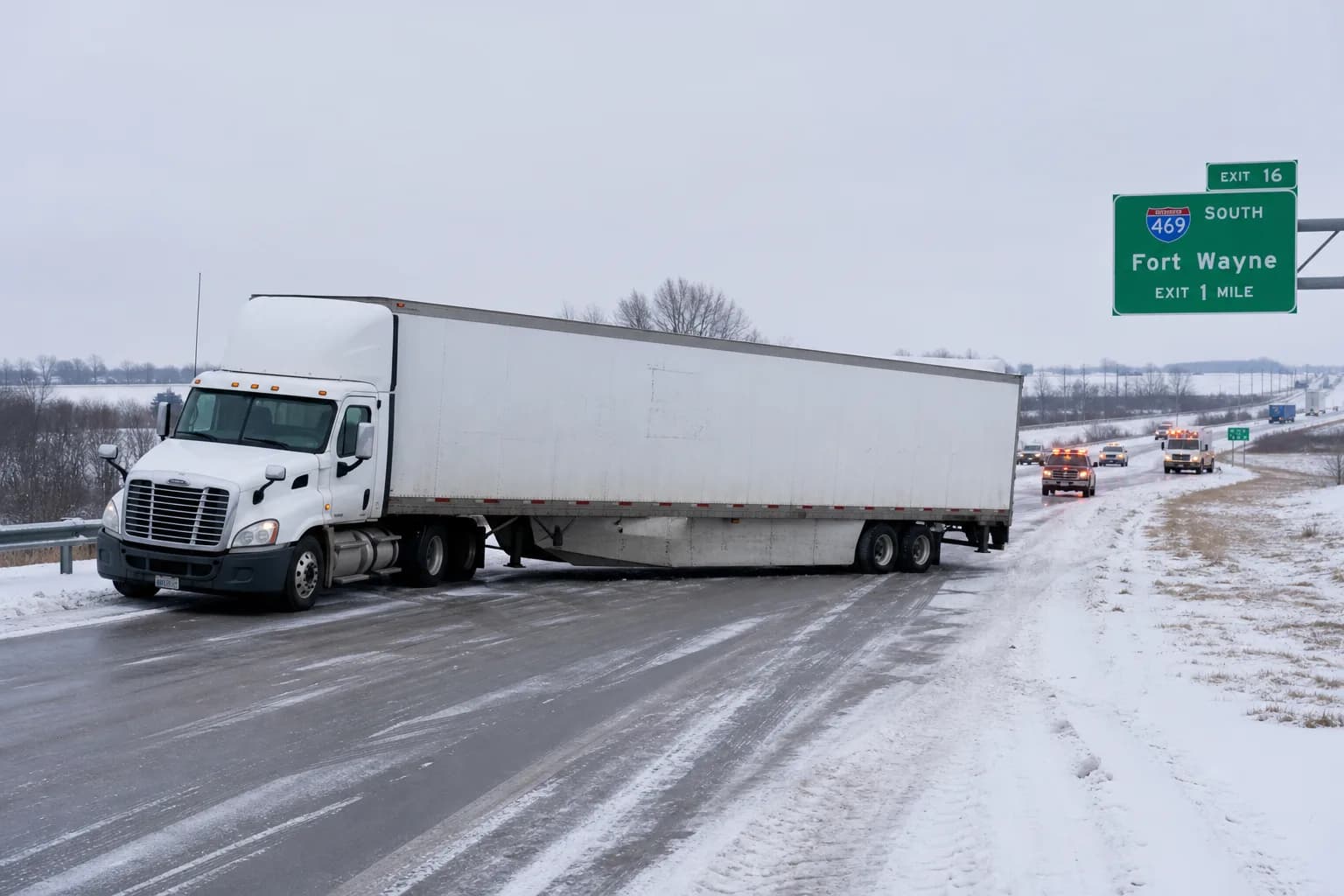
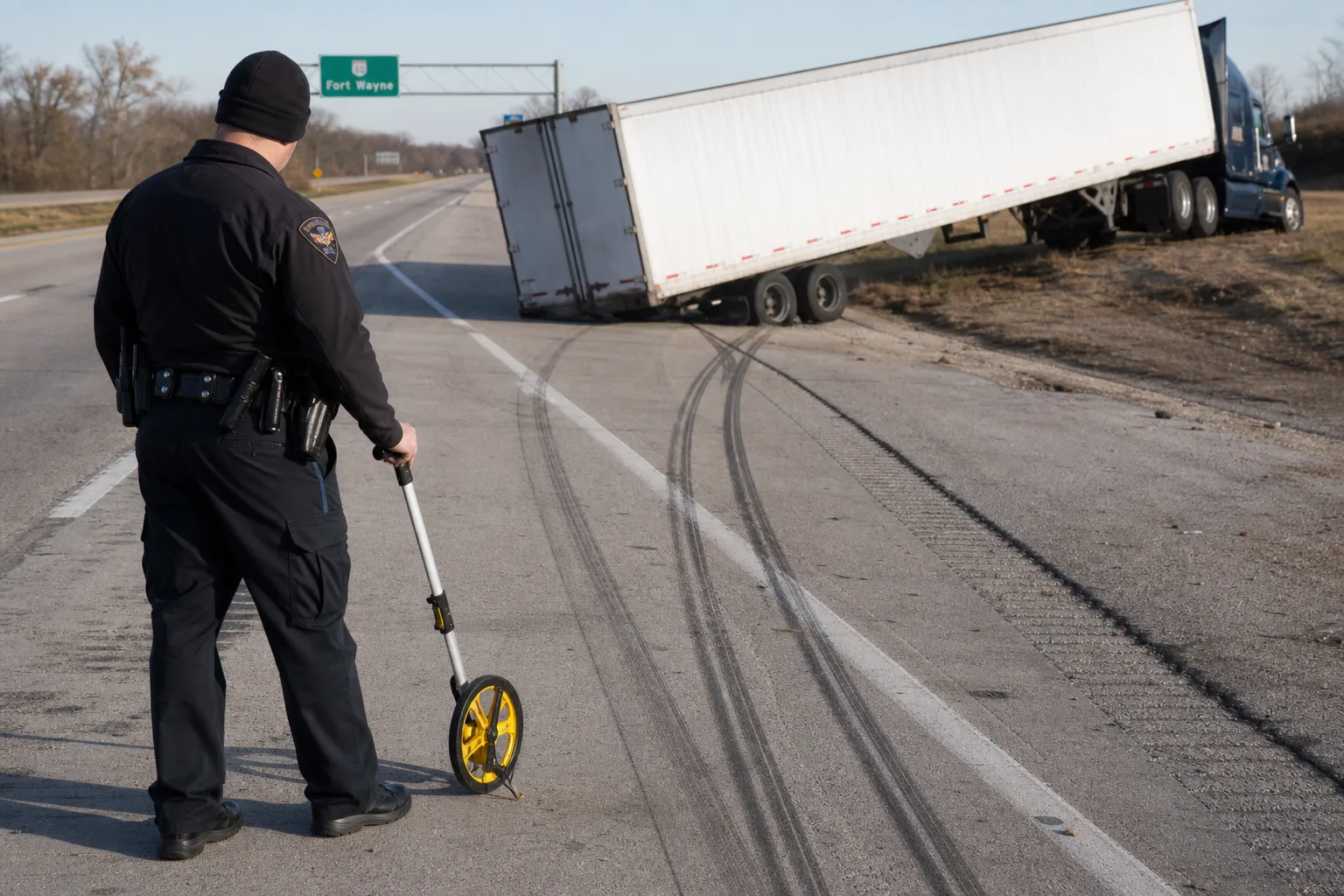
On I-69, I-469, US-24, or US-30 around Fort Wayne, a jackknifing semi can turn a normal traffic hazard into a multi-lane emergency in seconds. Understanding the mechanism matters because the final resting position does not, by itself, prove why the trailer swung or who was responsible. A careful investigation starts with the physical scene and then works backward through the truck's data, maintenance history, driver records, and cargo information.
Key takeaways
- Jackknifing describes the tractor-trailer movement, not the legal cause of the crash.
- A trailer can sweep across multiple lanes and create secondary collisions.
- Driver decisions are only one part of the investigation; brakes, tires, maintenance, cargo, dispatch pressure, and roadway conditions may also matter.
- Truck data and company records can be more important than they are in an ordinary two-car collision.
- Fast preservation matters because electronic data may be overwritten and physical evidence can change.
How does a tractor-trailer jackknife?
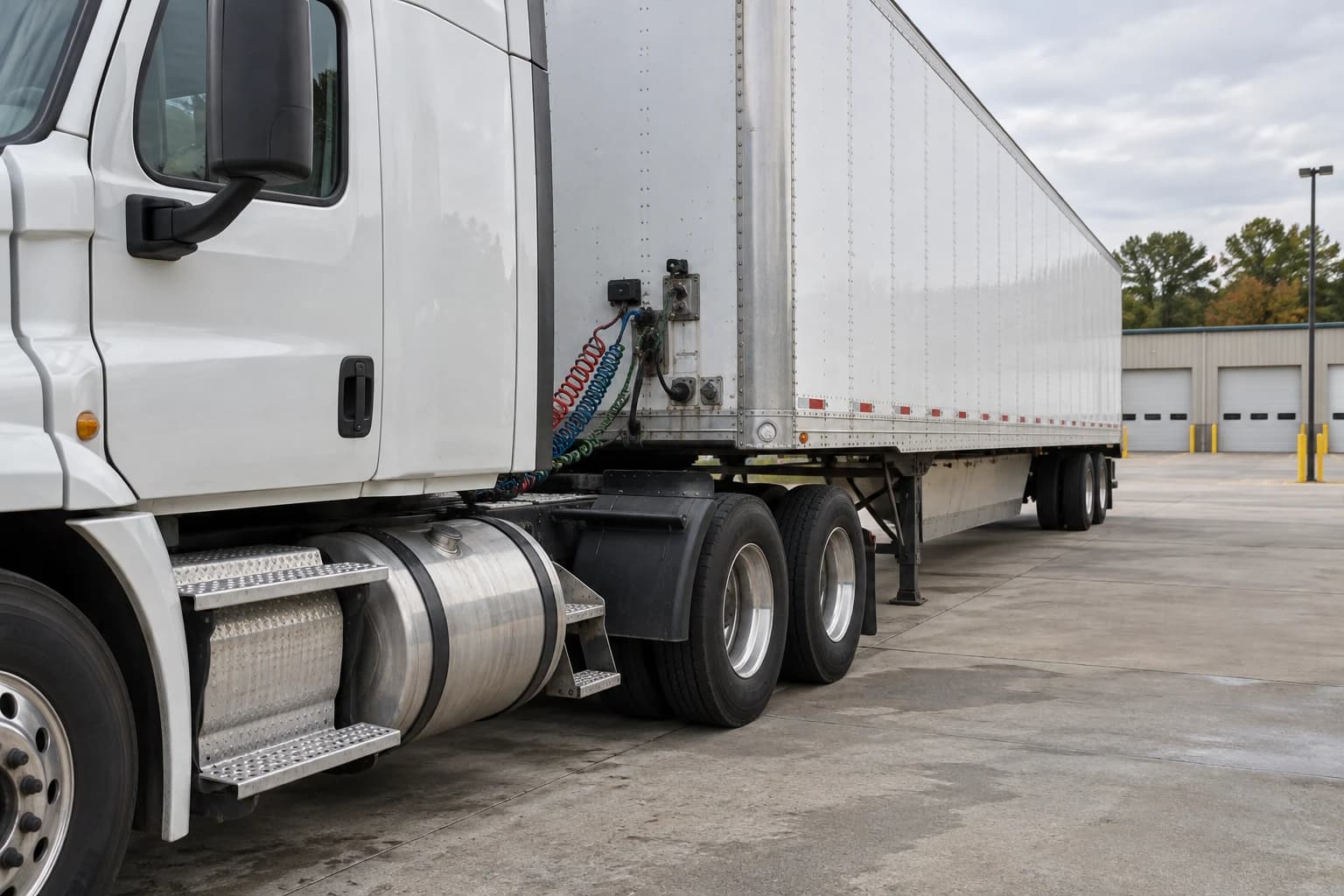
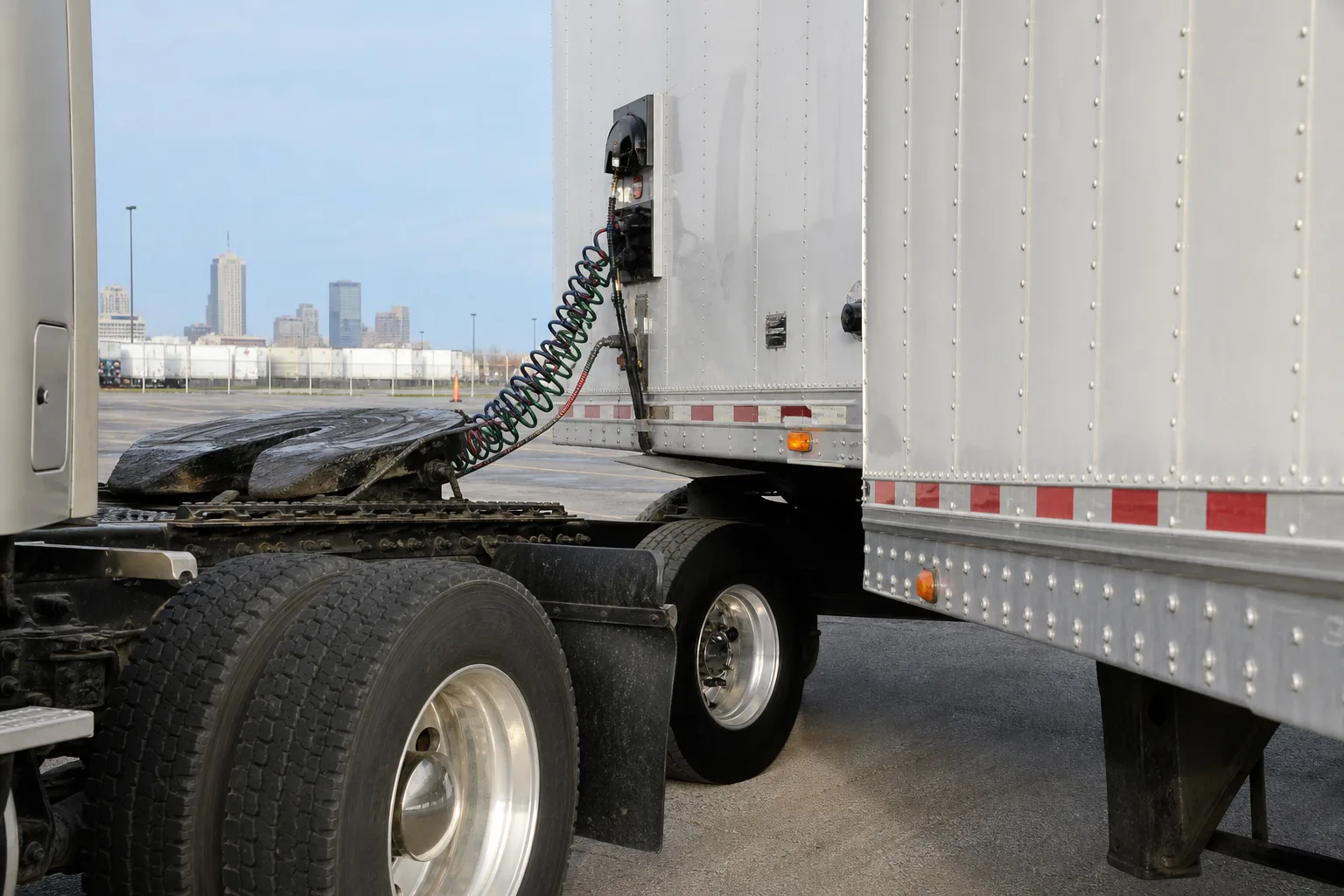
A tractor and trailer pivot at the fifth-wheel coupling. During ordinary driving, that articulation lets the combination turn. In a jackknife, the tractor and trailer rotate toward one another far beyond their normal tracking relationship.
One common sequence begins when the drive wheels or trailer wheels lose traction during braking. If the tractor slows or changes direction while the trailer keeps pushing forward, the trailer can swing sideways. A tractor can also rotate toward the trailer when the tractor's rear wheels lose lateral grip. The specific sequence may be visible in tire marks, yaw marks, vehicle damage, onboard data, and video.
The Federal Motor Carrier Safety Administration separately tracks large trucks involved in crashes by jackknife occurrence in its Large Truck and Bus Crash Facts tables[1]. That official classification reinforces an important point: jackknifing is a recognized crash event, but the event still requires a cause investigation.
Common causes and contributing conditions
| Potential contributor | How it can lead to a jackknife | Evidence to check |
|---|---|---|
| Hard or uneven braking | Locked or poorly balanced wheels can lose traction and let the combination rotate. | ECM data, ABS data, brake inspection, tire marks |
| Speed too high for conditions | Rain, snow, ice, curves, or congestion leave less room to brake and correct. | Road conditions, video, speed data, weather records |
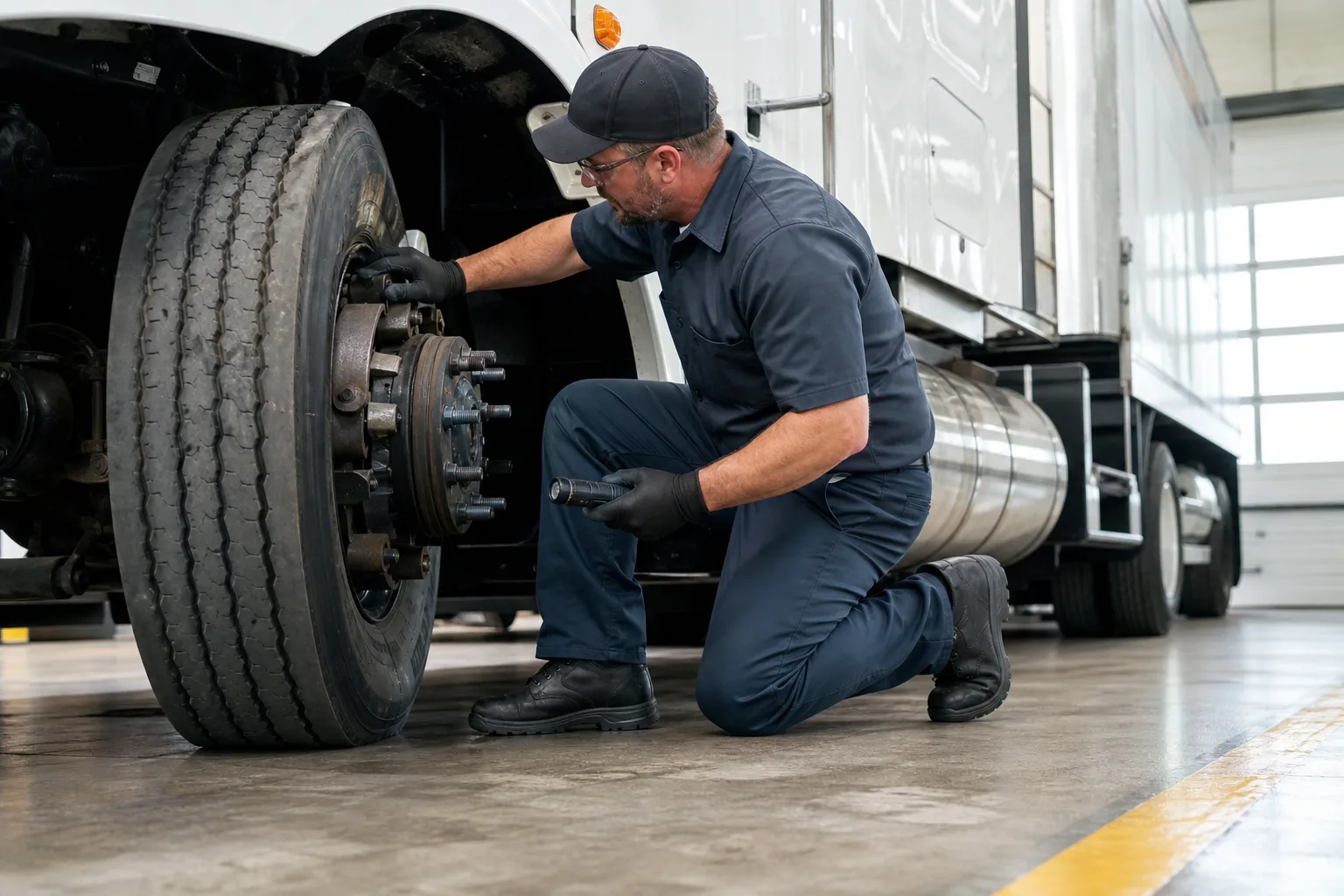
| Brake or tire problems | Worn, defective, or improperly adjusted components can change stopping forces and grip. | Maintenance files, inspection reports, post-crash examination |
| Abrupt steering | A sudden evasive move can destabilize the tractor-trailer, especially while braking. | Video, steering inputs if available, witness accounts |
| Cargo problems | An unstable or shifting load can affect balance and trailer behavior. | Bills of lading, loading diagrams, securement records, cargo inspection |
| Fatigue or distraction | Delayed hazard recognition may force a late, severe correction. | ELD logs, phone records when lawfully obtained, dispatch records, cab video |
Federal regulations require commercial motor vehicles to be systematically inspected, repaired, and maintained, and require carriers to keep maintenance records for covered vehicles. See 49 C.F.R. Part 396[2]. Drivers must also be satisfied that specified safety components, including brakes, tires, steering, coupling devices, and cargo securement, are in good working order before driving under 49 C.F.R. § 392.7[3].
Those rules do not automatically decide fault. They identify records and safety duties that may help explain whether the crash arose from a driving error, a neglected mechanical condition, a loading problem, or several causes together. Our guide to why truck maintenance logs matter after an Indiana semi crash explains how those records fit into an investigation.
Why jackknife crashes are different from ordinary rear-end collisions
A passenger vehicle usually occupies one lane and has a relatively predictable path. A 53-foot trailer that swings sideways can suddenly occupy several lanes. Drivers beside the truck may have no open escape path, while vehicles behind it may encounter a wall-like obstruction.
The collision can involve the tractor, the broad side of the trailer, or the trailer's underside. That helps explain why a jackknife may become a chain-reaction event rather than one impact. For a broader comparison, see why truck accident claims differ from car accident claims and our explanation of why underride truck crashes are so dangerous.
Who may be responsible?
The truck driver is not automatically the only responsible party, and the jackknifed position is not automatic proof of negligence. Depending on the facts, responsibility may involve:
- The driver, for unsafe speed, following too closely, distraction, fatigue, or an improper braking or steering response.
- The motor carrier, for training, supervision, dispatch practices, maintenance systems, or retaining an unsafe driver.
- A maintenance provider, if negligent inspection or repair contributed to a brake, tire, steering, or coupling problem.
- A shipper or loading contractor, when loading or securement work contributed to instability.
- A manufacturer, if a defective component caused or worsened the loss of control.
- Another road user, if that person's conduct created the emergency that triggered the maneuver.
Indiana uses modified comparative fault. Under Indiana Code chapter 34-51-2[4], a claimant's recovery can be reduced by assigned fault and may be barred if the claimant's fault is greater than the fault of all defendants whose fault is at issue. Fault analysis is fact-specific, which is why early conclusions based only on the truck's final position can be misleading.
Evidence that can explain the crash
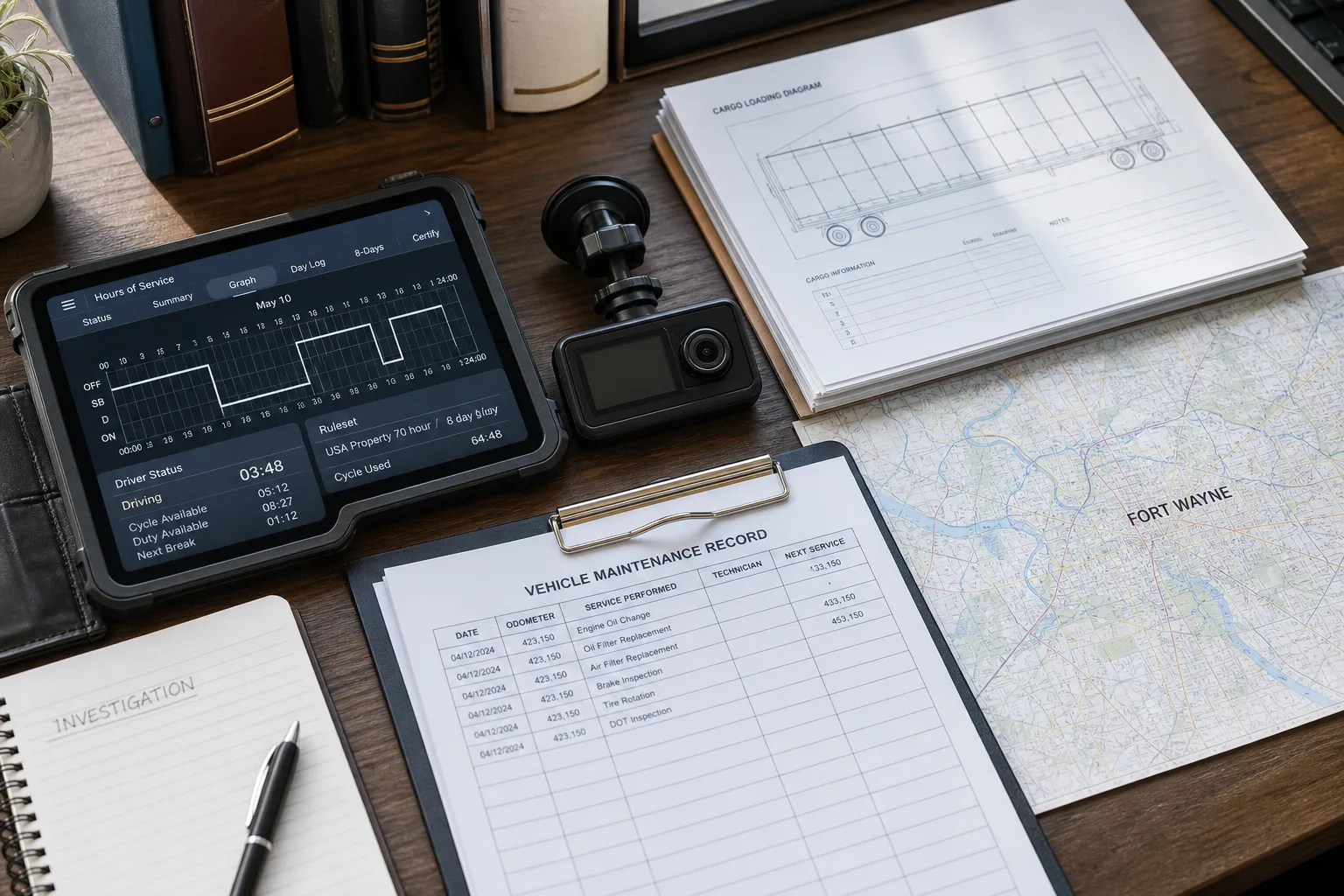
A useful truck-crash investigation combines physical, electronic, and company evidence:
- Scene evidence: tire and yaw marks, debris fields, roadway grade, lane geometry, surface condition, sight distance, and photographs.
- Vehicle data: engine-control or event data, ABS information, dash-camera footage, telematics, and sometimes nearby vehicle video.
- Driver and dispatch records: electronic logging data, qualification materials, training, trip communications, and route instructions. Federal hours-of-service rules are collected in 49 C.F.R. Part 395[5].
- Mechanical evidence: post-crash inspection, prior defect reports, repairs, periodic inspections, tire history, and brake adjustment or replacement records.
- Cargo evidence: bills of lading, weight tickets, loading diagrams, securement records, and photographs.
- Independent accounts: police documentation, 911 records, witnesses, and nearby business or traffic cameras.
Our related articles explain why hours-of-service records matter in fatigued-driving cases and how improper cargo loading can change a truck-crash claim.
What to do after a jackknife crash near Fort Wayne
| Priority | Practical step | Why it matters |
|---|---|---|
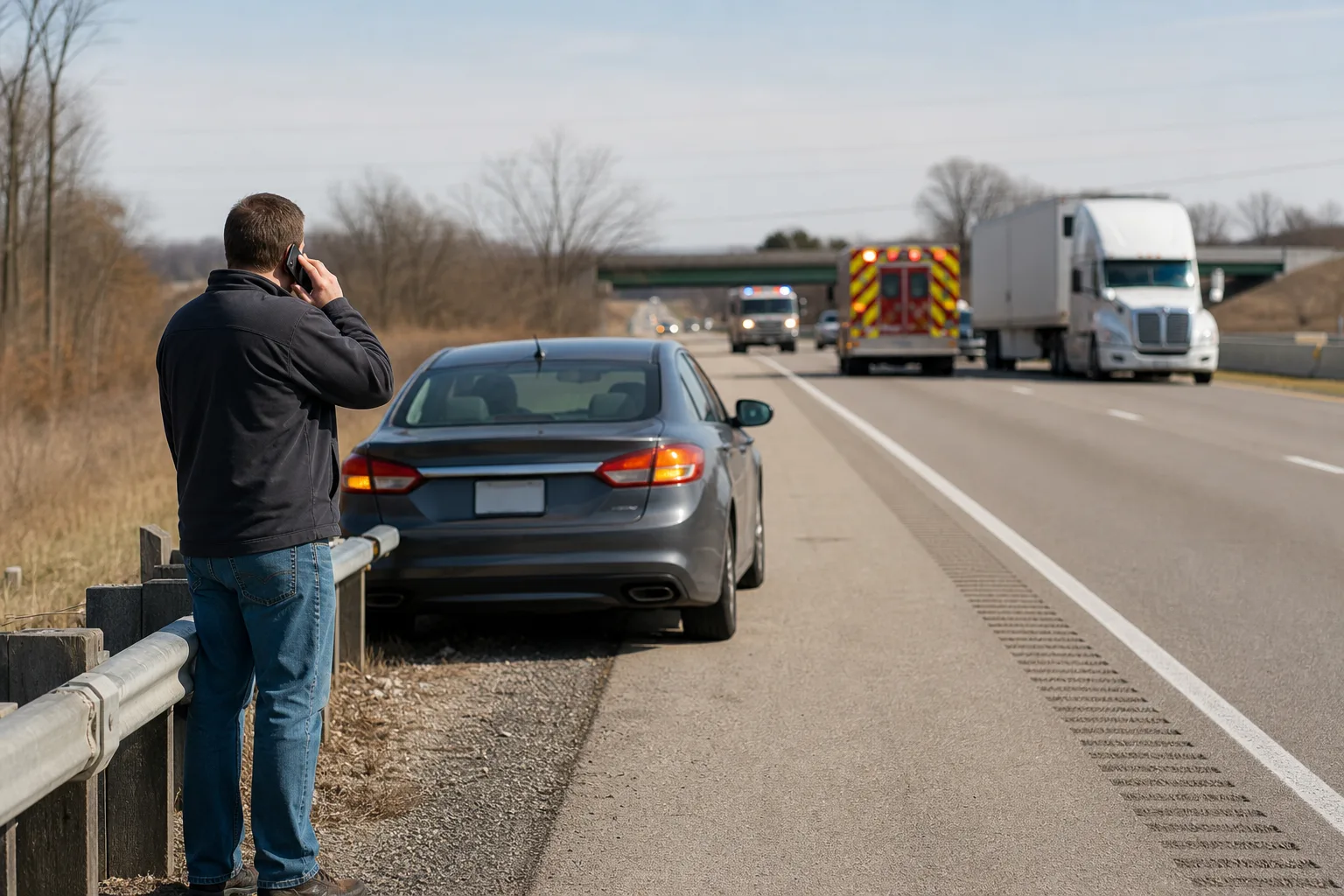
| Safety | Move away from active lanes if you can do so safely and call 911. | A sideways trailer and secondary impacts can leave the scene dangerous. |
| Health | Seek appropriate medical evaluation and follow provider instructions. | Some symptoms may not be obvious at the roadside. |
| Documentation | Photograph positions, marks, road conditions, vehicle identifiers, and visible damage if safe. | The scene changes quickly when lanes reopen and vehicles are moved. |
| Witnesses | Save names and contact information. | Independent accounts may clarify the sequence. |
| Statements | Report facts without guessing about speed, distance, or fault. | Early estimates made under stress may be inaccurate. |
| Preservation | Consider prompt legal advice about preserving truck and company evidence. | Electronic data can be overwritten and records have different retention periods. |
A jackknife crash claim is one kind of Indiana personal injury case. Our Fort Wayne personal injury attorney page explains Indiana's filing deadlines, the comparative fault rule, and the damages Indiana law allows.
Frequently asked questions
What does it mean when a semi-truck jackknifes?
A jackknife occurs when the tractor and trailer stop tracking in a straight line and fold toward each other at the coupling, resembling a partly closed pocketknife.
What usually causes a jackknife truck accident?
Common contributors include hard braking, lost traction, excessive speed for conditions, brake or tire problems, abrupt steering, and cargo or loading issues. The cause must be determined from the evidence in the specific crash.
Is the truck driver always at fault for a jackknife crash?
No. The driver may be responsible, but a motor carrier, maintenance contractor, shipper or loader, component manufacturer, or another road user may also share fault depending on the evidence.
What evidence matters after a jackknife truck crash?
Important evidence can include the police report, scene photographs, tire marks, electronic control module data, electronic logging data, dash-camera video, inspection and maintenance records, cargo records, and witness statements.
Why are jackknife crashes especially dangerous?
A swinging trailer can sweep across several lanes, create multiple impact points, block escape routes, and expose passenger vehicles to the side or underside of a much larger vehicle.
What should I do after a jackknife truck crash near Fort Wayne?
Get to a safe place if possible, call 911, seek appropriate medical evaluation, preserve photographs and witness information, avoid guessing about fault, and consider speaking with an Indiana truck-accident attorney before critical electronic or company records disappear.
A focused next step
A jackknife describes what the tractor-trailer did; the evidence explains why. If you were hurt in a crash involving a jackknifed semi near Fort Wayne, Delventhal Law Office can review the crash sequence, identify records that may need to be preserved, and explain how Indiana fault rules may apply. Learn more from our Fort Wayne truck accident lawyers or contact our office for a free consultation.
This article provides general information and is not legal or medical advice. Reading it does not create an attorney-client relationship, and neither does contacting us. If you do contact us about a possible claim, Indiana Rule of Professional Conduct 1.18 requires us to keep what you tell us confidential whether or not we take the case — but please do not send documents or detailed facts until we have agreed in writing to represent you.