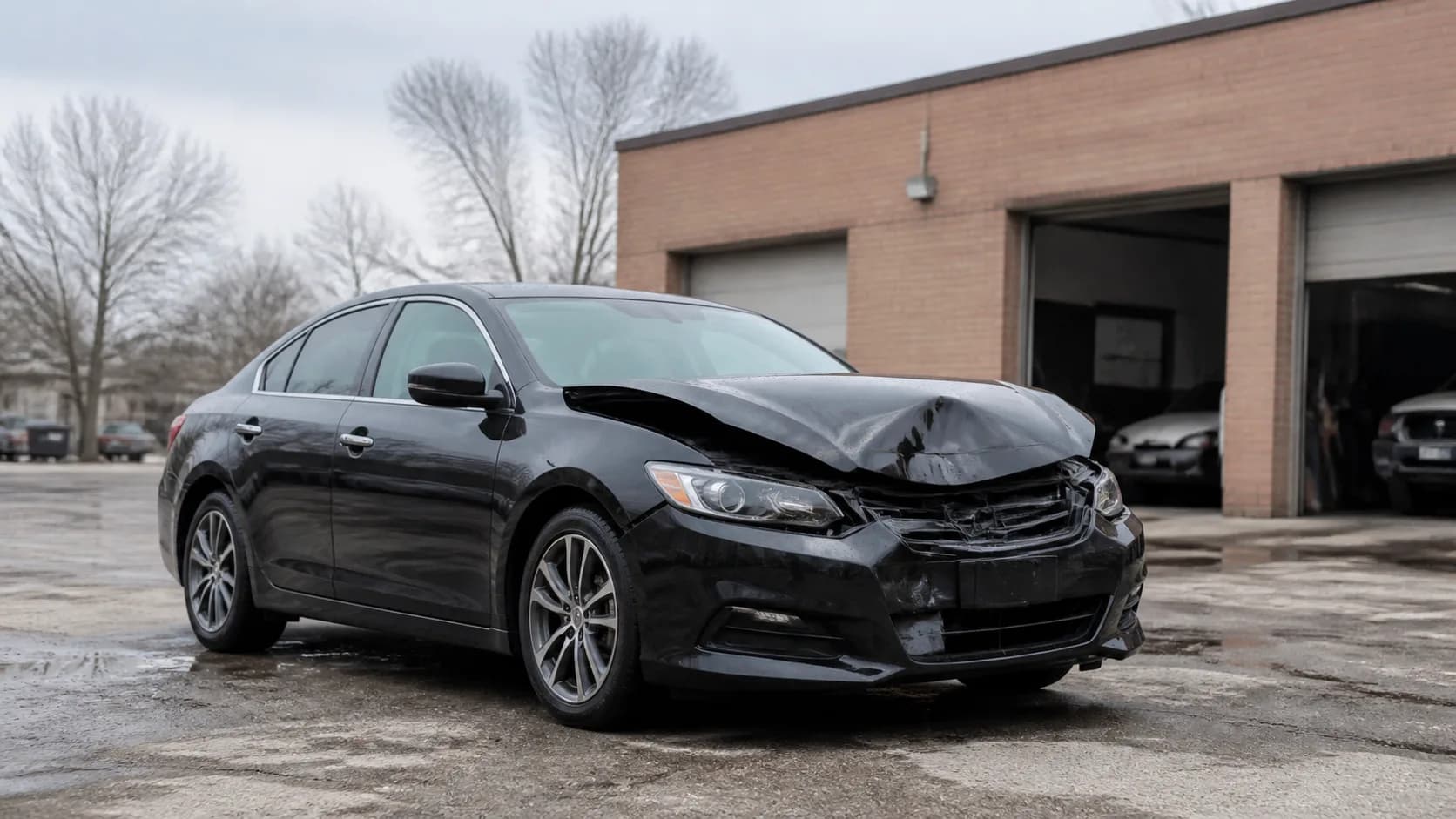
After a crash, the injury is only half the problem. The other half is practical: your car is damaged, you still have to get to work, school, and doctor appointments, and someone has to pay for a rental. This guide explains, in plain language, how rental cars and property-damage claims work in Indiana — who pays, how long you can keep a rental, what "loss of use" means if you do not rent, and how to protect yourself when the at-fault insurer drags its feet.

Key takeaways
- The at-fault driver's insurer is responsible for your vehicle damage and generally owes you a reasonable rental or loss-of-use while your car is repaired — but only after it accepts liability.
- Your own rental reimbursement coverage is often the fastest option. It is optional in Indiana, has daily and total dollar caps, and can be reimbursed later from the at-fault carrier.
- You do not have to rent a car to be owed something. If you go without a vehicle, you may still claim "loss of use."
- Rentals are not open-ended. Insurers pay for a reasonable repair period, and Indiana law expects you to keep your losses reasonable.
- Property-damage claims have a two-year deadline in Indiana, and your own fault can reduce or bar recovery under the state's comparative-fault rule.
- Documentation wins these disputes: photos, the crash report, repair estimates, and every rental and towing receipt.
Who pays for a rental car after an Indiana crash?
There is no single answer, because it depends on whose insurance steps in first. In Indiana, three sources commonly pay for a rental after a wreck:
- The at-fault driver's liability insurance. Every Indiana driver is required to carry liability coverage, including at least $25,000 for property damage in one accident. If the other driver is clearly at fault, that carrier should pay to fix your car and provide a comparable rental (or reimburse loss of use) while it is repaired.
- Your own rental reimbursement coverage. This is optional add-on coverage on your policy. If you have it, your insurer will pay for a rental up to a daily limit (often something like $30–$50 per day) and a total cap, usually while your car is being repaired under your collision coverage.
- Your collision coverage carrier's rental benefit. If you file under your own collision coverage (because fault is disputed or the other driver is uninsured), your rental reimbursement rider typically travels with that claim.
The practical catch is timing. The other driver's insurer usually will not authorize a rental until it has accepted fault, and that investigation can take days or weeks. That is why drivers who carry their own rental coverage often use it right away and let the two insurance companies settle up afterward through subrogation. To understand how liability limits fit together, our overview of Indiana's minimum auto insurance requirements walks through what each policy is required to cover, and the Indiana BMV proof-of-financial-responsibility page[1] lists the required minimums.
Rental reimbursement vs. "loss of use"
People often assume the only way to be compensated for losing their car is to actually rent one. Not so. Indiana recognizes two different ways to be made whole while your car is unavailable:
- Rental reimbursement: You rent a comparable vehicle and the responsible insurer pays the actual, reasonable rental cost while your car is repaired.
- Loss of use: You choose not to rent — maybe you borrow a relative's car or manage without one — and instead claim the reasonable value of not having your vehicle for the repair period. Loss-of-use damages are typically measured by what a comparable rental would have cost, even if you never rented.
Loss of use matters for people who do not want the hassle of a rental but still lost real value while their car sat in a body shop. The key is that the amount must be reasonable and tied to the time a reasonable repair actually takes.
How long can you keep the rental?
A rental after a crash is meant to cover the reasonable repair period, not an indefinite loaner. In practice that means:
- Repairable car: The insurer generally pays for a rental from the time your car goes out of service until the repair shop reasonably finishes — including a fair allowance for parts delays that are outside your control.
- Total loss: If your car is totaled, insurers typically pay for a rental only for a shorter window — usually a few days after they make you a settlement offer on the vehicle's value — because at that point your loss is the car's value, not ongoing repair time. Our guide to what happens if your car is totaled after an Indiana accident explains how actual cash value, loans, and gap coverage fit in.
Because rentals are capped in time and dollars, do not let one run longer than necessary. If the shop is waiting on a part, ask for that in writing so you can show the delay was reasonable and out of your hands.
Comparing your rental options
Here is a quick side-by-side of the common ways an Indiana driver ends up with a rental after a crash.
| Source | When it applies | Speed | Limits / catch |
|---|---|---|---|
| At-fault driver's liability insurer | Other driver clearly at fault and their carrier accepts liability | Slower — waits on fault decision | No deductible to you, but nothing until fault is accepted |
| Your rental reimbursement coverage | You bought this optional add-on | Fast — available right away | Daily and total dollar caps; tied to a covered claim |
| Your collision coverage claim | Fault disputed, or other driver uninsured | Fast, but you pay your deductible first | Deductible may be reimbursed later; rental rider still applies |
| Loss of use (no rental) | You go without a vehicle during repairs | Paid as part of the property-damage settlement | Must be reasonable and tied to repair time |

When the at-fault insurer delays or disputes fault
The most common frustration is simple: the other driver caused the crash, but their insurance company will not authorize a rental while it "investigates." That delay is not always improper, but it can be used as a stall tactic. A few things help:
- Use your own coverage in the meantime. If you carry collision and rental reimbursement, you do not have to wait on the other carrier. Your insurer can pursue the at-fault carrier for repayment (including your deductible) through subrogation.
- Get the crash report. An Indiana officer's crash report documenting the other driver's fault gives the adjuster far less room to delay.
- Put requests in writing. Ask the adjuster, in writing, when they will make a liability decision and authorize a rental. A paper trail matters if the delay becomes unreasonable.
If an insurer flatly refuses to pay what it owes, our article on what to do when an insurance company won't pay after an Indiana car accident explains your options, including a complaint to the Indiana Department of Insurance[2] and, when needed, a lawsuit. Keep in mind that Indiana follows a modified comparative-fault rule: under the Indiana Comparative Fault Act (IC 34-51-2)[3], if you are found more than 50% at fault you cannot recover, and any recovery is reduced by your share of fault. Our explainer on Indiana's 51% fault rule shows how that can affect both your injury and your property-damage claim.
Documentation that protects your property-damage claim
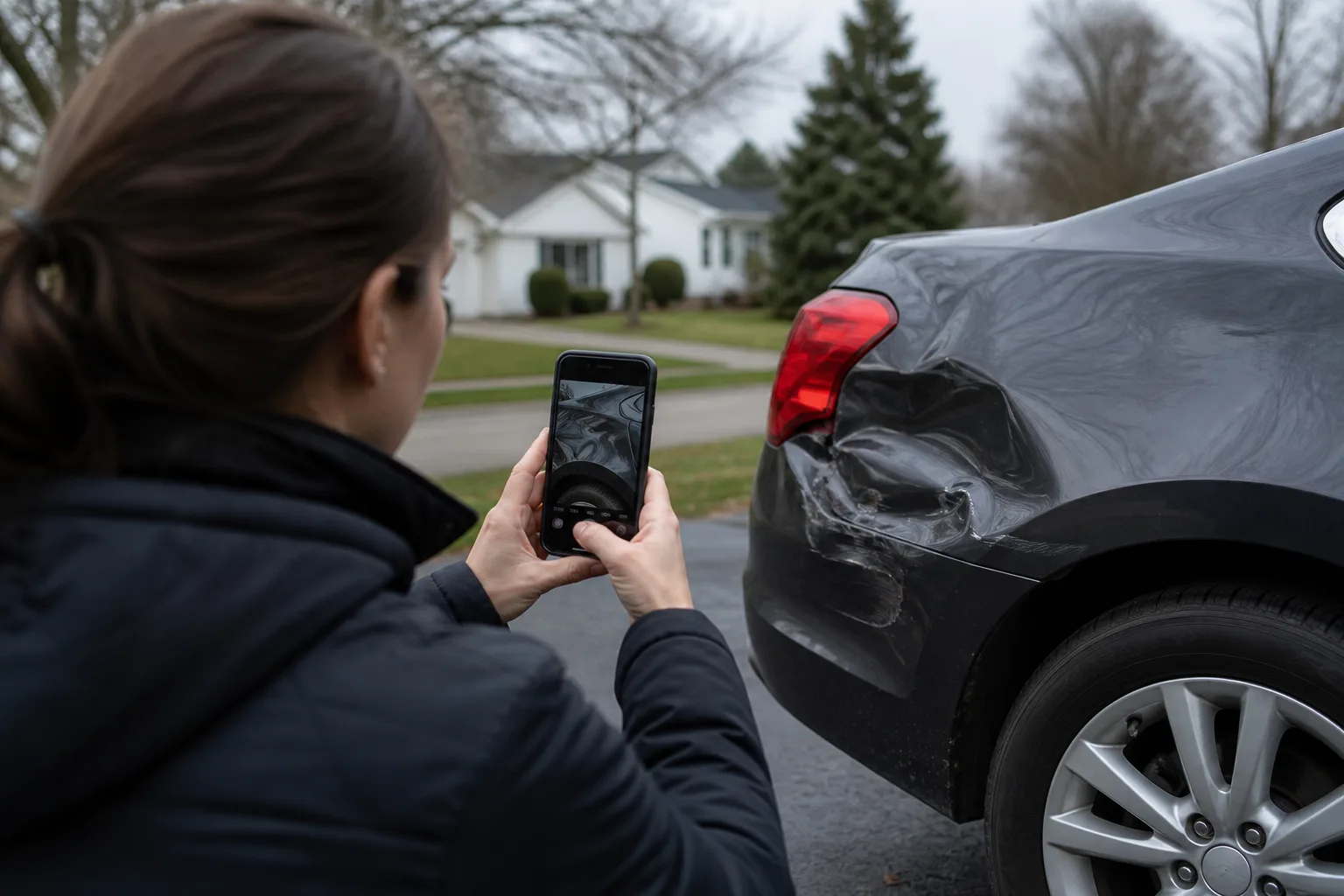
Property-damage and rental disputes are won with paper, not arguments. Before and during your claim, gather:
- Photos of all vehicle damage, the scene, and license plates.
- The Indiana crash report and the other driver's insurance information.
- At least one written repair estimate (more if fault or value is disputed).
- Every rental receipt and the rental agreement showing the class of vehicle and dates.
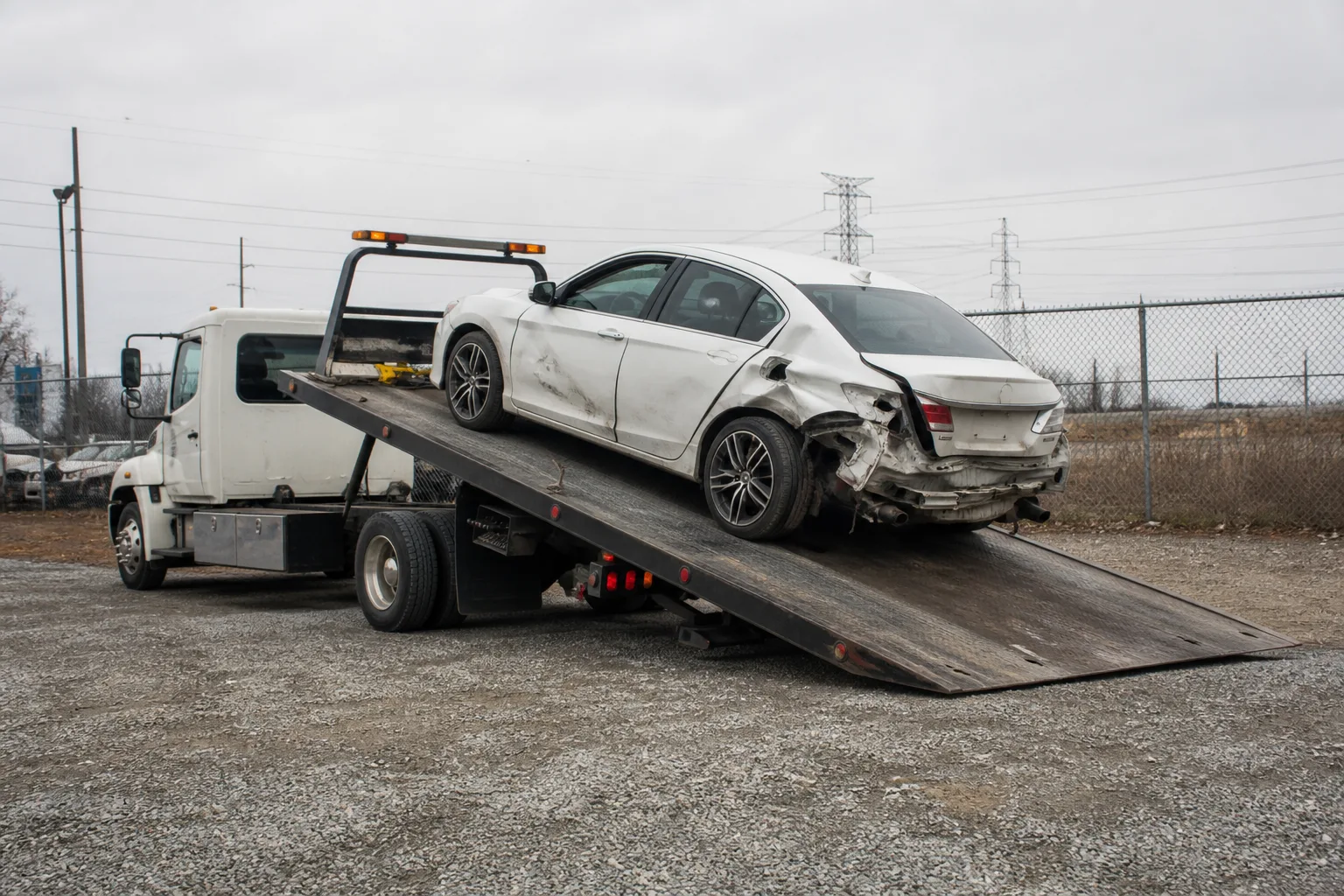
- Towing and storage receipts — these are recoverable too. See our guide to car towing and storage after an Indiana crash for how to retrieve your car and avoid runaway storage fees.
- Proof of the repair timeline, including any parts-delay notes from the shop.
Do not overlook diminished value — the loss in your car's resale value even after a quality repair. Indiana allows diminished-value claims in the right circumstances, and our guide on recovering diminished value after an Indiana car accident explains what you have to prove.

Deadlines you cannot ignore
Property damage is not exempt from Indiana's deadlines. Under Indiana Code 34-11-2-4[4], an action for injury to personal property must generally be filed within two years after the crash. That clock covers your vehicle-damage claim, not just injuries. If a city, county, or state vehicle was involved, shorter government tort-claim notice deadlines can apply. Because a rental and repair dispute can quietly turn into a larger injury claim, it is worth understanding the full picture early. Our Fort Wayne car accident page covers how property-damage and injury claims often move together, and you can organize your numbers with our Fort Wayne car accident settlement calculator.
Frequently Asked Questions
Does the other driver's insurance have to give me a rental car in Indiana?
If the other driver is at fault, their liability insurer generally must pay for a reasonable rental or loss of use while your car is repaired, because Indiana requires drivers to carry at least $25,000 in property-damage liability coverage. The practical problem is that the insurer usually will not authorize the rental until it accepts fault, which can take time.
What if I don't have rental reimbursement coverage?
You can still pursue the at-fault driver's insurer for a rental or loss of use, and you can rent a car and seek reimbursement. The risk is timing and cost — without your own coverage, you may have to pay out of pocket first and wait to be repaid, so keep every receipt and keep the rental period reasonable.
Can I get money if I don't rent a car at all?
Yes. Indiana recognizes "loss of use," which compensates you for being without your vehicle during the reasonable repair period even if you never rented one. It is usually measured by what a comparable rental would have cost.
How long will insurance pay for my rental?
Generally for the reasonable time it takes to repair your car, including fair allowances for parts delays outside your control. If your car is a total loss, insurers usually pay for only a short period after they make a settlement offer on the vehicle's value.
The at-fault insurer is stalling. What can I do?
Use your own collision and rental coverage if you have it, get the crash report documenting the other driver's fault, and put your requests in writing. If the insurer refuses to pay what it owes, you can file a complaint with the Indiana Department of Insurance and, if necessary, pursue a claim in court within the two-year deadline.
Is there a deadline to make a property-damage claim in Indiana?
Yes. Indiana generally gives you two years from the date of the crash to file a lawsuit for damage to your vehicle. Government-vehicle claims have shorter notice deadlines, so do not wait if a public agency was involved.
Talking to someone if the claim gets complicated
A rental and a dented bumper can be handled directly with an insurer. But when fault is disputed, the other driver is uninsured, your car is totaled, or you were also injured, the property-damage piece is rarely the whole story. If you were hurt and are not sure what to do next, a free consultation can help you understand your options and the deadlines that may apply. Delventhal Law Office can review what happened, explain how the property-damage and injury pieces fit together, and help you decide the next step — you do not have to figure out the insurance process alone. You can reach our team through our Fort Wayne office contact page.
This article is general information about Indiana law and is not legal advice. Reading it does not create an attorney-client relationship. For advice about your specific situation, please consult a licensed Indiana attorney.