A totaled car creates two problems at once: you need transportation now, and you need to make sure the insurance company is not undervaluing the vehicle. If you were also hurt, the property-damage claim can distract from medical care, wage loss, and the injury claim.
Delventhal Law Office helps injured people with Indiana car accident claims. This guide explains the vehicle side in plain language so you can protect documents, ask better questions, and avoid signing away more than you intend.
For an item-by-item look at the payment, see our guide to sales tax, title fees, and registration costs after an Indiana total loss.
Key takeaways
- “Totaled” usually means the vehicle is not economical to repair compared with its pre-loss value and salvage value.
- The property-damage claim is different from the bodily-injury claim.
- The payout is usually based on actual cash value, not the cost of a brand-new replacement.
- If you have a loan, the lender is commonly paid first.
- Gap coverage may matter if the loan balance is higher than the vehicle value.
- You can ask for the valuation basis and dispute missing options, wrong trim, mileage, condition, or weak comparables.
Contents
- What “totaled” means
- How the payout works
- Loans, leases, and gap coverage
- How to challenge the value
- How a total loss affects the injury claim
- FAQ
What does “totaled” mean in Indiana?
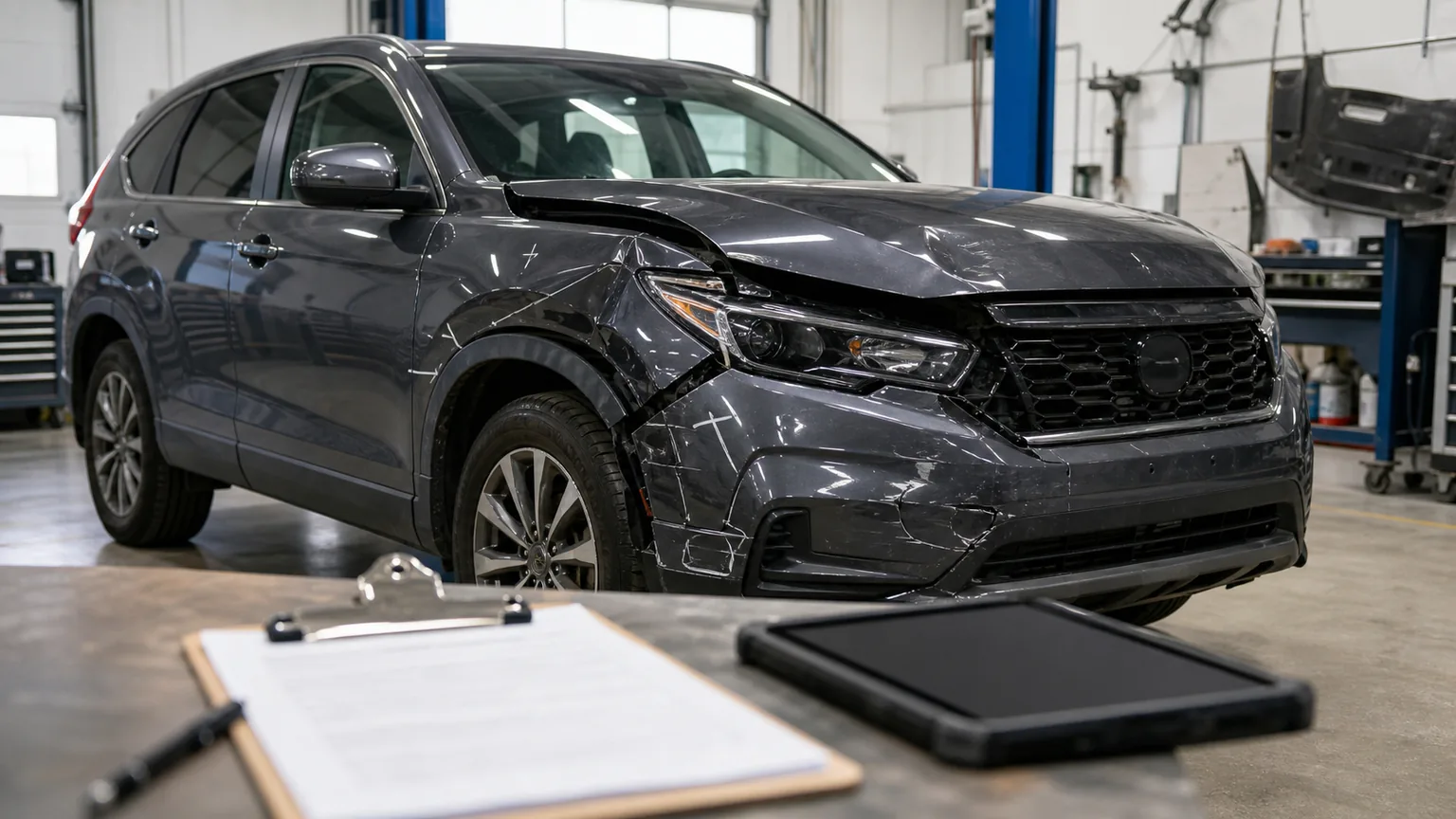
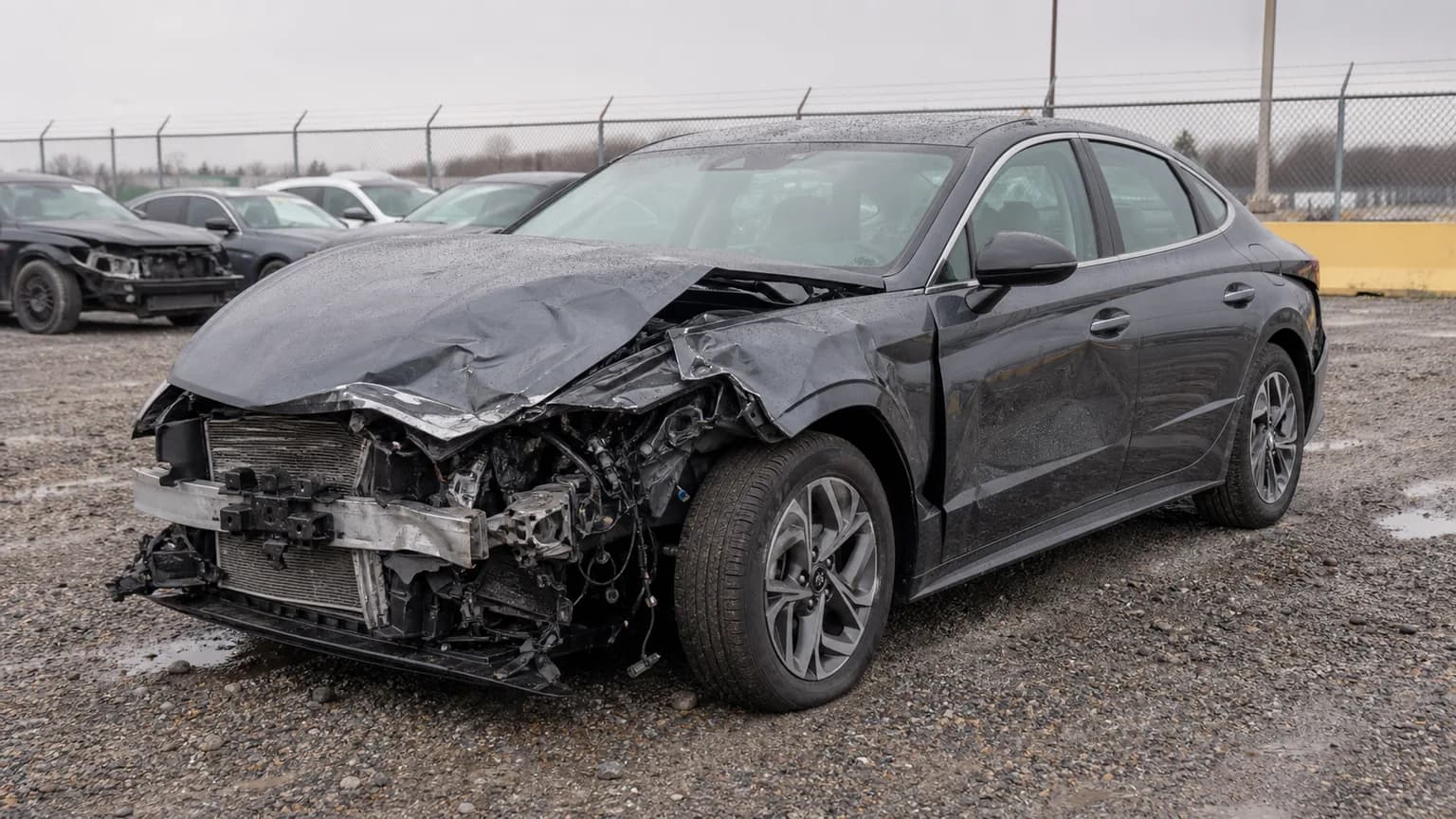
In everyday language, a car is “totaled” when repairing it does not make economic sense. Indiana salvage-title law and insurance practice often focus on the relationship between repair cost, salvage value, and the vehicle’s fair market or actual cash value before the crash.[1]
Do not confuse a total loss with the seriousness of your injuries. A vehicle can be totaled while the driver has modest injuries, and a vehicle can look repairable while a person has a serious neck, back, shoulder, concussion, or internal injury.
How the insurance payout usually works
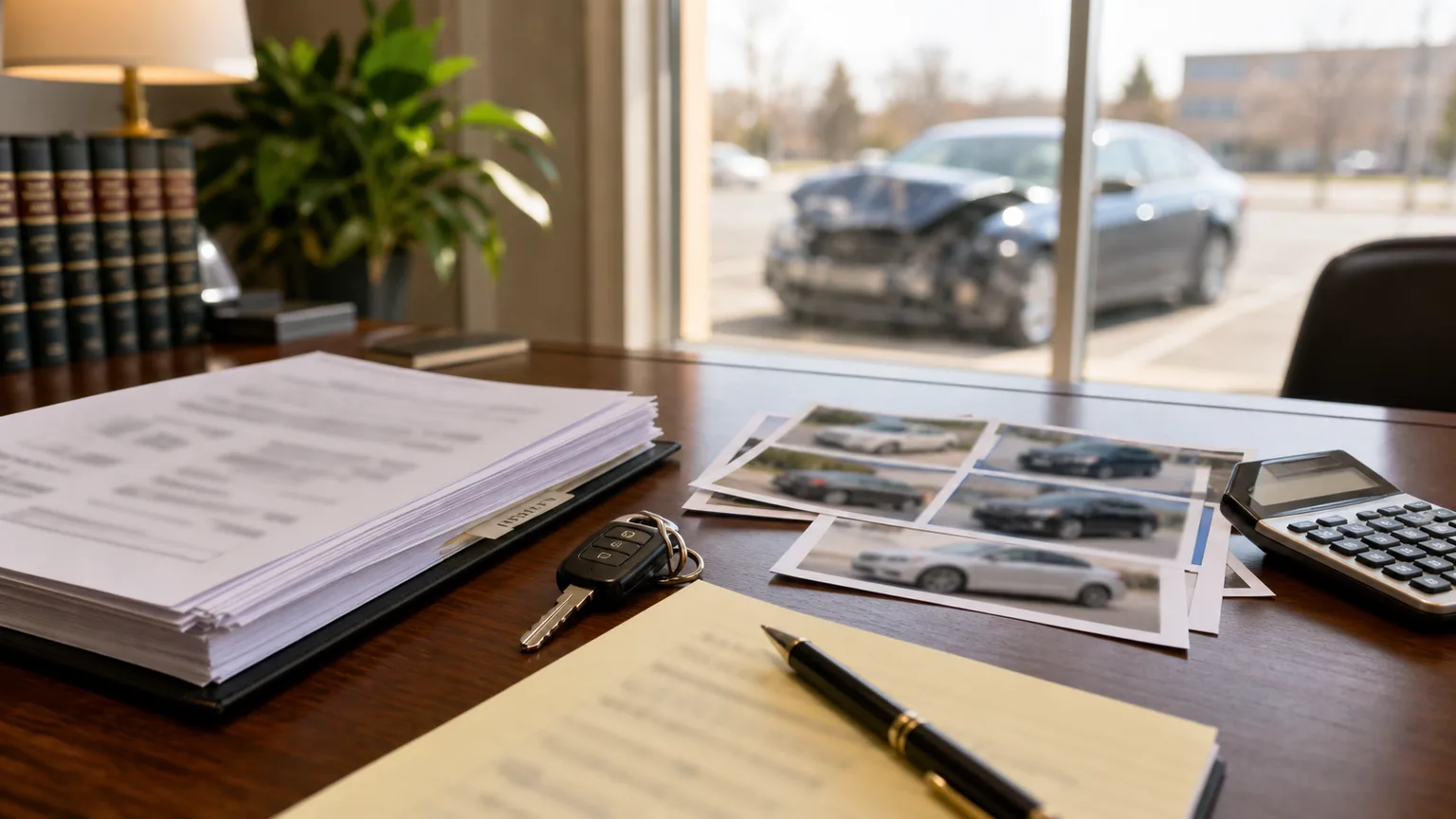
The insurer usually calculates the pre-crash actual cash value, applies coverage and deductible rules, resolves the title/salvage issue, and issues payment. If the at-fault driver’s insurer is paying, there may be no deductible. If you use your own collision coverage, your deductible may be subtracted unless it is later recovered.
Indiana’s Department of Insurance advises consumers to know their policy, keep copies of claim communications, ask questions about disputed settlements, and avoid rushing into a settlement that does not meet expectations.[2] You can use our Indiana car accident settlement calculator to organize the factors that may affect a claim’s value; it is an educational tool, not a promise of any result.
What if you still owe money on the car?
For a document-by-document approach, see our loan payoff and account checklist after an Indiana total loss.
For a focused explanation of the financing shortfall and how it differs from injury compensation, read what gap insurance does after an Indiana total loss.

If there is a loan or lease, the lender’s lien usually has to be addressed. If the total-loss payment is more than the payoff, the remaining amount may come to you. If it is less than the payoff, you may still owe the balance unless gap coverage, a lease product, or another contract applies.
How to challenge a low total-loss offer
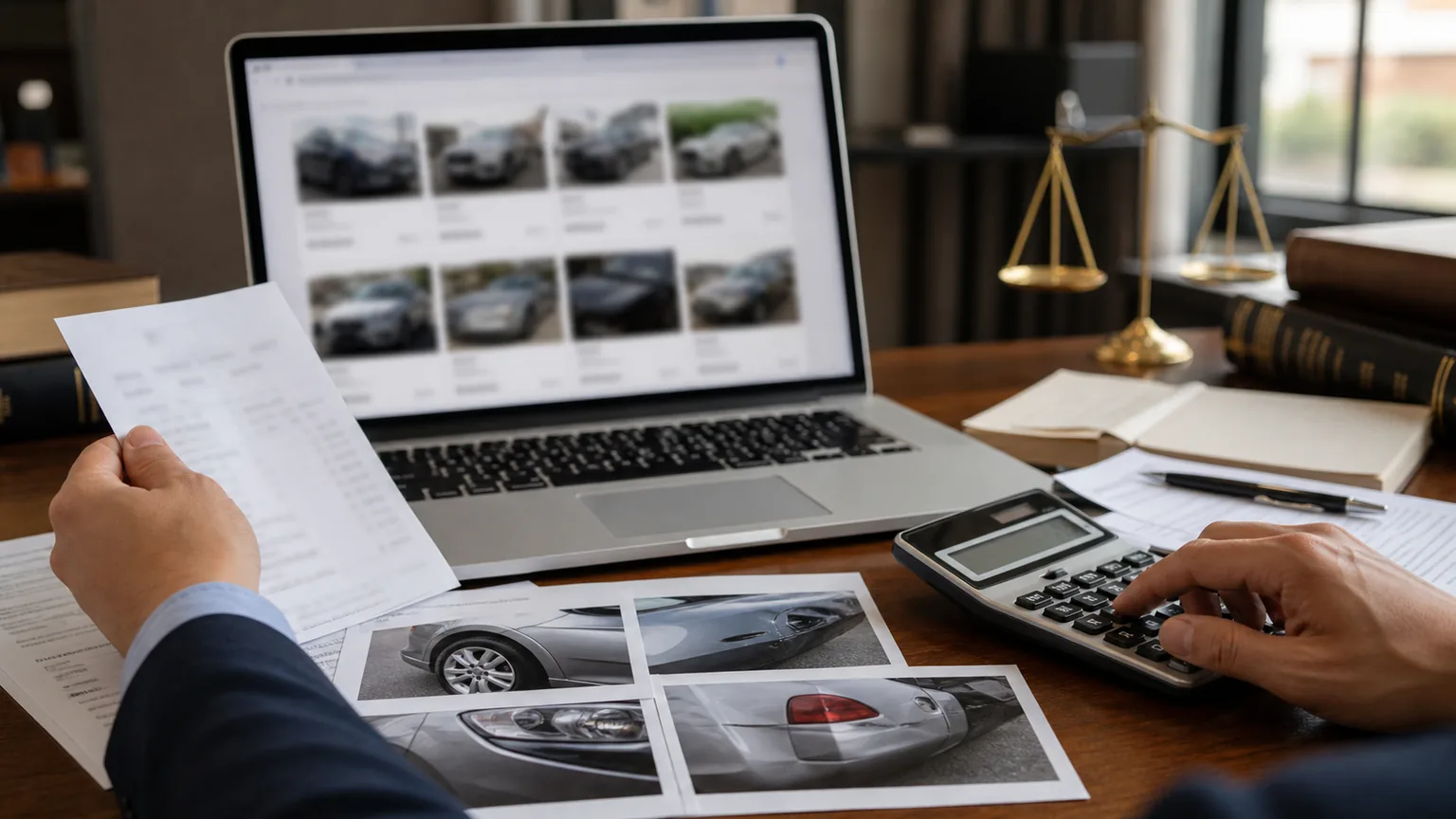
- Ask for the full valuation report and comparable vehicles.
- Check year, make, model, trim, drivetrain, mileage, options, packages, and condition.
- Collect local listings for similar vehicles near Fort Wayne and northeast Indiana.
- Provide maintenance records, recent tires, major repairs, and pre-crash photos if they support condition.
- Ask whether taxes, title fees, towing, storage, and rental/loss-of-use issues are included or handled separately.
- Review your policy for appraisal or dispute-resolution language if using your own coverage.
Can you keep the totaled car?
Sometimes. If you retain the vehicle, the insurer generally reduces the total-loss payment by the vehicle’s salvage value because you—not the insurer—keep the remaining asset. Ask for both figures in writing: the agreed pre-loss value and the salvage deduction.
Indiana’s owner-retained salvage process also creates title obligations. The BMV salvage-title packet states that an owner who keeps a salvage vehicle after an insurance settlement must apply for a salvage title not later than 45 days after settlement of the loss.[3] That is a title deadline tied to owner-retained salvage, not extra time to negotiate the insurance claim.
A salvage vehicle cannot simply be repaired and treated like an ordinary titled car. Before returning it to the road, the owner generally must complete repairs, document the major component parts and work, obtain the required inspection, and apply through the BMV’s restored-salvage/rebuilt-title process. Review the current BMV forms and requirements before buying parts or beginning repairs.[4]
Consider the practical costs as well. A lender may restrict owner-retained salvage or require its lien to be paid; some insurers limit physical-damage coverage or decline the vehicle; a branded title can reduce resale and trade-in value; and hidden structural, restraint-system, electrical, or mechanical damage can make a repair uneconomical or unsafe. Get repair and insurance estimates before deciding.
Preserve important vehicle evidence first. If a serious injury, the crash mechanics, or a possible vehicle or component defect is disputed, photograph and document the vehicle and consider arranging an appropriate inspection before surrender, repair, dismantling, or disposal. What should be preserved depends on the issues and available evidence; the fact that a vehicle changes hands does not create the same consequence in every case.
How a total loss affects your injury claim

A totaled car can support the story of a hard impact, but it does not automatically prove injury value. Likewise, minor visible damage does not rule out injury. The injury claim still depends on medical documentation, diagnosis, treatment, work impact, pain, impairment, and how the crash mechanics fit the injuries.
Helpful related guides include who pays medical bills after an Indiana car accident, why low-impact crashes can still cause serious pain, and what happens when the other driver only has minimum insurance.
Total-loss checklist
- Get the claim number, adjuster contact, and coverage basis.
- Remove personal property from the vehicle and photograph the vehicle before release if safe.
- Ask where the car is stored and whether storage fees are accruing.
- Request the valuation report and comparables.
- Confirm the loan payoff and whether gap coverage exists.
- Do not sign a release that appears to release bodily-injury claims unless you understand it.
- Save towing, rental, title, registration, tax, and replacement-vehicle documents.
If you were hurt and the vehicle claim is getting tangled with the injury claim, call 260-484-6655 or request a free case evaluation.
Frequently asked questions
Is my Indiana totaled-car claim separate from my injury claim?
Usually, yes. Property damage and bodily injury may be handled by the same insurer, but they involve different damages and should not be released accidentally together.
Do I have to accept the first total-loss offer?
No. You can ask for the valuation support and provide better comparable vehicles or condition evidence if the offer is too low.
What if the total-loss payment is less than my loan?
The lender may still expect the remaining balance unless gap coverage or another contract applies.
Can a car be totaled even if I feel okay at the scene?
Yes. Vehicle damage and human injury do not always line up perfectly. Get medical care if symptoms develop or you are concerned.
Sources and authority
- Salvage Title Application Packet, Indiana Bureau of Motor Vehicles, accessed June 21, 2026, https://www.in.gov/bmv/titles/files/Salvage_Title_Application_Packet.pdf[1].
- Insurance Claim Tips, Indiana Department of Insurance, accessed June 21, 2026, https://www.in.gov/idoi/consumer-services/insurance-claim-tips/[2].
- Salvage Title Application Packet, Indiana Bureau of Motor Vehicles, accessed August 27, 2026, https://www.in.gov/bmv/titles/files/Salvage_Title_Application_Packet.pdf[1].
- Salvage Motor Vehicle Restoration Title Application Packet, Indiana Bureau of Motor Vehicles, accessed August 27, 2026, https://www.in.gov/bmv/titles/files/Salvage_Restoration_Packet.pdf[3].
This article is general information for Indiana readers, not legal advice for a specific case. Reading it does not create an attorney-client relationship, and neither does contacting us. If you do contact us about a possible claim, Indiana Rule of Professional Conduct 1.18 requires us to keep what you tell us confidential whether or not we take the case — but please do not send documents or detailed facts until we have agreed in writing to represent you.