This article focuses on the narrow issue of whether a reported lapse was effective and which records help answer it. For a broader overview, see Delventhal’s guide to a crash involving a driver without a valid policy.
Key takeaways
- A policy can end through cancellation, expiration, or nonrenewal. Those are not interchangeable, and the effective date matters.
- Indiana’s cancellation rules can require advance notice. A nonpayment cancellation governed by Indiana Code 27-7-6-5[1] generally requires at least 10 days’ mailed notice and a written reason.
- Indiana Code 27-7-5-2[2] permits a named insured to reject both uninsured- and underinsured-motorist coverage, or either coverage when offered separately, in writing.
- The IDOI guide describes medical-payments coverage as paying covered medical bills up to the policy limit and collision coverage as paying vehicle damage from a collision or upset, subject to a deductible.
What does “insurance lapsed” mean after a crash?
“Lapsed” is often used loosely. IDOI treats cancellation and nonrenewal as separate events and identifies nonpayment as a permitted cancellation reason after the first 60 days.
The Indiana Department of Insurance auto-insurance guide[3] explains that, after a new auto policy has been in effect for 60 days, an insurer may cancel only for specified reasons such as nonpayment of premium or loss of a driver’s license. The same guide distinguishes cancellation from an insurer’s decision not to renew at the end of a policy period.
For covered automobile policies, Indiana Code 27-7-6-5[1] generally requires cancellation notice to be mailed at least 20 days before the effective date. For nonpayment of premium, the statute generally requires at least 10 days’ mailed notice accompanied by a written statement of the reason.
How can you check whether the policy was in force?
IDOI describes the policy as a contract and advises consumers to understand what it covers, what it excludes, and the deductibles.
Delventhal suggests building a date-specific policy record that includes:
- the policy period and crash date;
- the named insured, listed vehicles, and relevant driver information;
- the premium due date and available payment history;
- the date, method, address, and stated reason for any cancellation notice;
- any renewal, reinstatement, rewrite, or replacement-policy documents; and
- The written denial and the policy language it identifies
The Indiana Department of Insurance claim tips[4] tell consumers to obtain a written denial explaining the reason and the specific policy language when a disagreement results in denial. They also recommend keeping copies and a dated record of communications.
Other documents may also need review. Vehicle ownership, permissive use, household relationships, and work activity can identify other documents worth requesting. For broader help, see Delventhal’s Indiana car-accident guide. Related reading includes guides to borrowed cars and work-related driving.
Which coverage paths should be investigated?
Start with the complete forms and endorsements effective on the crash date. IDOI advises consumers to know what the policy covers, what it excludes, and the deductibles.
| Possible path | What to examine |
|---|---|
| Uninsured-motorist bodily-injury coverage | The complete policy, who qualifies as an insured, the vehicle and use facts, the statutory definition, limits, conditions, and any written rejection. |
| Uninsured-motorist property-damage coverage | Whether the contract provides it and its definitions, deductible, vehicle, proof, and loss requirements. |
| Medical-payments coverage | Whether the policy includes MedPay, who is insured, which bills qualify, the limit, and any coordination provisions. |
| Collision coverage | Does the damaged vehicle have collision coverage, and what deductible applies? |
| Another liability policy | Vehicle ownership, permissive use, household, employer, commercial-use, or replacement-policy facts connecting the loss to another contract. |
| Claim against the responsible person | Whether a personal claim would be useful in practice. |
The IDOI auto-insurance guide[3] describes medical-payments, collision, uninsured-motorist, and underinsured-motorist coverage as separate categories. It does not say that every policy contains every optional category.
Indiana Code 27-7-5-2[2] generally requires uninsured- and underinsured-motorist coverage to be made available with covered automobile liability policies, subject to statutory exceptions and written rejection rules. A named insured may reject both coverages or, when offered separately, either coverage in writing. Indiana Code 27-7-5-4[5] supplies statutory definitions used in the UM/UIM chapter.

What should you do next?
- Report the crash to your own insurer promptly. IDOI warns that a policy may require notice within a stated time.
- Obtain a written denial. IDOI says a denial letter should explain the reason and identify the specific policy language used.
- Collect the document sets listed below. Keep each file in its original form and work from a copy.
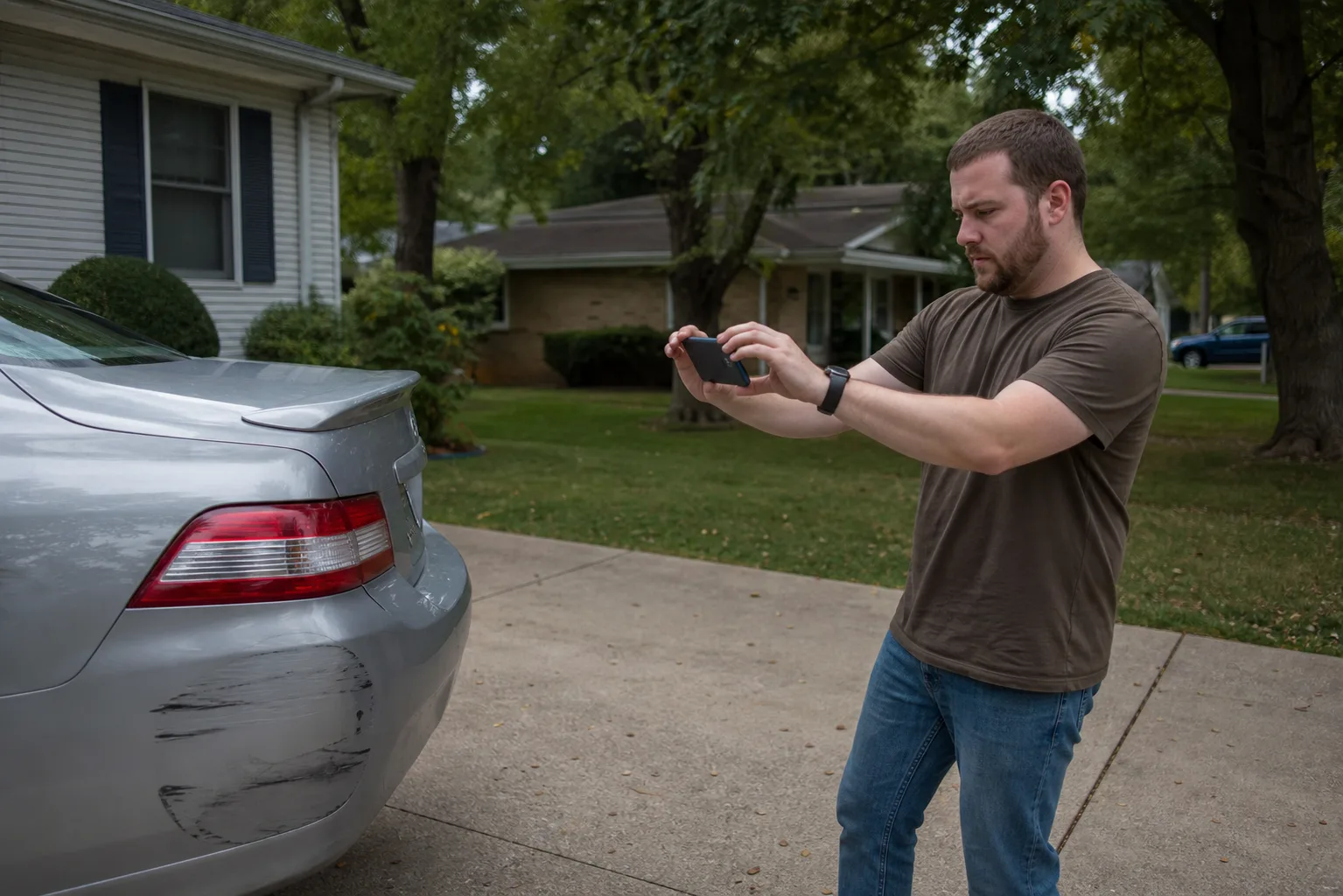
- Preserve fault and damages evidence. Keep the crash report, photographs, video, witness information, medical records, bills, wage records, estimates, and correspondence.
- Keep a communication log. Record the date, person, company, and substance of each call or message.
- Do not rush a settlement. IDOI advises consumers not to rush into a settlement and to seek professional advice when they have questions about fairness. Read each proposed document before deciding.
For organization, Delventhal’s educational car-accident claim calculator can help list bills, wage loss, fault, and insurance factors. It does not value a claim or predict a result.
Which deadlines and policy duties may matter?
Indiana Code 34-11-2-4[6] generally provides a two-year limitations period for actions involving injury to a person or character and injury to personal property. Different rules, exceptions, and shorter notice requirements can apply, including when a government entity may be involved; see the firm’s guide to Indiana government tort claim notices.
Your own policy may require prompt notice, cooperation, proof, examinations, or other steps. Those duties must be read from the complete contract. IDOI’s official claim tips advise filing as soon as possible because the policy may set a notification period.
For more, see Delventhal’s Indiana filing-time guide.
What if an insurer disputes coverage?
IDOI says that, when a disagreement results in denial, the consumer should obtain a written letter explaining the reason and the specific policy language used.
The Indiana Department of Insurance complaint page[7] says consumers should first contact the company, agent, or broker. If the issue is not resolved satisfactorily, consumers may submit a complaint with supporting documents such as declarations, cancelled checks, denial letters, and correspondence.
IDOI’s description of what the agency can and cannot do[8] says it may obtain explanations, review compliance, explain policy provisions, and take corrective action within its authority. It also says the agency cannot serve as a person’s legal representative or intervene in a pending lawsuit.
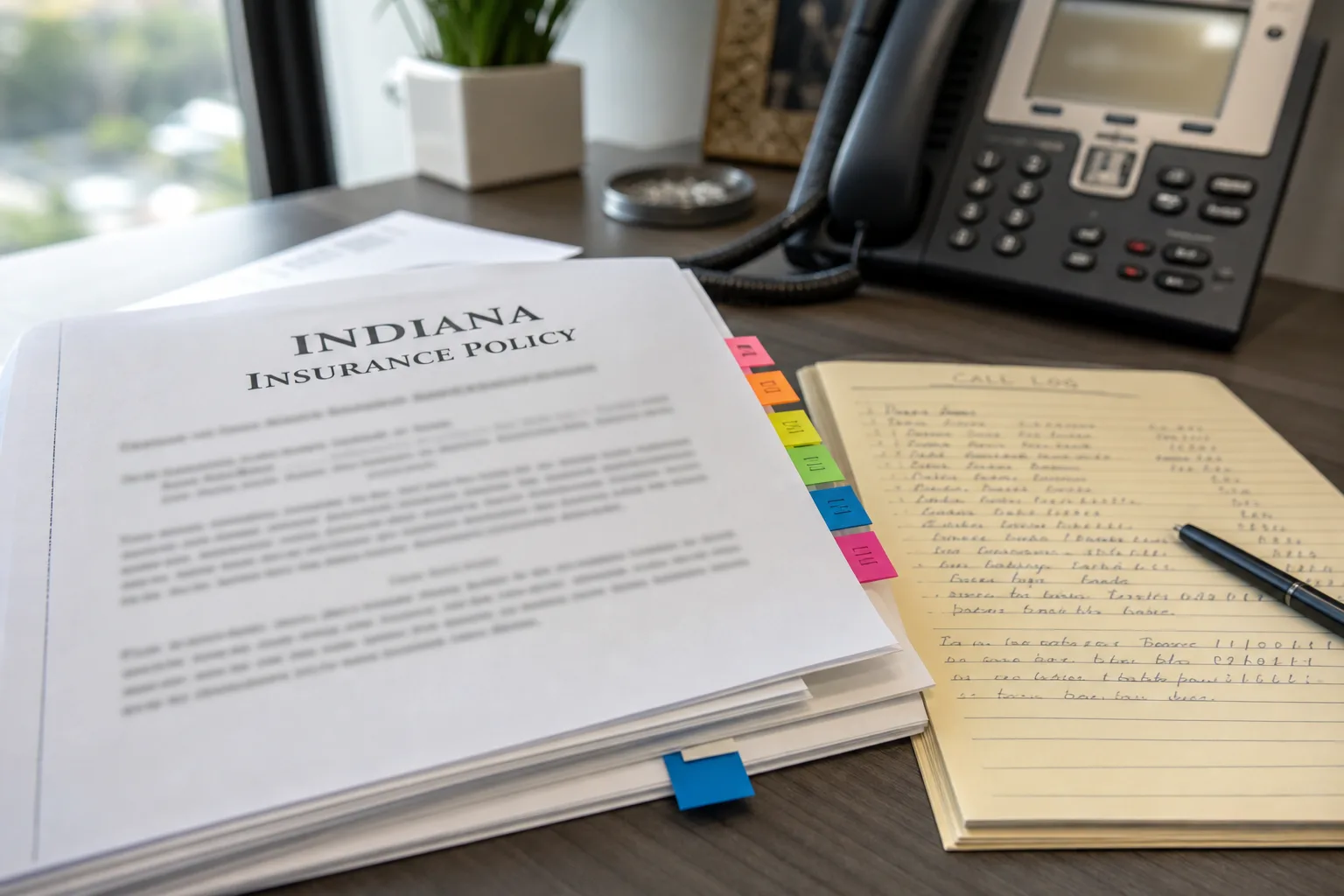
Documents that can clarify the coverage question
- Crash report, incident number, photographs, and witness information
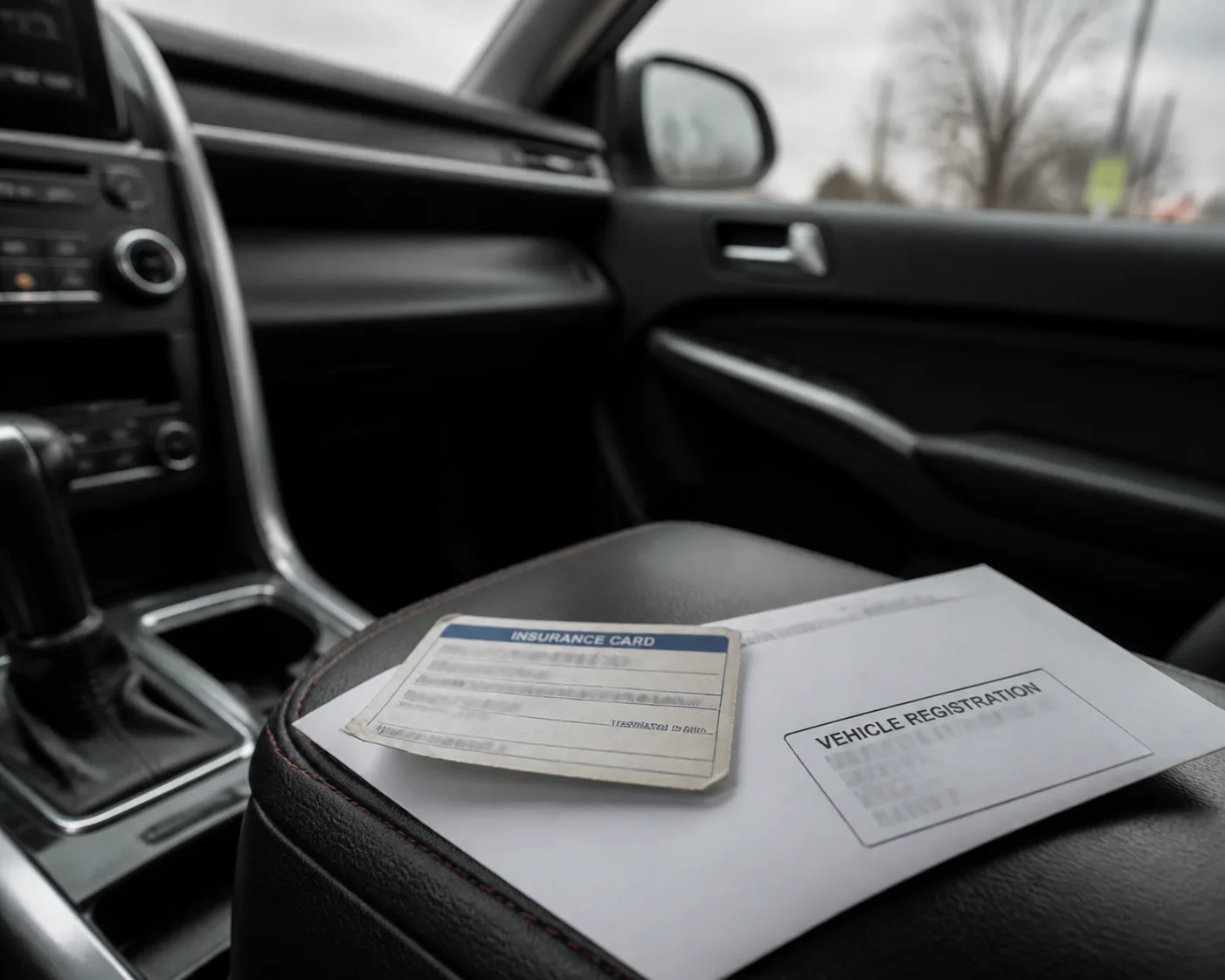
- The other driver’s insurance card and claim information
- Written denial, reservation-of-rights, cancellation, and nonrenewal letters
- Declarations pages, complete forms, and every endorsement effective on the crash date
- Any signed UM/UIM document
- Renewal, reinstatement, rewrite, and replacement-policy records
- Premium notices, payment confirmations, returned-payment records, and available mailing records
- Vehicle title, registration, ownership, permission, household, employer, and trip-purpose information
- Medical records, bills, wage records, repair estimates, and payment correspondence
This is Delventhal’s practical organization checklist, not a statement that every item exists or controls every claim. Preserve original files and work from copies. For a broader checklist, see evidence that can support an Indiana car-accident claim.

Frequently Asked Questions
Does a reported lapse automatically mean the driver was uninsured?
No. Confirm the crash date, asserted end date, reason, required notice, complete policy history, vehicle and driver facts, and whether another policy may apply.
Can an insurer cancel an Indiana auto policy without advance notice?
Indiana Code 27-7-6-5[1] generally requires at least 20 days’ mailed notice for a cancellation governed by that section and at least 10 days’ mailed notice plus a written reason for nonpayment cancellation.
Does uninsured-motorist coverage automatically apply?
No. Indiana Code 27-7-5-2[2] permits a named insured to reject both uninsured- and underinsured-motorist coverage, or either coverage when offered separately, in writing.
Can I use MedPay or collision coverage?
Potentially. IDOI describes medical-payments coverage as paying covered medical bills up to the policy limit and collision coverage as paying vehicle damage from a collision or upset, subject to a deductible.
What can the Indiana Department of Insurance do?
IDOI says it can obtain explanations, review compliance, explain provisions, and take appropriate corrective action within its authority. It cannot act as your legal representative or intervene for you in a pending lawsuit.
You may contact Delventhal Law Office to ask whether the firm can assist.
This article provides general information, not legal advice. The Scope of Indiana’s Rules of Professional Conduct[9] explains that whether an attorney-client relationship exists can depend on the circumstances and may be a question of fact. Indiana Rule of Professional Conduct 1.18[10] addresses duties relating to prospective clients. Contacting the firm does not necessarily mean that the firm represents you.
Sources
- Indiana Code 27-7-6-5 (iga.in.gov) ↩
- Indiana Code 27-7-5-2 (iga.in.gov) ↩
- Indiana Department of Insurance auto-insurance guide (in.gov) ↩
- Indiana Department of Insurance claim tips (in.gov) ↩
- Indiana Code 27-7-5-4 (iga.in.gov) ↩
- Indiana Code 34-11-2-4 (iga.in.gov) ↩
- Indiana Department of Insurance complaint page (in.gov) ↩
- description of what the agency can and cannot do (in.gov) ↩
- Scope of Indiana’s Rules of Professional Conduct (rules.incourts.gov) ↩
- Indiana Rule of Professional Conduct 1.18 (rules.incourts.gov) ↩