Hurt on Lake James, Jimmerson, Crooked, Big Long, Sylvan, Wawasee, or another northeast Indiana lake? Delventhal Law Office helps injured people sort out fault, insurance, medical proof, and evidence preservation after boat, jet ski, dock, marina, and lake accidents. Learn how we handle these cases on our Fort Wayne boating accident attorney page, call (260) 484-6655, or use our free case evaluation form.
Northeast Indiana has a lot of water for a landlocked part of the state. Families leave Fort Wayne for weekends on Lake James, Jimmerson Lake, Crooked Lake, Big Long Lake, Sylvan Lake, Lake Wawasee, Tippecanoe, Winona, Clear Lake, Snow Lake, and smaller private lakes across Steuben, LaGrange, Noble, Kosciusko, Whitley, and Allen counties.
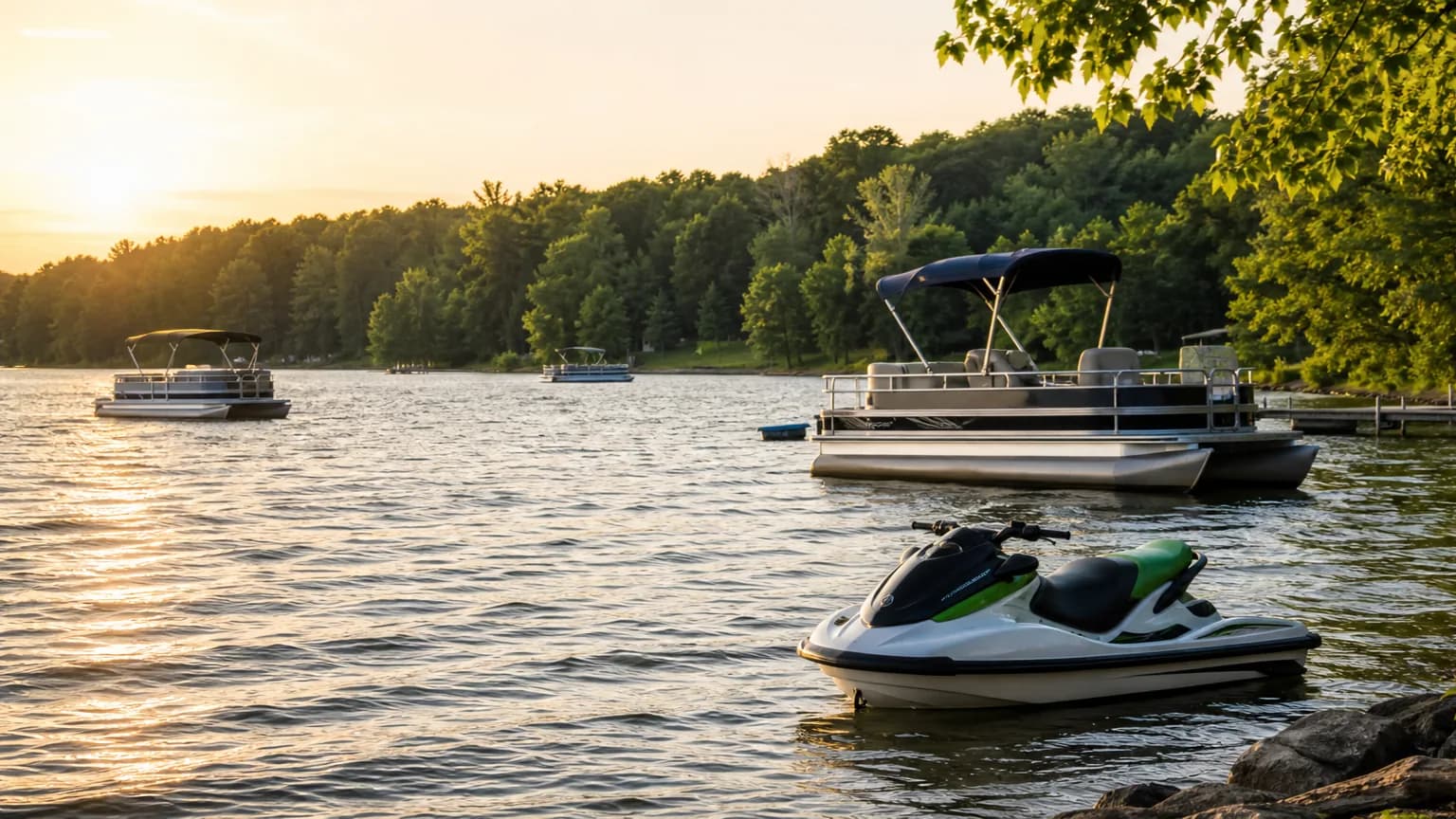
Most lake days are ordinary: pontoons, fishing boats, tubing, jet skis, docks, fireworks, and slow sunset rides. But when something goes wrong, a lake injury claim does not work exactly like a car accident claim. There may be no lane markings, no traffic light, no obvious crash report, no easy insurance exchange, and no single person who clearly owns the evidence.
This guide is a local follow-up to our broader article, What Happens If You’re Hurt in a Boating or Lake Accident in Indiana?. Here, we focus on northeast Indiana lakes and the practical steps that protect an injury claim after a boat, jet ski, dock, rental, marina, or tubing accident. If the injury is serious or coverage is unclear, our boating accident lawyer page explains the claim investigation in more detail.
Key takeaways
- Call for emergency help first. A lake injury can involve drowning risk, head trauma, spinal injury, propeller injury, fracture, hypothermia, or delayed symptoms.
- Indiana Conservation Officers may investigate serious boating incidents, but injured people should not assume every lake accident will be documented as cleanly as a car crash.
- Evidence disappears quickly: boats are moved, wakes settle, docks are repaired, rentals are returned, GPS/video data cycles over, and witnesses leave the lake.
- Jet ski and tubing cases often turn on lookout, speed, passenger instructions, safe distance, wake, intoxication, age/experience, and life-jacket use.
- Insurance may involve a watercraft policy, homeowner’s policy, umbrella policy, rental business coverage, marina policy, event-host coverage, or product-defect coverage.
- Do not give a recorded statement or sign a broad release before understanding the injury, insurance, and evidence picture.
First steps after a boat or jet ski accident on a northeast Indiana lake
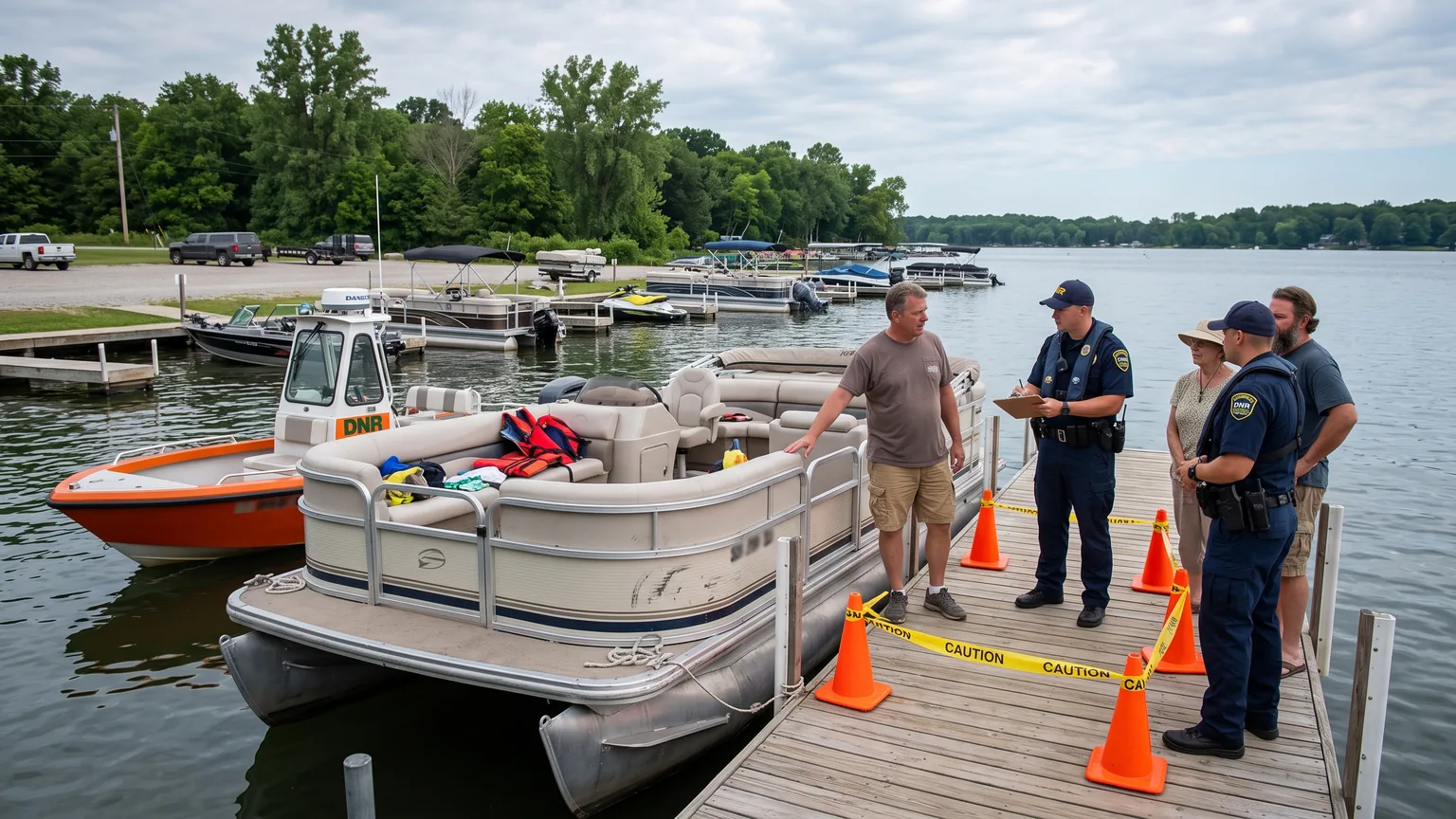
The first few minutes after a lake accident matter for safety and for the claim. Do these things if you can:
- Get everyone out of immediate danger. Move away from propellers, fuel, electrical hazards, unstable docks, moving watercraft, and deep water.
- Call 911 if anyone is hurt. Ask for medical help. If the incident is on a public lake or involves a serious boating incident, Indiana Conservation Officers may be involved.
- Do not leave the scene. Boat operators should stop, render reasonable assistance, and exchange information when an accident occurs.
- Identify every operator and owner. The person driving the boat or jet ski may not be the owner. A rental company, host, parent, marina, or business may also be involved.
- Photograph the scene. Get the boat/PWC, dock, shoreline, ramp, damage, injuries if appropriate, weather, lighting, safety equipment, registration numbers, rental documents, and surrounding vessels.
- Get witness names and phone numbers. Lake witnesses scatter fast. Get names from passengers, dock owners, nearby boaters, marina workers, and people on shore.
- Get medical care. Adrenaline and cold water can mask injuries. Head, neck, back, shoulder, knee, and concussion symptoms may become clearer later.
If an insurance adjuster contacts you quickly, be careful. A recorded statement can lock you into incomplete facts before you know what the medical records, Conservation Officer report, rental documents, or witness statements will show. We explain that risk in Insurance Adjuster Wants a Recorded Statement or Medical Release After an Indiana Accident — What Should You Do?.
Why northeast Indiana lake accident cases are different
A crash on I-69 usually has lanes, impact points, vehicle damage, a police report, and auto insurance. A lake accident may have none of that in a neat package. The claim may involve a pontoon boat near a sandbar, a jet ski crossing a wake, a tubing fall, a dock collapse, a propeller injury, a nighttime ride, a rental boat, or a guest hurt at a private lake property.
Northeast Indiana lake cases are especially fact-specific because the setting changes from lake to lake:
- Lake James / Jimmerson / Snow Lake chain: heavy seasonal traffic, connected water, pontoons, speedboats, fishing, rentals, and crowded holiday weekends.
- Crooked Lake and Big Long Lake: residential lake traffic, docks, smaller craft, fishing boats, and local rules or customs that may affect safe operation.
- Sylvan Lake and Noble County lakes: public access, fishing, pontoons, and mixed recreational use.
- Lake Wawasee / Syracuse area: large lake traffic, marinas, bigger boats, restaurants, events, rentals, and high summer volume.
- Private and association lakes: private docks, guest passengers, homeowner/umbrella coverage, and access-rule questions.
The exact lake matters because water depth, traffic patterns, visibility, public access, marina involvement, and local restrictions may all affect what was reasonable under the circumstances.
Common boat and jet ski accidents around northeast Indiana lakes
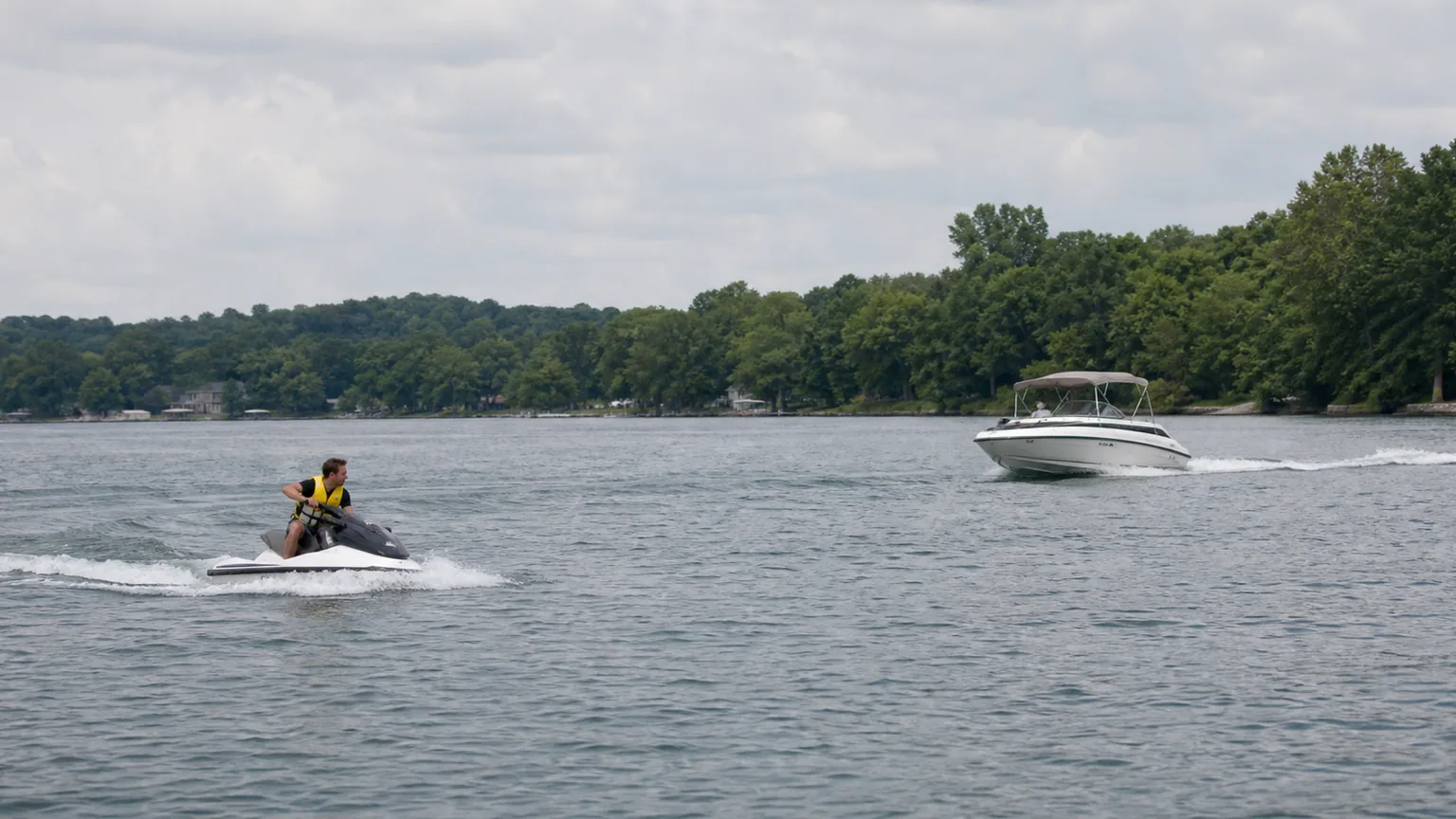
| Lake accident type | Common claim issues | Evidence to look for |
|---|---|---|
| Boat-to-boat collision | Speed, lookout, right-of-way, alcohol, lighting, wake, operator experience | Photos, witness statements, DNR report, GPS data, damage location, passenger videos |
| Jet ski / PWC collision | Unsafe speed, following too closely, sharp turns, operator age/experience, life jacket use | PWC condition, rental waiver, operator instructions, video, witness names, medical records |
| Tubing or waterskiing injury | Unsafe towing, no spotter, excessive speed, turns near docks/shore, inadequate warnings | Rope/tube photos, operator/spotter statements, boat path, passenger video, injury timeline |
| Passenger fall on pontoon or boat | Sudden acceleration, unsafe seating, alcohol, overcrowding, missing warnings | Boat layout, passenger seating, photos, owner/operator identity, medical records |
| Dock, marina, or ramp injury | Rotten boards, poor lighting, slippery surface, missing railings, negligent maintenance | Dock photos, prior complaints, maintenance records, property ownership, incident reports |
| Rental boat accident | Training, safety equipment, boat condition, negligent entrustment, paperwork, business insurance | Rental agreement, safety checklist, maintenance records, staff names, payment records |
Some claims are against another recreational boater. Others are premises-liability, negligent-entrustment, rental-company, product-defect, or alcohol-related claims. If a dock, marina, rental business, or unsafe property condition is involved, our Fort Wayne premises liability attorney page may be relevant. If a defective product or safety system is involved, see our product defect page.
Evidence to preserve after a lake accident
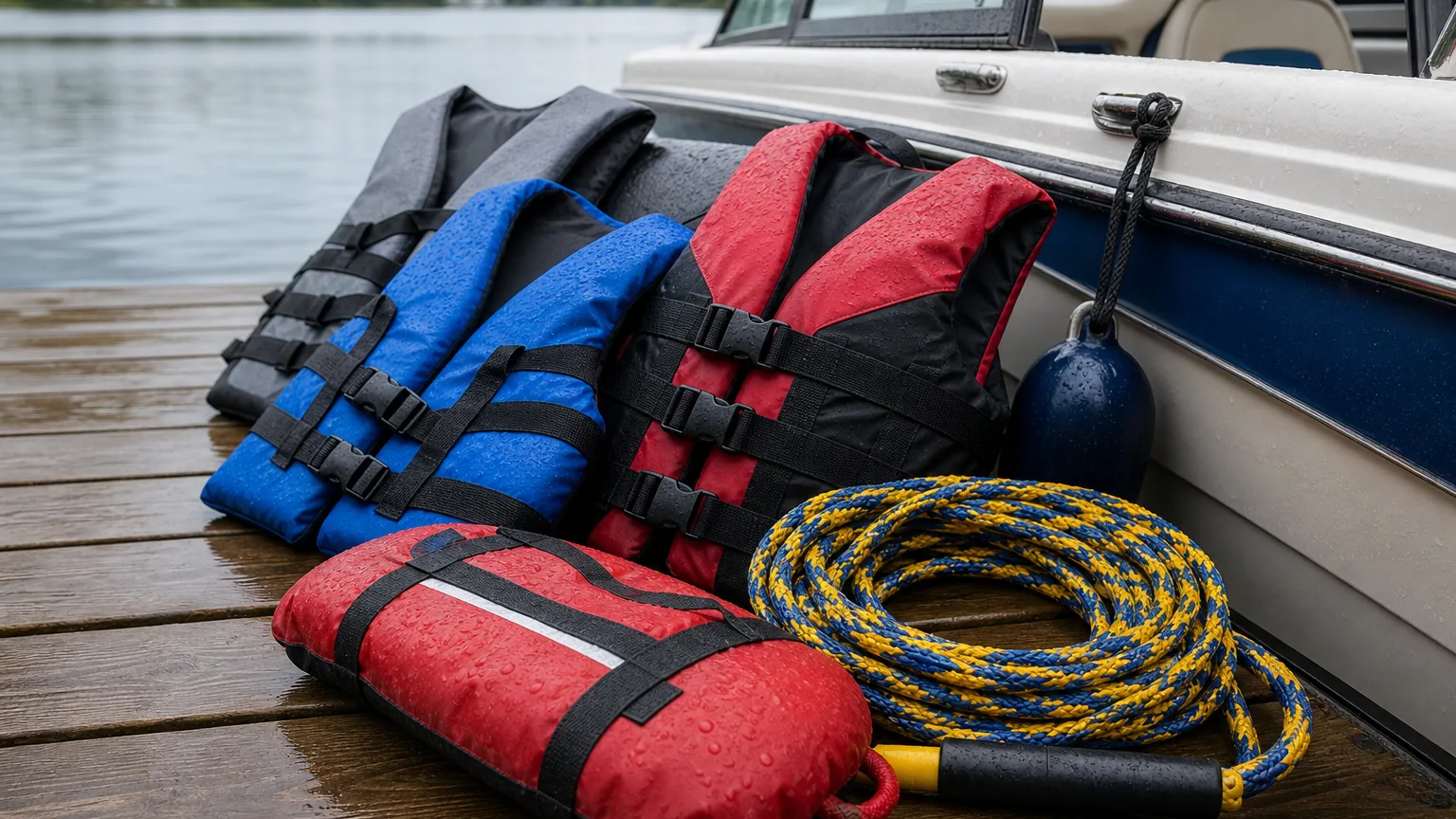
Evidence can vanish faster on water than on pavement. The boat is towed away. A rental is checked back in. Guests go home. A dock owner repairs boards. A marina employee changes shifts. A cell-phone video gets deleted. The best claim file starts early.
Preserve or request:
- photos of all boats, jet skis, docks, ramps, tubes, ropes, ladders, props, safety equipment, and visible damage;
- names, phone numbers, and addresses for operators, owners, passengers, witnesses, rental employees, marina staff, dock owners, and property owners;
- boat registration numbers and insurance information;
- rental agreements, waivers, safety checklists, payment receipts, reservation records, and staff instructions;
- Conservation Officer, sheriff, EMS, fire, or emergency-response reports;
- 911 call information, dispatch records, and incident numbers;
- cell-phone video, dock-camera footage, marina security video, GoPro footage, and nearby restaurant/event video;
- weather, lighting, lake level, visibility, and sunset/darkness information;
- medical records, bills, work restrictions, and photos of visible injuries.
For a broader evidence checklist, see What Evidence Helps Prove an Indiana Car Accident Claim?. The setting is different, but the principle is the same: prove what happened before the defense narrative hardens.
Insurance issues after a boat, jet ski, dock, or rental accident
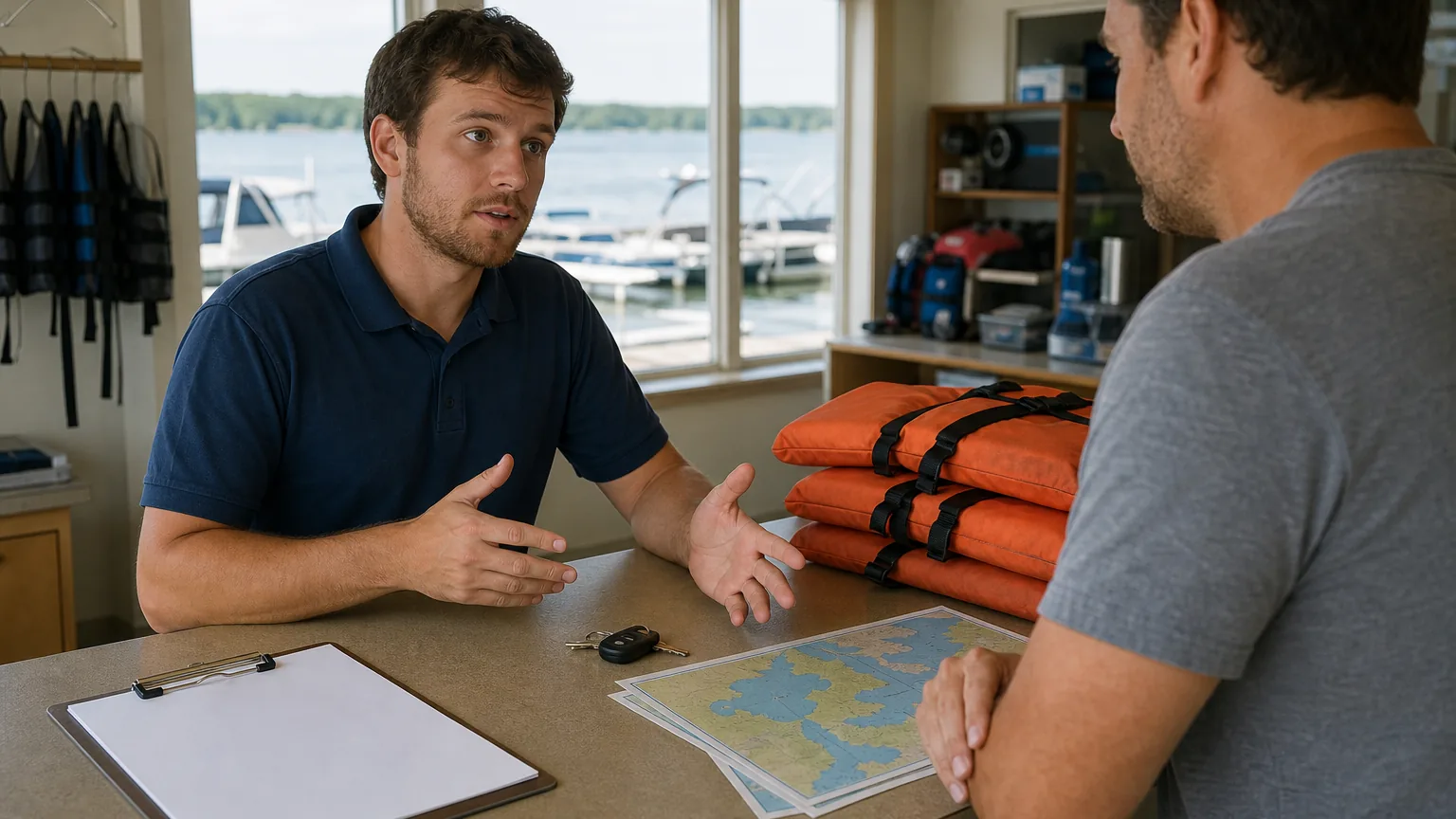
Insurance is often one of the hardest parts of a lake injury claim. Do not assume there is one obvious policy. Depending on the facts, coverage may come from:
- a watercraft policy;
- a homeowner’s policy;
- an umbrella policy;
- a boat rental company’s business policy;
- a marina or dock owner’s policy;
- an event host or lake association policy;
- a product-liability or manufacturer policy;
- health insurance, MedPay, or other first-party coverage for medical bills.
Insurance companies may also argue exclusions: horsepower limits, rental exclusions, business-use exclusions, alcohol exclusions, permissive-use disputes, or “not an insured watercraft” language. That is why it is risky to accept an early “there is no coverage” answer without reviewing policies and facts.
If bills are already arriving, these related guides may help: Who Pays Medical Bills After a Car Accident in Indiana? and Medical Liens and Indiana Personal Injury Settlements.
Medical proof matters even when the accident looked obvious
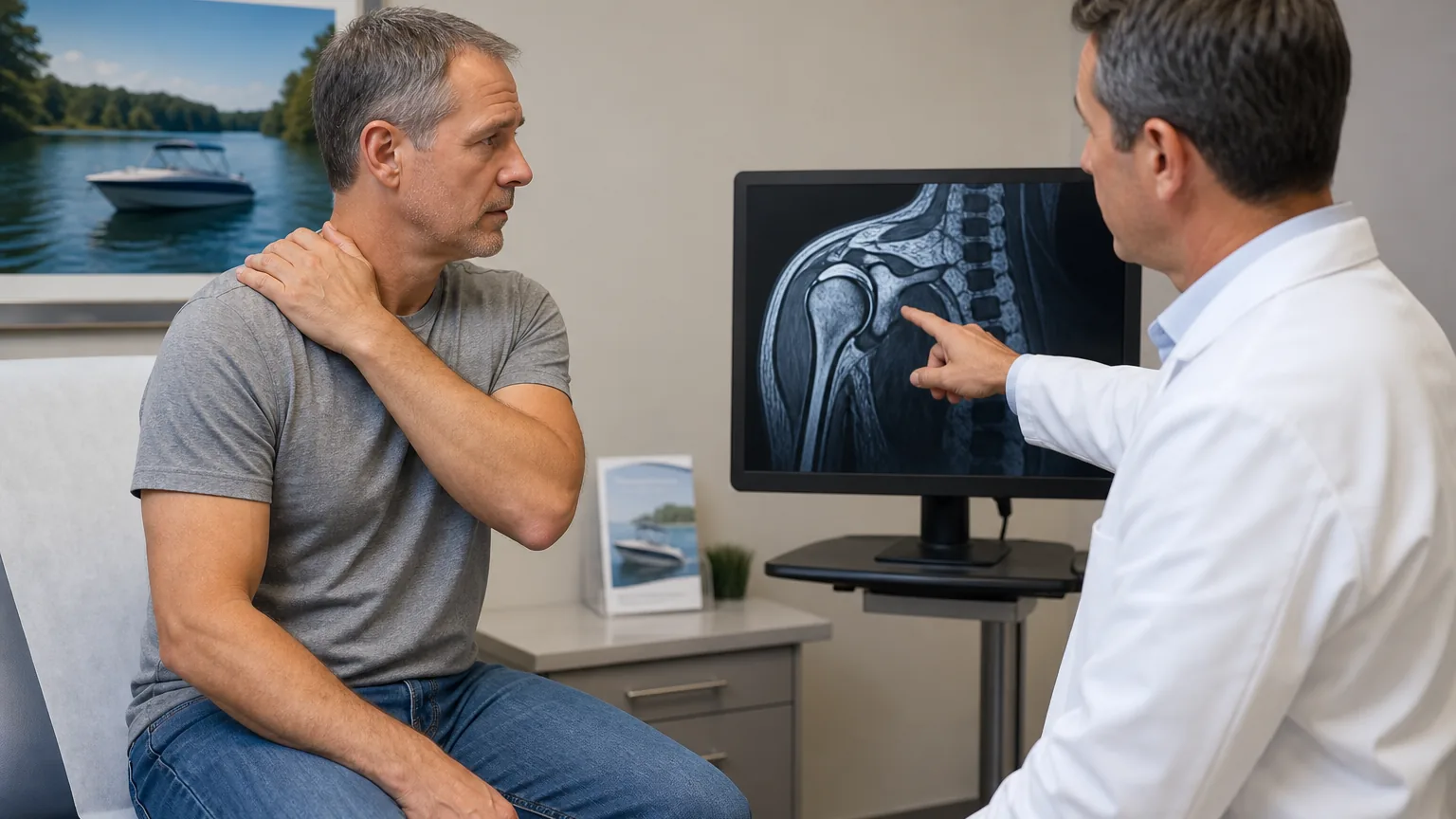
A boat or jet ski accident may cause obvious trauma, but some injuries appear later. A person may be embarrassed, wet, cold, or full of adrenaline at the dock and only realize hours later that the headache, neck pain, back pain, shoulder pain, or dizziness is getting worse.
Common lake-accident injuries include:
- concussion and traumatic brain injury;
- neck and back injuries;
- spinal injuries, disc injuries, and radicular symptoms;
- fractures, dislocations, and shoulder injuries;
- knee, ankle, and hip injuries from falls or dock accidents;
- propeller injuries, lacerations, and crush injuries;
- drowning, near-drowning, and oxygen-related brain injury;
- wrongful death in the most serious cases.
Medical records need to explain not just the diagnosis, but the timeline: what hurt, when it started, what changed, what treatment was recommended, and what functional limits followed. For related injury guidance, see Back and Neck Injuries After Indiana Car Accidents, Concussion After a Car Accident: When to Take Symptoms Seriously, and our Fort Wayne brain injury attorney page.
Fault, alcohol, life jackets, and comparative responsibility
Lake accident claims often involve blame-shifting. The operator says the passenger moved unexpectedly. The passenger says the operator accelerated without warning. The rental company says it gave instructions. The dock owner says the fall happened because the guest was wet. The insurer says the injured person should have worn a life jacket or avoided the boat entirely.
These arguments should be evaluated carefully under Indiana’s comparative-fault rules. The key questions usually include:
- Was the operator keeping a proper lookout?
- Was speed reasonable for the traffic, weather, wake, shoreline, docks, and time of day?
- Was alcohol or drug use involved?
- Were passengers warned before acceleration, turns, docking, tubing, or towing?
- Was required safety equipment on board and accessible?
- Was a personal watercraft operated too close to another boat, dock, swimmer, or shoreline?
- Was the boat overloaded or operated after dark without proper lighting?
- Did a property owner or marina allow a dangerous dock, ramp, or walkway condition?
Alcohol-related cases may also overlap with our drunk driver accident work, even though the vehicle is a boat rather than a car. Serious or fatal cases may require early preservation letters, policy requests, witness interviews, and expert review.
What not to do after a northeast Indiana lake accident
- Do not assume soreness will go away. Get medical care if symptoms persist, worsen, or involve head, neck, back, numbness, dizziness, or weakness.
- Do not rely only on verbal promises. Get names, photos, reports, claim numbers, and insurance information.
- Do not sign a broad waiver or release after the accident. Rental and insurance documents may affect your rights.
- Do not post the lake day on social media as “all good.” Insurance companies may use casual posts against serious injury claims. See Can Social Media Hurt Your Indiana Injury Claim?.
- Do not wait months to preserve evidence. By then the boat may be repaired, the dock changed, and the witnesses impossible to find.
Boating and jet ski injury claims are one kind of Indiana personal injury case. Our Fort Wayne personal injury attorney page explains Indiana's filing deadlines, the comparative fault rule, and the damages Indiana law allows.
Frequently asked questions
Do I need a lawyer after a boat or jet ski accident on an Indiana lake?
Not always. But you should consider legal review if injuries are serious, fault is disputed, a rental boat or marina is involved, alcohol may be involved, insurance coverage is unclear, or evidence may disappear.
Who investigates boating accidents in Indiana?
Serious boating incidents may involve Indiana Conservation Officers, local law enforcement, EMS, fire departments, or other emergency responders depending on the lake and location. Do not assume every lake injury will generate a complete report unless you confirm it.
What if I was hurt as a passenger on a friend’s boat?
You may still have a claim. The operator, boat owner, homeowner or watercraft insurer, umbrella insurer, rental company, or another party may need to be evaluated. A passenger claim is not the same thing as personally attacking a friend; it is usually about insurance coverage and injury responsibility.
What if the accident happened on a private lake or at a private dock?
Private property does not eliminate a claim. Ownership, control, maintenance, warnings, lighting, dock condition, guest status, and insurance coverage all matter. These cases may involve premises-liability issues.
Does not wearing a life jacket defeat my claim?
Not automatically. Life-jacket use may be relevant to comparative fault and causation, but it does not answer whether another person operated a boat unsafely, failed to keep lookout, was intoxicated, rented an unsafe boat, or allowed a dangerous condition.
How long do I have to bring a boating accident injury claim in Indiana?
Many Indiana personal injury claims have a two-year deadline, but shorter notice rules or special issues may apply depending on the parties involved. Evidence should be preserved much earlier than the deadline.
Sources and further reading
- Indiana DNR Law Enforcement — Boating Education and Safety[1]
- Indiana Boating Handbook / Boat-Ed[2]
- Indiana DNR — Wear It Indiana[3]
- U.S. Coast Guard — Recreational Boating Accident Statistics[4]
- Indiana Code Title 14, Article 15 — Watercraft[5]
- Indiana Code Chapter 34-51-2 — Comparative Fault[6]
- Delventhal Law Office — What Happens If You’re Hurt in a Boating or Lake Accident in Indiana?
Sources
- Indiana DNR Law Enforcement — Boating Education and Safety (in.gov) ↩
- Indiana Boating Handbook / Boat-Ed (boat-ed.com) ↩
- Indiana DNR — Wear It Indiana (in.gov) ↩
- U.S. Coast Guard — Recreational Boating Accident Statistics (uscgboating.org) ↩
- Indiana Code Title 14, Article 15 — Watercraft (iga.in.gov) ↩
- Indiana Code Chapter 34-51-2 — Comparative Fault (iga.in.gov) ↩