
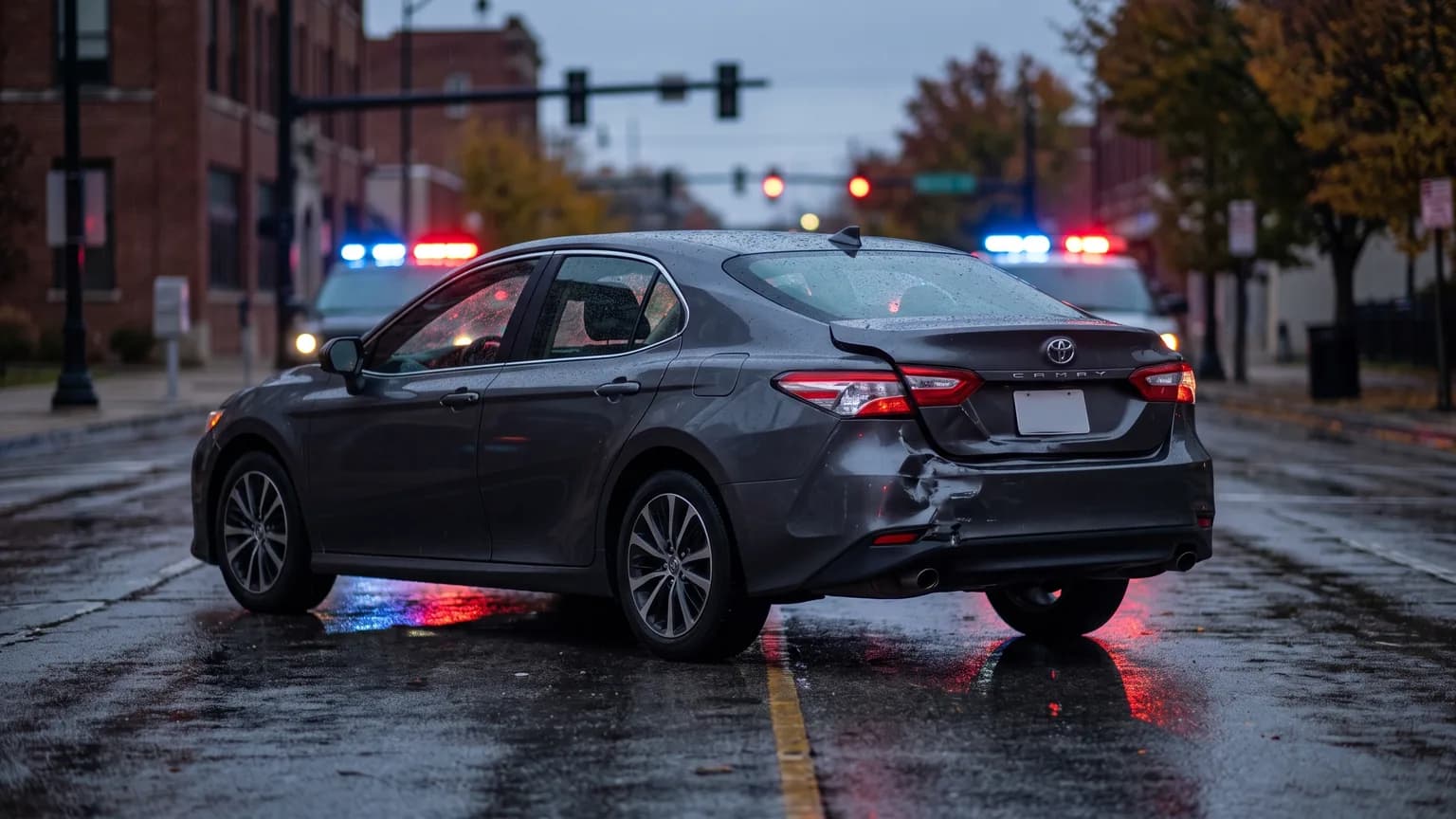
Back and neck injuries are among the most common reasons people call after an Indiana crash. Some are short-term strains. Others involve discs, nerves, injections, surgery, or long-term restrictions. The insurance issue is usually proof: what changed after the crash, what treatment was needed, and how the injury affected real life.
Key takeaways
- Back and neck claims range from short-term strains to serious disc or nerve injuries.
- Delayed symptoms should be documented promptly.
- Prior conditions do not automatically defeat a claim, but they must be handled honestly.
- Bills, liens, MedPay, and health-insurance payments affect the settlement picture.
- Functional limits often explain damages better than diagnosis labels alone.
Common back and neck injuries

Crash-related back and neck problems can include soft-tissue strains and sprains, whiplash, disc bulges or herniations, radiculopathy, facet injuries, fractures, and spinal cord injury. Symptoms may include pain, stiffness, spasms, headaches, numbness, tingling, weakness, or radiating pain.
Claim file tip: separate pain from function. “My back hurts” matters, but “I cannot sit through a shift, lift my child, sleep more than four hours, drive to Indianapolis, or mow the yard” explains impact. Functional evidence is often what turns a stack of records into a human story.
If injections, MRI findings, surgical consults, or permanent restrictions enter the case, attorney review becomes especially important. Those issues raise the stakes for causation, future care, liens, and settlement timing.
Warning signs and medical care

Seek appropriate medical care for significant pain, neurological symptoms, weakness, numbness, loss of coordination, bowel or bladder changes, or worsening symptoms. Follow provider instructions and keep appointments.
Claim file tip: separate pain from function. “My back hurts” matters, but “I cannot sit through a shift, lift my child, sleep more than four hours, drive to Indianapolis, or mow the yard” explains impact. Functional evidence is often what turns a stack of records into a human story.
If injections, MRI findings, surgical consults, or permanent restrictions enter the case, attorney review becomes especially important. Those issues raise the stakes for causation, future care, liens, and settlement timing.
Medical records that matter

Important records include ER notes, primary-care notes, therapy notes, imaging reports, specialist referrals, injection records, work restrictions, medication history, and surgical opinions. The claim depends on the treatment timeline.
Claim file tip: separate pain from function. “My back hurts” matters, but “I cannot sit through a shift, lift my child, sleep more than four hours, drive to Indianapolis, or mow the yard” explains impact. Functional evidence is often what turns a stack of records into a human story.
If injections, MRI findings, surgical consults, or permanent restrictions enter the case, attorney review becomes especially important. Those issues raise the stakes for causation, future care, liens, and settlement timing.
Prior conditions and aggravation

A prior back or neck condition does not automatically defeat an Indiana injury claim. The question is whether the crash caused a new injury or aggravated, accelerated, or changed an existing condition. Accurate pre-crash history helps credibility.
Claim file tip: separate pain from function. “My back hurts” matters, but “I cannot sit through a shift, lift my child, sleep more than four hours, drive to Indianapolis, or mow the yard” explains impact. Functional evidence is often what turns a stack of records into a human story.
If injections, MRI findings, surgical consults, or permanent restrictions enter the case, attorney review becomes especially important. Those issues raise the stakes for causation, future care, liens, and settlement timing.
Bills, liens, and insurance

Medical bills may involve health insurance, MedPay, provider balances, liens, subrogation claims, and out-of-pocket costs. Do not evaluate a settlement without understanding what must be repaid. Internal link: Who pays medical bills after an Indiana crash.
Claim file tip: separate pain from function. “My back hurts” matters, but “I cannot sit through a shift, lift my child, sleep more than four hours, drive to Indianapolis, or mow the yard” explains impact. Functional evidence is often what turns a stack of records into a human story.
If injections, MRI findings, surgical consults, or permanent restrictions enter the case, attorney review becomes especially important. Those issues raise the stakes for causation, future care, liens, and settlement timing.
What affects claim value
Case value depends on diagnosis, treatment, duration, permanency, lost wages, daily-life impact, prior history, fault, policy limits, and whether future care is supported by medical evidence. A pain complaint alone is weaker than a documented functional loss.
Claim file tip: separate pain from function. “My back hurts” matters, but “I cannot sit through a shift, lift my child, sleep more than four hours, drive to Indianapolis, or mow the yard” explains impact. Functional evidence is often what turns a stack of records into a human story.
If injections, MRI findings, surgical consults, or permanent restrictions enter the case, attorney review becomes especially important. Those issues raise the stakes for causation, future care, liens, and settlement timing.
Frequently Asked Questions

What are common back and neck injuries after a crash?
Common issues include strains, sprains, whiplash, disc bulges or herniations, nerve irritation, facet injuries, fractures, and spinal cord injury.
Can pain appear days later?
Yes. Delayed pain can happen, but prompt documentation helps connect symptoms to the crash.
What if I had prior back problems?
A prior condition does not automatically defeat a claim. The key issue is whether the crash aggravated or changed the condition.
Who pays medical bills before settlement?
Health insurance, MedPay, payment plans, or other coverage may be used while the claim is pending.
When should I call a lawyer?
Call if symptoms persist, radiate, affect work, involve injections or surgery, or the insurer blames a prior condition.
Sources and further reading
- NINDS — Low Back Pain[1]
- NINDS — Whiplash Information[2]
- Indiana Code § 34-11-2-4 — Injury to person or character[3]
- Delventhal Law Office — Fort Wayne Car Accident Attorney