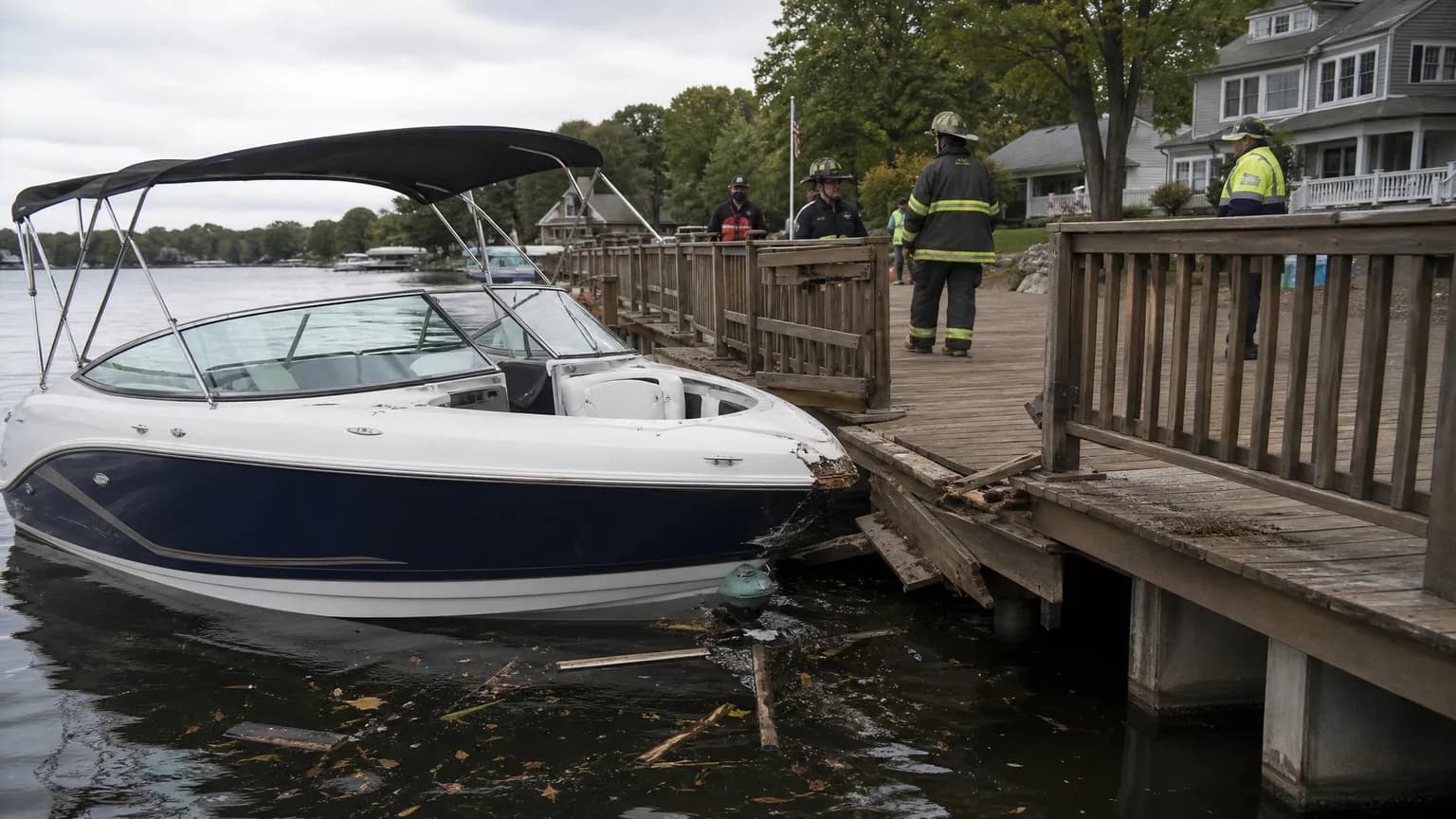
Boating accident claims are not just “car accident cases on water.” The evidence disappears faster, the insurance questions are stranger, and the responsible person may not be the only responsible party. The boat owner, operator, rental company, marina, dock owner, event host, manufacturer, or alcohol provider may all need to be evaluated. If you need legal help after a serious water injury, our Fort Wayne boating accident attorney page explains how Delventhal Law Office investigates these claims.
Key takeaways after an Indiana boating accident
- Boating injury claims often turn on operator conduct: speed, lookout, alcohol, right-of-way, passenger warnings, and safe operation for conditions.
- Indiana DNR Conservation Officers may investigate serious boating incidents, but not every injury produces a clean report.
- Life jackets matter medically and legally, but failure to wear one does not automatically mean the injured person has no claim.
- Insurance coverage can come from several places: watercraft policy, homeowner’s policy, umbrella coverage, rental company coverage, marina coverage, or a defendant’s business policy.
- Evidence disappears quickly: boats are repaired, GPS data is lost, rental paperwork gets buried, and witnesses leave the lake.
- A boating case involving death, brain injury, drowning, propeller injury, spinal trauma, fracture, or surgery should be investigated early.
Common boating and lake accidents in Indiana
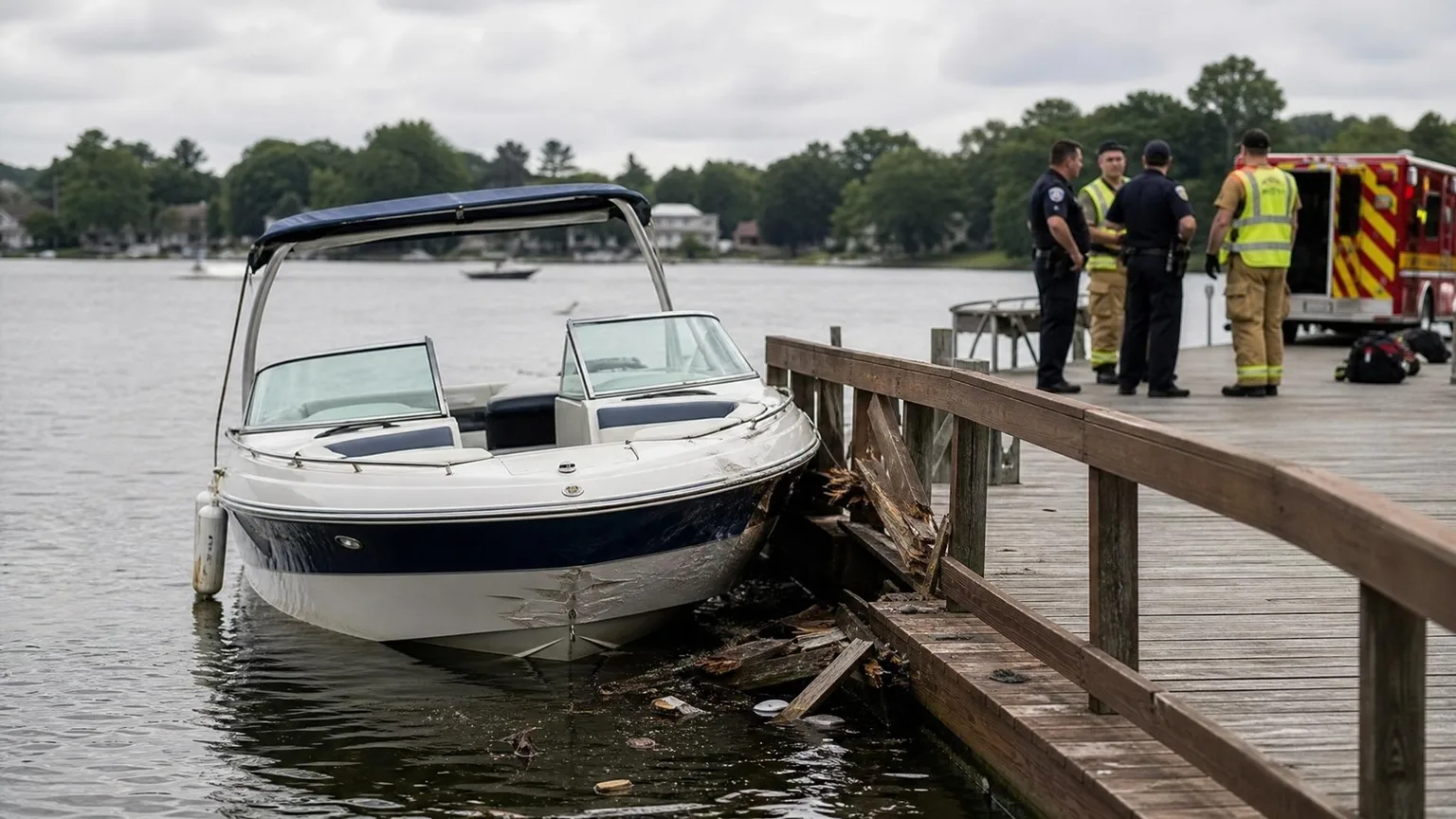
Indiana has reservoirs, rivers, private lakes, public access sites, marinas, and busy summer boating areas. Around northeast Indiana, families may be on Lake James, Jimmerson Lake, Crooked Lake, Big Long Lake, Sylvan Lake, Winona Lake, the Wawasee area, or smaller private lakes. The legal setting changes, but the injury patterns are familiar. For a more local lake-specific checklist, see our guide on boat and jet ski accidents on northeast Indiana lakes.
| Accident type | What usually caused it | Evidence to preserve |
|---|---|---|
| Boat-to-boat collision | Speed, failure to keep lookout, unsafe passing, alcohol, nighttime visibility | Photos of both vessels, operator names, registration numbers, witness contact info |
| Jet ski / PWC crash | Inexperience, rental operation, wake jumping, sharp turns, failure to yield | Rental agreement, safety briefing, PWC damage, GPS/phone videos |
| Passenger fall on boat | Sudden acceleration, unsafe seating, lack of warning, overcrowding, wet surfaces | Seat layout, passenger statements, photos of deck, weather/wake conditions |
| Dock or marina injury | Broken boards, poor lighting, missing handrails, slippery ramps, negligent maintenance | Photos before repair, ownership info, prior complaints, incident report |
| Propeller injury | Unsafe boarding/swimming, operator inattention, failure to shut off engine | Operator statement, swim ladder location, engine/prop photos, emergency records |
| Drowning or near-drowning | No life jacket, alcohol, fall overboard, cold shock, panic, delayed rescue | Life jacket availability, witness timeline, 911/EMS records, water conditions |
The U.S. Coast Guard compiles national recreational boating accident statistics each year from state-submitted reports. Those reports are useful because they show the recurring national patterns: operator inattention, improper lookout, excessive speed, alcohol use, machinery/propeller issues, falls overboard, capsizing, and collision events. Indiana cases should still be evaluated on their own facts, but the same themes repeat.
Does an accidental-drowning classification decide civil liability?
No. An accidental classification alone neither establishes nor rules out another party’s civil negligence liability. The separate question is whether someone owed a legal duty, breached it, and thereby caused a compensable injury or death—the negligence elements described by the Indiana Supreme Court[2]. A coroner’s finding or investigation report may help explain what happened, but the classification alone does not answer all of those questions. Preserve available witness accounts, rescue timelines, vessel or dock information, and official reports so the conduct and its connection to the death can be evaluated without assuming fault.
Who may be legally responsible?
The first mistake after a boating injury is assuming the person driving the boat is the only possible defendant. Sometimes that is true. Often it is not.
The boat operator
The operator is usually the starting point. A safe operator has to control speed, keep a proper lookout, avoid dangerous maneuvers, respect other vessels and swimmers, and operate reasonably for weather, wake, crowding, visibility, and passenger safety. If the operator was drinking, distracted, inexperienced, or showing off, that matters.
The boat owner
The owner may be different from the operator. The owner may be responsible if they allowed an unsafe person to operate the boat, failed to maintain safety equipment, ignored mechanical problems, or let someone use a vessel that was not reasonably safe.
A rental company or marina
Rental cases deserve careful review. A rental company may have paperwork showing waivers, rules, and warnings. But paperwork does not answer every question. Did the company provide required equipment? Did it rent to an obviously unsafe or impaired operator? Did it give a safety briefing? Was the vessel maintained? Was the PWC defective? Were renters told where they could and could not operate?
A dock owner, lake association, business, or property owner
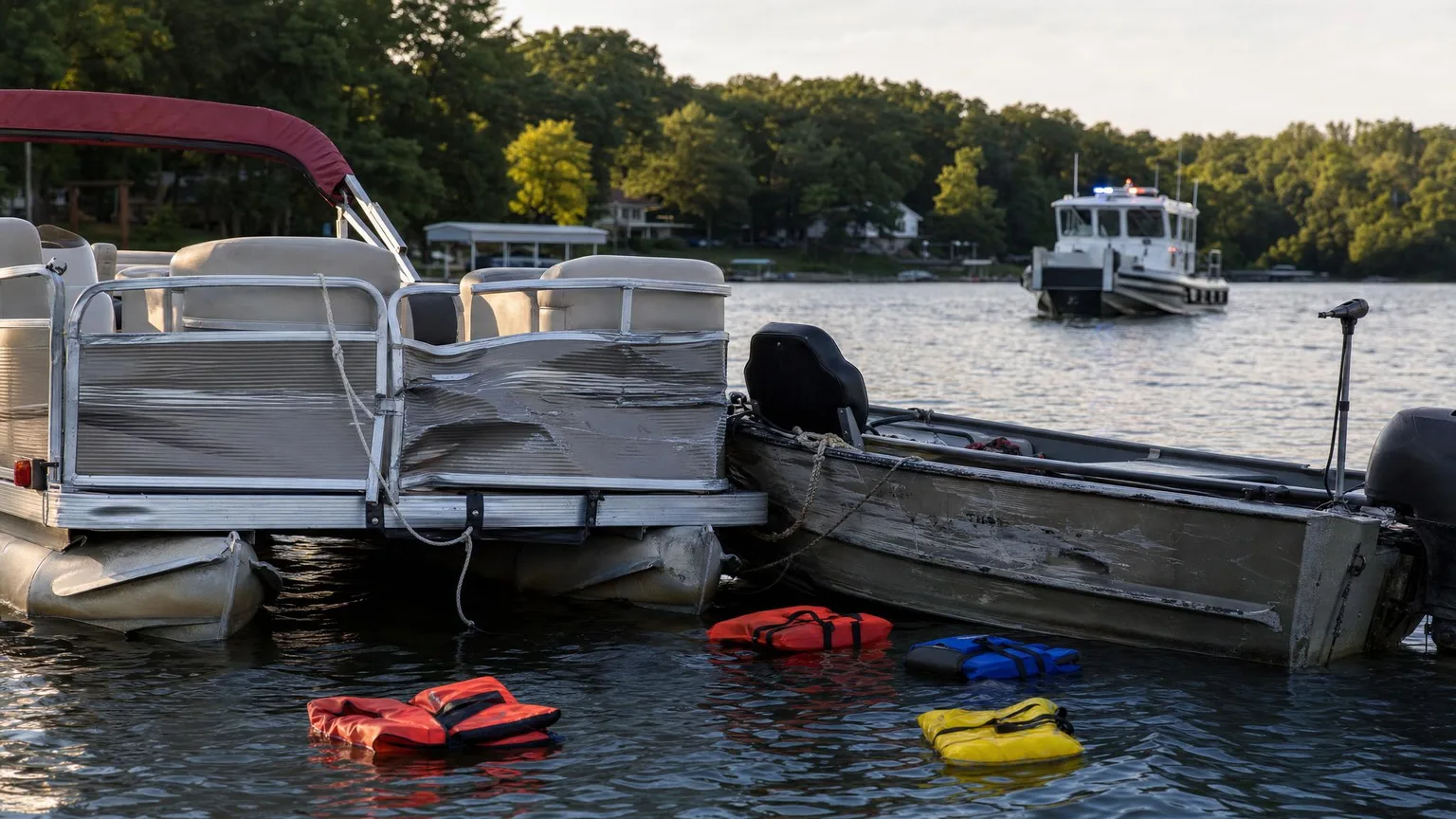
Not every lake injury is a boating-operation case. Some are premises liability cases. Broken docks, missing lighting, unsafe ramps, unmarked drop-offs, exposed hardware, dangerous swim areas, and poorly maintained marina walkways can cause serious injuries even when no boat collides with anything.
A product manufacturer or repair shop
If a steering system fails, throttle sticks, ladder breaks, fuel system malfunctions, or safety component fails, the case may involve a product defect or negligent repair issue. The damaged part should be preserved before anyone repairs or discards it.
An alcohol provider or event host
Alcohol changes both safety and litigation. Boating while impaired creates obvious risk. Depending on the facts, there may also be questions about who supplied alcohol, whether a commercial establishment overserved someone, and whether an event host or rental business ignored visible impairment. These facts need investigation, not assumptions.
What Indiana boating rules matter in an injury case?
Indiana boating law lives primarily in Title 14, Article 15 of the Indiana Code, and the Indiana Department of Natural Resources publishes boating education materials for vessel operators. The official Indiana boating handbook explains vessel basics, navigation rules, nighttime navigation, emergencies, personal watercraft, required equipment, skiing, and boating laws.
For an injury claim, the most important safety-rule categories are usually:
- safe speed and control;
- keeping a proper lookout;
- navigation and right-of-way rules;
- nighttime lighting and visibility;
- personal watercraft operation;
- life jacket availability and use;
- operating under the influence;
- towing/skiing/tubing safety;
- required registration and identifying information.
A violation does not automatically decide the civil case by itself, but it can become powerful evidence of negligence. It also helps focus witness questions: who had the right of way, how fast was the vessel moving, were lights on, did passengers have life jackets, did the operator complete a safety course, and did anyone warn passengers before turning or accelerating?
Life jackets: safety issue, evidence issue, and insurance issue
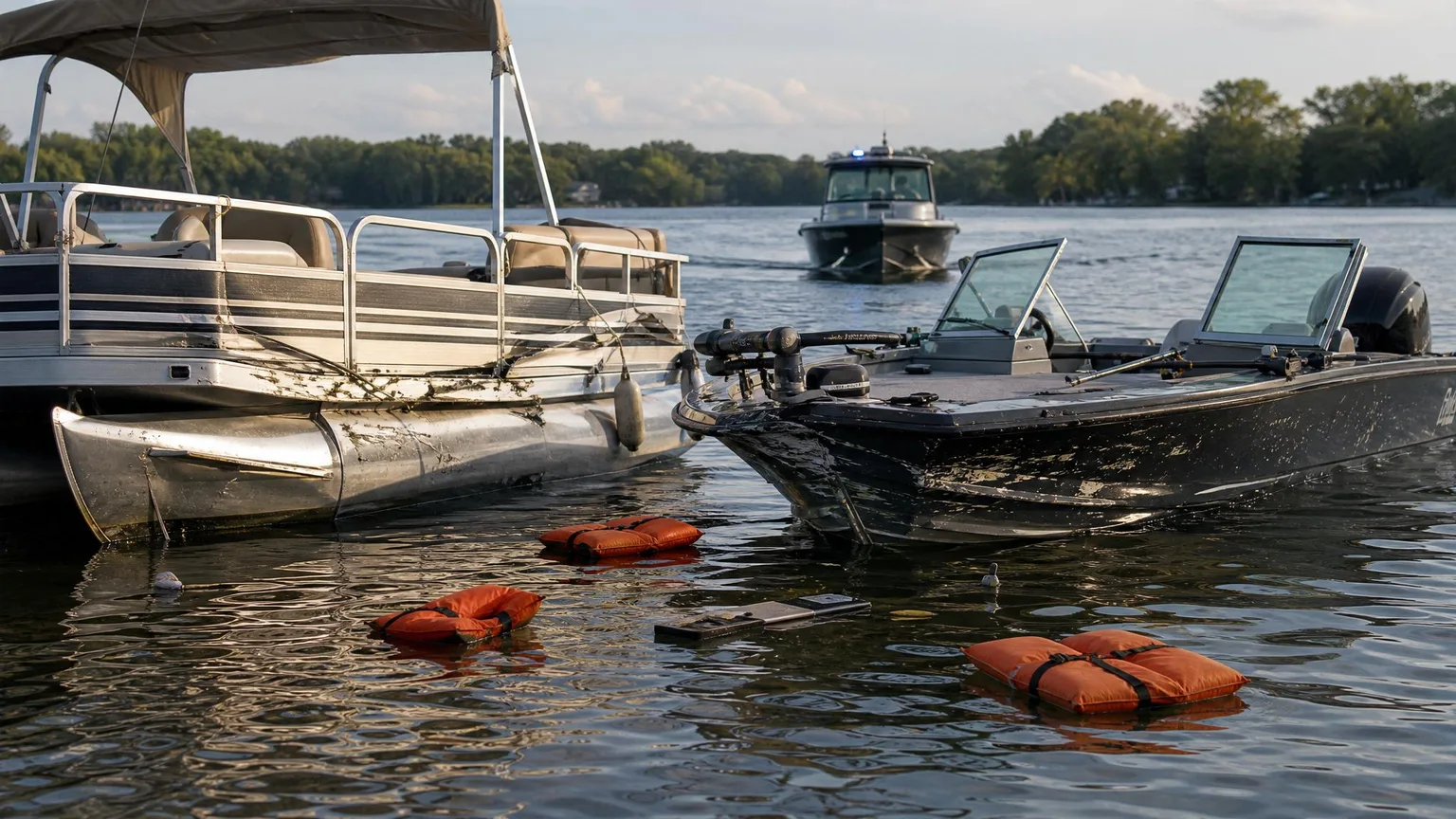
Indiana DNR’s “Wear It Indiana” campaign emphasizes that life jackets save lives. DNR has reported drowning death totals from prior years and notes that wearing a life jacket could have prevented most, if not all, of those tragedies. It also makes a point worth repeating: many drowning victims are described as “good swimmers.”
In a civil injury case, life jackets can matter in several directions:
- Availability. Were enough properly sized life jackets on the vessel?
- Condition. Were they usable, accessible, and not buried under gear?
- Warnings. Did the operator tell passengers where they were and when to wear them?
- Children and non-swimmers. Were higher-risk passengers protected?
- Comparative fault. Did an insurer try to blame the injured person for not wearing one?
Failure to wear a life jacket does not automatically erase a claim. Indiana uses comparative fault in many negligence cases. That means fault can be divided. The real question is whether the lack of a life jacket actually caused or worsened the injury and how that compares to the operator’s conduct. If a passenger suffers a broken ankle from being thrown across the deck, the life-jacket argument may not matter much. If the injury is drowning or near-drowning, it may matter a lot.
What insurance covers a boating accident?
This is where boating cases get messy. The at-fault person’s auto insurance usually does not cover a boating crash. The relevant coverage may include:
- watercraft liability insurance;
- homeowner’s insurance with limited watercraft coverage;
- umbrella coverage;
- renter/operator coverage through a marina or rental company;
- business liability coverage for a marina, resort, campground, or event operator;
- medical payments coverage, if available;
- health insurance, subject to liens or reimbursement rights.
Coverage can turn on the size of the boat, horsepower, ownership, where the accident happened, whether it was rented, whether alcohol was involved, whether the operator had permission, and whether the policy excludes certain watercraft. This is one reason not to accept an early “there is no coverage” answer without review.
If the incident involved a drunk or impaired operator, DLO’s drunk driving accident experience may help frame the evidence issues, even though the crash happened on water instead of a road. If the injury involves catastrophic harm, the case may also overlap with brain injury, neck/back injury, fracture, burn, or wrongful-death damages. You can use our Indiana car accident settlement calculator to organize the factors that may affect a claim’s value; it is an educational tool, not a promise of any result.
What should you do after a boating accident in Indiana?
1. Get medical help first
Water injuries can hide serious problems: concussion, near-drowning complications, hypothermia, spinal injury, internal trauma, infection risk, fractures, shoulder injuries, and lacerations. If someone hit their head, lost consciousness, inhaled water, has chest symptoms, is confused, or has neck/back pain, do not wait.
2. Report the incident
Serious incidents may need to be reported to law enforcement, DNR Conservation Officers, marina staff, rental companies, lake security, or property owners. If an official report exists, get the report number. If the incident is at a marina or rental business, ask for a copy of the incident report before leaving.
3. Identify the vessel and operator
Get the operator’s name, owner’s name, phone number, address, watercraft registration number, boat make/model, rental company, marina, and insurance information if available. The Indiana BMV explains that most watercraft operating on Indiana waterways must be registered and display valid decals unless exempt. Photos of registration numbers and decals can matter.
4. Preserve photos and video
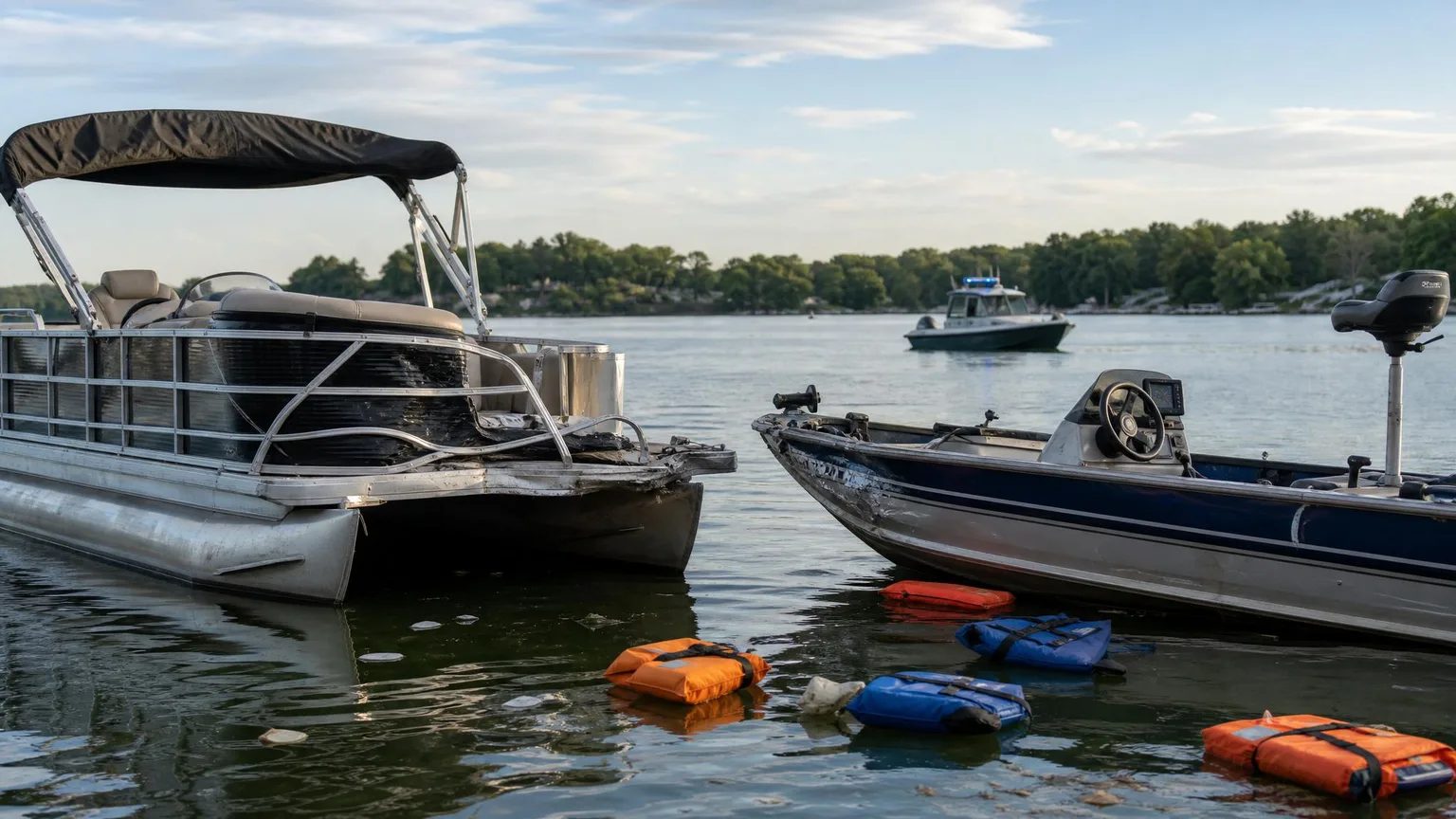
Photograph the boat, dock, PWC, ladder, propeller area, damaged equipment, life jackets, warning labels, registration numbers, lighting, weather, water conditions, and your injuries. Ask passengers and bystanders for videos. Nearby boats, docks, marinas, restaurants, and homes may have security cameras.
5. Save rental paperwork and phone evidence
Do not throw away waivers, receipts, text messages, photos, location history, boating app data, Venmo payments, party invitations, or rental confirmation emails. Those details may show who had control, who paid, who gave warnings, and who was present.
6. Do not give a recorded statement without advice
Insurance adjusters may ask friendly questions before you know the injury timeline or coverage picture. A boating claim may involve multiple carriers pointing at each other. It is safer to get advice before giving recorded statements or signing broad medical releases. DLO has a separate guide on recorded statements and medical releases after an Indiana accident.
What compensation may be available?
Depending on the facts, an Indiana boating injury claim may include:
- emergency care, hospital bills, surgery, therapy, and follow-up treatment;
- future medical care if supported by providers;
- lost wages and reduced earning capacity;
- pain, suffering, inconvenience, and loss of enjoyment of life;
- scarring or disfigurement from propeller injuries, burns, or lacerations;
- brain injury, spinal injury, orthopedic injury, or drowning-related complications;
- wrongful-death damages when a boating incident is fatal.
If a family loses someone in a drowning, collision, or other fatal water incident, the claim should be reviewed under Indiana’s wrongful-death framework. DLO’s Fort Wayne wrongful death attorney page explains how death claims differ from ordinary injury claims.
The evidence checklist: what DLO would want early
| Evidence | Why it matters |
|---|---|
| Names/contact info for operator, owner, passengers, witnesses | Establishes who controlled the vessel and who saw what happened |
| Watercraft registration number and photos | Helps identify the boat and owner |
| Rental agreement or marina paperwork | Shows warnings, rules, insurance, and business responsibility |
| Photos/video of boat, dock, equipment, life jackets | Preserves conditions before repair or cleanup |
| DNR, police, EMS, marina, or incident reports | Creates the official timeline |
| Weather, lighting, and water conditions | Helps evaluate speed, visibility, wake, and reasonableness |
| Medical records and bills | Proves injury, causation, and damages |
| Insurance letters and claim numbers | Identifies coverage and deadlines |
Common insurance defenses after a boating injury
Expect the insurance company to look for ways to reduce or avoid responsibility. Common arguments include:
- “You assumed the risk.” Response: agreeing to go boating is not agreeing to reckless operation, missing safety equipment, intoxication, or unsafe premises.
- “You signed a waiver.” Response: waivers need legal review. They may not protect every party or every form of negligence.
- “You were not wearing a life jacket.” Response: that only matters if it actually caused or worsened the injury, and it must be compared to the defendant’s conduct.
- “The water was rough.” Response: rough water can make an operator’s duty greater, not smaller.
- “No one knows what happened.” Response: early photos, witness statements, reports, phone data, and vessel damage can reconstruct the timeline.
- “There is no coverage.” Response: coverage may exist under another policy, umbrella, business policy, or owner policy.
Frequently asked questions
Can I sue after a jet ski accident in Indiana?
Possibly. A jet ski or PWC claim may exist if another operator, rental company, owner, or unsafe condition caused the crash. Key evidence includes rental paperwork, safety instructions, operator experience, witness statements, and photos of the PWC damage.
What if I was a passenger on the boat that crashed?
Passengers can have claims against the boat operator, owner, another vessel, rental company, marina, or other responsible party. A passenger is not automatically responsible for the operator’s unsafe choices.
Does homeowner’s insurance cover boating accidents?
Sometimes, but not always. Homeowner’s policies may exclude certain boats, horsepower, ownership situations, rental use, or business activity. A separate watercraft or umbrella policy may be involved.
What if alcohol was involved?
Alcohol can be important evidence of negligence. Preserve witness names, receipts, photos, videos, and statements. If law enforcement investigated, get the report information.
How long do I have to file an Indiana boating injury lawsuit?
Many Indiana personal-injury claims have a two-year filing deadline under IC § 34-11-2-4[1]. Do not wait that long to investigate. Evidence on the water disappears quickly.
Should I call a lawyer if the injury seems minor?
If it is truly minor and resolves quickly, maybe not. But if there was head trauma, drowning risk, a fracture, surgery, significant medical bills, missed work, disputed fault, alcohol, a rental boat, a child injury, or unclear insurance coverage, it is worth getting advice early.
Sources and further reading
- Indiana DNR, Boating Education & Safety: https://www.in.gov/dnr/law-enforcement/education/boating-education-and-safety/[3]
- Handbook of Indiana Boating Laws and Responsibilities: https://www.boat-ed.com/indiana/handbook/[4]
- Indiana BMV, Watercraft Registration: https://www.in.gov/bmv/registration-plates/boat-registration/[5]
- Indiana DNR, Wear It Indiana: https://www.in.gov/dnr/law-enforcement/education/wear-it-indiana/[6]
- U.S. Coast Guard, Recreational Boating Accident Statistics: https://www.uscgboating.org/statistics/accident_statistics.php[7]
- Indiana Code Title 14, Article 15 — Watercraft: https://iga.in.gov/laws/2024/ic/titles/14#14-15[8]
- Indiana personal-injury statute of limitations, IC § 34-11-2-4[1]: https://iga.in.gov/laws/2026/ic/titles/34#34-11-2-4[1]
Talk to an Indiana boating accident lawyer
If you were hurt in a boating, jet ski, dock, marina, or lake accident in Indiana, Delventhal Law Office can help you sort out the evidence, insurance coverage, liability questions, and medical proof before important details disappear.
Call (260) 484-6655, contact us online, or use the free case evaluation form. The first conversation costs nothing and can help you understand whether the claim is worth investigating.
Hurt in an Indiana boating or lake accident? Delventhal Law Office handles serious injury claims across Fort Wayne, northeast Indiana, and statewide. Start with our Fort Wayne personal injury attorney page or contact Chad directly for a free case review.
--- ## Internal links used - `/accident-attorney/boating-accident-lawyer/` - `/blog/boat-jet-ski-accidents-northeast-indiana-lakes/` - `/personal-injury/` - `/personal-injury/premises-liability/` - `/personal-injury/product-defect/` - `/accident-attorney/car-accident-lawyer/drunk-driver/` - `/personal-injury/brain-injury/` - `/workers-compensation/back-and-neck/` - `/personal-injury/wrongful-death/` - `/blog/insurance-adjuster-recorded-statement-medical-release-indiana/` - `/contact/` - `/free-case-evaluation/` ## Image inventory 1. `images/indiana-boating-accident-hero.webp` — hero / lake boating overview 2. `images/indiana-boating-accident-body-1-life-jackets-paperwork.webp` — life jackets and evidence paperwork 3. `images/indiana-boating-accident-body-2-marina-rental-boats.webp` — marina/rental boats 4. `images/indiana-boating-accident-body-3-evidence-desk.webp` — evidence and insurance desk 5. `images/indiana-boating-accident-body-4-life-jacket-safety.jpg` — life jacket safety 6. `images/indiana-boating-accident-body-5-night-boating-risk.webp` — nighttime boating risk