
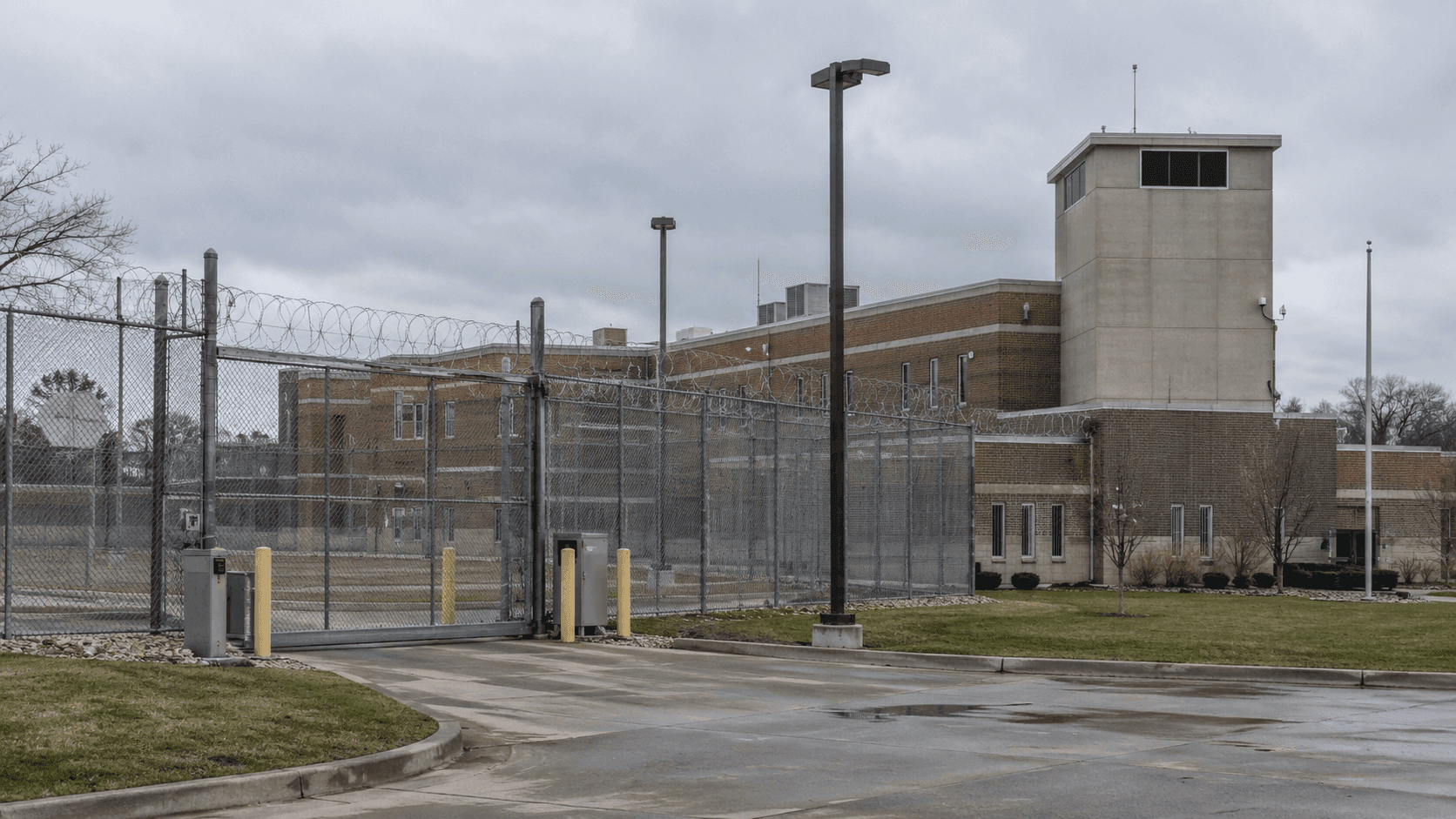
A federal lawsuit has been filed over the death of a man held at the Elkhart County Correctional Center in Elkhart. The allegations in the complaint have not been proven in court.
What the lawsuit alleges
According to WNDU 16 News Now[1], Thomas “Tommy” Ricke, 39, who had schizophrenia and bipolar disorder, died on Sunday, May 11, 2025, at the Elkhart County Correctional Center. The lawsuit says his death was caused by dehydration and hypernatremia.
The reporting says Ricke was transferred from Marion County on May 7, 2025, during an acute psychotic episode, four days before he died.

The suit was filed on September 25, 2026, in the U.S. District Court for the Northern District of Indiana by Ricke’s sister as the representative of his estate. The defendants include Wellpath LLC, formerly known as Correct Care Solutions; Elkhart County and its sheriff; Marion County and its sheriff; and individual staff members.
The complaint alleges deliberate indifference to Ricke’s medical needs and violations of the Americans with Disabilities Act. It also alleges that staff knew he was not drinking water and failed to act. The defendants have not been found liable, and the case is at an early stage. The plaintiff’s law firm, Romanucci & Blandin[2], also published a release about the lawsuit.
What families can do next
When a person dies or is seriously hurt in a jail, nursing facility, or another place where others are responsible for care, families may not know where to start. An early step is to request and preserve available records. Jail medical records, booking records, observation logs, and video can be central, and some may be kept for limited periods. A written preservation request can matter. This guide explains more about preserving evidence in an Indiana injury claim.
Families should also identify who provided the care. Many Indiana jails contract with private companies for medical services. Whether care came from county staff or a private contractor can affect which rules and deadlines apply.
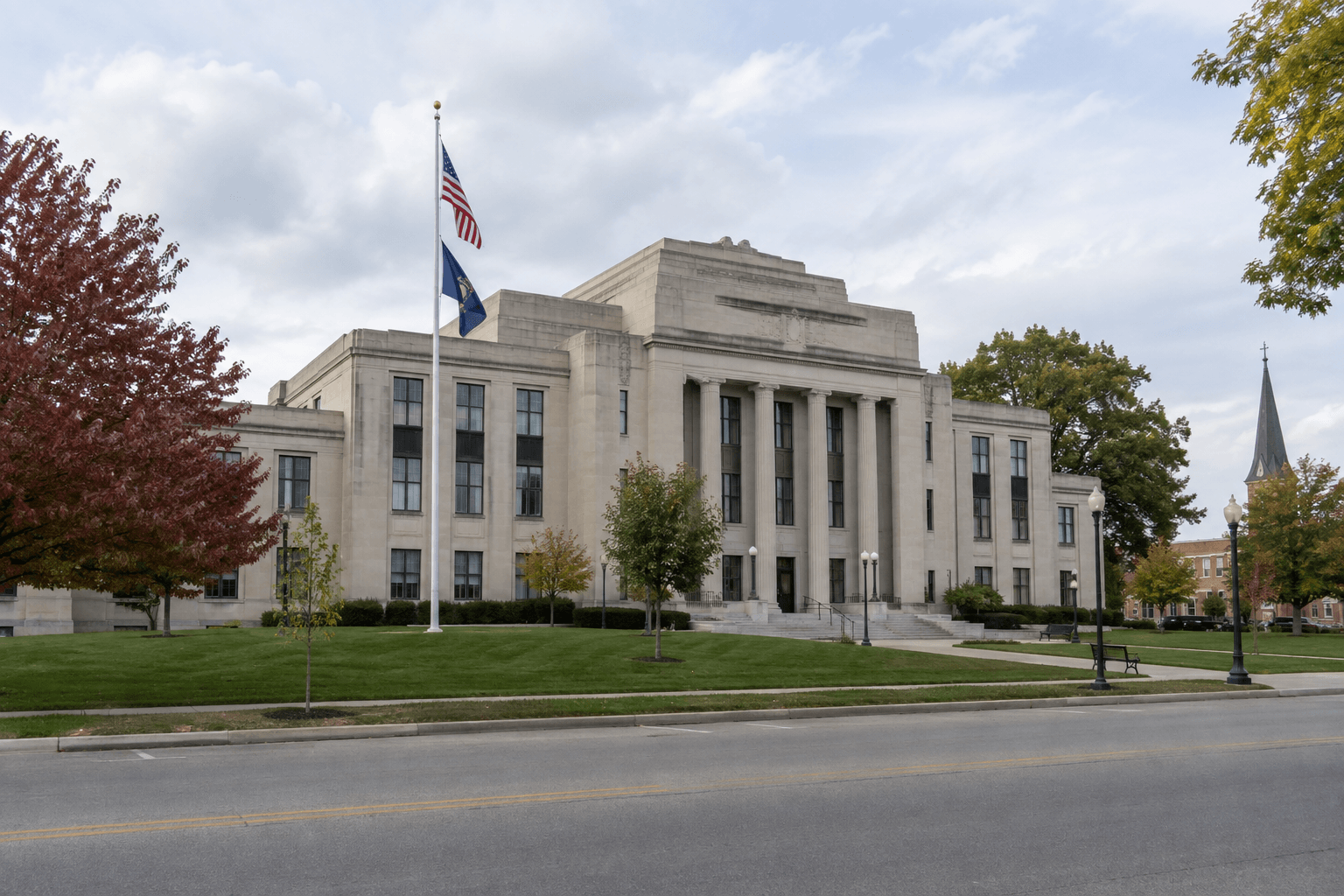
If a death has occurred, an estate may need to be opened. In Indiana, a wrongful death claim is brought by the personal representative of the estate. A wrongful death attorney can explain the estate process and help identify deadlines that may apply.
Why location matters in an Indiana claim
Ricke died at the Elkhart County Correctional Center, and the lawsuit was filed in federal court in the Northern District of Indiana. The proper court and filing requirements depend on the claims being made and the defendants involved.
When a county or another political subdivision may be responsible under Indiana law, the Indiana Tort Claims Act generally requires written notice within 180 days of the loss under Ind. Code 34-13-3-8. Claims against the State of Indiana or a state agency require notice within 270 days under Ind. Code 34-13-3-6. Federal civil rights claims follow different rules. Missing a state notice deadline does not always end every possible claim, but these short notice periods require careful attention. You can read more about government tort claim notices in Indiana.
The general filing deadline for personal injury and wrongful death actions in Indiana is two years under Ind. Code 34-11-2-4, and federal civil rights claims arising in Indiana generally borrow that two-year period. Ind. Code 34-23-1-1 is Indiana’s general wrongful death statute. Ind. Code 34-23-1-2 governs the death of an adult who leaves no spouse or dependents and limits the damages available.

How Delventhal Law Office can help
Delventhal Law Office, LLC is a personal injury law firm in Fort Wayne, Indiana, founded by attorney Chad E. Delventhal in 2009. The firm handles Indiana wrongful death and serious injury claims, including cases involving government entities and short notice deadlines. Chad Delventhal can explain how an estate is opened, which deadlines may apply, and how records can be requested and preserved.
The office serves people throughout Indiana and offers a free case evaluation. No outcome can be promised in any case.
This post is based on public reporting, the investigation and litigation may be ongoing, and nothing here is legal advice or creates an attorney-client relationship.