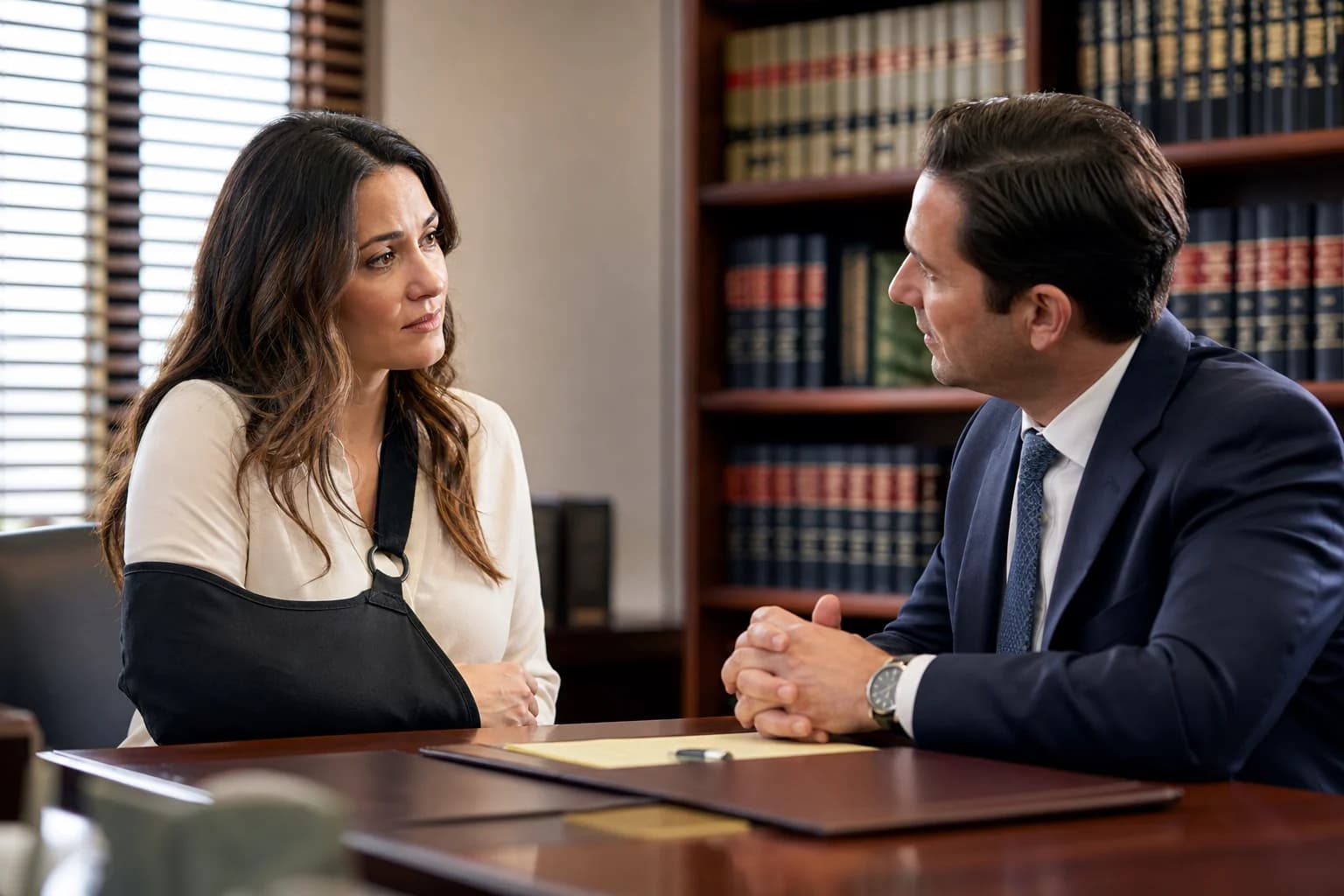

Your first meeting with an Indiana personal injury attorney is a conversation, not a test of how well you assembled a file. The checklist below consists of Delventhal Law Office’s practical preparation suggestions for a consultation in Fort Wayne, Allen County, or elsewhere in Indiana. These are practical suggestions, not requirements.
Key takeaways
- Delventhal Law Office suggests bringing copies or digital files and keeping originals in a safe place.
- Organize documents by category or date; a perfect binder is unnecessary.
- Write down the facts you remember in your own words.
- Include questions about fees, communication, responsibilities, and next steps.
- If the consultation is soon, attend even if your paperwork is incomplete.
Personal injury consultation checklist
Delventhal Law Office practical preparation suggestions: Use this non-authoritative table as a packing list. Bring only items you already have or can gather reasonably; the “helpful notes” column can be completed on paper or in your phone.
| Category | What to bring | Helpful notes |
|---|---|---|
| Incident | Report, photographs, videos, witness information, and a written timeline | Where, when, and how it happened |
| Medical | Provider names, visit summaries, medical bills, and pharmacy receipts | First visit and upcoming appointments |
| Insurance | Policy pages, insurance cards, claim numbers, letters, emails, and adjuster details | Who contacted you and when |
| Income | Pay stubs, missed-work dates, employer notes, or self-employment records | Hours, shifts, or projects affected |
| Expenses | Receipts and a simple expense log | What each cost relates to |
| Questions | A written list for the attorney | Fees, process, communication, and next steps |
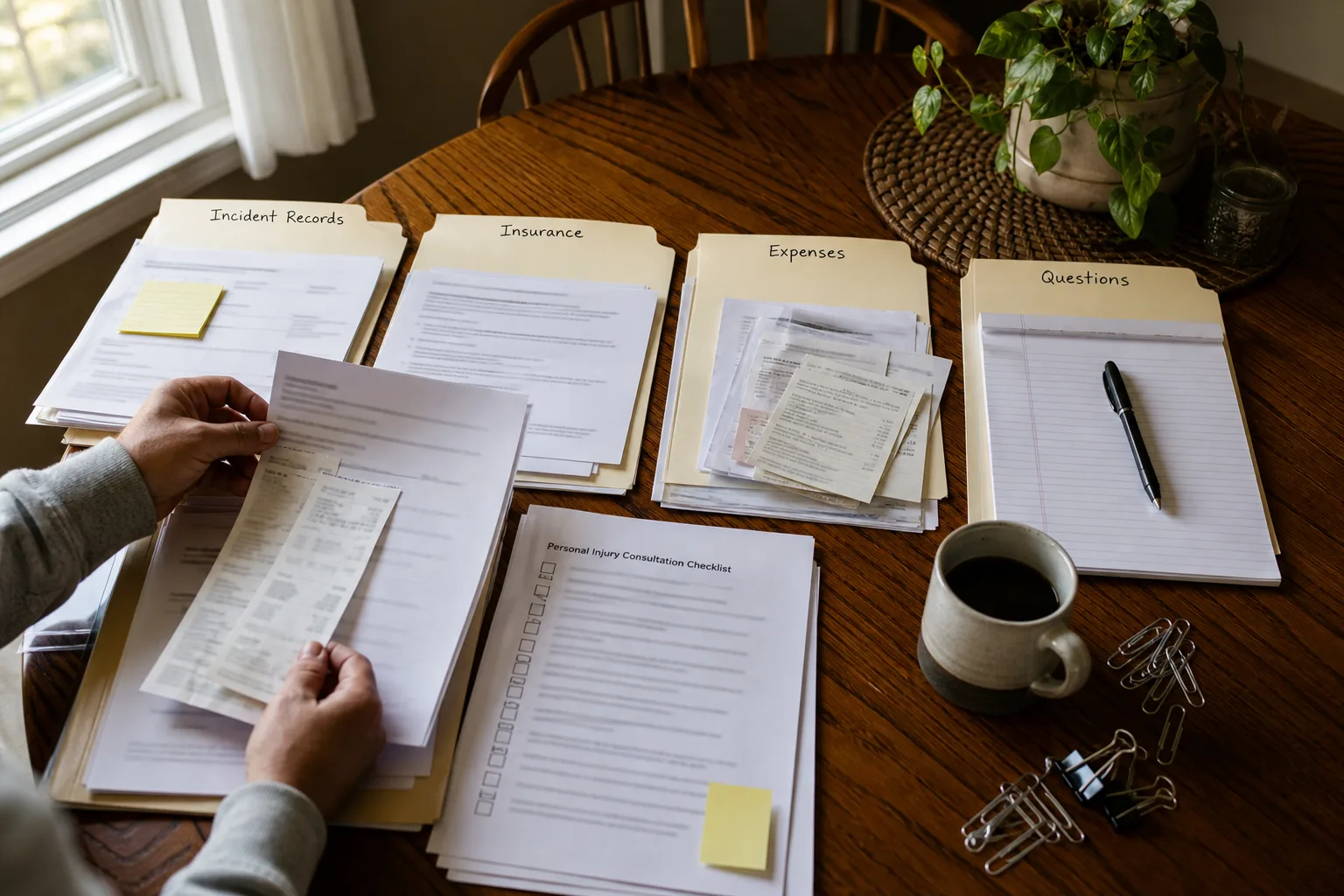
Start with information about what happened
Bring any incident report, photographs, video, witness contact information, repair estimate, property-damage photograph, or diagram already in your possession. If the matter involves a vehicle collision, the Indiana State Police maintains the state’s central repository of crash reports and makes electronic reports available through BuyCrash.
You can review the official Indiana State Police crash-report information[1] before the meeting. You may also find the firm’s guide to obtaining an Indiana police crash report useful.
As a Delventhal Law Office organization suggestion, make a short timeline in your own words. Include what you remember before the incident, what happened immediately afterward, important conversations, and the dates of later events. Mark anything you are uncertain about instead of guessing.
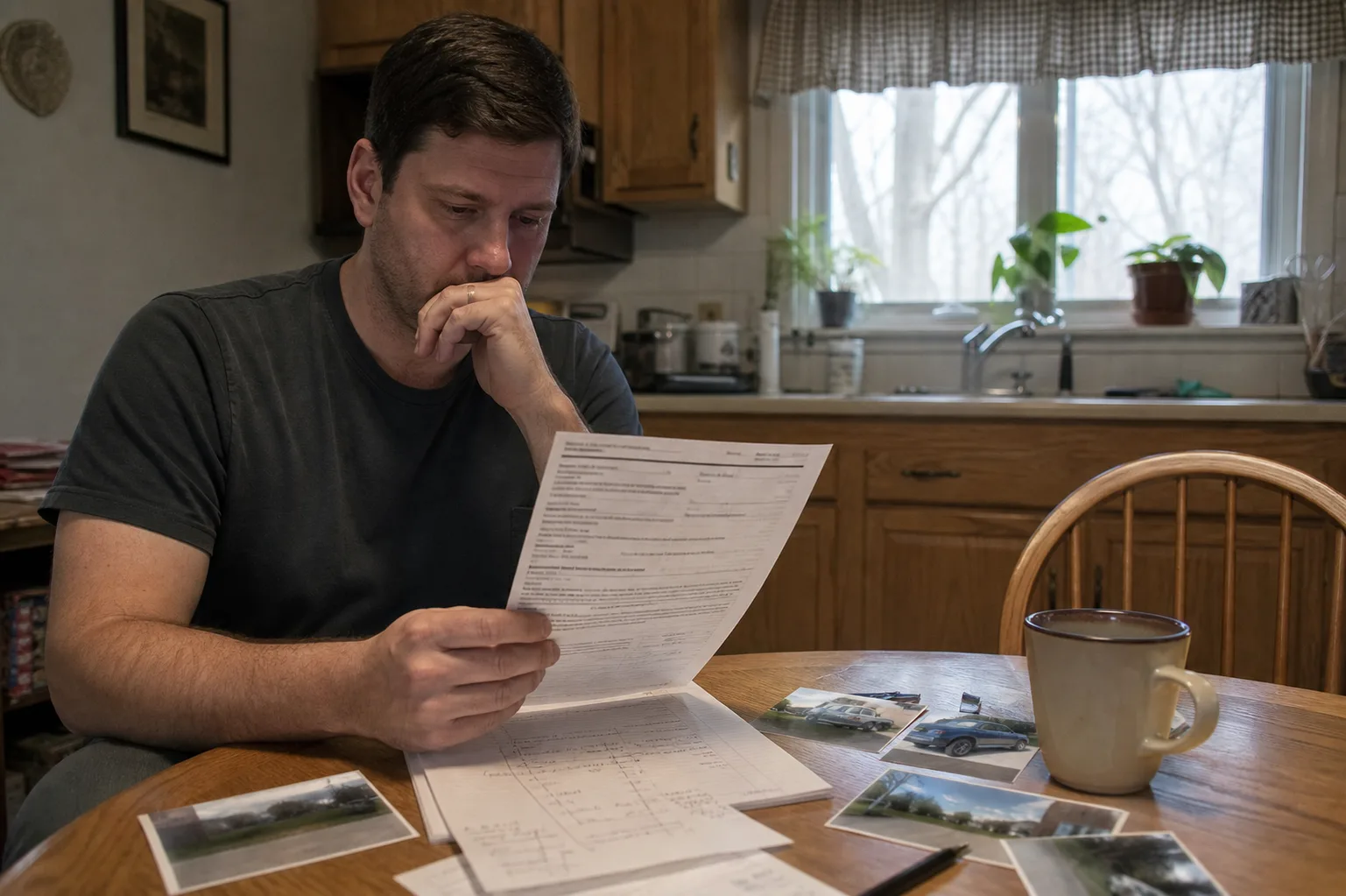
Organize medical and expense records
Delventhal Law Office suggests bringing the names of facilities and providers you visited, approximate visit dates, and any discharge papers, visit summaries, bills, pharmacy receipts, or written work restrictions already in your possession. You do not need to order every possible record merely to use this checklist.
The federal HHS medical-records guide[2] explains that access right. You do not need to order every possible record before speaking with an attorney; a provider list and the documents already available can establish a useful starting point.
As a practical organization step, put each document type in its own group. The Centers for Medicare & Medicaid Services guide[3] explains that an explanation of benefits shows the total charges for a visit, what the health plan pays, and what the patient may owe; it is not a bill.
If you want broader background on organizing accident-related charges, see who may pay medical bills after an Indiana car accident.
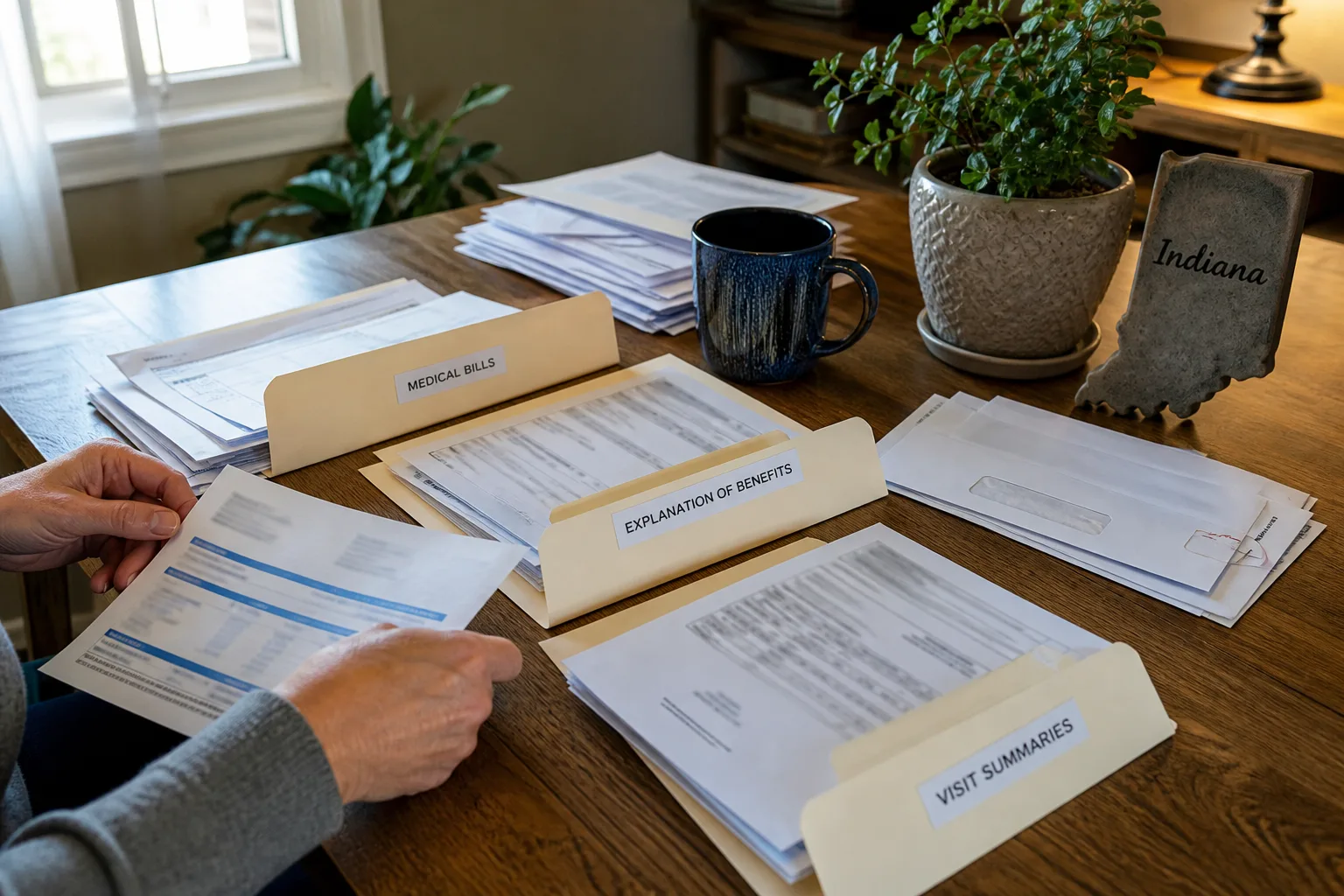
Save insurance communications
For this category, gather the cards, policy pages, reference numbers, contact details, letters, emails, text messages, estimates, and written decisions already available. The Indiana Department of Insurance advises consumers to keep copies and records of insurance correspondence, including the date and details of telephone or in-person contacts.
The Department’s official insurance claim tips[4] also tell consumers to provide complete and correct information and to understand their policy. If you received a form or request, include the unaltered document with the materials you bring.
For additional preparation, read this guide to common document requests.
Bring information about missed work and income
As a Delventhal Law Office preparation suggestion, collect information that shows your normal work pattern and the time you missed. Depending on how you are paid, that may include pay stubs, schedules, time records, employer notes, tax documents, invoices, canceled appointments, or a list of projects you could not complete.
Write down the dates you were absent or worked fewer hours. If you do not yet have employer verification, bring the employer’s name and the contact information for the person who maintains payroll or attendance records. The firm’s guide to documenting lost wages after an Indiana car accident offers a more detailed checklist.

Questions to ask during the consultation
Delventhal Law Office suggests using the consultation to learn how the attorney communicates and what the proposed next steps would be. Consider asking:
- Who would be my main contact if the firm accepts the matter?
- How will updates be provided, and how often?
- What information should I continue collecting?
- What responsibilities would I have as the client?
- How are attorney fees and case expenses handled?
- What are the next steps after this meeting?
You may also use the Indiana Judicial Branch’s Roll of Attorneys search guidance[5] when checking whether an attorney is licensed in Indiana. For more help evaluating counsel, see this guide to choosing a personal injury lawyer in Fort Wayne.
What if you do not have all the documents?
Make a “missing” list with names, approximate dates, and where a report may have been created. The list is simply an organization aid.
For paper records, consider bringing copies and keeping originals secure unless the office specifically requests an original and explains how it will be handled.
For electronic files, consider keeping the source file and making a copy to share.

Frequently Asked Questions
Should I delay the consultation until I have every record?
Not for purposes of this checklist. Delventhal Law Office suggests bringing what you have and a list of missing items, then asking the attorney which additional records may be useful.
Can I bring documents on my phone?
Ask the office which file formats and delivery methods it accepts. As a practical organization step, place relevant files in a clearly named folder and keep your own backup.
Should I bring original documents?
Delventhal Law Office suggests starting with copies and keeping originals secure unless the office specifically requests them and explains how they will be handled.
Can a family member attend with me?
Ask the office beforehand. The lawyer can explain whether to meet with you alone for part of the conversation.
What should I avoid bringing?
Avoid bringing any physical object until you have asked the office how it should be handled. For papers, keep documents even if they seem unimportant and label loose pages when convenient.
If you were injured and want help organizing the next step, request a free case evaluation with Delventhal Law Office. Bring what you have; the conversation can begin even if your file is incomplete.
This article provides general information, not legal advice. Do not assume that reading this page, sending information, or having a preliminary conversation establishes representation. The Indiana Rules of Professional Conduct[6] state in Scope paragraph 17 that most duties flowing from the client-lawyer relationship attach only after a person asks the lawyer to provide legal services and the lawyer agrees. Rule 1.18 separately defines a prospective client as a person who consults with a lawyer about possibly forming a client-lawyer relationship for a matter, and it describes duties that can apply even when no client-lawyer relationship follows.
Sources
- Indiana State Police crash-report information (in.gov) ↩
- HHS medical-records guide (hhs.gov) ↩
- Centers for Medicare & Medicaid Services guide (cms.gov) ↩
- insurance claim tips (secure.in.gov) ↩
- Roll of Attorneys search guidance (secure.in.gov) ↩
- Indiana Rules of Professional Conduct (rules.incourts.gov) ↩