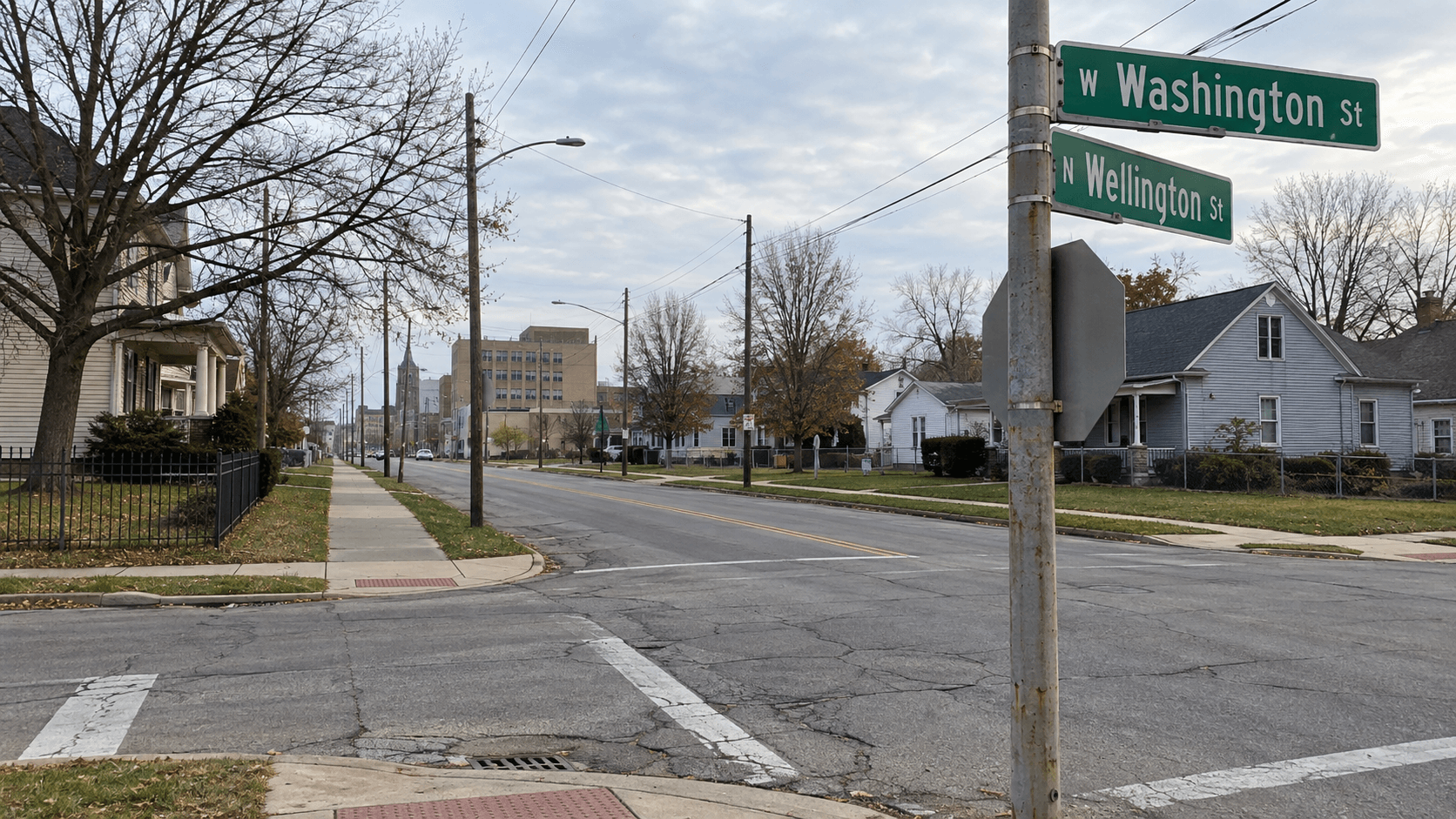
A federal court has allowed a battery claim against the City of South Bend to proceed in a lawsuit over a 2024 police shooting near Washington and Wellington streets, according to WNDU's report about the ruling[1]. The court also allowed constitutional claims against the former officer to proceed and dismissed a separate failure-to-train claim against the city.
WNDU reported the ruling on Tuesday, September 29, 2026. The court permitted Fourth and Fourteenth Amendment claims against the former South Bend police officer and a common-law battery claim against the city to move forward. The man who was shot must file an amended complaint by October 18, 2026. The report does not name the judge.
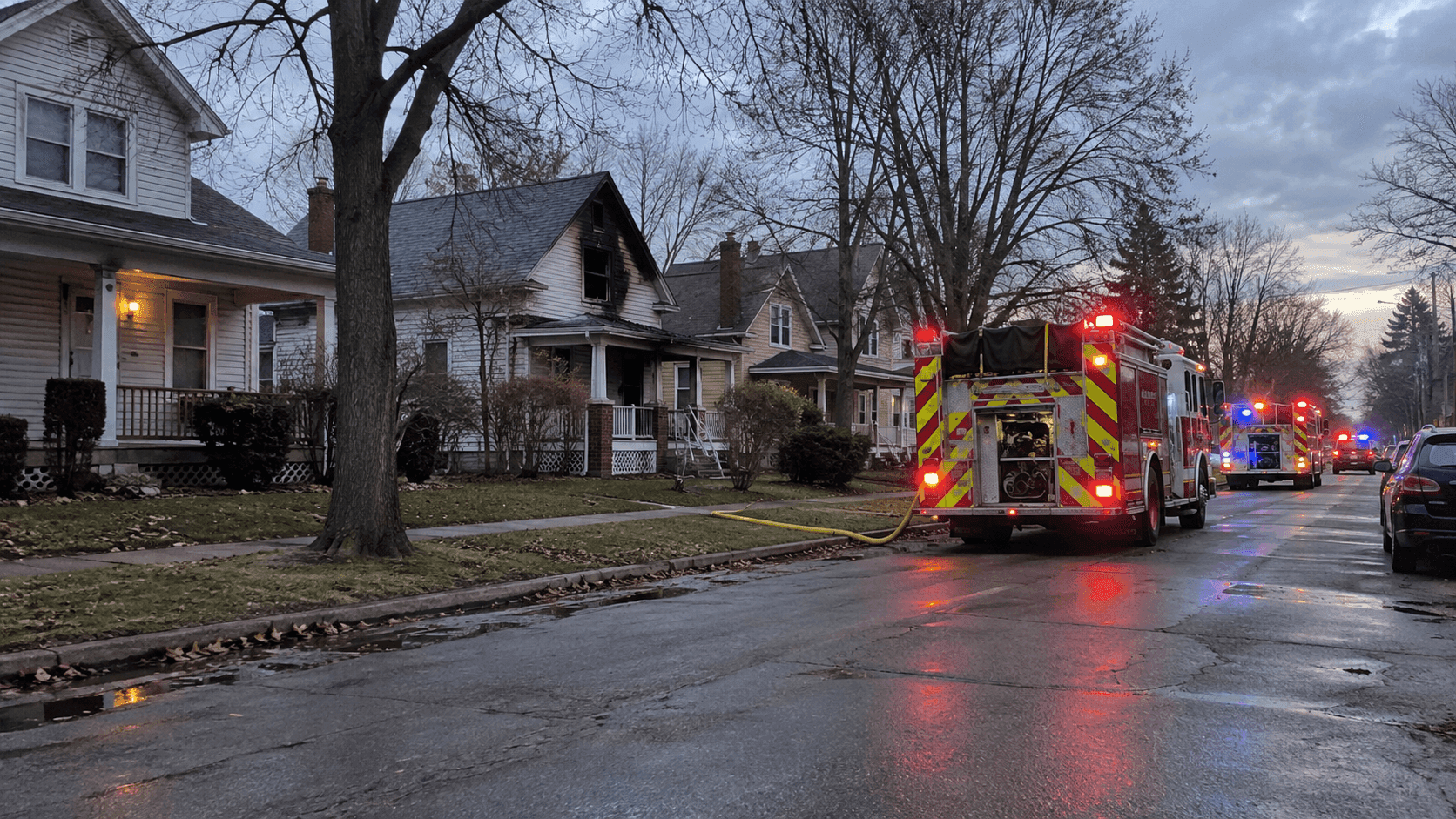
The underlying shooting happened on Sunday, September 1, 2024. WNDU reports that the officer was responding to a report of shots fired when he fired seven rounds at the man's vehicle near Washington and Wellington streets. The man was hit multiple times in the chest and arms and was treated in intensive care.
The lawsuit alleges that the man was unarmed and trying to leave. It remains unclear who fired first. The city and former officer have not been found liable, and the allegations in the lawsuit have not been proven.

What injured people should do next
This case is not an accident, but it raises issues that may matter whenever you are hurt by a government employee in Indiana, including during a police encounter or a crash involving a city vehicle.
Get appropriate medical care and keep complete records. Write down the date, location, agency, and the names or badge numbers of the people involved. You can also request the incident report. The firm's guide to obtaining an Indiana police report explains how to organize that request.
Evidence held by an agency may include body-camera video, dash-camera video, dispatch recordings, and radio traffic. Nearby homes or businesses may also have footage that can be overwritten. This guide to 911 recordings and police body-camera video discusses why early preservation efforts matter.
Federal civil-rights claims and Indiana state-law claims, including battery claims, follow different rules. A decision about one claim does not necessarily decide another. You should also understand that government notice periods may expire before the general deadline for filing a personal injury lawsuit.

Why location matters in an Indiana injury claim
The shooting happened near Washington and Wellington streets in South Bend, in St. Joseph County. Claims involving federal constitutional issues may be heard in federal court, while state-law injury claims are ordinarily filed in the county where the injury happened or where a defendant resides.
When a claim is brought against a city, the Indiana Tort Claims Act applies. Written notice of a claim against a political subdivision, such as a city, must generally be given within 180 days of the loss under Ind. Code 34-13-3-8. A claim against the State of Indiana or a state agency generally requires notice within 270 days under Ind. Code 34-13-3-6. The Act also contains immunities and other limits that can affect individual claims. A plain-language overview of the Indiana government tort claim notice provides more context.
A city can be responsible under state law for certain acts of an employee performed within the scope of employment. Federal civil-rights claims against a city follow stricter standards. That distinction helps explain how the failure-to-train claim could be dismissed while other claims were allowed to continue.
Fault rules can also operate differently when a governmental entity is a defendant. Ind. Code 34-51-2-6 generally governs comparative fault between private parties, but claims involving government defendants are governed by the Indiana Tort Claims Act instead, and fault by the injured person can bar recovery entirely. The general deadline for filing an Indiana personal injury action is two years under Ind. Code 34-11-2-4, but the Tort Claims Act notice period runs much sooner.
How Delventhal Law Office can help
Delventhal Law Office handles Indiana injury claims, including claims involving cities, counties, and other government entities. Attorney Chad Delventhal can explain notice requirements, help preserve agency records and video, and discuss how state and federal claims may differ. You can learn more about the firm's personal injury practice or request a free case evaluation.
Delventhal Law Office is in Fort Wayne and serves clients throughout Indiana, including St. Joseph County. No outcome can be promised, and every claim depends on its particular facts and applicable law.
This post is based on public reporting, the investigation and litigation may be ongoing, and nothing here is legal advice or creates an attorney-client relationship.