A woman charged in connection with a January police-pursuit crash in Elkhart was arrested at her Indianapolis home by the U.S. Marshals Service and extradited to Elkhart County, The Elkhart Truth reported[1] on September 2, 2026. InkFreeNews also reported the arrest[2].
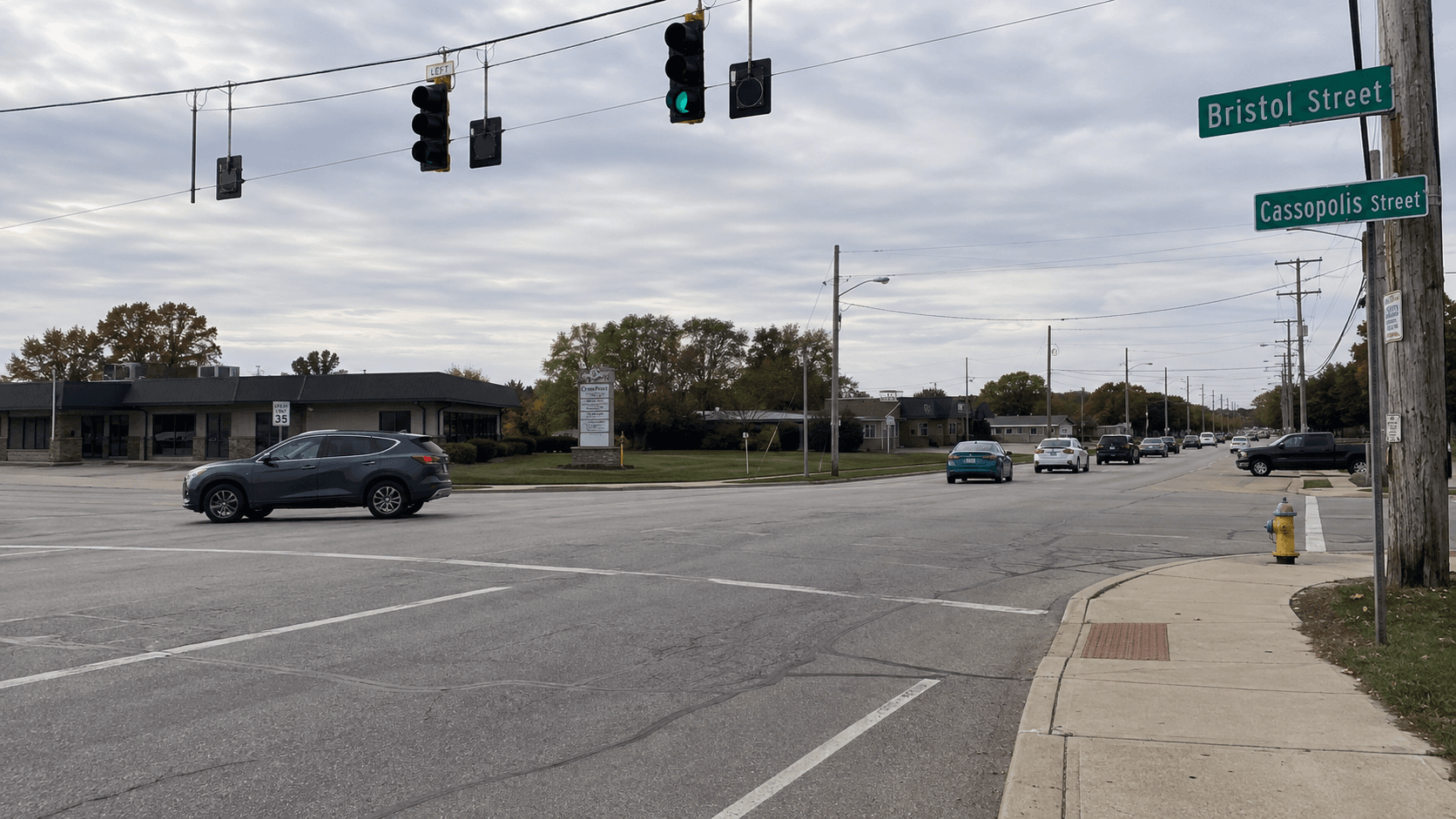
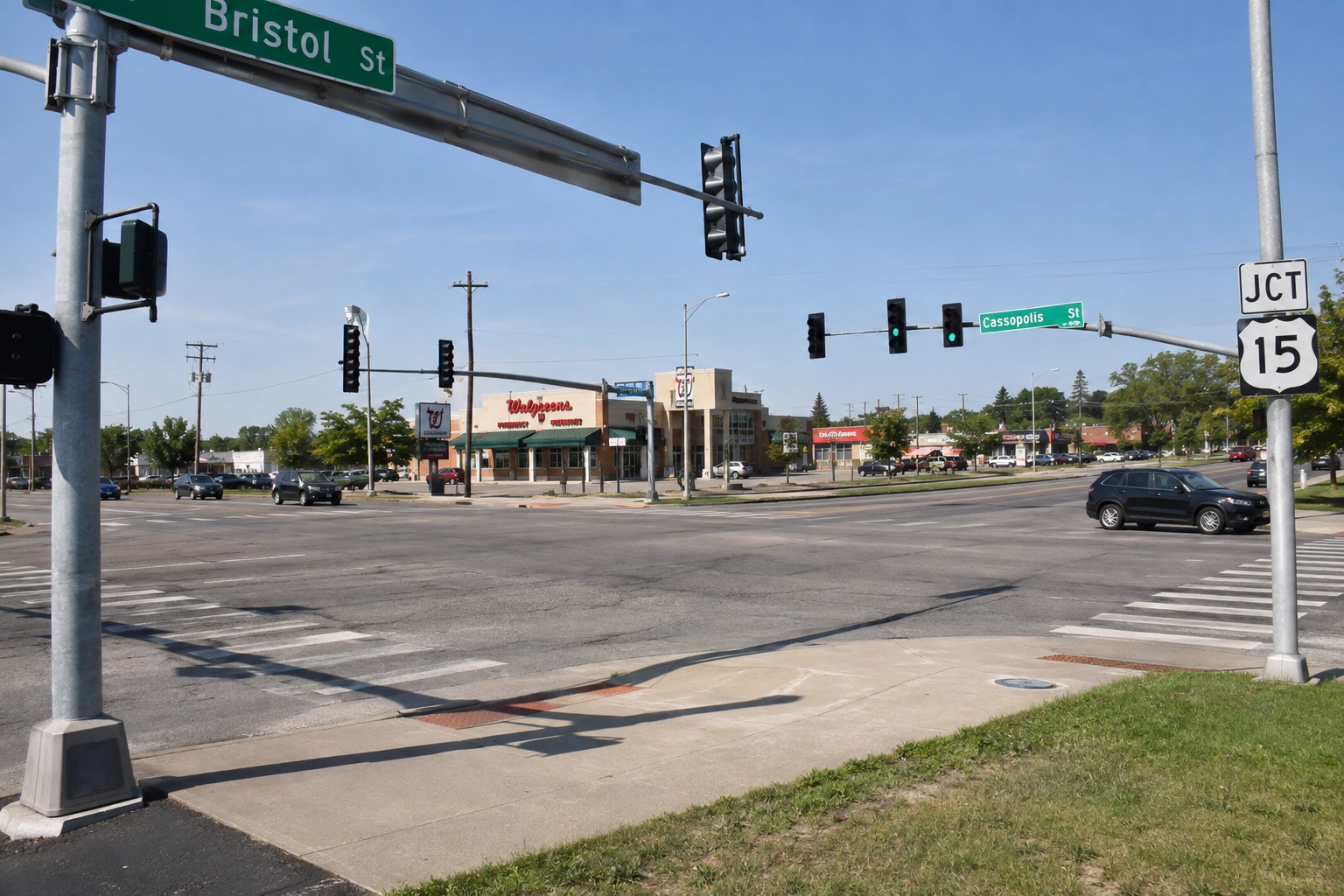
The Elkhart Truth reports that Nakia Adams, 26, of Indianapolis was driving a 2012 Buick SUV and fleeing an Elkhart County deputy on Tuesday, January 13, 2026, when she struck a dark gray Chevrolet at Bristol Street and Cassopolis Street in Elkhart. The Chevrolet was driven by a 17-year-old who was not involved in the pursuit. The teenager was seriously injured and was taken to Memorial Hospital in South Bend. Adams was taken to Elkhart General Hospital. The minor is not named by any source and is not identified here.
The deputy who began the pursuit was working off-duty security when the chase started, according to The Elkhart Truth. The Elkhart County Sheriff's Office investigated, and the Elkhart County Prosecutor filed charges of resisting law enforcement causing serious bodily injury and causing serious bodily injury with a Schedule I or II controlled substance in the body. Adams is presumed innocent.
What should accident victims do next?
The most important thing to understand about a crash involving a police pursuit is that the deadline to preserve a possible claim against a government entity is not necessarily two years. It can be as short as 180 days, and it can expire before anyone is arrested, charged, or convicted.
In this crash, the 180-day notice period for a possible claim against Elkhart County would have closed in mid-July 2026, roughly seven weeks before the arrest produced September news coverage. If a government vehicle, deputy, officer, or pursuit was part of your crash, prompt advice matters. The firm's guide to injuries during an Indiana police pursuit explains why these cases may involve both private and government parties.
You should also continue appropriate treatment, request the crash report, preserve photographs, and identify every potentially available auto policy. The investigating agency's crash report is not a determination of civil liability. The guide to obtaining an Indiana crash report explains the records process.
When the responsible driver has little or no insurance, uninsured or underinsured motorist coverage may matter. You should review the actual policy language instead of assuming that coverage is or is not available. If the injured person is under 18, the family should obtain advice specific to a minor's claim because different timing rules may apply.
Why location matters in Indiana injury claims
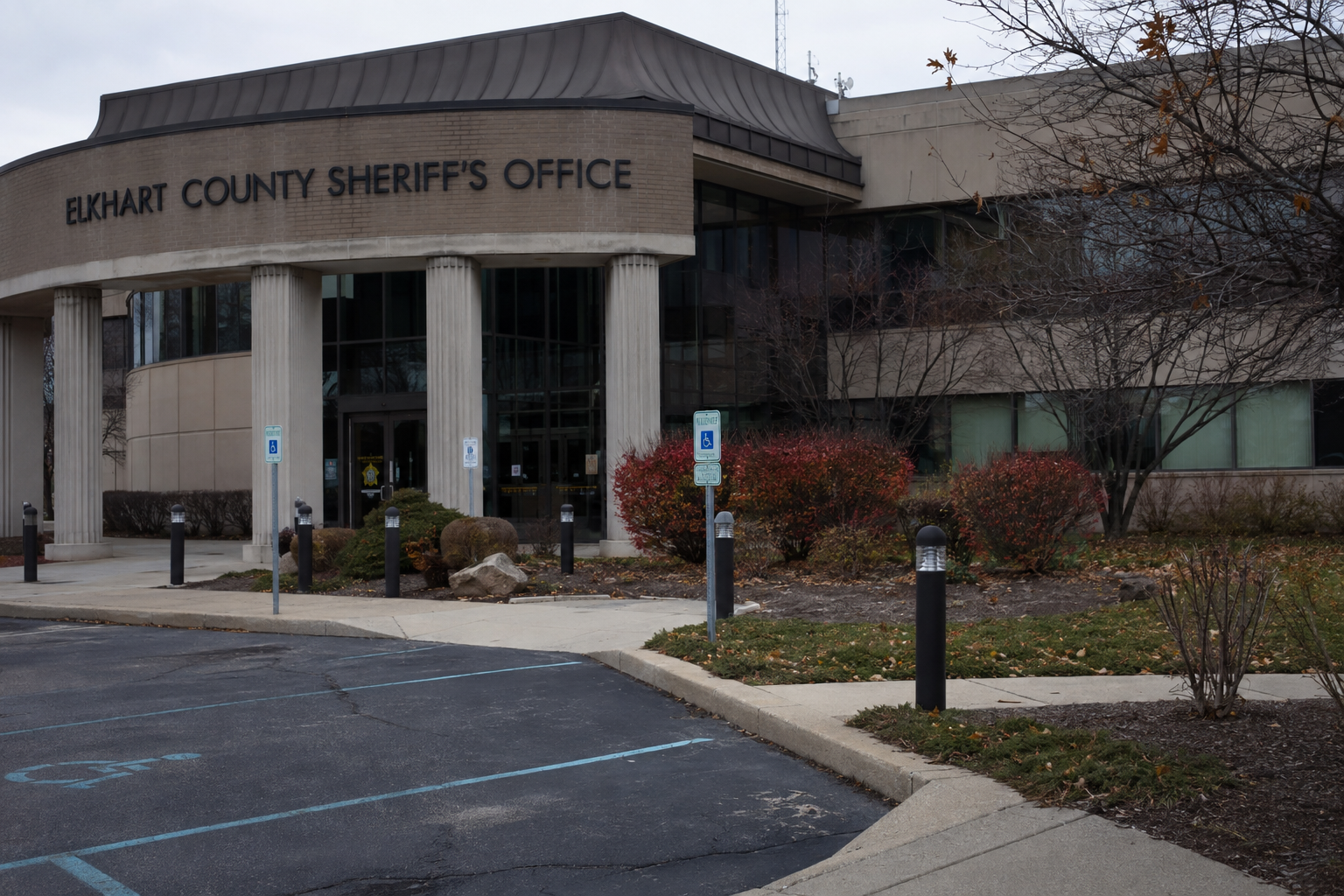
The crash happened in Elkhart, the Elkhart County Sheriff's Office investigated, and the Elkhart County Prosecutor filed the charges. A civil case arising from these facts would ordinarily have a connection to Elkhart County.
The involvement of a county deputy changes the timing analysis. Under the Indiana Tort Claims Act, written notice to a political subdivision such as a county generally must be provided within 180 days of the loss. Indiana Code 34-13-3-8[3]. Notice to a state agency generally must be provided within 270 days. Indiana Code 34-13-3-6[4]. These are notice deadlines, not lawsuit-filing deadlines, and the criminal case does not postpone them. The firm's guide to Indiana government tort claim notices provides additional context.
Most personal injury claims against a private driver must be filed within two years under Indiana Code 34-11-2-4[5]. For a January 13, 2026 crash, that date would fall on or about January 13, 2028.
Indiana Code 34-11-6-1[6] generally tolls the ordinary limitations period while a person is under a legal disability, including being a minor. Families should not assume that this rule rescues a missed Tort Claims Act notice, which is a separate requirement.
Indiana's comparative fault rule also matters in a private claim. Under Indiana Code 34-51-2-6[7], an injured person whose fault is greater than 50 percent cannot recover, while a recovery at 50 percent fault or less is reduced by that person's percentage of fault. Fault must be evaluated from the evidence rather than assumed from an arrest or police report.
Indiana's minimum auto liability limits are $25,000 per person and $50,000 per accident for bodily injury, plus $25,000 for property damage. Indiana Code 9-25-4-5[8]. Indiana insurers must offer uninsured and underinsured motorist coverage under Indiana Code 27-7-5-2[9]. Depending on the policy and the facts, that coverage may provide another source of recovery. You can read more about claims involving an uninsured Indiana driver.
How Delventhal Law Office can help
Delventhal Law Office, LLC is a Fort Wayne personal injury law firm founded by attorney Chad E. Delventhal in 2009. The firm can review whether a governmental entity may be involved, evaluate applicable notice requirements, and examine uninsured or underinsured motorist coverage. Insurance companies and government defendants may aggressively defend fault, notice, and coverage disputes, so careful documentation matters.
If you were injured in a police-pursuit crash, you can request a free case evaluation. Prompt review is especially important when a 180-day government notice period may apply.
This post is based on public reporting, the investigation may be ongoing, and nothing here is legal advice or creates an attorney-client relationship.
Sources
- The Elkhart Truth reported (elkharttruth.com) ↩
- InkFreeNews also reported the arrest (inkfreenews.com) ↩
- Indiana Code 34-13-3-8 (iga.in.gov) ↩
- Indiana Code 34-13-3-6 (iga.in.gov) ↩
- Indiana Code 34-11-2-4 (iga.in.gov) ↩
- Indiana Code 34-11-6-1 (iga.in.gov) ↩
- Indiana Code 34-51-2-6 (iga.in.gov) ↩
- Indiana Code 9-25-4-5 (iga.in.gov) ↩
- Indiana Code 27-7-5-2 (iga.in.gov) ↩