What the official report says
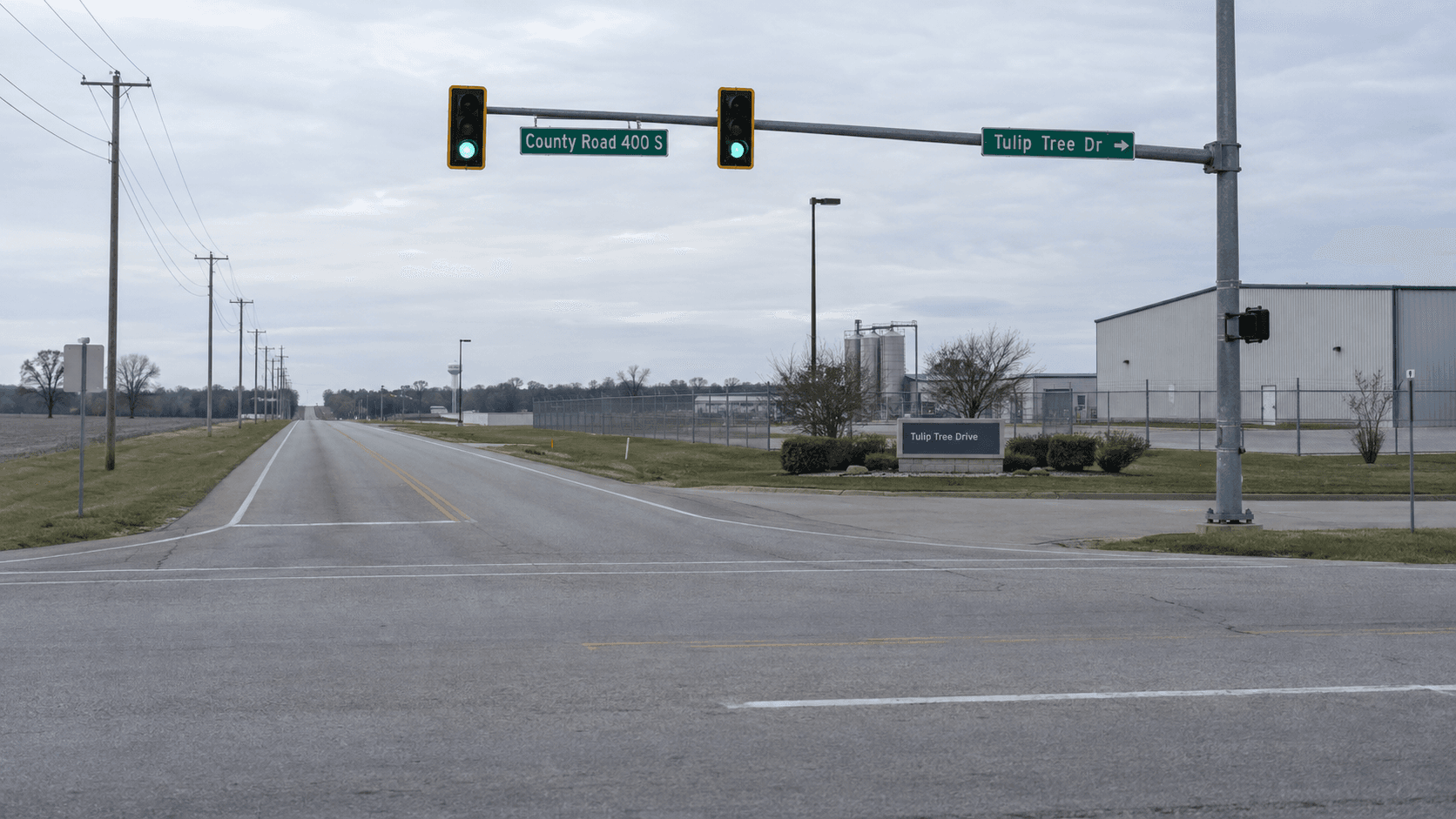
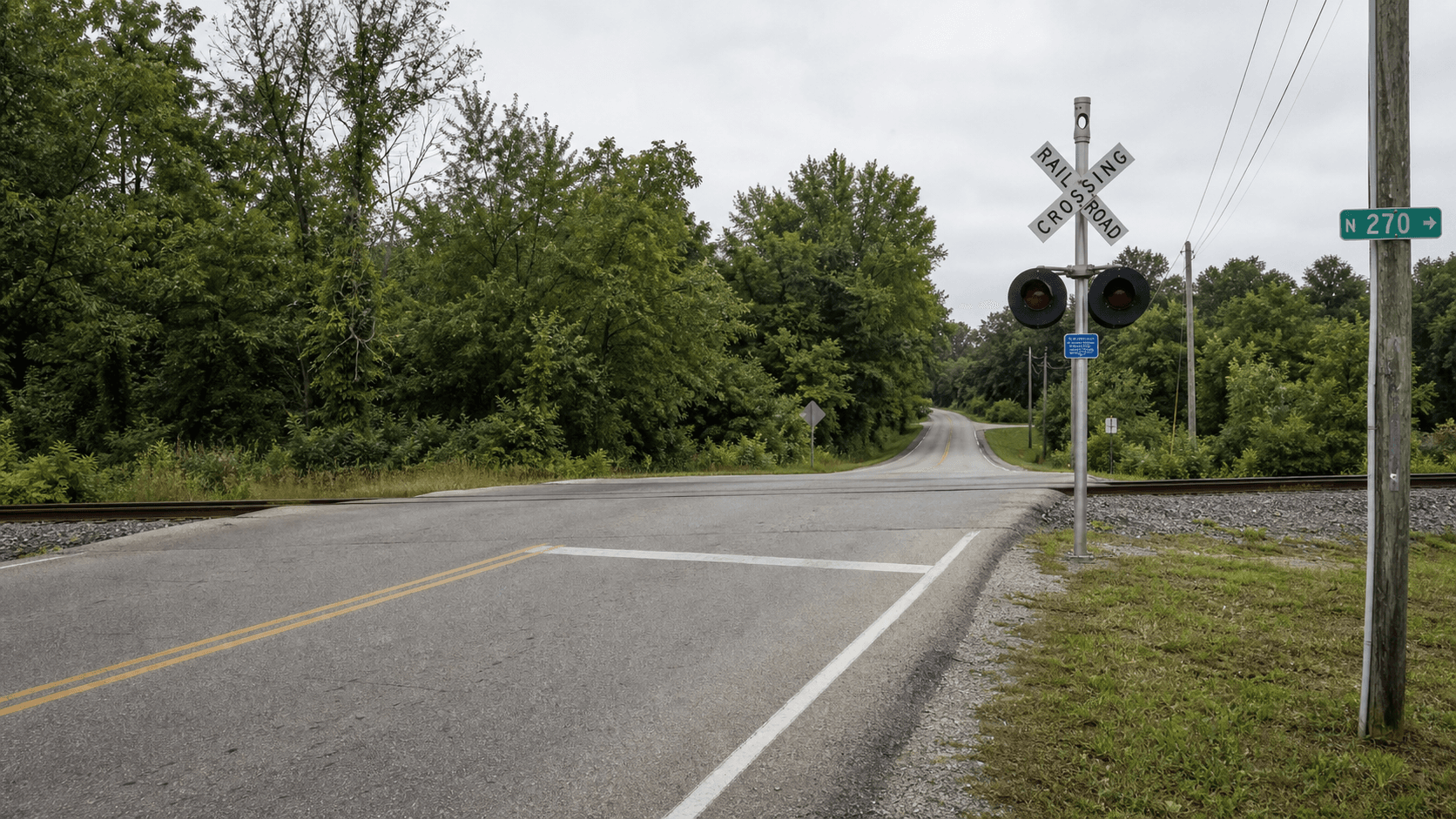
The Gibson County Sheriff's Office report places the collision at the railroad crossing at County Road 270 North and County Road 950 West near Owensville. Earlier reporting had placed it near East Mt. Carmel.
According to the Princeton Daily Clarion's report[1], a 22-year-old Princeton man was operating a 2026 Puma tractor across the at-grade crossing on the afternoon of Wednesday, August 26, 2026, when a Norfolk Southern train struck it.
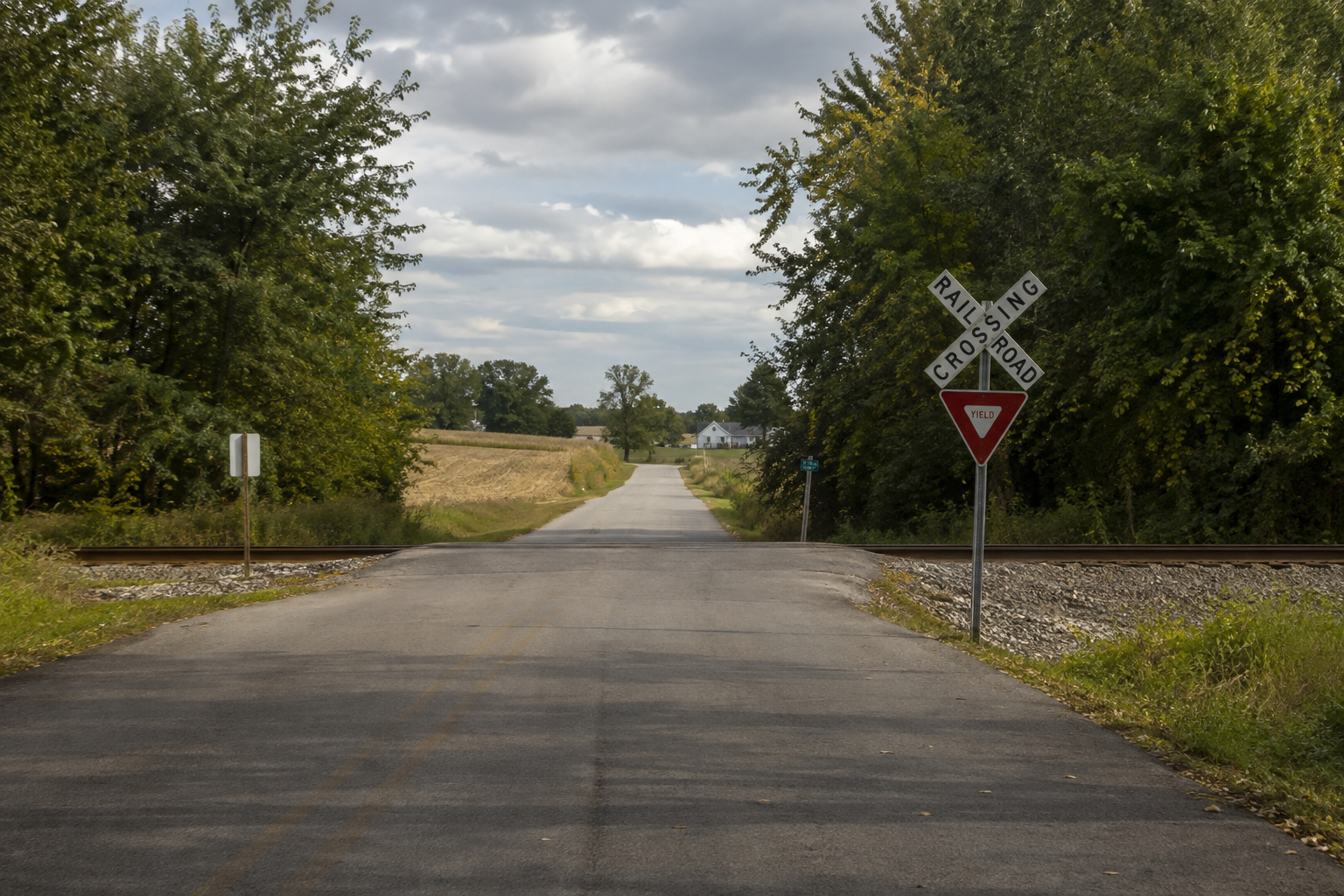
The report records that the operator slowed before the crossing but could not see whether a train was approaching because of trees. He moved forward, saw the train, and did not have time to clear the tracks. The train struck the tractor's right front fender and caused major damage. The operator sustained minor injuries.
Both crew members provided statements. The conductor said he heard the engineer yell and then heard the collision. The engineer said he saw the tractor begin crossing and then stop before impact. No fault has been assigned, no citations were reported, and no charges have been filed. Published information does not state whether the crossing had gates, lights, or only a crossbuck.
Why the blocked sight line matters
An official record that vegetation blocked a crossing sight line can be important because responsibility for the condition may be hotly contested. Depending on the precise location, vegetation control near a public crossing may involve the railroad, the authority responsible for the road approach, or both. Whether anyone failed to meet a legal duty must be determined from site measurements and maintenance records, not from the report alone.
The physical condition can change quickly as vegetation grows or is cut. Photographs and video taken from the operator's eye position, along with measurements showing the distance to the rail, can help preserve what the operator could see. General guidance about evidence after an Indiana accident explains why early documentation matters.
Railroad evidence can also have limited retention periods. Locomotive event-recorder information, forward-facing video, dispatch records, speed and horn data, and crew reports may become important. A timely and specific preservation request can identify the locomotive, date, and time and ask the carrier to retain those materials. A Fort Wayne train accident attorney can evaluate which records should be requested.
Warning-device claims raise a separate issue. Federal funding for crossing warning devices can affect whether federal law preempts a claim that the devices were inadequate. That analysis depends on the funding history of this particular crossing. Vegetation and sight-line issues generally require a different analysis.
What you should do after a crossing collision
If you are hurt in a crossing collision, obtain appropriate medical care and keep records of your symptoms, treatment, and expenses. The report describes the tractor operator's injuries as minor, and that description should not be changed without additional medical information.
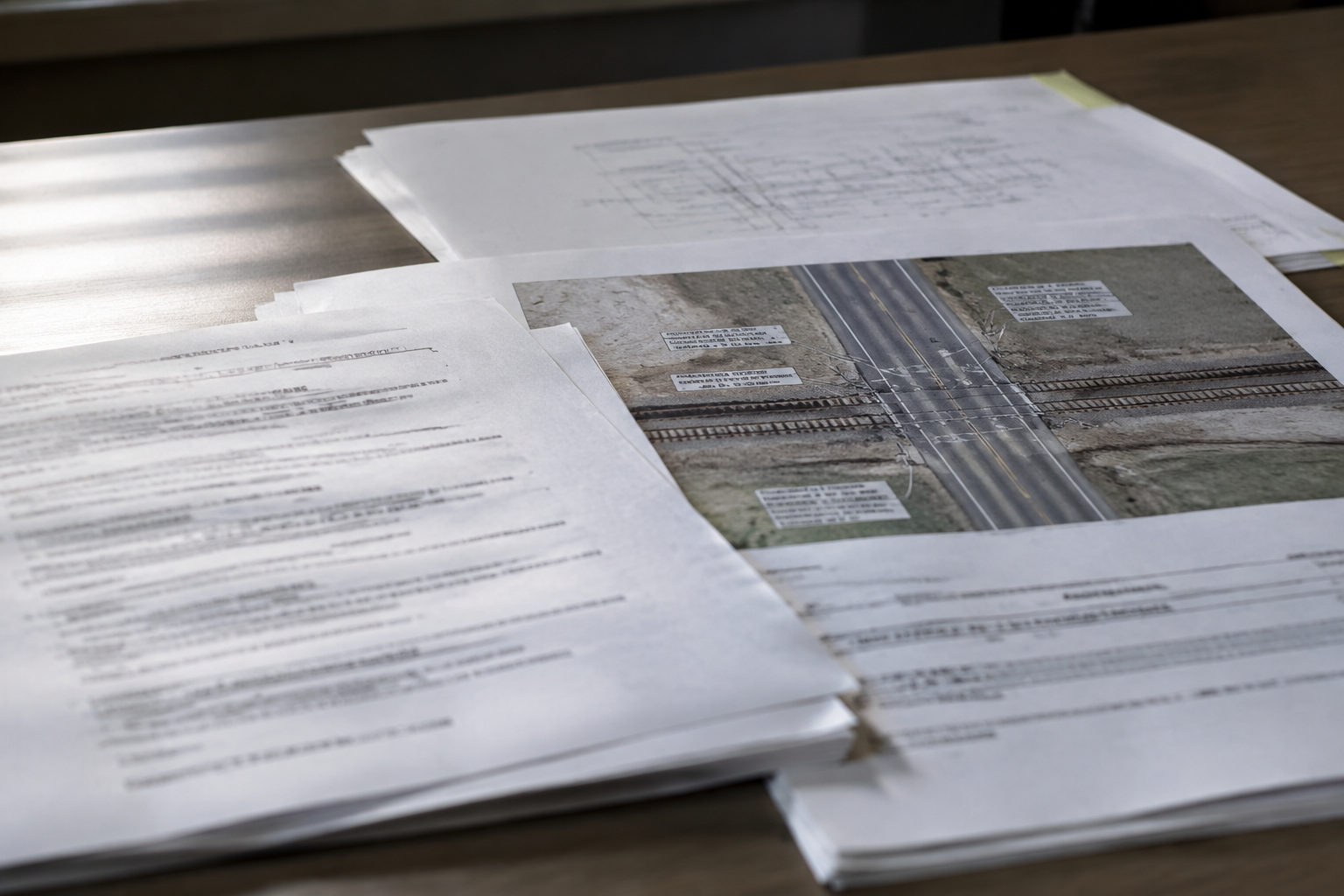
You should also obtain the investigating agency's report. A crash report is not a final determination of civil liability, but it can identify witnesses, record early observations, and help define what evidence must be preserved. The firm's guide to obtaining an Indiana crash report provides more information.
Do not assume that an insurer's early fault decision is final. Railroads, government entities, and their insurers may aggressively defend responsibility, particularly when they argue that an operator should have stopped, looked, and listened differently. Photographs, measurements, maintenance records, event-recorder data, video, and witness accounts may all matter.
Why the Gibson County location matters
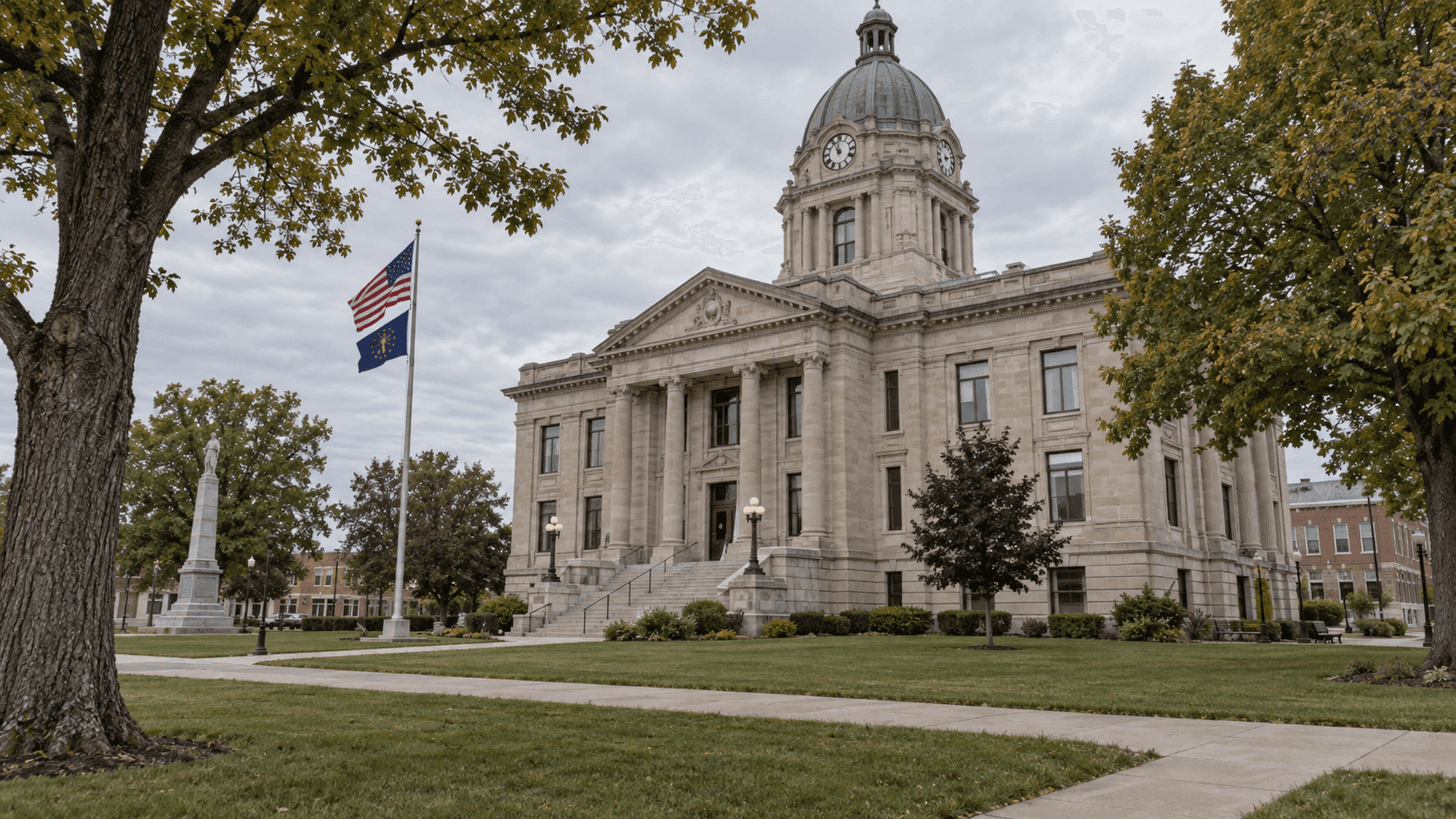
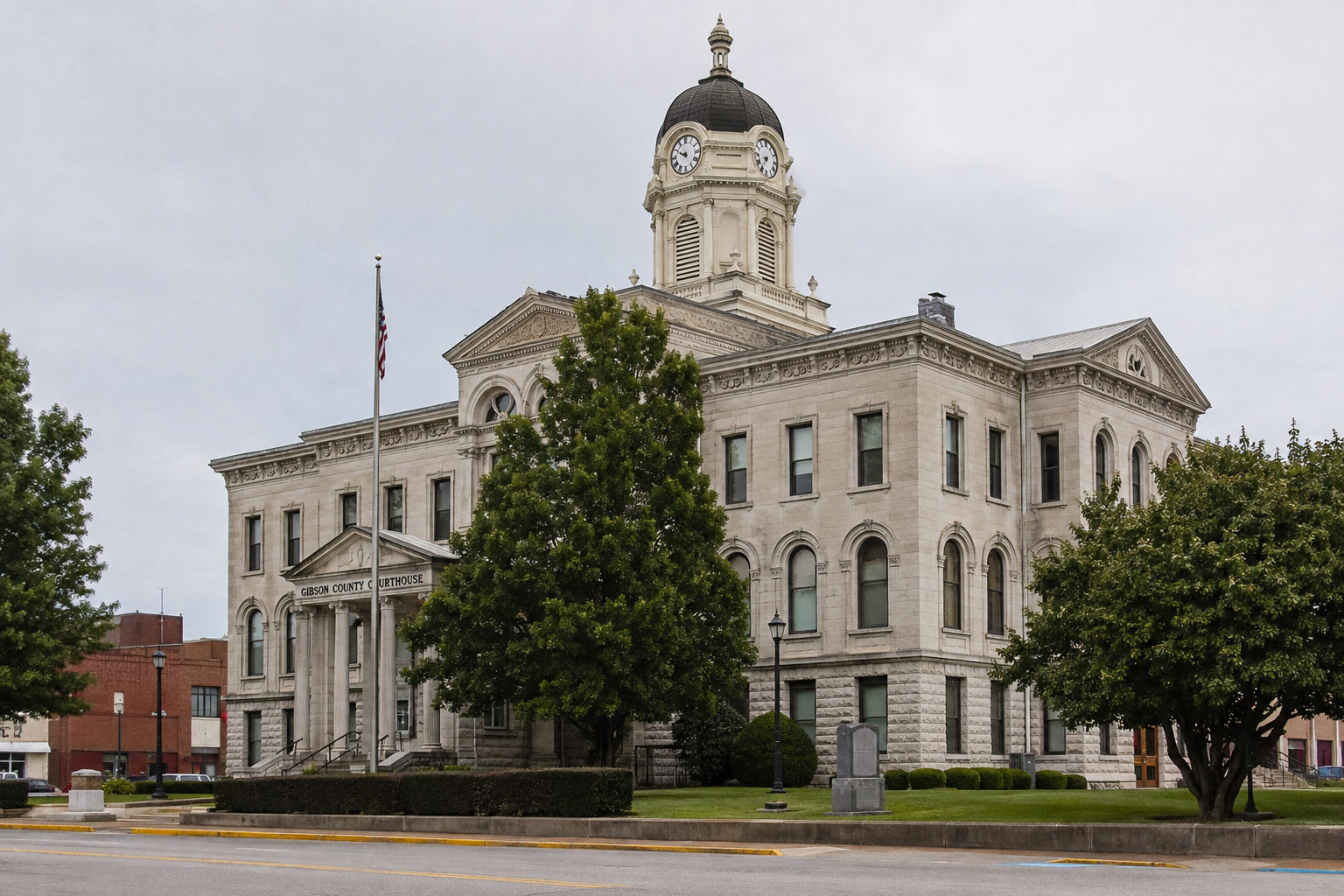
The crossing is near Owensville in Gibson County, Indiana. The Gibson County Sheriff's Office holds the report, and a civil case would ordinarily be venued in Gibson County.
If a claim concerns the county-road approach or vegetation on the roadway side, a government entity may be involved. A claim against a county, township, or another political subdivision generally requires written notice within 180 days under IC 34-13-3-8[2]. A claim against the State generally requires notice within 270 days under IC 34-13-3-6[3]. You can read more about Indiana government tort claim notices. These notice rules do not govern a claim against a private railroad in the same way.
Most Indiana personal injury claims must be filed within two years of the injury under IC 34-11-2-4[4]. Indiana also applies modified comparative fault under IC 34-51-2-6[5]. An injured person whose fault is greater than 50 percent cannot recover; otherwise, the recovery is reduced by that person's percentage of fault.
A farm-work relationship could create additional workers' compensation questions, but nothing published states whether the operator was working for another person or business at the time.
How Delventhal Law Office can help
Delventhal Law Office, LLC is a Fort Wayne personal injury firm founded by attorney Chad E. Delventhal in 2009. The firm represents people hurt by someone else's carelessness in Indiana, including people injured in railroad-crossing collisions.
Delventhal Law Office can obtain reports, document the crossing before the vegetation changes, send preservation requests for railroad records, investigate responsibility for the sight line and road approach, and evaluate any short government notice deadline. You can request a free case evaluation to discuss the facts.
This post is based on public reporting, the investigation may be ongoing, and nothing here is legal advice or creates an attorney-client relationship.