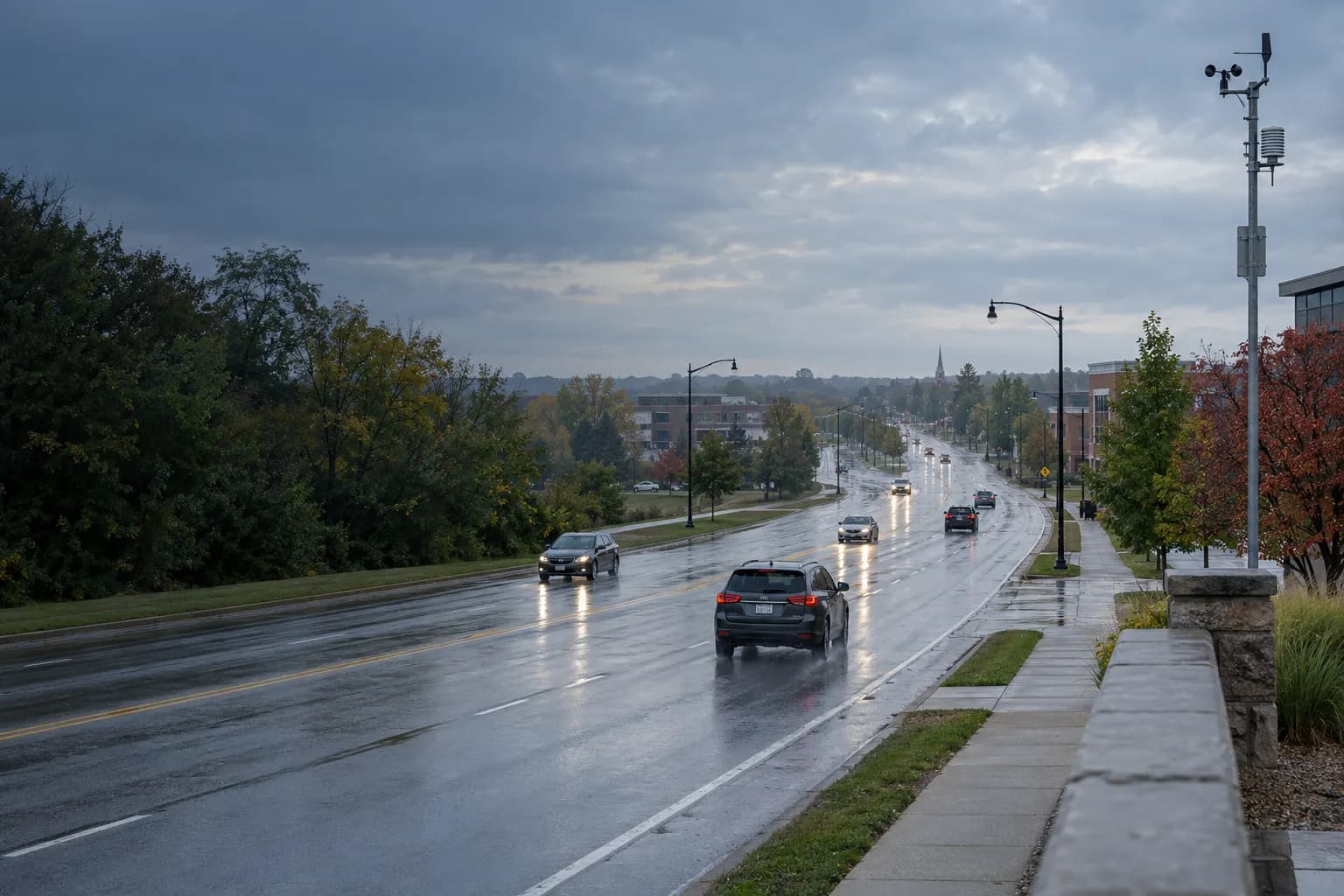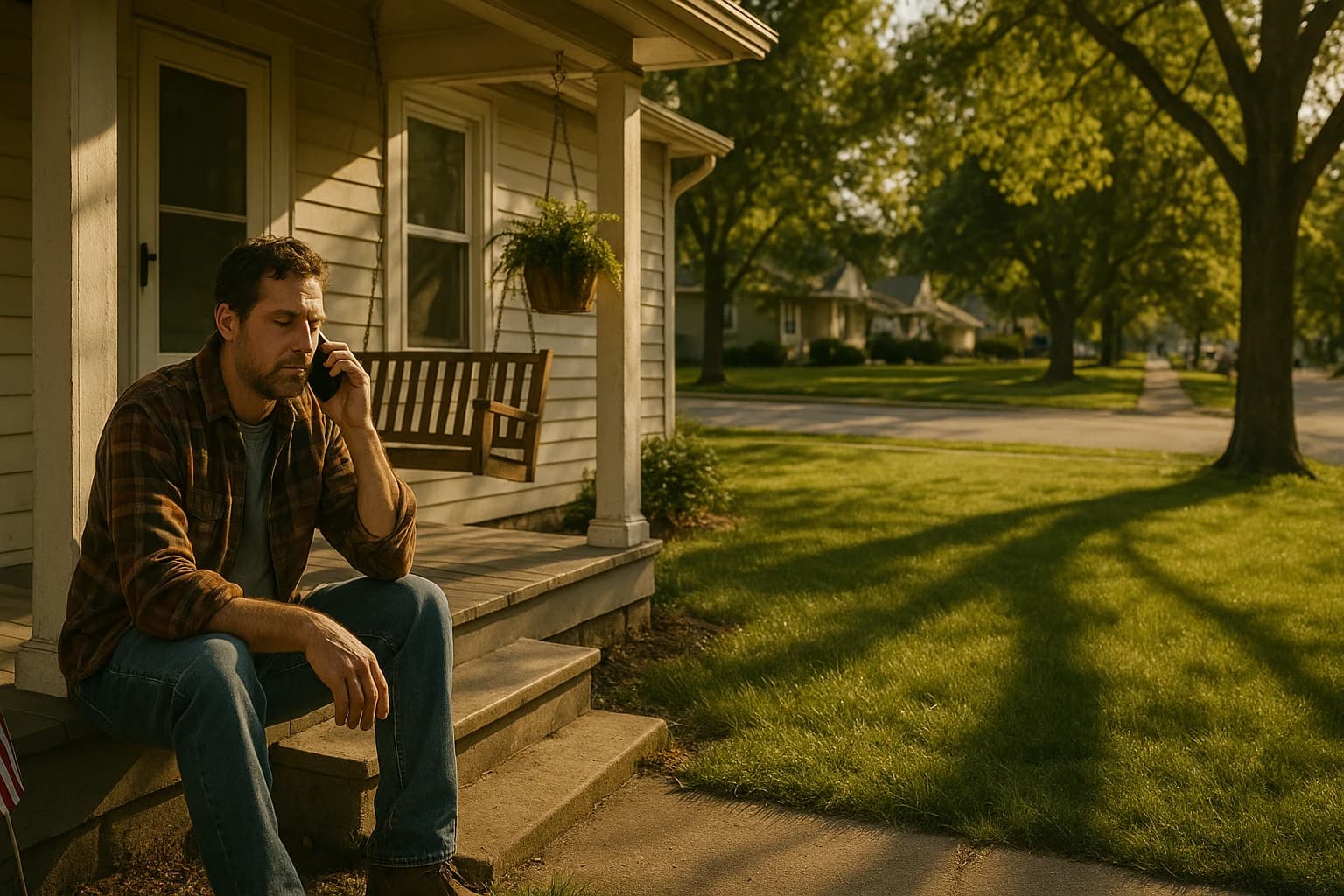
After an accident, the drivers may tell different stories. One person says the light was green. The other says it was red. One says the other driver changed lanes without warning. The other says they were already in the lane. When the physical evidence does not answer every question, witness statements can become critical.
Delventhal Law Office helps injured people in Fort Wayne and throughout Indiana investigate accident fault, preserve evidence, and respond when insurance companies blame the injured person. If you were hurt, visit our Fort Wayne car accident attorney page or call (260) 484-6655 for a free consultation.
Key takeaways
- Witness statements can help prove how the crash happened and who was at fault.
- Independent witnesses may carry more weight than drivers with a financial stake in the claim.
- The most useful witnesses explain what they personally saw or heard, not guesses or rumors.
- Witness information should be gathered quickly because memories fade and contact information gets lost.
- Witness statements can affect Indiana comparative fault arguments when insurers try to blame you.
Why witness statements matter after an Indiana accident
Witnesses matter because they can fill gaps left by the crash report, photos, vehicle damage, and driver statements. A witness may have seen the other driver looking down, running a red light, speeding through a yellow light, drifting across the centerline, failing to yield, tailgating, or apologizing at the scene.
Witness statements can help prove:
- Which driver had the right of way.
- Whether a traffic signal or stop sign was ignored.
- Whether a driver was speeding or following too closely.
- Whether a driver changed lanes, turned, or merged unsafely.
- Whether a driver appeared distracted, impaired, tired, or aggressive.
- Where the vehicles came to rest after impact.
- What the drivers said immediately after the crash.
- Whether the injured person appeared hurt at the scene.
For a broader evidence checklist, see What Evidence Helps Prove an Indiana Car Accident Claim?
Independent witnesses can be especially powerful
An independent witness is someone who saw or heard something relevant but does not appear to have a personal stake in the claim. Examples include another driver, pedestrian, bicyclist, nearby business employee, construction worker, delivery driver, or homeowner near the scene.
Insurance adjusters often treat independent witness statements seriously because the witness is not asking for money and is not defending against blame. That does not make every witness correct, but it can make the statement harder for the insurer to ignore.
What makes a witness statement useful?
The most useful witness statement is specific, timely, and based on personal observation. Indiana Rule of Evidence 602 reflects a basic courtroom principle: a witness generally needs personal knowledge of the matter they testify about.[1] In plain English, what the witness actually saw or heard is usually more helpful than speculation.
A strong witness statement may include:
- The witness’s name and contact information.
- Where the witness was located.
- What direction the witness was facing or traveling.
- Whether the witness saw the impact or only the aftermath.
- Traffic signal color, stop signs, lane markings, or right-of-way details.
- Vehicle speed, braking, swerving, or lane changes.
- Weather, lighting, visibility, and road conditions.
- Statements made by drivers or passengers after the crash.
- Whether anyone appeared injured, shocked, confused, or in pain.
- Whether the witness has photos, dashcam footage, or other video.
Get witness contact information quickly
If you are physically able and it is safe, try to get witness names and phone numbers at the scene. You do not need to conduct a full interview on the roadside. Often, the most important thing is preserving a way to reach the person later.
Useful information includes:
- Name.
- Phone number.
- Email address.
- Home or work address if voluntarily provided.
- Vehicle description if the witness was another driver.
- Where the witness was located when the crash happened.
If police respond, tell the officer there are witnesses. Do not assume every witness will be listed in the crash report.
Are witnesses listed in the Indiana crash report?
Sometimes. A crash report may identify witnesses, passengers, owners, drivers, contributing circumstances, and the officer’s narrative. The Indiana State Police states that it maintains the central repository of Indiana vehicle crash reports and makes electronic crash reports available through BuyCrash.[2]
But a crash report may not include every witness. Some people leave before police arrive. Some give incomplete information. Some witnesses are overlooked because the scene is chaotic. That is why it is important to gather witness information independently when possible.
Witnesses can be decisive in intersection crashes
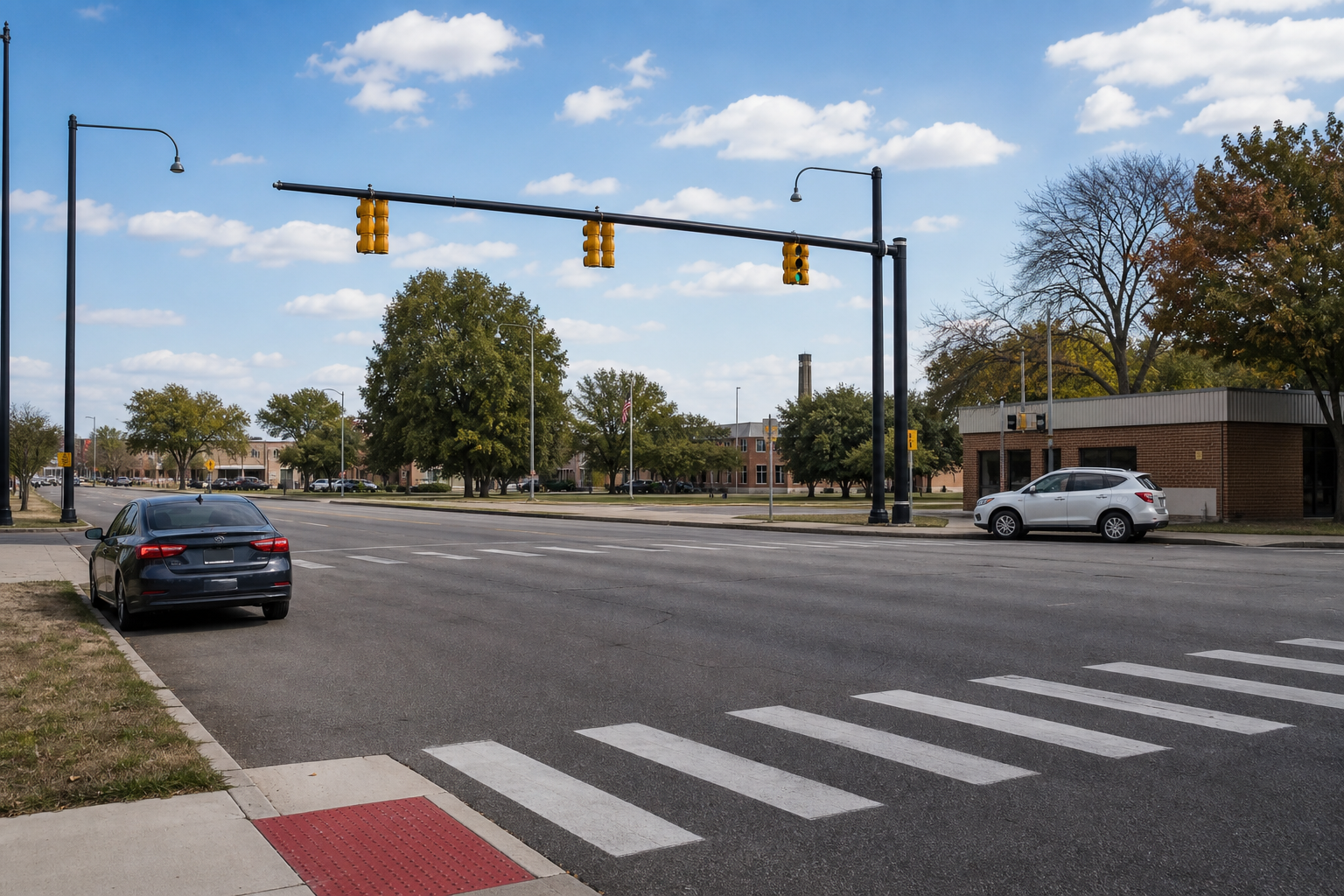
Intersection crashes often turn on small details. Who had the green light? Did someone roll through a stop sign? Was a left-turn driver required to yield? Did a driver speed up to beat a yellow light? Was there a blocked view?
Witnesses near an intersection may be able to describe:
- Signal color.
- Turn arrows.
- Vehicle lanes.
- Speed and stopping behavior.
- Pedestrian signals.
- Whether other traffic stopped or continued.
- Whether a driver appeared distracted.
Witness statements and Indiana comparative fault
Witness statements can matter even when the other driver is mostly at fault. Indiana’s comparative fault law can reduce or bar recovery depending on the percentage of fault assigned in covered cases.[3] If an insurer argues you were speeding, distracted, failed to keep a lookout, or could have avoided the crash, a witness may help push back.
For example, a witness may confirm that you had the green light, were traveling with traffic, were already established in your lane, or had no reasonable opportunity to avoid the collision. Those details can affect settlement value and litigation strategy. You can use our Indiana car accident settlement calculator to organize the factors that may affect a claim’s value; it is an educational tool, not a promise of any result.
For more on this issue, read Indiana’s 51% Fault Rule: What It Means for Your Car Accident Claim.
Written, recorded, and later witness statements
A witness statement may be written, recorded, summarized in an investigator’s notes, included in a crash report, or later given under oath in litigation. Each format has pros and cons.
- Quick notes help preserve the basics before memories fade.
- Written statements can document details in the witness’s own words.
- Recorded statements may capture tone, uncertainty, and exact phrasing.
- Sworn testimony may be needed if the case is litigated.
A witness should not be coached to say something they do not remember. The goal is accuracy, not pressure.
What if witnesses disagree?
Witnesses can disagree for honest reasons. They may have seen the crash from different angles, noticed different details, arrived after impact, or misremembered timing. A disagreement does not automatically ruin a case.
When statements conflict, the investigation may compare them against:
- Vehicle damage patterns.
- Scene photos and videos.
- Traffic signal timing.
- Roadway marks and debris.
- 911 calls and bodycam footage.
- Dashcam or business surveillance video.
- Medical records and injury timing.
The strongest case often combines witness testimony with physical evidence.
Mistakes to avoid with accident witnesses
- Do not assume the police obtained every witness’s information.
- Do not wait weeks to look for witnesses.
- Do not pressure a witness or put words in their mouth.
- Do not rely only on a witness’s first name or vague vehicle description.
- Do not post online asking witnesses to confirm your version of events.
- Do not ignore witnesses who saw the moments before or after the crash.
Fort Wayne and Allen County practical note
In Fort Wayne crashes, witnesses may include nearby drivers, pedestrians, store employees, homeowners, road-construction workers, delivery drivers, or people waiting at intersections. Crashes on I-69, I-469, Coliseum Boulevard, Lima Road, Coldwater Road, Illinois Road, Jefferson Boulevard, and downtown intersections may have different witness and video sources.
If the crash happened near a business, gas station, school, church, apartment complex, or construction site, witness and video preservation should happen quickly.
What should you do if a witness saw your accident?
- Get the witness’s name and contact information if safe.
- Ask where they were located when the crash happened.
- Tell the responding officer there is a witness.
- Save any texts, voicemails, or written notes from the witness.
- Write down what the witness said while your memory is fresh.
- Contact an attorney if fault, injuries, or insurance coverage are disputed.
Talk to a Fort Wayne accident lawyer
Witness statements can make a major difference, but they need to be handled carefully. If an insurance company is disputing fault or blaming you, Delventhal Law Office can help investigate, preserve witness evidence, and explain your options.
Call (260) 484-6655 or contact us online for a free consultation. There is no fee unless we recover for you.
Frequently asked questions
Are witness statements important after a car accident?
Yes. Witness statements can help prove who had the right of way, whether a driver was speeding or distracted, what happened at impact, and whether someone appeared injured at the scene.
What if the witness did not see the actual impact?
A witness who saw only the moments before or after impact may still be helpful. They may know vehicle positions, driver statements, traffic conditions, or signs of injury.
Can a passenger be a witness?
Yes, but an insurance company may argue a passenger is not fully independent. Passenger statements can still matter, especially when supported by physical evidence or other witnesses.
What if the crash report does not list a witness?
The witness may still be useful. Crash reports can be incomplete, and witnesses sometimes leave before police gather their information.
Should I contact witnesses myself?
You can preserve basic contact information, but if injuries or fault are disputed, it is often better to have an attorney or investigator handle detailed witness follow-up carefully and accurately.
Sources and authority
- Indiana Rule of Evidence 602, Need for Personal Knowledge, Indiana Courts, https://rules.incourts.gov/Content/evidence/rule602/current.htm[1].
- Indiana Vehicle Crash Reports, Indiana State Police, https://www.in.gov/isp/crash-reports/[2].
- Indiana Comparative Fault Act, Indiana Code chapter 34-51-2, Indiana General Assembly, https://iga.in.gov/laws/2024/ic/titles/34#34-51-2[3].
This article is general information for Indiana readers, not legal advice for a specific case. Reading it does not create an attorney-client relationship, and neither does contacting us. If you do contact us about a possible claim, Indiana Rule of Professional Conduct 1.18 requires us to keep what you tell us confidential whether or not we take the case — but please do not send documents or detailed facts until we have agreed in writing to represent you.