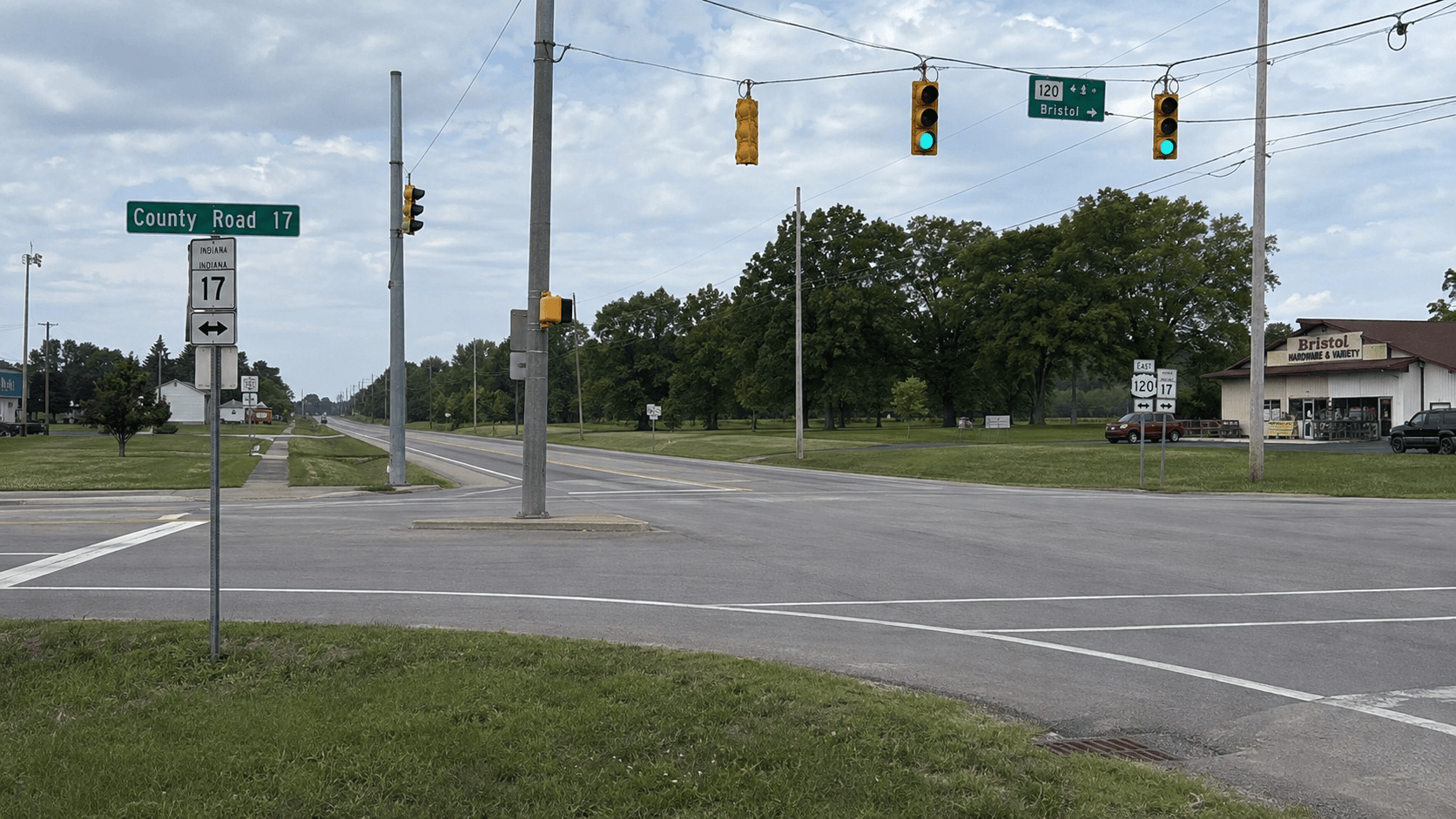
What happened
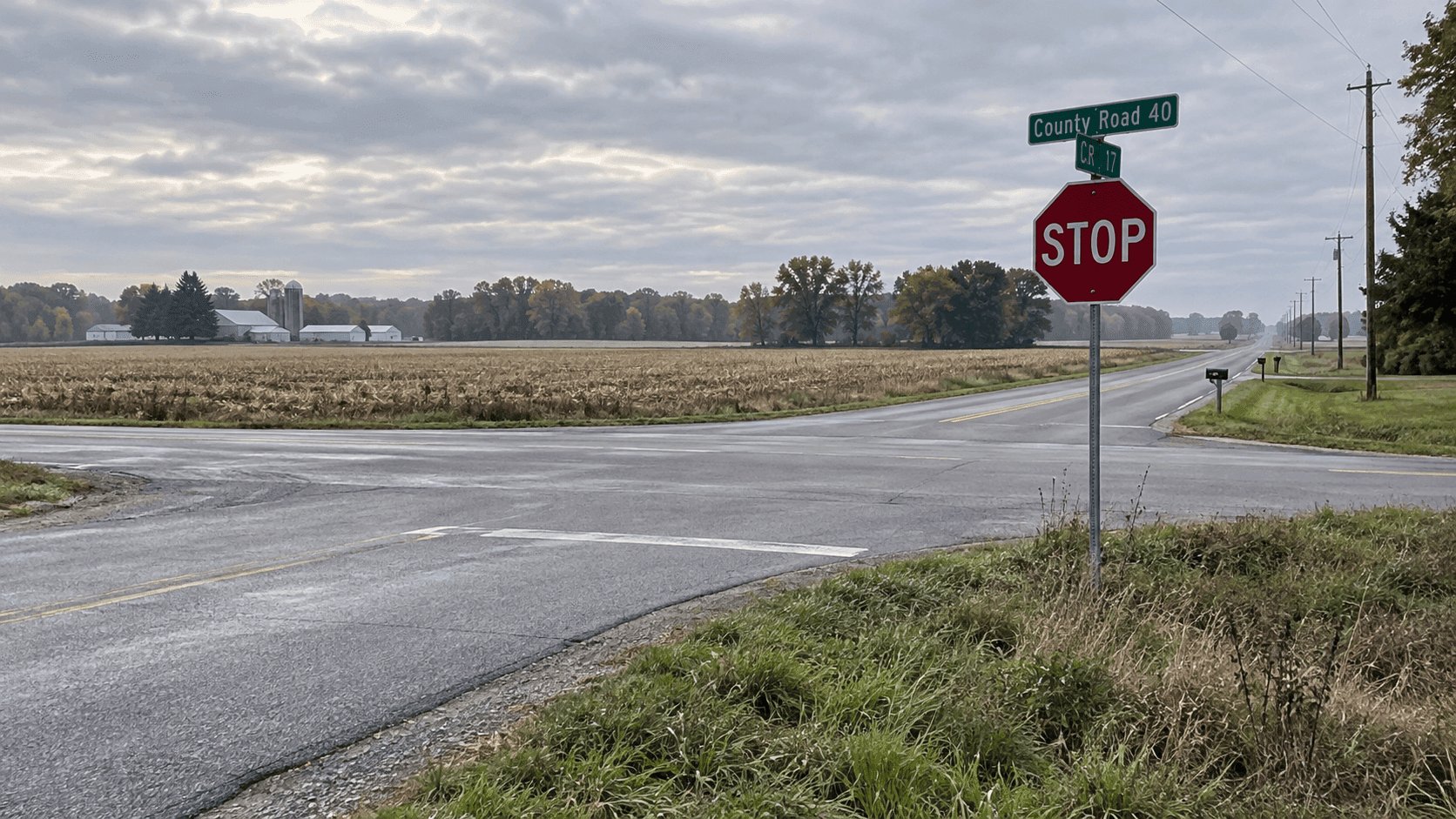
Two people were injured when a vehicle struck their stopped car at the signalized intersection of County Road 17 and Indiana 120 in Bristol at 11:55 a.m. on Monday, August 31, 2026, according to The Goshen News[1].
The report states that a 2011 Jeep Wrangler traveling north on County Road 17 passed through the intersection and crossed into a stationary 2021 Ford Edge. The Ford was driven by Ricky Jackowich, 70, of Granger. Jackowich and a passenger were injured and transported to Elkhart General Hospital.
Elkhart County Sheriff's Office deputies arrested the Jeep driver on a preliminary charge of operating a vehicle while intoxicated. A prosecutor's charging decision was pending. The allegation has not been proven, and the driver is presumed innocent unless and until a court determines otherwise. The source reports the driver's age inconsistently, so it is not stated here.
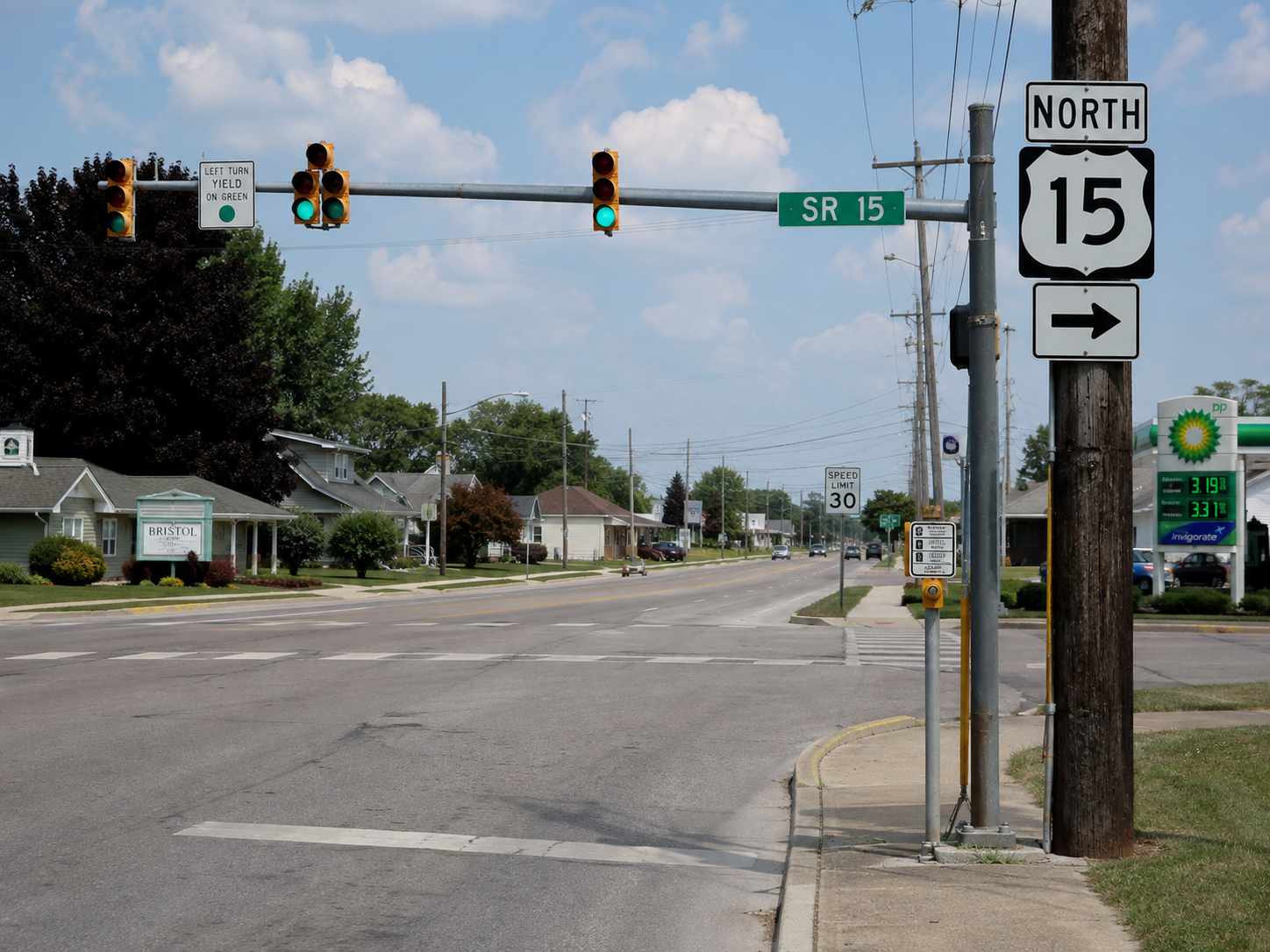
What accident victims should do next
If you are hurt in a crash, get an appropriate medical evaluation and return for care if your condition changes. Tell each provider accurately how the collision happened. Each injured occupant has a separate claim, so passengers should keep their own medical, insurance, and expense records.
Ask the Elkhart County Sheriff's Office for the crash report and case number. The investigating agency's report can usually be obtained after the investigation, but a police report does not determine civil liability. This guide to obtaining an Indiana crash report explains the usual records process.
When alcohol use is alleged, evidence about where alcohol came from may matter. Under Indiana's dram shop law, IC 7.1-5-10-15.5, a person or business that furnished alcohol may be liable only when it had actual knowledge that the person served was visibly intoxicated and the intoxication was a proximate cause of the injury. Receipts, card records, video, and witness recollections can disappear, so timely preservation requests matter. You can read more about claims involving suspected impaired drivers.
Why location matters in an Indiana injury claim
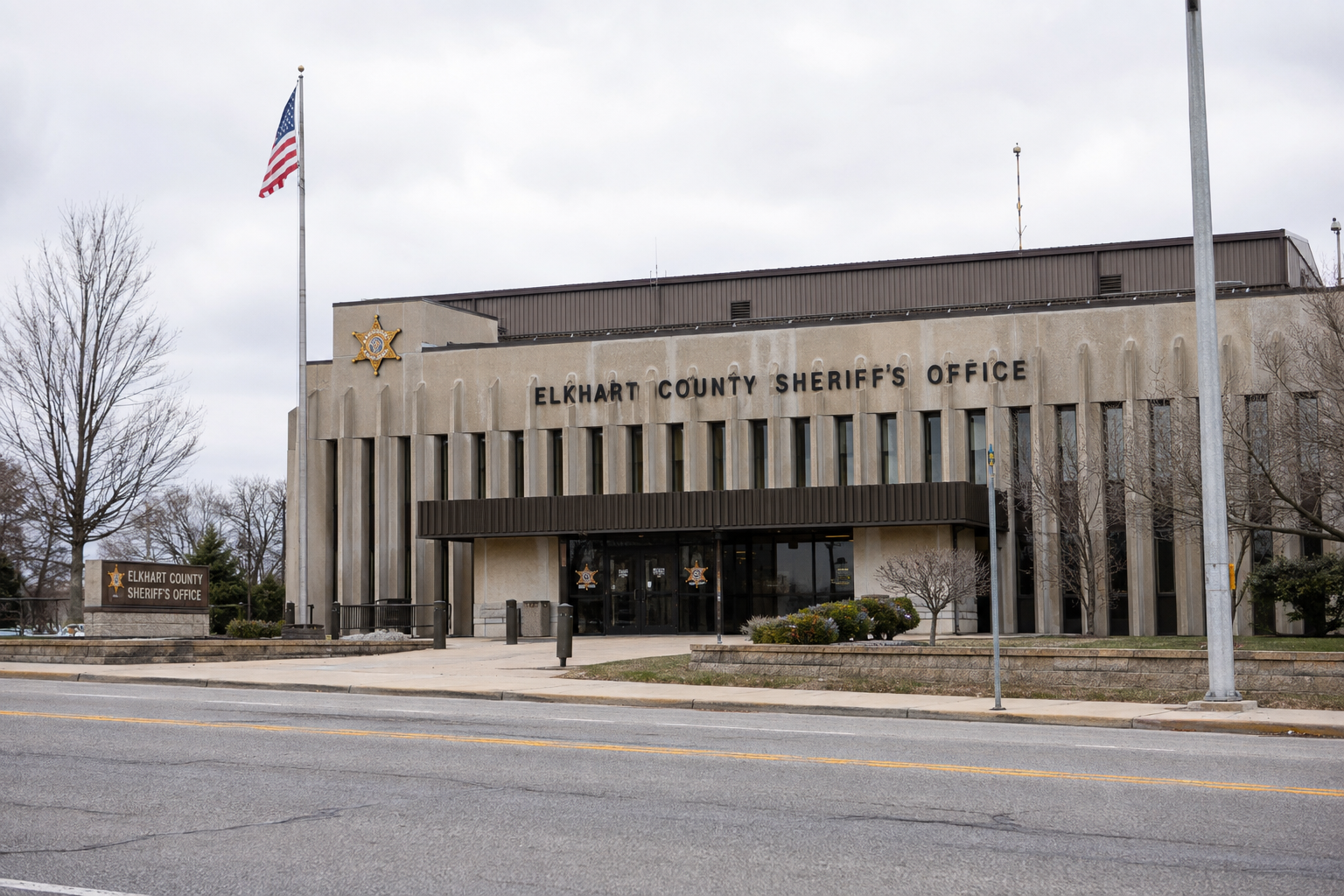
The crash occurred at County Road 17 and Indiana 120 in Bristol, Elkhart County. The Elkhart County Sheriff's Office investigated and made the arrest. Any criminal case and civil claim remain separate proceedings.
Indiana uses modified comparative fault under IC 34-51-2-6[2]. An injured person's recovery is reduced by that person's percentage of fault and is barred if that share is greater than 50 percent. Fault can still be hotly contested, and an insurer's position is not the final legal decision. This guide explains Indiana's comparative-fault rule.
Most Indiana personal injury claims must be filed within two years of the injury under IC 34-11-2-4[3]. If a city, county, town, or other political subdivision may be responsible, written notice is generally required within 180 days under IC 34-13-3-8[4]. A claim against the State generally requires notice within 270 days under IC 34-13-3-6[5]. Nothing published about this crash suggests that a roadway condition contributed.
Indiana's minimum auto liability limits are $25,000 per person and $50,000 per accident for bodily injury, plus $25,000 for property damage, under IC 9-25-4-5[6]. When more than one person is injured, available coverage can become disputed. Indiana insurers must offer uninsured and underinsured motorist coverage under IC 27-7-5-2[7], although whether it applies depends on the policy and facts.
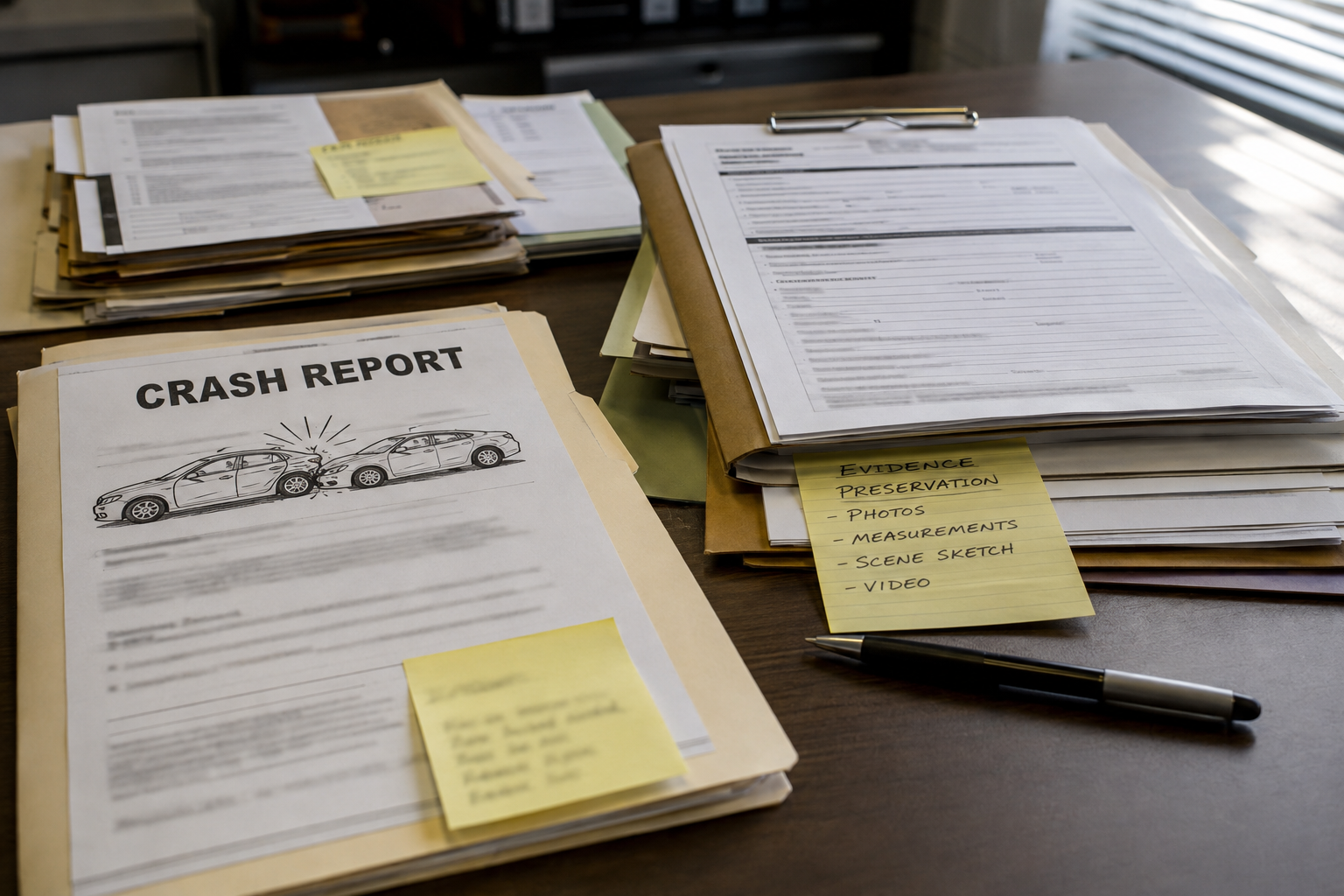
How Delventhal Law Office can help
Delventhal Law Office, LLC is a Fort Wayne personal injury firm founded by attorney Chad E. Delventhal in 2009. The firm can obtain available reports and charging records, send evidence-preservation requests, examine possible dram shop issues, evaluate each injured occupant's claim separately, and review the available liability and underinsured motorist coverage. You can request a free case evaluation or learn what a Fort Wayne car accident attorney may examine after a collision.
This post is based on public reporting, the investigation may be ongoing, and nothing here is legal advice or creates an attorney-client relationship.