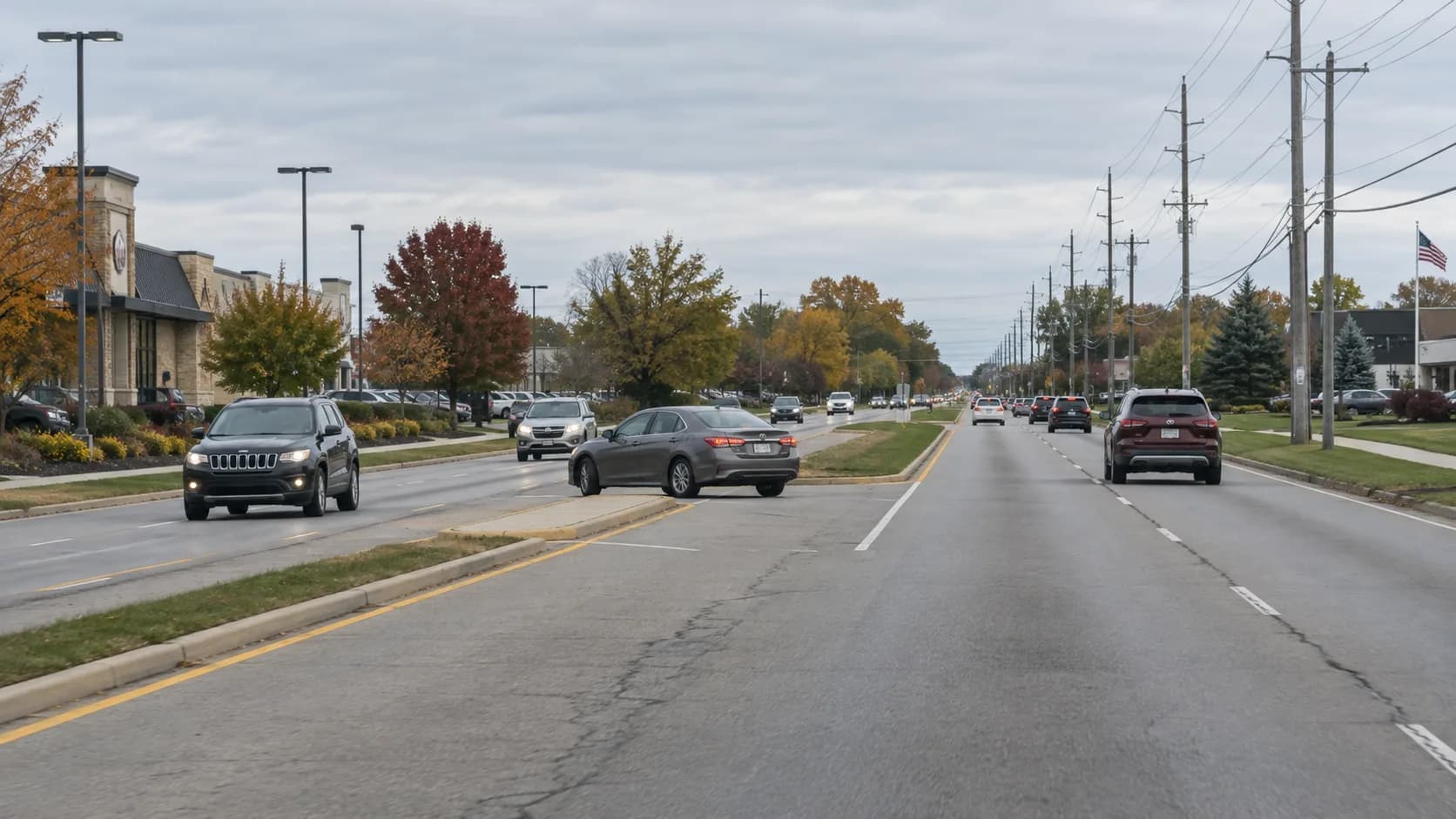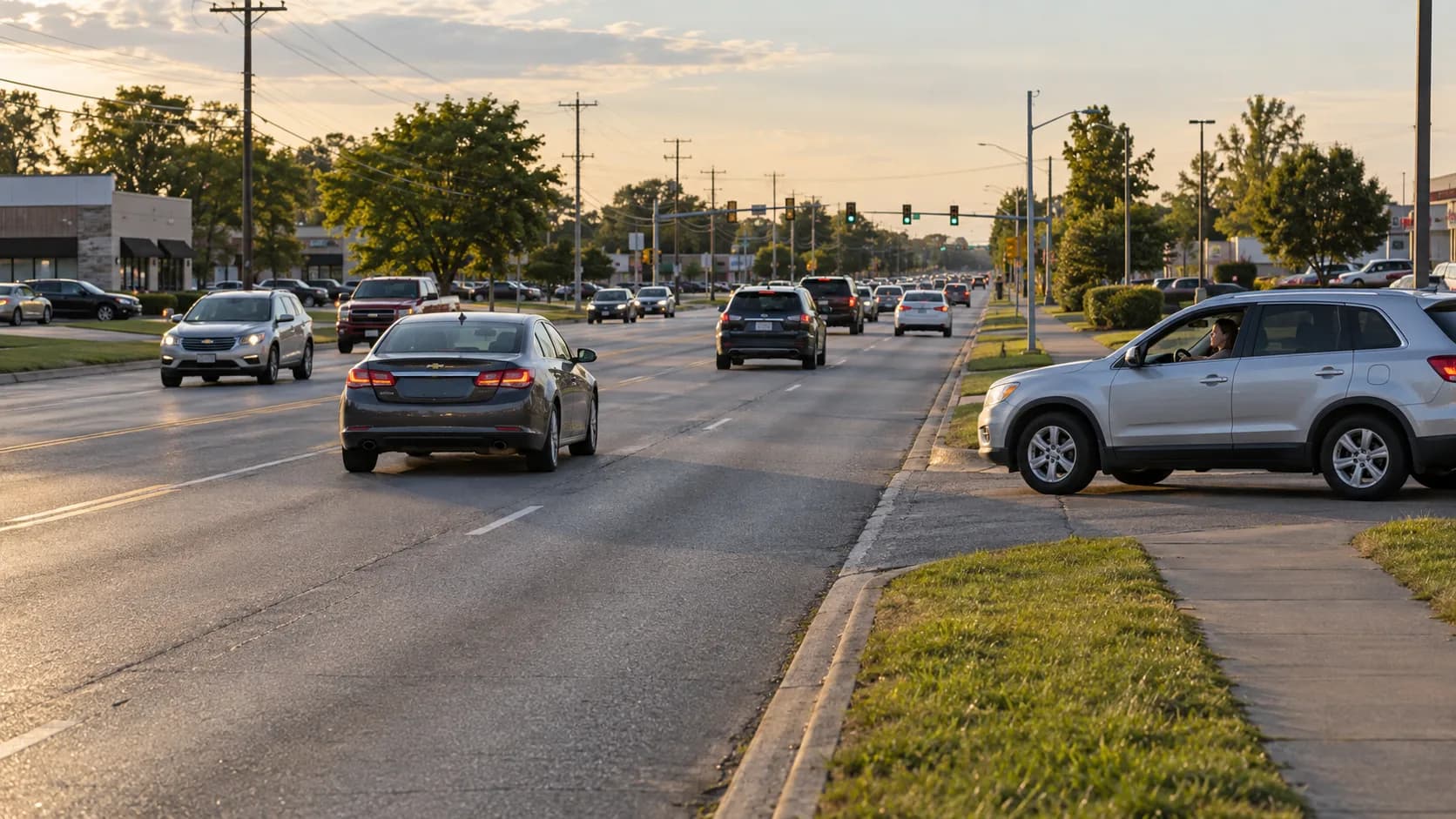
The other driver's insurance company often calls within a day or two of a Fort Wayne or Allen County crash. The adjuster usually sounds friendly and helpful. What many injured people do not realize is that this adjuster works for the company that may have to pay your claim — and their questions are designed to gather information that helps the insurer, not you.
This guide explains what you can safely share, what to hold back, how a recorded statement can be used against you later, and when to talk with your own lawyer first.
Key takeaways
- You can share basic claim information (names, contact info, date, place, vehicles, insurance details) without harming your case.
- You are generally not legally required to give the other driver's insurer a recorded statement or a detailed account of your injuries.
- Recorded statements and casual remarks can be used later to dispute fault, minimize injuries, or argue you were partly to blame under Indiana's comparative fault rule.
- Indiana law does require you to exchange information and report certain crashes — that is different from talking to an adjuster.
- You have a two-year deadline to file most Indiana injury lawsuits, so there is usually no reason to rush a statement or a settlement.
- A short call with a lawyer before you give a detailed statement can protect both your health and your claim.
Who is actually calling you?
After a crash there are usually two different insurance companies in the picture, and it helps to keep them straight:
- Your own insurer. Your policy almost always contains a "duty to cooperate" clause, which can require you to report the crash and provide reasonable information. Cooperating with your own company is generally part of your contract.
- The other driver's insurer. This is the "third-party" adjuster. You have no contract with this company, and it has no duty to look out for you. Its job is to resolve the claim for as little as the company reasonably can.
Understanding this difference matters. Being polite and factual with the other side is fine. Treating their adjuster like a neutral party who is on your side is a mistake. If you want a deeper look at how third-party adjusters approach these calls, see our guide on what to do when an adjuster wants a recorded statement or medical release.

What you can safely share vs. what to hold back
You do not have to refuse all contact. In most cases you can confirm the basic facts an insurer needs to open a claim while declining to give a detailed, recorded account. Here is a practical breakdown:
| Usually safe to share | Better to hold back (until you've had advice) |
|---|---|
| Your name and contact information | A recorded or written statement about how the crash happened |
| The date, time, and location of the crash | Your opinion on who was at fault or "what you could have done differently" |
| The vehicles involved and their drivers | A detailed description or list of your injuries |
| Your insurance company and policy number | Guesses about speed, distances, or timing you are not sure about |
| That you are represented (if you've hired a lawyer) | Agreement to a broad medical-records release |
| The crash report number, if available | Acceptance of any settlement offer or "quick check" |
A simple, honest response works well: "I'm happy to confirm the basic facts, but I'm still getting medical care and I'm not going to give a recorded statement or discuss fault or injuries right now." That is polite, truthful, and protects you.
Why recorded statements are risky
A recorded statement feels like a routine formality, but it is really an interview. The adjuster is trained to ask questions in a specific order, and your answers become a permanent record that can be replayed later.
Common problems we see:
- Downplaying injuries. People instinctively say "I'm okay" or "I'm fine" out of politeness or shock. According to the Mayo Clinic Health System[1], whiplash and similar soft-tissue symptoms may not appear until a day or more after the injury — so an early "I feel fine" can be used to argue you weren't really hurt.
- Locking in an uncertain account. Estimating speed or distance under pressure can create inconsistencies later, which the insurer may use to attack your credibility.
- Admissions of partial fault. An offhand "I didn't see them" can be treated as evidence you share blame — which matters a great deal under Indiana law (more below).
For a closer look at the specific risks and sample scripts, read whether you should give a recorded statement after an Indiana car accident.

How your words can affect fault in Indiana
Indiana follows a modified comparative fault system. Under the Indiana Comparative Fault Act, a claimant's recovery is reduced by their share of fault, and a claimant whose fault is greater than 50% is barred from recovering damages at all. This "51% bar" is set out in Indiana Code § 34-51-2[2]. You can use our Indiana car accident settlement calculator to organize the factors that may affect a claim’s value; it is an educational tool, not a promise of any result.
That is exactly why adjusters ask questions aimed at fault. If they can pin even part of the blame on you, they can lawfully reduce what they pay — and if they can push your share above 50%, they may owe nothing. A single careless sentence in a recorded statement can move that number. To understand how this works in more detail, see our explainer on Indiana's 51% fault rule.
What Indiana law actually requires of you
It's worth separating two very different things: your legal duties after a crash, and an insurer's request for a statement.
Indiana does require drivers involved in a crash to stop, exchange identifying and insurance information, and — for crashes involving injury, death, or significant property damage — to report the collision, under Indiana Code § 9-26-1[3]. Fort Wayne and Allen County crashes that meet the threshold are typically documented on an Indiana crash report.
Indiana does not require you to give the other driver's insurance company a recorded statement, a detailed injury history, or a signed medical-records release. Those requests come from the insurer's claims process, not from a statute. You can decline them — especially before you understand your injuries and your options.

What to do if the adjuster calls
- Stay calm and brief. You can be courteous without volunteering details.
- Confirm only the basics. Use the "safe to share" column above.
- Decline the recorded statement for now. Say you'll follow up in writing or after you've spoken with a lawyer.
- Do not discuss fault or injuries. "I'm still treating and can't speak to that yet" is a complete answer.
- Write down what happened. Note the adjuster's name, company, claim number, and what was asked.
- Don't accept a quick offer. Early offers often come before anyone knows the full cost of your injuries. Our guide on accepting the first settlement offer explains why.
- Get advice before the detailed statement. A short conversation with a lawyer is usually free and can prevent avoidable mistakes.
If your own claim is being denied, delayed, or handled unfairly, you can also file a complaint with the Indiana Department of Insurance[4], which handles consumer complaints against insurers.
Deadlines: there's usually no reason to rush
Adjusters sometimes create a sense of urgency, but Indiana generally gives you two years from the date of injury to file a personal injury lawsuit, under Indiana Code § 34-11-2-4[5]. Shorter deadlines can apply in some situations, such as claims against a government entity, so the two-year rule is not universal. Still, it usually means you have time to finish treatment, understand your injuries, and get advice before giving a detailed statement or settling. If you'd like a fuller picture of how bills and coverage fit together, see who pays medical bills after a car accident in Indiana. If a government body or employee may be involved, review our Indiana government tort claim notice guide, because notice deadlines can be much shorter than the ordinary injury filing period.

Frequently asked questions
Am I legally required to talk to the other driver's insurance company?
No Indiana statute requires you to give the other driver's insurer a recorded statement or a detailed account. You do have legal duties at the scene — exchanging information and reporting a qualifying crash under Indiana Code § 9-26-1[6] — but that is separate from an adjuster's request for a statement.
Do I have to cooperate with my own insurance company?
Usually yes. Most auto policies contain a "duty to cooperate" clause that can require you to report the crash and provide reasonable information to your own insurer. Cooperating with your own company is different from giving a statement to the other side.
Can a recorded statement really hurt my claim?
Yes. Statements are permanent records that insurers can use to argue you weren't seriously hurt, to highlight inconsistencies, or to assign you part of the fault. Because Indiana bars recovery when a claimant is more than 50% at fault, even small admissions can carry weight.
I told the officer or adjuster I felt fine. Did I ruin my claim?
Not necessarily. Many injuries, including whiplash and concussions, appear hours or days later. What matters is getting prompt medical care and being accurate going forward. An early "I'm okay" is a hurdle, not always a bar — but it is one reason not to describe injuries before you know their extent.
When should I talk to a lawyer?
Before you give any detailed or recorded statement, before you sign a medical-records release, and before you accept any offer. Most Indiana injury consultations are free, so getting advice early costs nothing and can prevent costly mistakes.
Talk with someone before you give a statement
You do not have to figure out the insurance process alone. If the other driver's insurance company has called and you're not sure what to say, Delventhal Law Office can review what happened, explain the deadlines that may apply, and help you decide the next step. A free consultation can help you understand your options before you give a detailed statement or accept an offer.
This article is general information about Indiana law and is not legal advice. Reading it does not create an attorney-client relationship, and neither does contacting us. If you do contact us about a possible claim, Indiana Rule of Professional Conduct 1.18 requires us to keep what you tell us confidential whether or not we take the case — but please do not send documents or detailed facts until we have agreed in writing to represent you. For advice about your specific situation, speak with a qualified attorney.