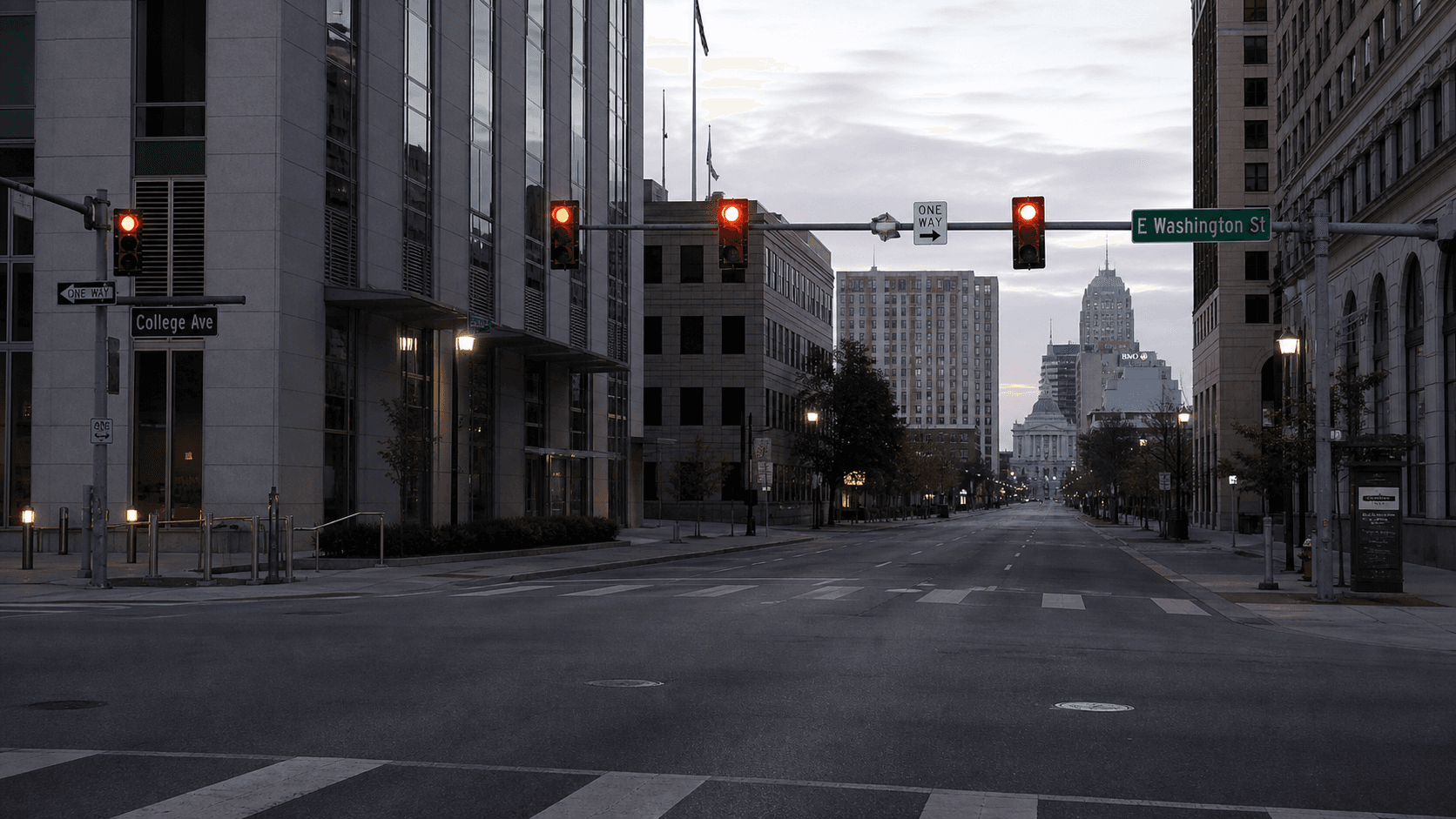
Early on Saturday, August 15, 2026, a driver traveling the wrong way on College Avenue in downtown Indianapolis reportedly ran a red light and struck a marked police patrol car at East Washington Street. Three parties were hurt. The other driver's reported blood alcohol concentration, above 0.15%, may matter in both the criminal investigation and any separate civil injury claim.
What happened
According to WISH-TV Crime Watch 8[1] and WRTV[2], a Cumberland officer was driving east on East Washington Street in the early hours of August 15 after dropping off evidence from an earlier arrest.
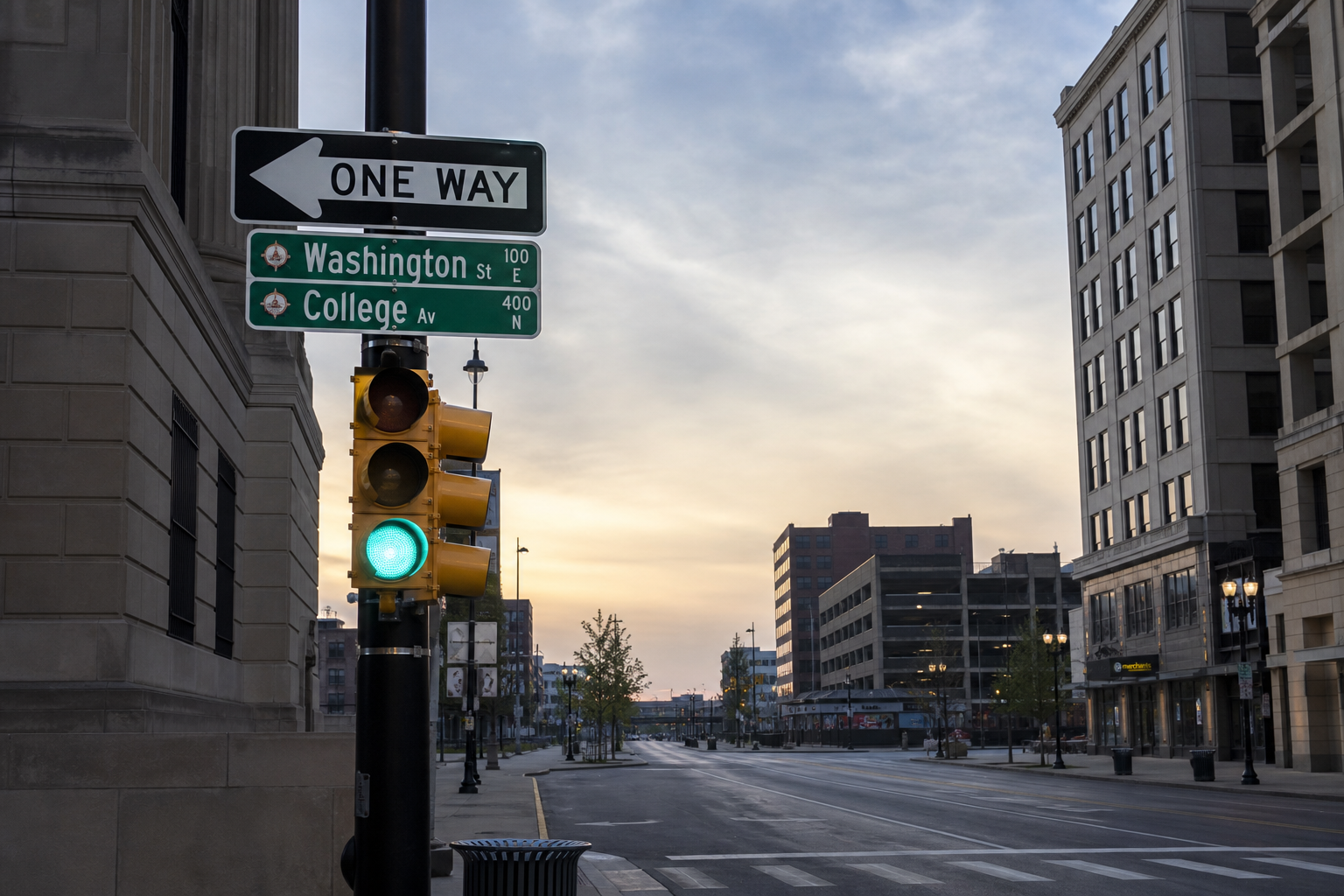
A vehicle traveling the wrong way on College Avenue, a one-way street at that location, reportedly ran a red light and struck the rear driver's side of the marked patrol car. The impact deployed the patrol car's airbags.
The officer, the officer's police K9, and the other driver sustained minor injuries. Indianapolis EMS treated and released the officer at the scene, and the dog was taken to a local emergency veterinary clinic for evaluation. Under department policy, the officer submitted to a breath test and registered 0.00.
IMPD investigated and determined that the other driver may have been drinking. Officers arrested him on a preliminary allegation of operating while intoxicated with a BAC above 0.15%. The Marion County Prosecutor's Office will decide whether formal charges are filed. No party has been publicly named, and the arrested person is presumed innocent unless proven guilty.
What accident victims should do next
You do not need to wait for a criminal case to finish before protecting a civil injury claim. The proceedings are separate, and important evidence can disappear while the criminal matter remains pending. Vehicles may be repaired, surveillance video may be overwritten, and witnesses' memories may fade. The firm's guide to preserving crash evidence in the first 72 hours explains why early action matters.
You should also seek medical evaluation if symptoms appear or worsen, even when an injury was initially described as minor. Neck pain, back pain, shoulder symptoms, and concussion symptoms may become clearer over time. Delayed care does not automatically end a claim, but insurers may use a treatment gap to dispute whether the crash caused your injuries.
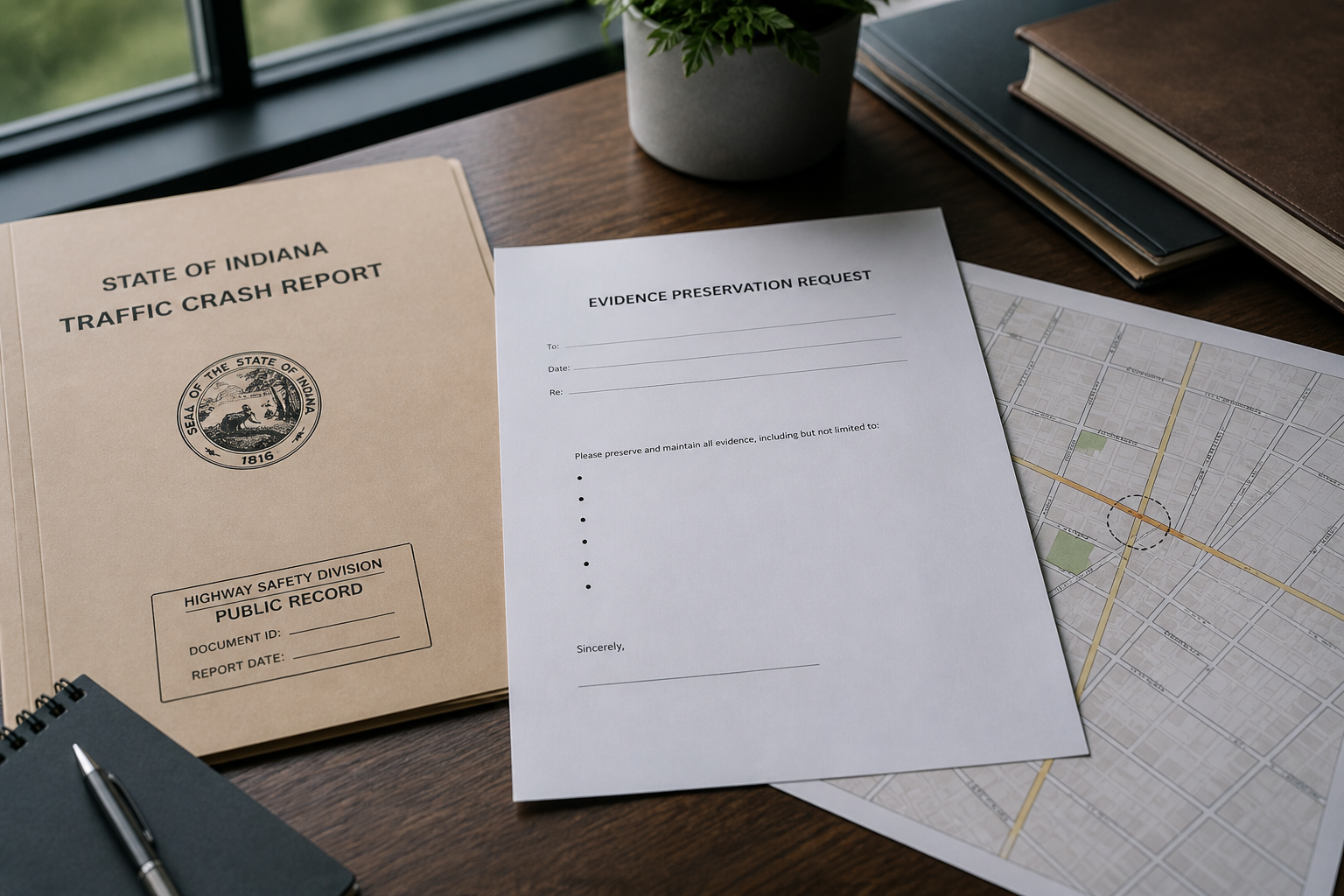
Downtown intersections may be recorded by traffic cameras, nearby businesses, parking facilities, dashcams, and police equipment. Written preservation requests can help protect footage before routine systems overwrite it. Photos, witness information, medical records, and electronic video are among the forms of evidence that may support an Indiana car accident claim.
You should identify the number of potential claimants and every available insurance policy. Strong evidence of carelessness or recklessness does not create additional coverage. If one policy must address several injuries and substantial property damage, its limits may be exhausted. Your own uninsured or underinsured motorist coverage, medical payments coverage, or umbrella coverage may matter. Before resolving a liability claim, review the notice and consent terms that may affect an underinsured motorist claim.
If you were working when the crash occurred, a workers' compensation claim and a third-party injury claim may overlap. The employer or its insurance carrier may assert a reimbursement interest in a recovery, so early coordination can prevent problems later.
The source reports do not identify where, or whether, the other driver obtained alcohol. Indiana dram shop claims require proof about the provider's actual knowledge of visible intoxication when alcohol was furnished, along with causation. A reported BAC above 0.15% may make prompt investigation reasonable, but it does not establish that an alcohol provider is responsible.
Why location matters in an Indiana injury claim
East Washington Street and College Avenue is a signalized downtown Indianapolis intersection, and College Avenue is one-way at that location. Signs, pavement markings, signal information, and nearby video may help establish the direction of travel and the traffic indication. Evidence should be preserved before electronic records or video become unavailable.
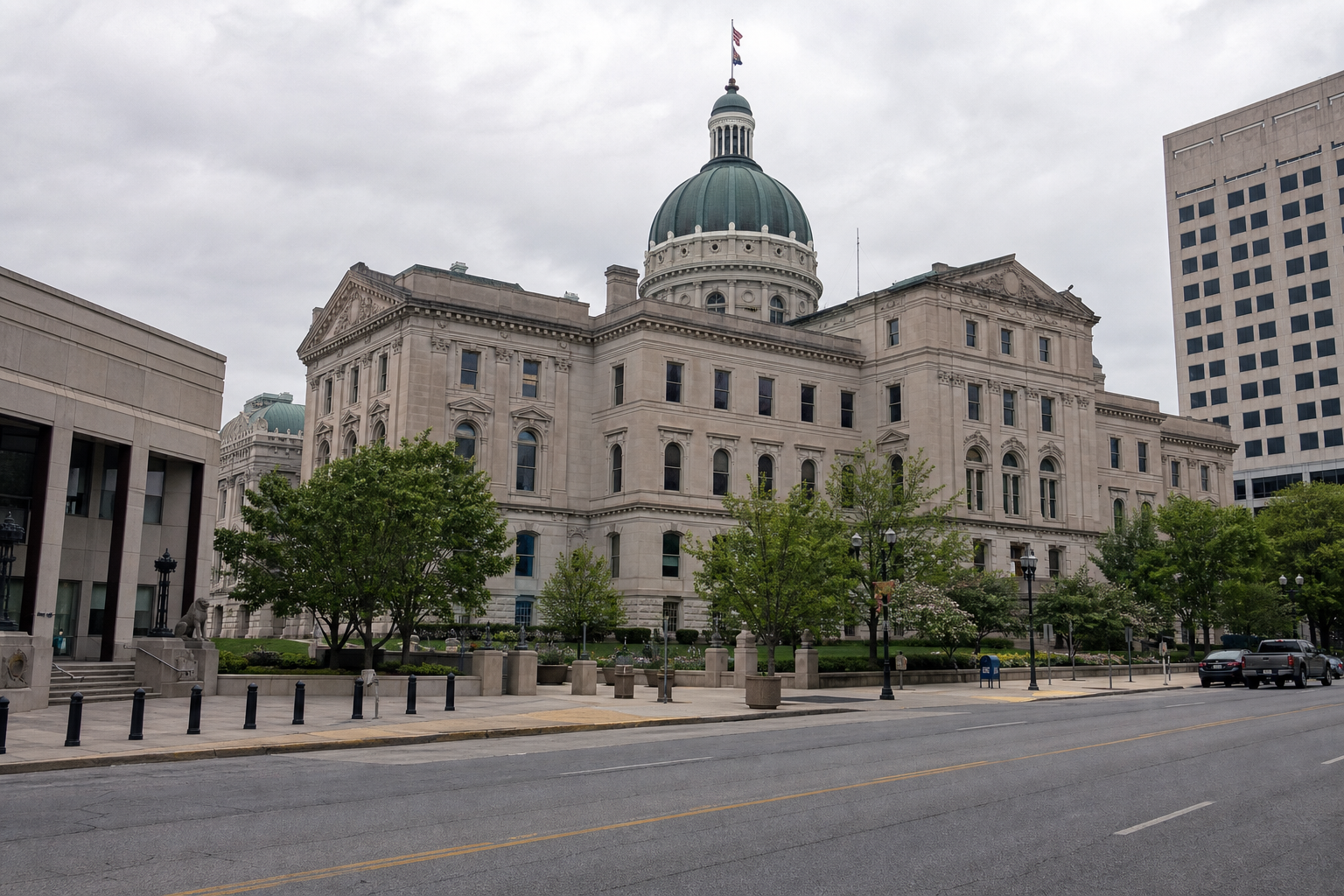
The crash occurred in Indianapolis, Marion County, even though the officer's department is based in Cumberland. IMPD investigated, and the Marion County Prosecutor's Office will make the criminal charging decision. A civil claim remains separate from that decision.
Indiana uses modified comparative fault in claims between private parties. An injured person's recovery may be reduced by that person's share of fault and barred if the person's share exceeds 50%. A police report and an insurer's initial fault decision do not necessarily resolve the issue; physical evidence, video, witnesses, and other records may also matter. You can read more about Indiana's 51% fault rule.
A BAC at or above 0.15% can carry added criminal significance. In a civil case, evidence of substantial intoxication may also be relevant to a punitive-damages analysis, but punitive damages are not automatic. They require clear and convincing proof of the required conduct, are subject to statutory restrictions, and may be excluded from auto liability coverage. The practical value of any claim still depends on the evidence, injuries, insurance, and available assets.
Indiana personal injury and dram shop claims generally have filing deadlines, but waiting for the deadline is risky. Evidence preservation, insurance notice requirements, and competing claims to limited coverage may require much earlier action.
How Delventhal Law Office can help
If you were hurt by an impaired driver, Delventhal Law Office can investigate the civil claim without waiting for the criminal case to end. The firm can work to preserve intersection and business video, identify liability and first-party coverage, review UM/UIM notice and consent requirements, investigate whether the facts support a dram shop claim, and coordinate any workers' compensation or reimbursement issues.
Insurance companies may aggressively defend fault, causation, and the value of injuries even when the reported driving conduct appears serious. A Fort Wayne drunk driving accident attorney can review the evidence and coverage issues, or you can request a free case evaluation to discuss your situation under Indiana law.
This post is based on public reporting, the investigation may be ongoing, and nothing here is legal advice or creates an attorney-client relationship.