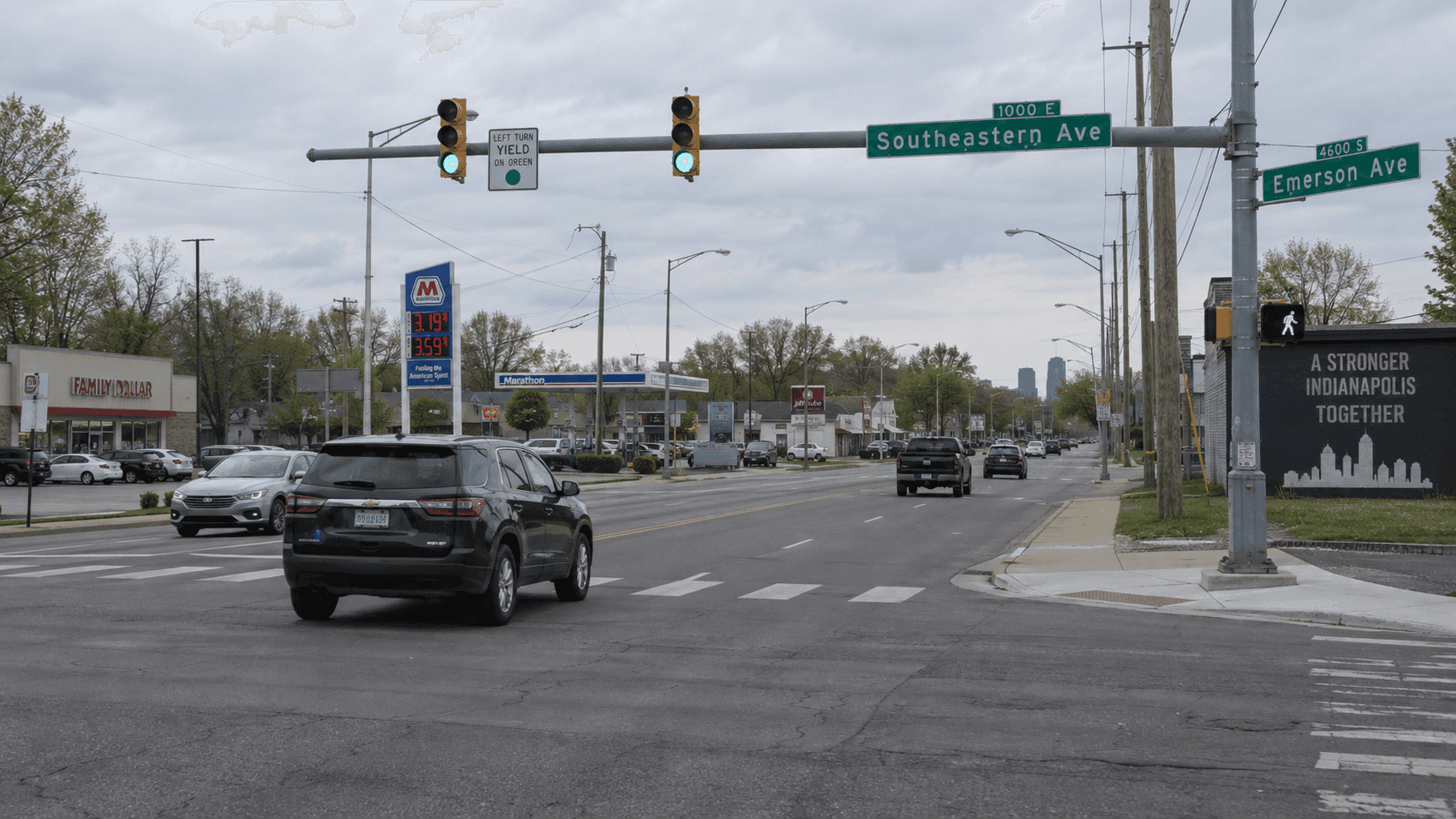
What WIBC reported about the pursuit and crash
WIBC reported[1] that internal records identify Nathan M. Miller, 22, as the Southport Police Department officer who drove the primary pursuit vehicle during the September 26 chase. The pursuit ended at Southeastern Avenue and Emerson Avenue in Indianapolis, Marion County, when a maroon Dodge Challenger being pursued by police collided head-on with a pickup truck.
The crash happened at about 1:40 p.m. on Saturday, September 26, 2026. WIBC reported that Lori Lawrence, 58, died shortly afterward and that her husband, Sonny Lawrence, died about two days later. The outlet also reported that Indianapolis Metropolitan Police Department supervisors ordered officers to disengage as speeds neared 100 mph, but Southport police continued the pursuit outside their jurisdiction.

What the training records showed
According to the records reviewed by WIBC, the officer had no track-based emergency vehicle driving course on record, completed six hours of classroom refresher training over three years, and did not attend a Tier 1 basic law enforcement academy. WIBC reported that the Southport Police Department declined to comment.
Indiana State Police are leading the investigation. WIBC did not report any charges arising from the crash, and no agency has released a fault determination. The reported training record does not, by itself, establish that an officer or agency is legally responsible.

What families can do after a police pursuit crash
If your family is affected by a pursuit crash, write down what you know while it is fresh, including the time, location, and names of witnesses. Keep medical records, bills, funeral expenses, and documents from police or the coroner's office together. The firm's guide to evidence after an Indiana crash explains why careful records matter.
Send written preservation requests for radio traffic, dispatch logs, in-car video, body-camera video, and pursuit policies because those records may be kept for a limited time. You can also review information about injuries during an Indiana police pursuit. Before giving an insurer a recorded statement, understand what is being requested and how it may be used.
Why Marion County and government involvement matter
This crash happened in Indianapolis, in Marion County. A civil case arising from it would ordinarily be filed in Marion County or where a defendant is located.
Because a city police department was involved in the pursuit, the Indiana Tort Claims Act may apply. A claim against a political subdivision, such as a city, generally requires written notice within 180 days of the loss under Ind. Code 34-13-3-8. A claim against the state or a state agency generally requires notice within 270 days under Ind. Code 34-13-3-6. These notice periods are much shorter than the deadline for filing a lawsuit. More information is available in the firm's guide to Indiana government tort claim notices.
Indiana's wrongful death statutes, including Ind. Code 34-23-1-1 and Ind. Code 34-23-1-2, govern claims after a death. Indiana's general two-year limitations period appears in Ind. Code 34-11-2-4. Under Indiana's modified comparative fault rule, Ind. Code 34-51-2-6, recovery is reduced by a person's share of fault and barred if that share is more than 50 percent. Uninsured and underinsured motorist coverage under Ind. Code 27-7-5-2 can matter when a pursued driver carries little or no insurance.

How Delventhal Law Office can help
Delventhal Law Office, LLC is a Fort Wayne personal injury law firm founded by attorney Chad E. Delventhal in 2009. The firm helps Indiana families understand wrongful death claims, disputed responsibility, insurance issues, and short Tort Claims Act notice deadlines. Insurance companies and government defendants may aggressively defend these claims, so early preservation of records can matter.
If you need advice about your family's options, you can learn more about a Fort Wayne wrongful death attorney or request a free case evaluation. No outcome can be promised in any case.
This post is based on public reporting, the investigation may be ongoing, and nothing here is legal advice or creates an attorney-client relationship.