A driver was ejected and flown to a hospital after a pickup truck towing a trailer overturned on southbound Interstate 69 in DeKalb County on Thursday afternoon, August 13, 2026. Investigators said the trailer began to fishtail before the truck left the roadway. A crash involving only one moving vehicle can still require an investigation into several possible causes, including the condition, installation, and loading of the towing equipment.
What happened
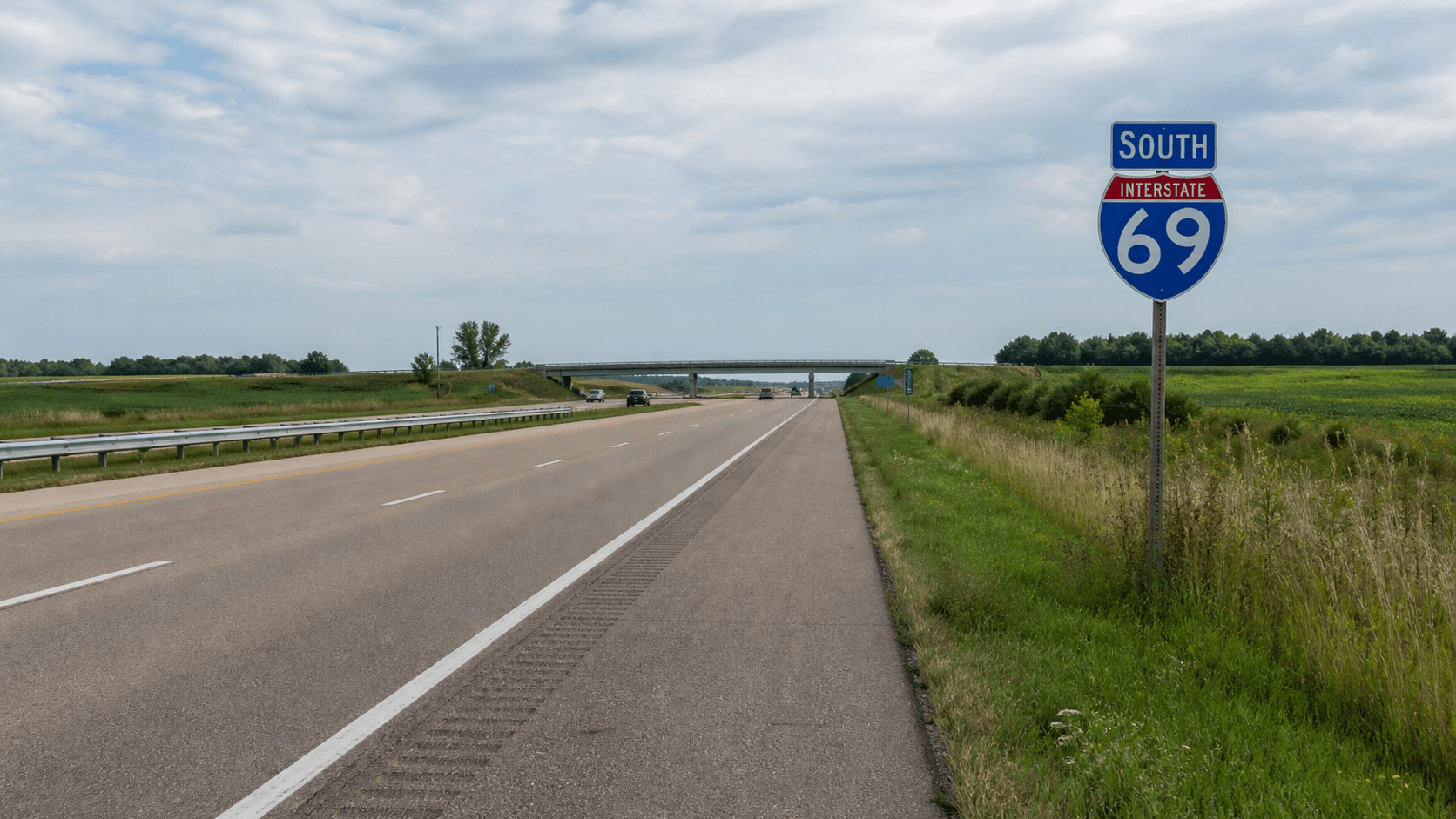
According to KPC News reporting on the sheriff’s preliminary findings[1] and follow-up reporting from 21Alive[2], the crash was reported at about 3:18 p.m. on southbound I-69 near mile marker 333, just south of the Waterloo exit.
The reports stated that a 1999 Chevrolet Silverado was pulling a trailer when the trailer began to fishtail. The truck struck a guardrail on the west side of the interstate and overturned over it. The driver, a 43-year-old Fort Wayne man, was ejected and suffered neck and abdominal injuries. He was flown to an area hospital.
The trailer stopped in the right lane beneath the County Road 28 overpass. The truck came to rest on its passenger side and was considered a total loss. Lanes between mile markers 329 and 334 were temporarily closed, and the scene was cleared at about 5:30 p.m. Multiple agencies responded. The cited reports did not identify a citation or final fault determination.
What you should do after a towing crash
An ejection is a medical emergency. Care for possible head, spinal, and internal injuries comes first. Once the immediate crisis has passed, preserving the truck and trailer may be one of the most important steps you can take. The same principle applies after other serious rollover accidents.
Do not assume a totaled vehicle will remain available. An insurer may transfer it to a salvage facility, where important evidence can be altered, sold, or destroyed. A prompt written preservation request should identify the truck, trailer, hitch, ball, coupler, safety chains, wiring, tires, and any cargo or loading components. You can also review the types of evidence that may help prove an Indiana accident claim.
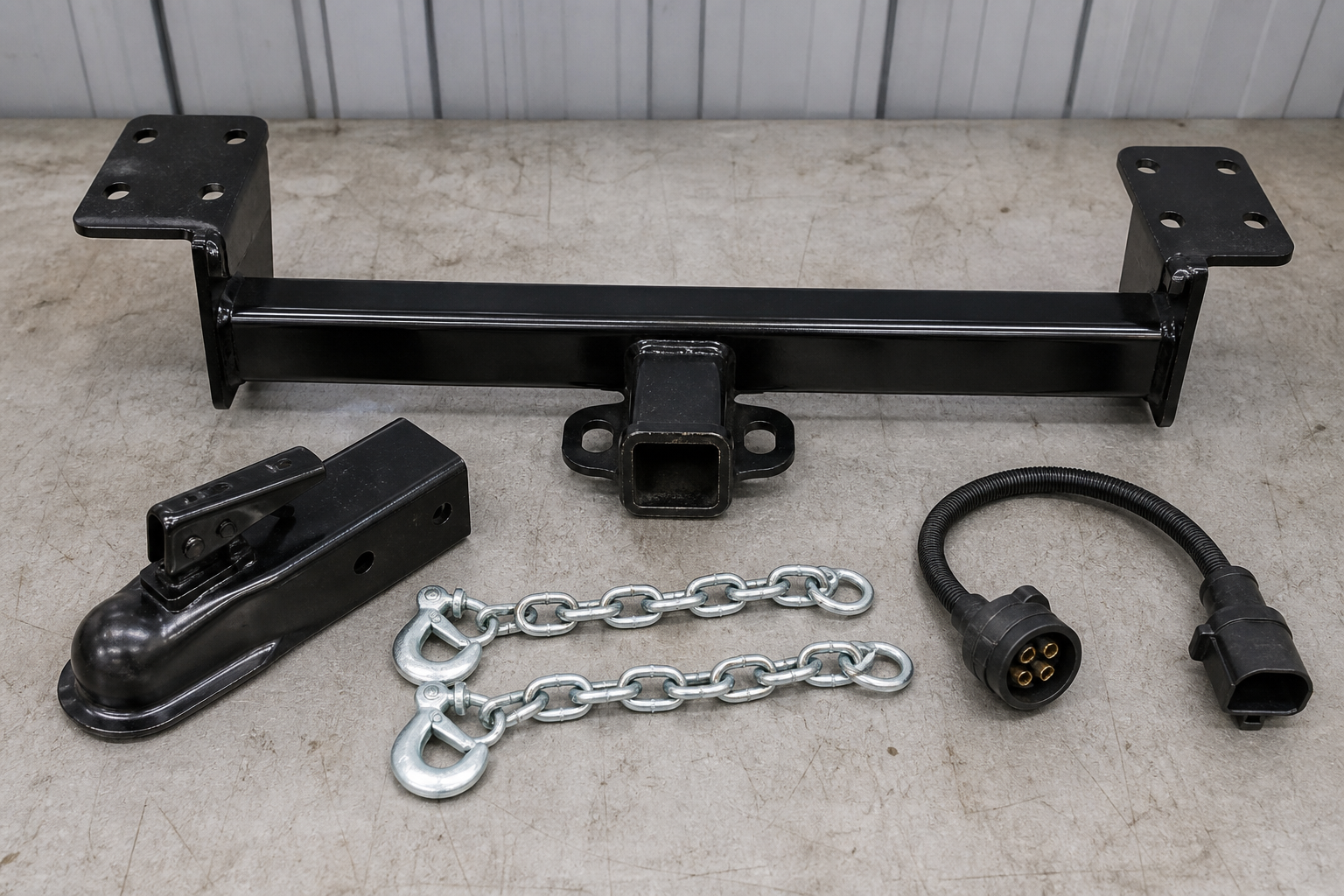
Photograph the equipment before it is moved or repaired, if that can be done safely. Useful details may include the hitch assembly, coupler, chain attachment points, tire condition, wiring, and the position and securement of the load. Keep purchase, installation, repair, and maintenance records.
It is also important to identify everyone who handled the equipment. Depending on the evidence, an improperly installed hitch, defective coupler, worn component, or poorly arranged load could raise questions involving a manufacturer, seller, installer, repair shop, or loader. A product defect claim requires evidence connecting a specific defect to the injury, so the physical equipment often matters.
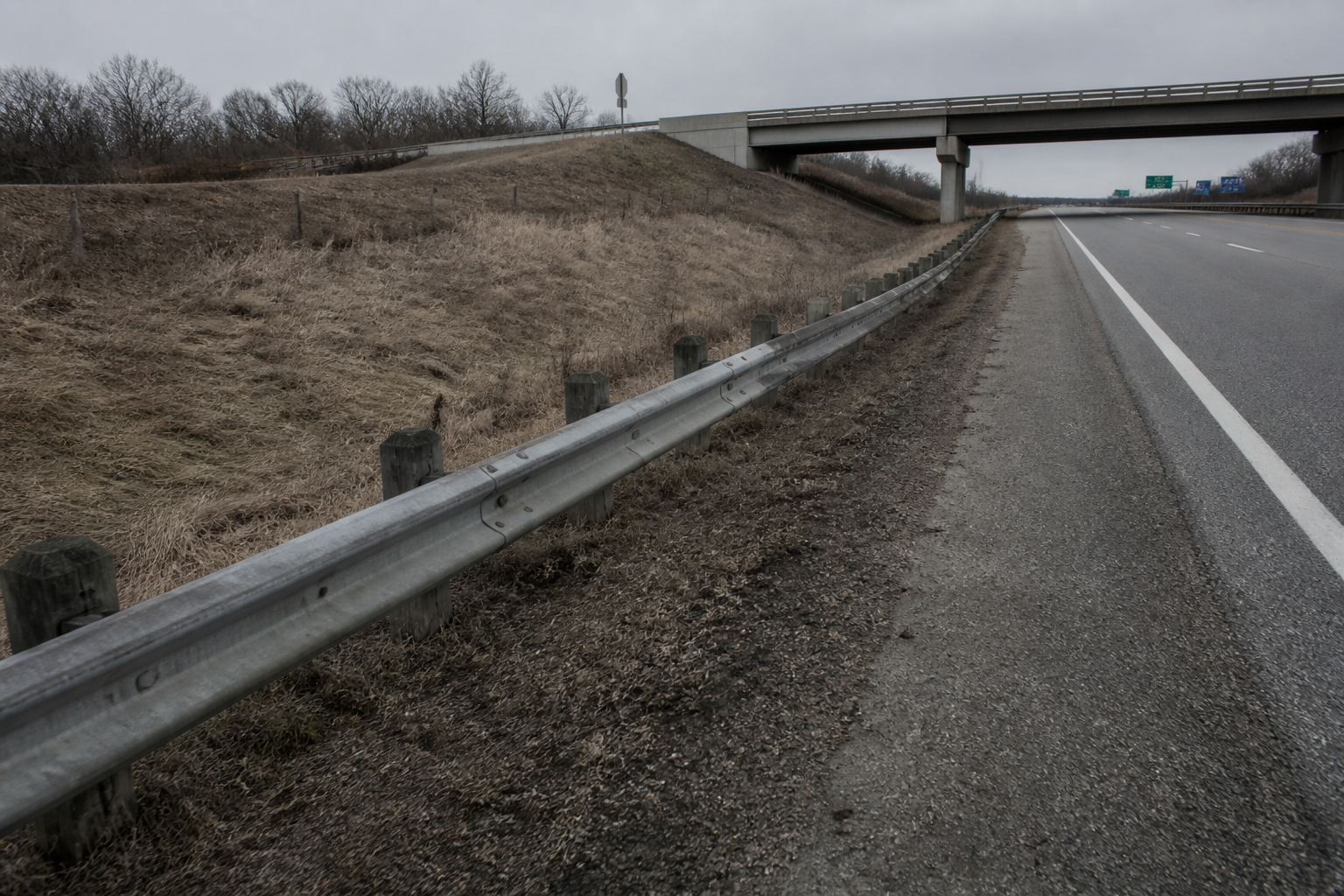
The guardrail should also be documented. Reports stated that the truck went over it. That fact does not prove the barrier was defective, but it may justify careful examination. A potential claim involving a government entity can have notice requirements that are much shorter than the ordinary personal-injury filing deadline.
Why the I-69 location matters
This crash occurred on a rural interstate in DeKalb County. Highway speed can make trailer sway more difficult to correct, while the shoulder, guardrail, overpass, and surrounding road geometry can affect what happens after control is lost. People injured on this corridor may benefit from understanding why I-69 crashes can present different evidence issues.
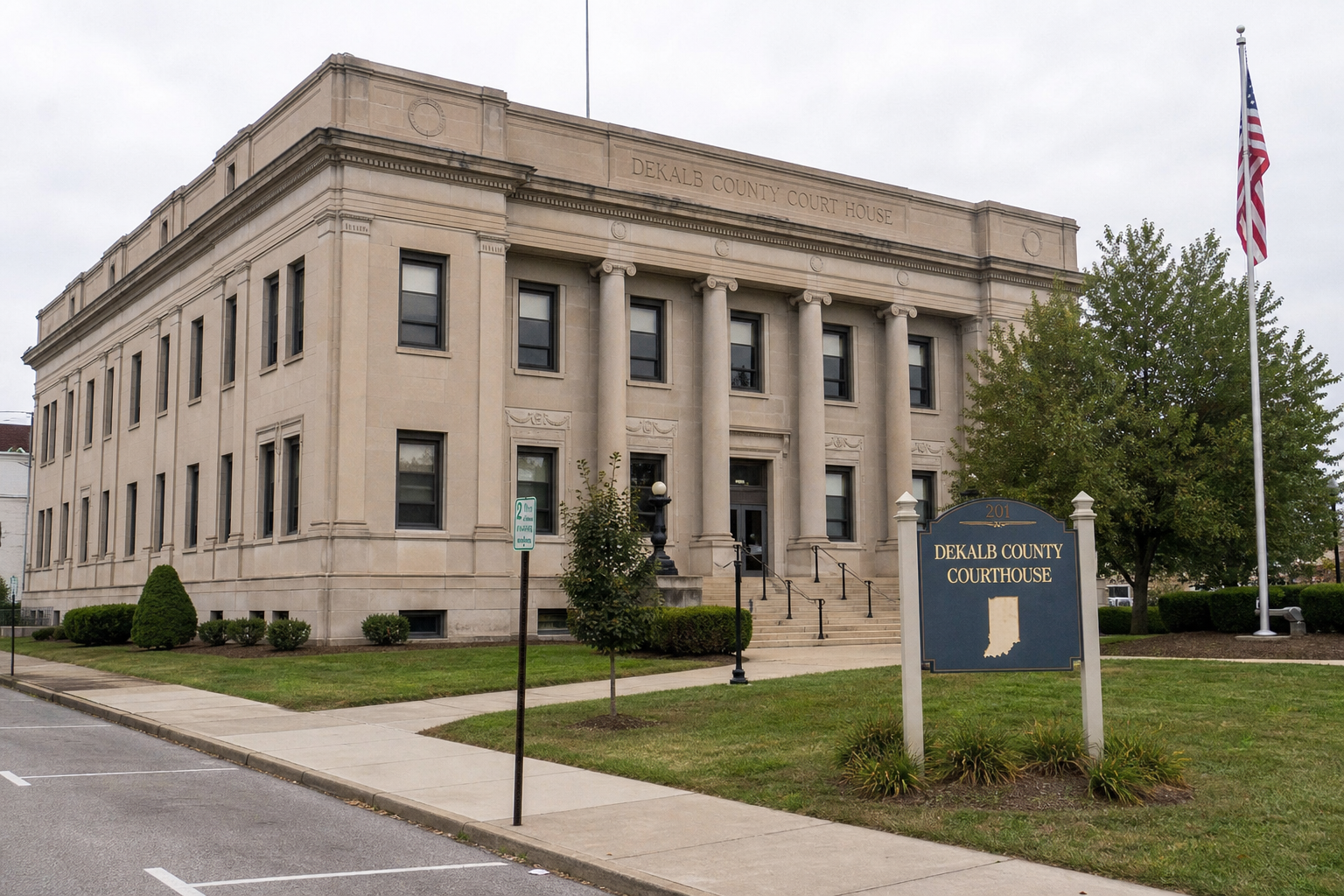
The location also determines which law-enforcement agency investigates and holds the completed crash report. Here, the reporting attributed the preliminary findings to the DeKalb County Sheriff’s Office. The county where a crash occurred may also affect where a lawsuit can be filed and which local records need to be obtained.
Between private parties, Indiana uses modified comparative fault. An injured person’s recovery is generally reduced by that person’s share of fault and barred if that share exceeds 50 percent. In a towing case, investigators may compare evidence about speed, steering, and loading with evidence of a mechanical, installation, or product failure. No conclusion about those issues can be drawn from the preliminary reporting alone.
Indiana’s deadline for filing a personal-injury claim is generally two years from the injury date. The practical evidence deadline can arrive much sooner if a truck or trailer is released for salvage. Government-related claims may also involve shorter notice periods.
How Delventhal Law Office can help
If you or a family member was hurt in a rollover, ejection, or towing-related crash on I-69 or elsewhere in northeast Indiana, Delventhal Law Office can help preserve the truck and trailer before salvage, identify the businesses that manufactured, sold, installed, repaired, or loaded the equipment, and review the available insurance coverage. The firm also deals with insurers that may aggressively defend responsibility or dispute what caused the crash.
You can request a free case evaluation to discuss the facts, the evidence that may need immediate protection, and your options under Indiana law.
This post is based on public reporting, and the investigation may be ongoing. Nothing here is legal advice or creates an attorney-client relationship.