A crash involving two semis, including a tanker hauling racing fuel, sent one person to the hospital and prompted a fuel-leak response on Tuesday, August 11, 2026. The incident illustrates why a commercial-truck collision involving specialty fuel can create evidence, insurance, and cleanup questions beyond those in an ordinary vehicle crash.
What happened
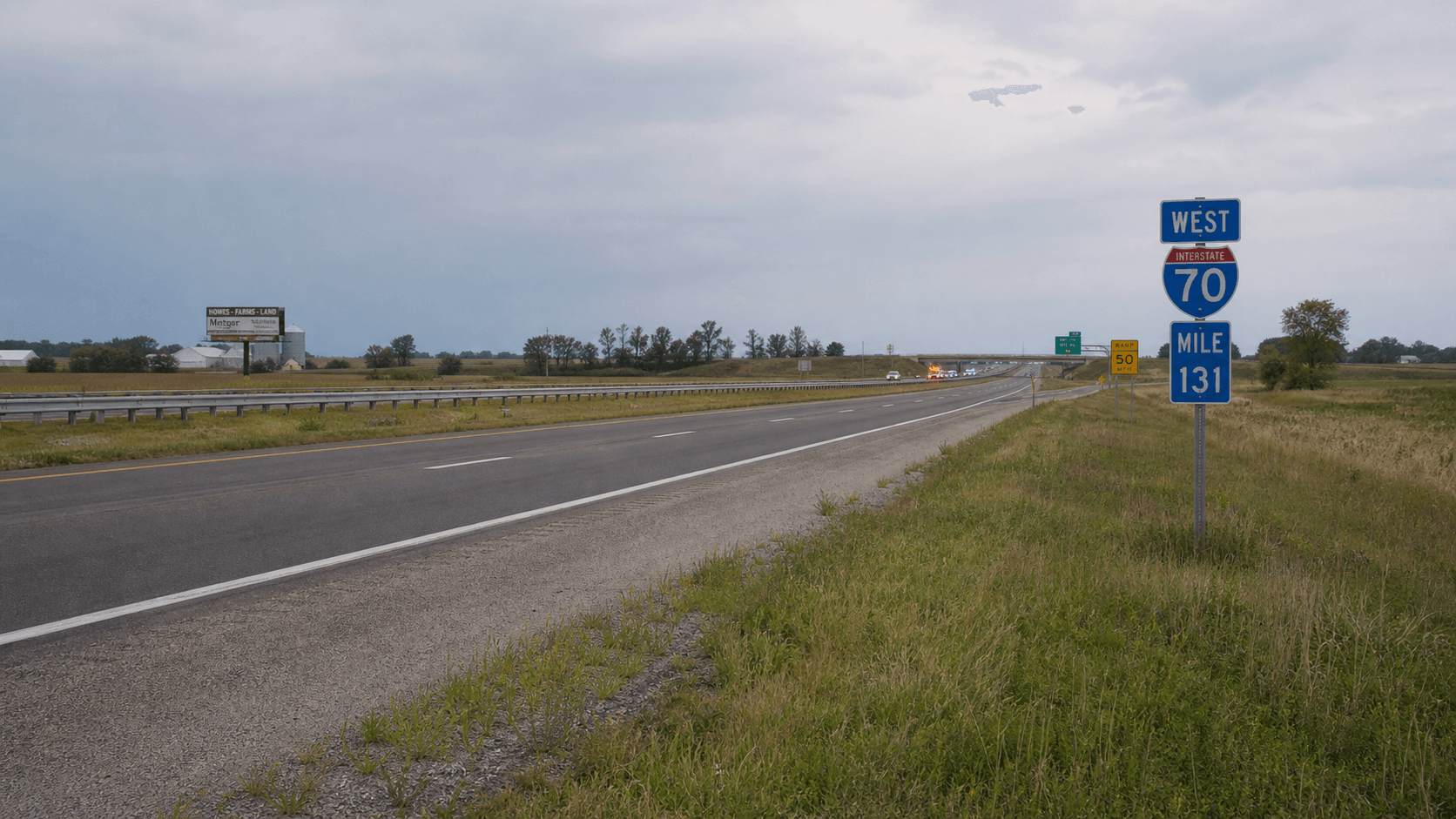
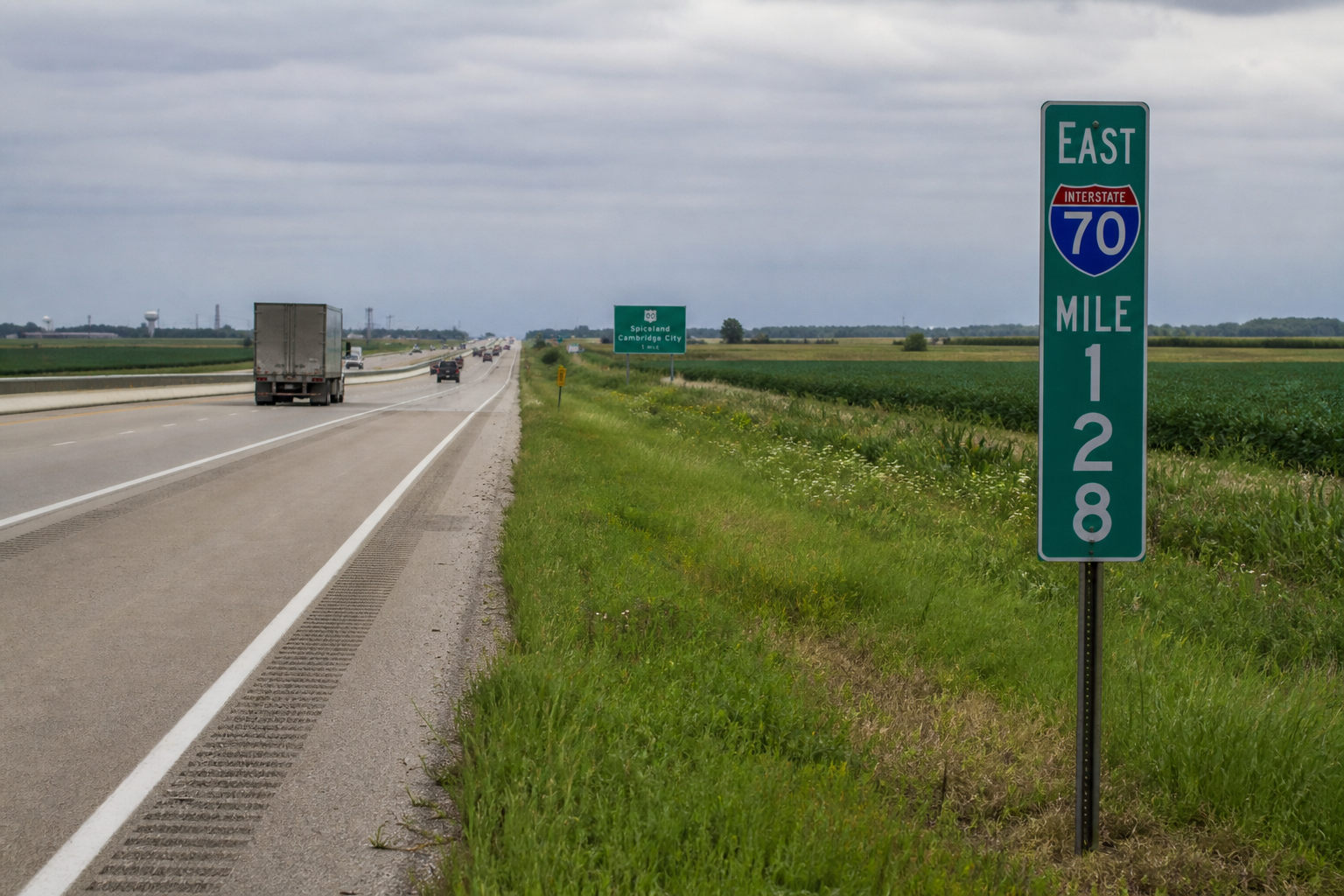
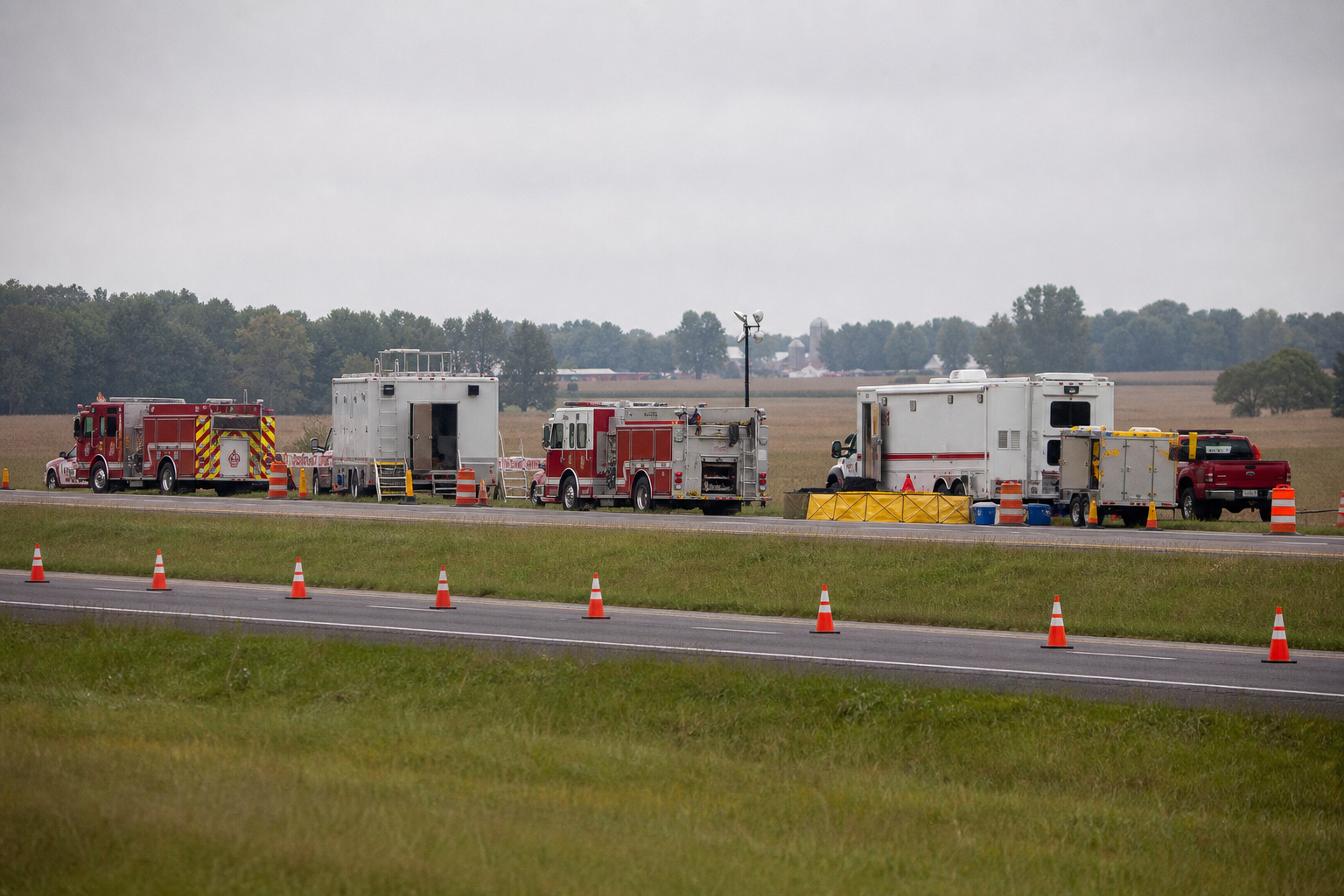
According to WTHR's report on the Henry County crash[1], two semis collided on westbound Interstate 70 near mile marker 131, between Spiceland and Cambridge City, at about 11:50 a.m. One truck was a tanker hauling racing fuel. The fuel leaked, drawing a response from INDOT, fire crews, and police.
One person was taken to a hospital. The cited report did not announce a cause or a finding of fault, and the investigation remained ongoing. A reported fact about the vehicles or fuel leak should not be treated as a legal conclusion about responsibility.
What injured people should do next
Your first priority after a heavy-truck crash should be medical care. Some injuries change or become clearer in the days after a collision. Follow the treatment instructions you receive, keep appointment and billing records, and describe your symptoms honestly. The firm's guide to the first 72 hours after a crash explains why early documentation can matter.
Commercial trucks also create records that passenger vehicles do not. Driver logs, electronic data, inspection histories, maintenance files, dispatch records, and carrier documents can be lost or overwritten. Information about truck black-box and ECM evidence can help you understand why a prompt preservation request may be important.
A two-semi collision may involve separate drivers, motor carriers, insurers, shippers, loaders, or other companies. When racing fuel leaks, cargo loading, securement, handling, and cleanup records may also become relevant. Each party may have different documents and insurance coverage, so the full picture may not be clear immediately.
Commercial carriers and their insurers often investigate quickly. Before giving a recorded statement to another party's insurer or signing a release, you can review what the request covers and whether the investigation is complete. A broad statement or early settlement can create problems when injuries, responsible parties, or available coverage are still being identified.

Why the location matters
This crash occurred on westbound Interstate 70 near mile marker 131 in Henry County. That location helps identify the responding agencies and the records they may hold. Police investigative materials, INDOT records, fire-response documents, and fuel-cleanup records may each preserve a different part of what happened.
Interstate carriers may be subject to federal motor-carrier rules as well as Indiana law. The location of the crash remains important even when a driver or carrier is based elsewhere. People seeking more context can read why truck accident claims differ from car accident claims.
Indiana generally gives an injured person two years from the injury date to file most personal-injury claims. That filing period should not be confused with the practical time available to preserve truck data, video, physical evidence, or cleanup documentation. Those materials may disappear much sooner.
How Delventhal Law Office can help
If you were hurt in a semi or tanker crash, Delventhal Law Office can help identify the carriers and insurers involved, send preservation requests, obtain available trucking and response records, and document how the injuries affect your life. Commercial carriers and their insurers may aggressively defend disputed claims, so careful preparation matters.
Chad Delventhal represents injured people across Indiana. You can consult a Fort Wayne truck accident attorney or request a free case evaluation to discuss your circumstances and options under Indiana law.
This post is based on public reporting, the investigation may be ongoing, and nothing here is legal advice or creates an attorney-client relationship.