
Key takeaways
- The "7 types of injuries" is a common way to group injuries by how they affect the body — soft tissue, fractures, head/brain, spine/back/neck, burns, psychological trauma, and catastrophic or fatal injuries.
- Some serious injuries (concussions, whiplash, internal damage) may not show up right away, so prompt medical care and follow-up matter.
- Indiana generally gives injured people two years to file a personal injury or wrongful death lawsuit, with shorter notice deadlines when a government entity is involved.
- Indiana uses a modified comparative fault rule: if you are found more than 50% at fault, you generally cannot recover.
- Documentation — medical records, imaging, photos, and consistent treatment — is what turns an injury into a provable claim.

What people mean by "the 7 types of injuries"
There is no official Indiana statute that lists "seven types of injuries." The phrase comes from how doctors, insurers, and injury lawyers commonly organize injuries by the part of the body affected and the severity involved. Grouping injuries this way is useful because each category tends to raise its own medical, documentation, and insurance issues.
Below is a plain-language walk-through of the seven categories most often used, with Indiana claim context for each. If you were hurt because of someone else's carelessness, the Fort Wayne personal injury team at Delventhal Law Office can explain how these categories play out in a real claim.
1. Soft-tissue injuries
Soft-tissue injuries affect muscles, tendons, and ligaments rather than bone. They include sprains, strains, contusions (bruising), and whiplash. These are among the most common injuries after a car crash, a fall, or a workplace accident.
The challenge with soft-tissue injuries is that they usually do not appear on an X-ray, so insurers sometimes argue they are minor or exaggerated. Careful medical documentation, consistent treatment, and following your provider's plan help show the injury is real. Our guide to the common types of soft-tissue injuries after a car accident explains how these injuries are evaluated and proven.
2. Fractures and broken bones
Fractures range from a simple hairline crack to complex breaks that require surgery, hardware, and long rehabilitation. Wrists, arms, ankles, ribs, hips, and collarbones are frequently broken in crashes and falls.
Because fractures show clearly on imaging, causation is often less disputed than with soft-tissue injuries. Instead, disputes tend to focus on the value of future care, permanent limitations, and lost income during recovery. Workers who break a bone on the job may also have a workers' compensation claim; see our overview for Fort Wayne fracture injury cases. You can use our Indiana car accident settlement calculator to organize the factors that may affect a claim’s value; it is an educational tool, not a promise of any result.

3. Head and brain injuries
Head injuries range from scalp lacerations to concussions and more severe traumatic brain injuries (TBI). A concussion is a form of mild TBI, and its effects are not always obvious at the scene. According to the CDC, symptoms of a concussion can include headache, dizziness, nausea, confusion, sensitivity to light, and problems with memory or concentration[1], and some symptoms may appear hours or days later.
Because a normal CT scan does not rule out a concussion, brain injuries can be undervalued by insurers. Detailed records, symptom journals, and follow-up with the right specialists matter. Learn more about brain injury claims in Fort Wayne and the types of head injuries from car accidents.
4. Spinal cord, back, and neck injuries
This category runs from herniated discs and pinched nerves to serious spinal cord damage that can cause partial or complete paralysis. Back and neck injuries are common after rear-end crashes and falls, and they can cause chronic pain long after the accident.
Spinal injuries often involve expensive imaging, injections, physical therapy, or surgery, and they can affect a person's ability to work for years. Our practical guide to back and neck injuries after Indiana car accidents covers how these claims are documented and why prior conditions do not automatically defeat a claim.

5. Burns and scarring
Burns can result from vehicle fires, workplace incidents, defective products, or chemical exposure. They are classified by depth — first, second, and third degree — and severe burns often require specialized treatment, skin grafts, and long-term care.
Burns and deep lacerations frequently leave permanent scarring or disfigurement, which can support claims for both medical costs and non-economic harm such as pain and emotional impact. If you or a loved one suffered a serious burn, our Fort Wayne burn injury attorneys can explain what a claim may involve.
6. Psychological and emotional trauma
Not every injury is physical. Anxiety, depression, and post-traumatic stress disorder (PTSD) can follow a serious accident, especially after a violent crash, a fatality, or a life-altering injury. These conditions are real and can be diagnosed and treated by mental health professionals.
Psychological injuries are among the harder claims to prove because they are not visible on imaging. Treatment records from licensed providers, consistent care, and a clear connection to the accident help establish them. Our article on the hardest injuries to prove in Indiana explains how "invisible" injuries are documented.

7. Catastrophic injuries and wrongful death
Catastrophic injuries permanently change a person's life — think spinal cord injuries with paralysis, amputations, severe TBIs, or multiple-system trauma. When an injury is fatal, Indiana law allows the family or estate to bring a wrongful death claim through the personal representative of the estate.
These cases often involve the largest medical bills, the greatest lost earning capacity, and the most significant emotional loss. They also tend to be the most heavily contested by insurers, which is why thorough investigation and evidence preservation early on are so important.
Why the injury category matters for an Indiana claim
The category helps predict the medical proof needed and the arguments an insurer may raise, but it does not decide your claim by itself. In every Indiana injury case, you generally have to show that another party owed you a duty of care, breached it, and caused your injuries and losses. Our explainer on the four proofs of negligence in Indiana breaks this down.
Two Indiana rules apply across all injury types:
- Comparative fault. Indiana uses a modified comparative fault system. If you are found more than 50% at fault, you generally cannot recover, and any recovery is reduced by your share of fault. See our guide to Indiana's 51% fault rule.
- Deadlines. Most Indiana personal injury and wrongful death lawsuits must be filed within two years, with shorter notice deadlines when a government entity is involved.
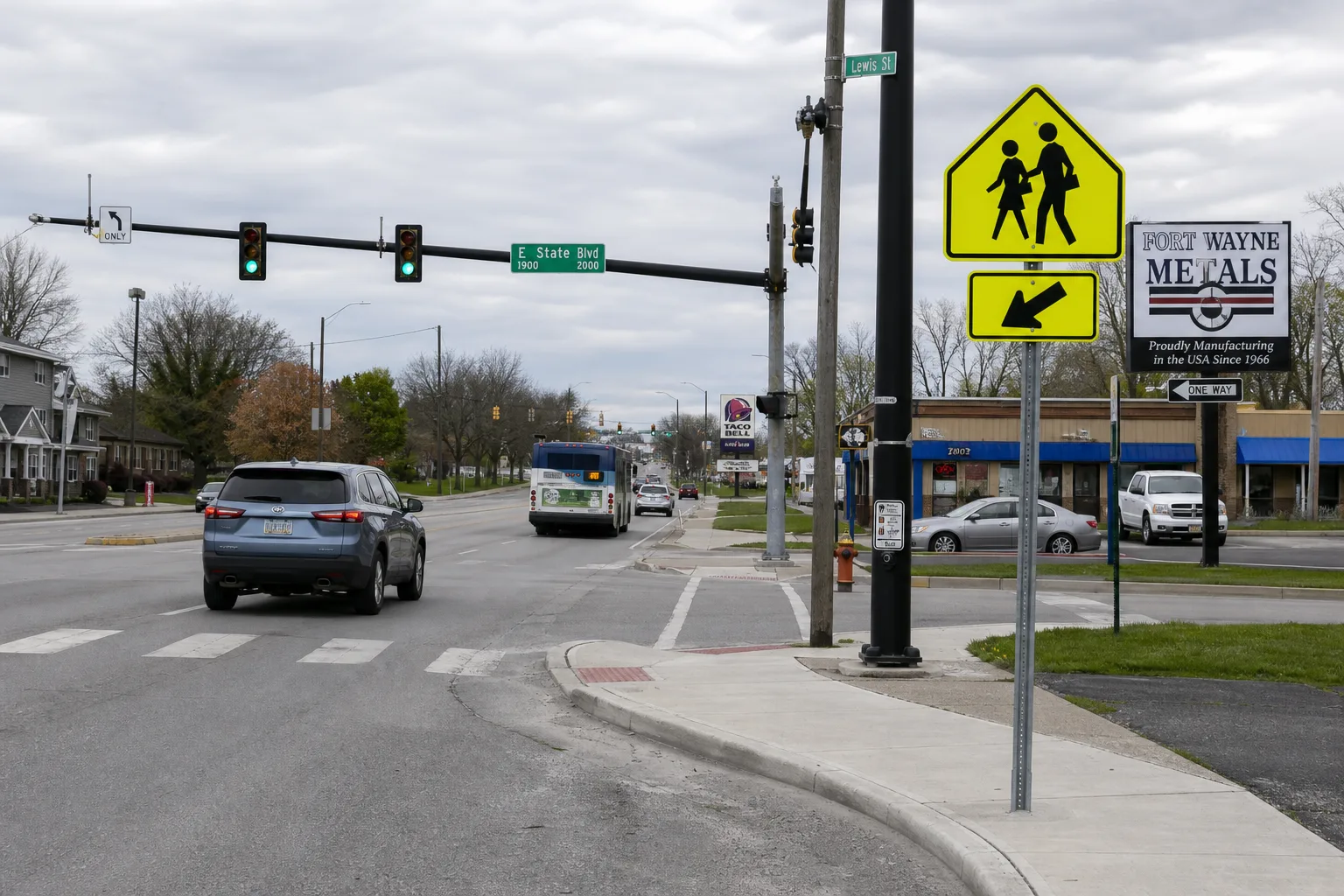
What to do after any type of injury in Indiana
The practical rule: treat the injury seriously, document everything, and protect the deadlines. A short, practical checklist:
- Get medical care promptly, even if symptoms feel minor — some injuries appear later.
- Follow your treatment plan and avoid unexplained gaps in care.
- Keep records: bills, imaging, discharge papers, and a symptom journal.
- Photograph visible injuries, the scene, and property damage.
- Report the accident and obtain any crash or incident report.
- Be careful with recorded statements and broad medical releases before you understand your rights — see what an adjuster may ask for after an Indiana accident.
- Talk with an attorney about the deadlines that apply to your specific situation.
Frequently Asked Questions
Is there an official list of 7 types of injuries?
No. The "7 types of injuries" is a common way to group injuries by how they affect the body, not a legal or statutory list. Different sources may list six, seven, or more categories. What matters for an Indiana claim is the medical evidence and whether someone else's negligence caused the harm.
Which injury types are most common in car accidents?
Soft-tissue injuries (including whiplash), fractures, and head and neck injuries are among the most common after Indiana crashes. Many are treatable, but some — like concussions and internal injuries — can be serious even when they seem minor at first.
How long do I have to file an injury claim in Indiana?
Most Indiana personal injury and wrongful death lawsuits must be filed within two years of the injury or death. If a government entity may be responsible, a much shorter written notice deadline can apply. Because exceptions exist, confirm your specific deadline with an attorney as early as possible. If a government body or employee may be involved, review our Indiana government tort claim notice guide, because notice deadlines can be much shorter than the ordinary injury filing period.
Can I still recover if I was partly at fault?
Possibly. Under Indiana's modified comparative fault rule, you can generally recover if you are found 50% or less at fault, though your recovery is reduced by your percentage of fault. If you are found more than 50% at fault, you generally cannot recover.
What if my injury does not show up on a scan?
Many real injuries — concussions, soft-tissue damage, chronic pain, and PTSD — do not appear clearly on imaging. Consistent treatment records, provider notes, and a documented connection to the accident help prove them. Do not assume an injury is not compensable just because a scan looked normal.
Talk with a Fort Wayne injury attorney
Whatever category your injury falls into, the questions that decide an Indiana claim are the same: who was at fault, how serious is the harm, and how well is it documented. If you were hurt and are not sure what to do next, a free consultation can help you understand your options and the deadlines that may apply. Delventhal Law Office serves Fort Wayne, Allen County, and clients across Indiana — you can contact our office or request a free case evaluation to talk through your situation. You do not have to figure out the insurance process alone.
This article is general information about Indiana law and is not legal or medical advice. Reading it does not create an attorney-client relationship, and neither does contacting us. If you do contact us about a possible claim, Indiana Rule of Professional Conduct 1.18 requires us to keep what you tell us confidential whether or not we take the case — but please do not send documents or detailed facts until we have agreed in writing to represent you. For advice about your specific situation, speak with a qualified attorney or medical provider.