
Head injuries from car crashes are the injuries that do the most quiet damage. The bones heal. The bruises fade. The brain is different. Months after the crash, the headaches are still there, the memory is still slipping, the patience is gone, the job that used to be easy is now exhausting. This article walks through the kinds of head injuries that show up in Fort Wayne and Allen County crashes, what each one means medically and legally, and how Indiana law treats traumatic brain injury claims.
How the Brain Gets Hurt in a Car Crash
The brain is a soft organ floating in cerebrospinal fluid inside a hard skull. In a crash, the head decelerates faster than the brain. The brain crashes into the inside of the skull on the impact side, then often rebounds and crashes again on the opposite side. Rotational forces twist the brainstem and shear nerve fibers. Even when the skull is not fractured, the brain takes the hit.
Several specific mechanisms produce most car-crash head injuries:
- Head contact with the steering wheel, dashboard, A-pillar, or side glass
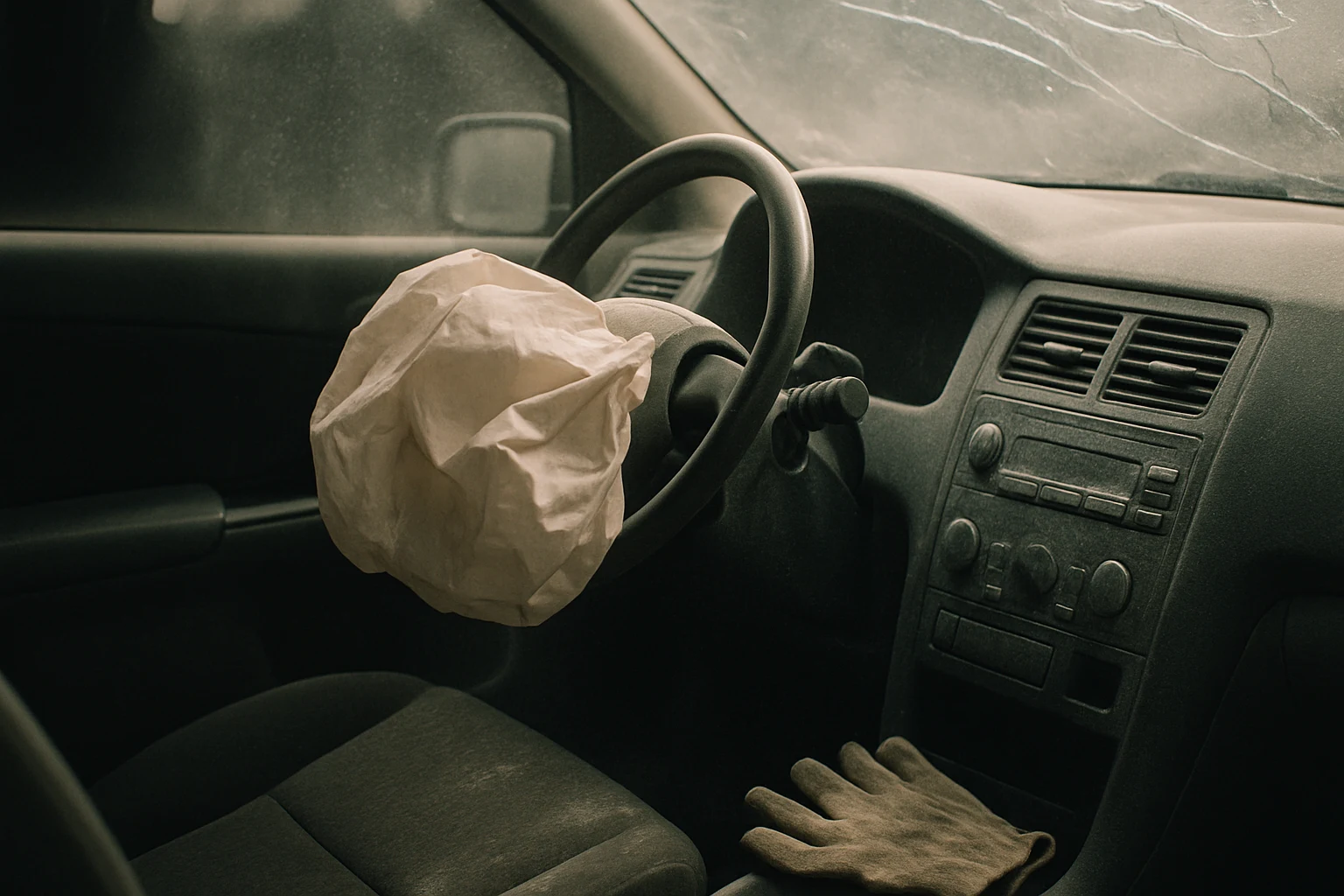
- Airbag deployment, which can produce concussion even when it prevents worse injury
- Rapid acceleration and deceleration without direct head impact (whiplash-style brain injury)
- Rotational forces in side-impact or rollover crashes
- Penetrating injury from broken glass, debris, or intruding metal
The Centers for Disease Control identifies motor vehicle crashes as one of the leading causes of TBI in the United States, particularly for working-age adults. The mechanism is not exotic. A 35-mph crash is enough to produce a clinically significant brain injury.
Concussion: The Most Common, the Most Underestimated
A concussion is a mild traumatic brain injury caused by a blow to the head, a blow to the body that whips the head, or rapid acceleration/deceleration. The brain temporarily stops working the way it normally does. Symptoms include:
- Headache that does not respond to over-the-counter medication
- Confusion, brain fog, difficulty concentrating
- Memory gaps around the time of the crash
- Sensitivity to light and sound
- Nausea, vomiting, balance problems
- Sleep disruption, fatigue
- Irritability, mood changes, depression
- Brief loss of consciousness (not always; many concussions involve no loss of consciousness)
Concussions are notoriously underdiagnosed because they often look like "just feeling off" in the hours after a crash. Standard CT scans appear normal. The brain damage is microscopic and functional, not visible on imaging. By the time symptoms persist for weeks (post-concussive syndrome), the medical record may not include any contemporaneous documentation tying the symptoms to the crash, and the carrier uses that gap to argue causation.
Recovery from a single concussion typically takes weeks to months. Repeated concussions or unmanaged ones can produce lifelong cognitive deficits. Treatment includes cognitive rest, gradual return to activity, vision therapy, vestibular therapy for balance issues, and neuropsychological evaluation.
Contusion, Hemorrhage, and Coup-Contrecoup
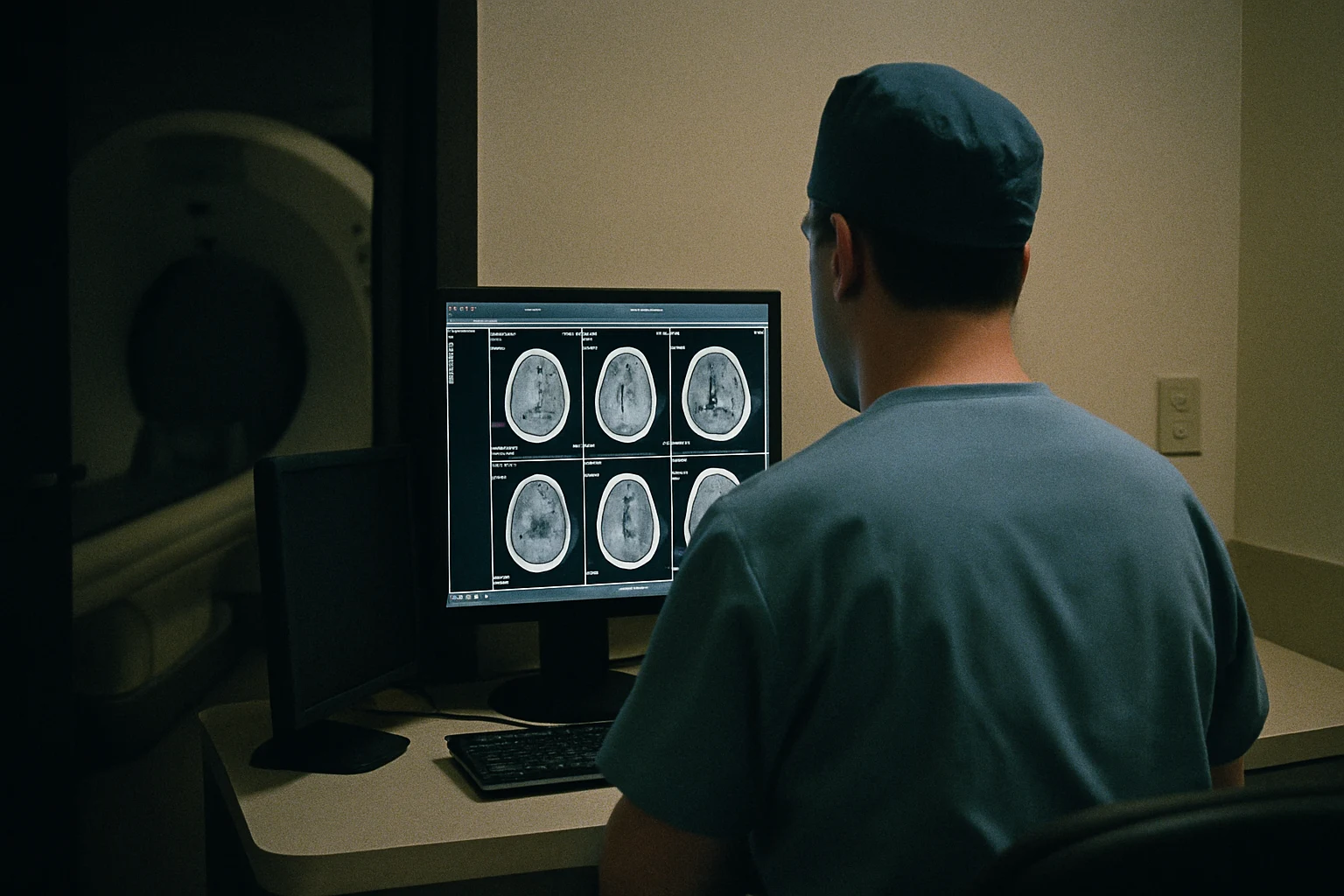
When the brain strikes the inside of the skull hard enough, the tissue bruises. A cerebral contusion is a localized brain bruise. If blood vessels tear, the result is intracranial hemorrhage, which can be subdural (under the dura), epidural (between skull and dura), or intracerebral (within the brain tissue itself).
The coup-contrecoup pattern is named for the two impact points: coup (the side where the skull was struck) and contrecoup (the opposite side, where the brain rebounded into the skull). Both sites can show contusion. A driver whose forehead strikes the steering wheel may have frontal-lobe contusion at the coup site and occipital-lobe contusion at the contrecoup site.
Severity ranges widely. Small contusions may be observed and managed with rest. Large hemorrhages can require emergency neurosurgery, including craniotomy (removing part of the skull to relieve pressure) and evacuation of the blood clot. Survivors may have lasting deficits depending on which brain region was affected.
Common long-term consequences include changes in personality, executive function, judgment, language, and motor control. A frontal-lobe injury that affects impulse control or decision-making can change the patient's career, marriage, and relationships in ways that no MRI captures fully.
Diffuse Axonal Injury
Diffuse axonal injury (DAI) is one of the most severe TBIs. It happens when rotational forces tear axons (the long nerve fibers that carry signals between brain cells) throughout the brain, not just at the impact site. It is common in high-speed crashes and rollovers.
The damage is microscopic and diffuse, which is why standard CT often appears normal even in severe cases. MRI with specialized sequences may show evidence. Clinically, DAI patients often present with extended loss of consciousness, coma, or persistent vegetative state. Survivors with significant DAI frequently have lifelong cognitive, motor, and behavioral impairment.
DAI claims are among the most catastrophic in personal-injury practice. Damages include lifetime medical care, attendant care, rehabilitation, lost lifetime earnings, and substantial non-economic damages. Liability investigation, accident reconstruction, and life-care planning are central to building the damages picture.
Skull Fracture and Penetrating Head Injury
Skull fractures range from linear (a simple crack) to depressed (a portion of skull pushed inward) to basilar (at the base of the skull, often with leakage of cerebrospinal fluid). Closed skull fractures may not require surgery; depressed and basilar fractures often do.
Open or penetrating head injuries occur when a foreign object breaches the skull. In car crashes, this can happen from broken glass, intruding metal, or contact with sharp edges. Surgical management focuses on removing the object (if still present), debriding the wound, controlling bleeding, and reducing intracranial pressure.
Both fracture types and penetrating injuries carry significant risk of long-term cognitive and neurological deficit, infection, post-traumatic seizures, and other complications. They are catastrophic-claim territory.
Indiana Damages for Traumatic Brain Injury Claims
Indiana allows full recovery for the documented harm from a TBI. The damages categories are familiar but the scale is larger:
- Past medical expenses. ER, neurosurgery, ICU, hospitalization, imaging, rehabilitation, neuropsychological testing.
- Future medical expenses. Cognitive rehabilitation, vision therapy, vestibular therapy, speech therapy, psychiatry, ongoing neurological follow-up, medications.
- Lost income and earning capacity. Time missed from work, inability to return to prior occupation, vocational retraining if available, projected lifetime wage loss.
- Attendant care. For more severe TBIs, the cost of in-home or facility-based care over the patient's life expectancy.
- Home and vehicle modifications. For patients with motor or cognitive deficits that require adaptation.
- Pain and suffering. Including emotional distress, depression, anxiety, and personality changes tied to the injury.
- Loss of consortium. A spouse can recover for the loss of companionship and relationship damage caused by the injury.
Indiana applies modified comparative fault under IC § 34-51-2-6[2]. If the injured driver carries 51% or more of the fault for the crash, recovery is barred. Below that, damages are reduced proportionally to fault.
Why TBI Claims Need Early Documentation
Brain injury claims are the cases where the carrier's playbook works hardest. Three reasons:
The injury is often invisible on initial imaging. CT and even MRI can appear normal in concussion and DAI cases. The defense argues that no objective evidence supports the diagnosis. The counter is neuropsychological testing, treating-physician documentation, and (in serious cases) advanced imaging such as DTI (diffusion tensor imaging).
Symptoms develop and evolve over weeks. Post-concussive syndrome may not be diagnosed for a month or more after the crash. By that time, the carrier argues the symptoms are unrelated.
Cognitive and behavioral changes are reported by family, not patient. A patient who has lost executive function may not realize they have changed. Spouses, employers, and adult children often notice first. Documenting these reports early matters.
How Delventhal Law Office Handles Head Injury Cases
We treat every head-injury case as a presumptive TBI until ruled out, not the other way around. That means coordinating with treating providers to ensure neuropsychological evaluation is on the table, gathering pre-injury baseline information (school records, prior performance reviews, military records), and preserving the early symptom record before it gets compressed and re-interpreted by an adjuster.
For catastrophic TBI cases, we work with life-care planners, vocational economists, and treating physicians to build a damages picture that captures lifetime cost. Catastrophic claims should not settle at month six or nine, when the long-term prognosis is still developing. We file early to control timing, not to chase a quick check.
Every head-injury file is handled by Chad directly, including the first call. Indiana State Bar, admitted 2008. Fort Wayne, Allen County, DeKalb, Whitley, Adams, Wells, Huntington, Noble, Elkhart, St. Joseph, and Kosciusko County claims.
FAQs About Head Injuries from Car Crashes
My ER scan was normal but I still have headaches. Is that a brain injury?
Possibly yes. Concussion and mild traumatic brain injury frequently do not show on standard CT or MRI. Persistent post-concussive symptoms (headache, brain fog, fatigue, mood changes, light sensitivity) warrant follow-up with a primary care provider or neurologist, and that documentation matters for a claim.
How long do I have to file a TBI claim in Indiana?
Two years from the date of the crash under IC § 34-11-2-4[1]. For minors, the clock is tolled until age 18 under IC § 34-11-6-1[3]. Government defendants have shorter notice deadlines under the Tort Claims Act.
Can I recover for personality and behavior changes after a brain injury?
Yes. Cognitive, emotional, and behavioral changes tied to a TBI are recoverable damages. They are typically documented through treating-physician records, neuropsychological evaluation, and family observations.
What if I had a prior concussion?
Indiana follows the eggshell-plaintiff rule. The negligent driver is responsible for the aggravation of a pre-existing condition. A prior concussion does not bar recovery; it can in some cases increase damages because the second injury was more harmful given the prior history.
Does insurance ever pay full value for TBI claims?
Some do, eventually, but rarely on the first offer. Catastrophic TBI claims usually settle late, often after suit is filed. The early demands are routinely lowballed because carriers count on plaintiffs accepting before the long-term prognosis is clear.
Suspected Brain Injury After a Fort Wayne Crash? Don't Wait It Out

The longer a head injury goes undocumented, the harder the carrier's denial gets. If you walked away from a crash and a week later you cannot sleep, cannot focus, and have a headache that will not lift, see a doctor and have it written down. Then call an attorney who has actually handled TBI cases in Indiana, not someone who treats every claim as a soft-tissue file.
If you or a loved one was hurt in a crash anywhere in Allen County, DeKalb County, Whitley County, Adams County, or Indiana, talk to Delventhal Law Office. The consultation is free, no obligation, and you are talking to Chad directly. Call (260) 484-6655 or contact us online to schedule a free case evaluation.
Talk to a Fort Wayne car accident attorney. The decisions you make in the first week after a Fort Wayne car accident set the ceiling on your case. Our Fort Wayne car accident attorneys can walk you through what to do next.