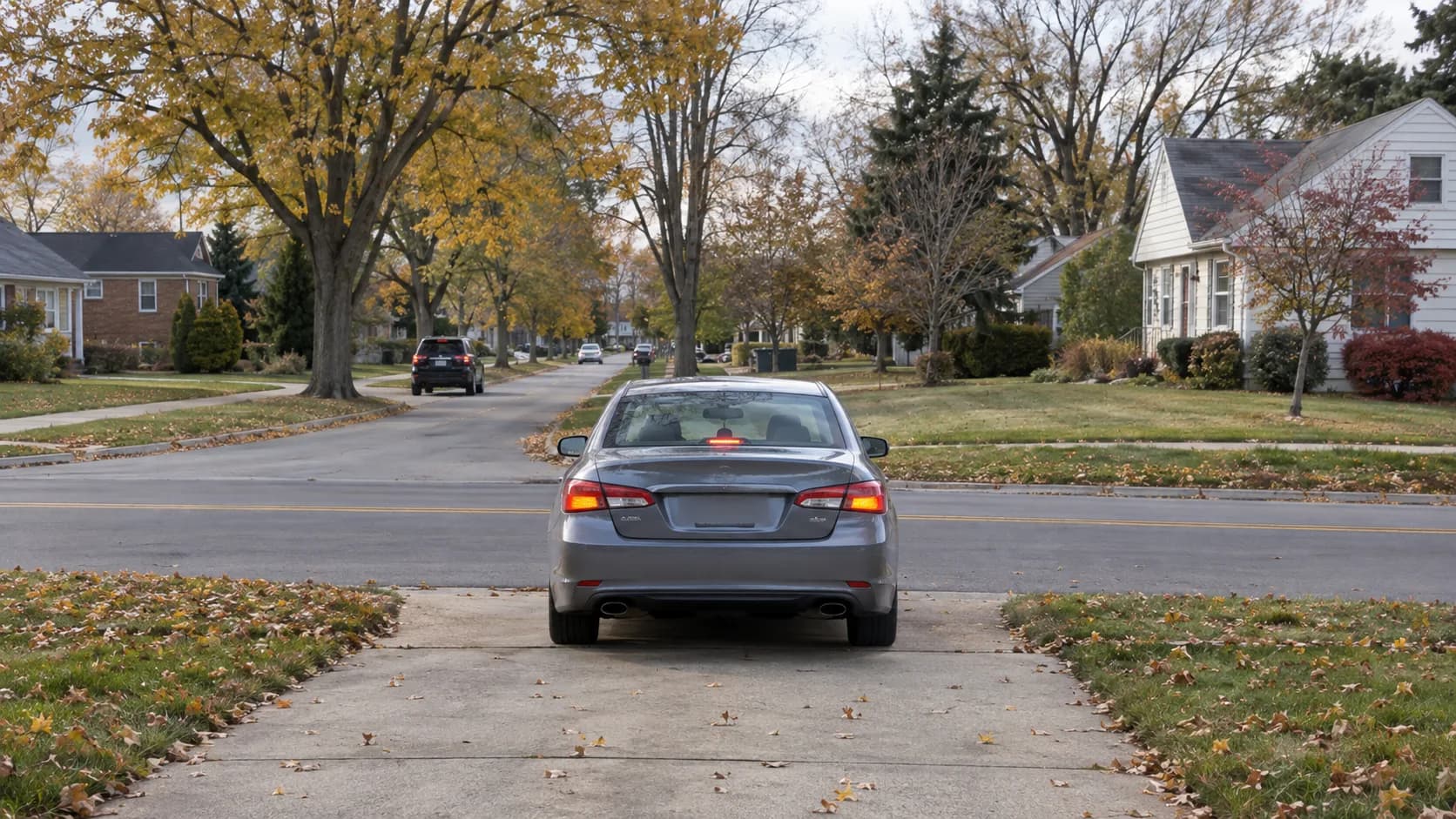

This article walks through the four soft tissue injuries that most often follow a Fort Wayne crash, the symptoms that take days to show, and the documentation that turns a doubted claim into one the carrier has to pay.
Why Soft Tissue Injuries Hide and Then Hurt

Soft tissue means anything in your body that is not bone: muscles, tendons, ligaments, fascia, and the connective tissue holding everything in place. In a crash, the body decelerates inside a vehicle that has already stopped, which means muscles and ligaments take a sudden load they were never built for. The damage is microscopic at first. Adrenaline and cortisol flood your system at the scene and suppress pain signaling for hours. You can be torn up internally and feel mostly fine while you exchange insurance information with the other driver.
The pain almost always arrives later. Stiffness sets in overnight. Range of motion shrinks the next morning. By day three, swelling and bruising become visible. By day seven, the injury is interfering with sleep, driving, and work. Insurance carriers use this delay against claimants. If your first medical visit is more than a few days after the crash, the adjuster will argue you must have been hurt doing something else. That is why a fast, documented trip to an urgent care or your primary doctor is the most valuable thing you can do in the first forty-eight hours.
Symptoms That Should Send You to a Doctor
You do not need to have a confirmed diagnosis to seek care. You need a medical record that starts the day after the crash. If you have any of the following in the first week after a Fort Wayne or Allen County crash, get seen:
- Neck pain, stiffness, or limited rotation when checking a blind spot.
- Lower back pain that worsens when you sit or rise from a chair.
- Swelling, bruising, or skin discoloration anywhere a seatbelt or airbag struck you.
- Headaches that started after the crash, especially with light sensitivity.
- Pain when reaching overhead, lifting groceries, or turning a steering wheel.
- Numbness, tingling, or shooting pain down an arm or leg.
- Difficulty concentrating, short-term memory gaps, or trouble finding words.
- Sleep disruption caused by pain in a specific area.
Tell the provider the symptoms started after the crash. Ask them to note that in the chart. That single line in the medical record carries more weight than any later statement you can give to an adjuster.
The Four Soft Tissue Injuries You Are Most Likely to See
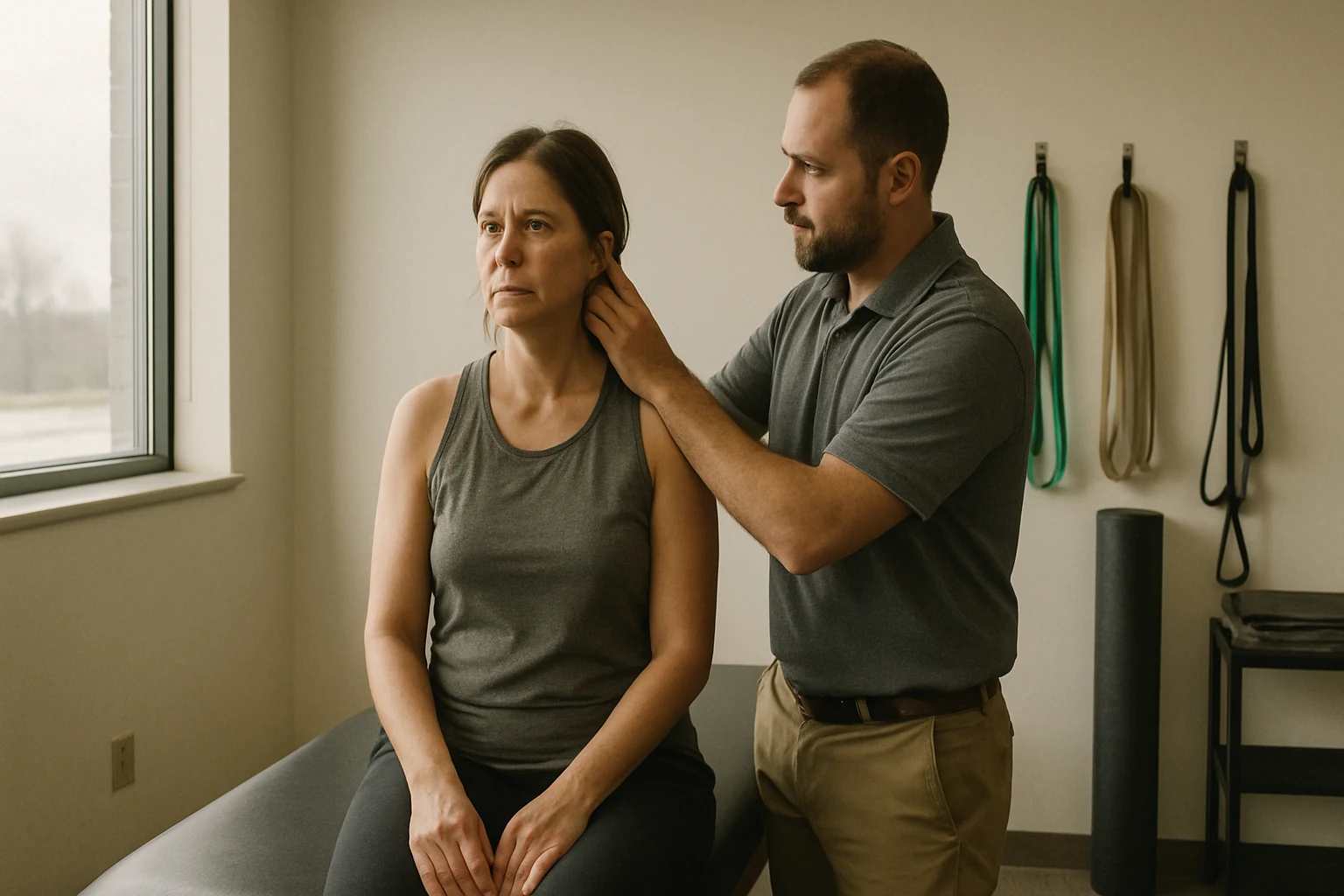
1. Strains (muscle and tendon damage)
A strain is what happens when a muscle or the tendon connecting it to bone is stretched past its limit or partially torn. In car crashes, strains typically show up in the lower back, the shoulders, the hamstrings, and the muscles along the spine. You will feel cramping, weakness, muscle spasm, and pain when you try to use the muscle under load. Mild strains heal in two to four weeks. Moderate to severe strains can take three months and may require physical therapy, anti-inflammatories, and sometimes injections.
The diagnostic record matters here. Imaging often looks clean because muscle damage does not show on a basic X-ray. A treating doctor's clinical exam and a documented course of physical therapy is usually the evidence that supports a strain claim.
2. Sprains (ligament damage)
Ligaments connect bone to bone. A sprain stretches or tears those bands of connective tissue. In a crash, your wrists (gripping the wheel), your knees (bracing on the floorboard), and your ankles (planted on a pedal at impact) are the joints most often sprained. Sprains are graded one through three: grade one is mild stretching with no instability, grade two is partial tearing with some looseness, and grade three is a full tear that often requires bracing, immobilization, or surgical repair.
Sprains heal slower than strains. Ligaments have poor blood supply. A grade-two ankle sprain after a Fort Wayne crash can keep a roofer or a warehouse worker off the job for six weeks, which makes the wage-loss component of the claim substantial.
3. Contusions (deep bruising)
A contusion is bruising of the muscle or connective tissue under the skin. The skin itself stays intact. Blood from ruptured capillaries pools in the tissue, which is why the area turns purple, blue, then yellow over a week to ten days. In crashes, the most common contusion sites are across the chest (seatbelt), thigh and hip (steering column or door panel), and forearms (airbag deployment). Most contusions resolve on their own. Deep contusions in the thigh or hip can cause myositis ossificans, a condition where bone-like tissue grows in the muscle and requires specialized treatment.
4. Whiplash (cervical strain/sprain)
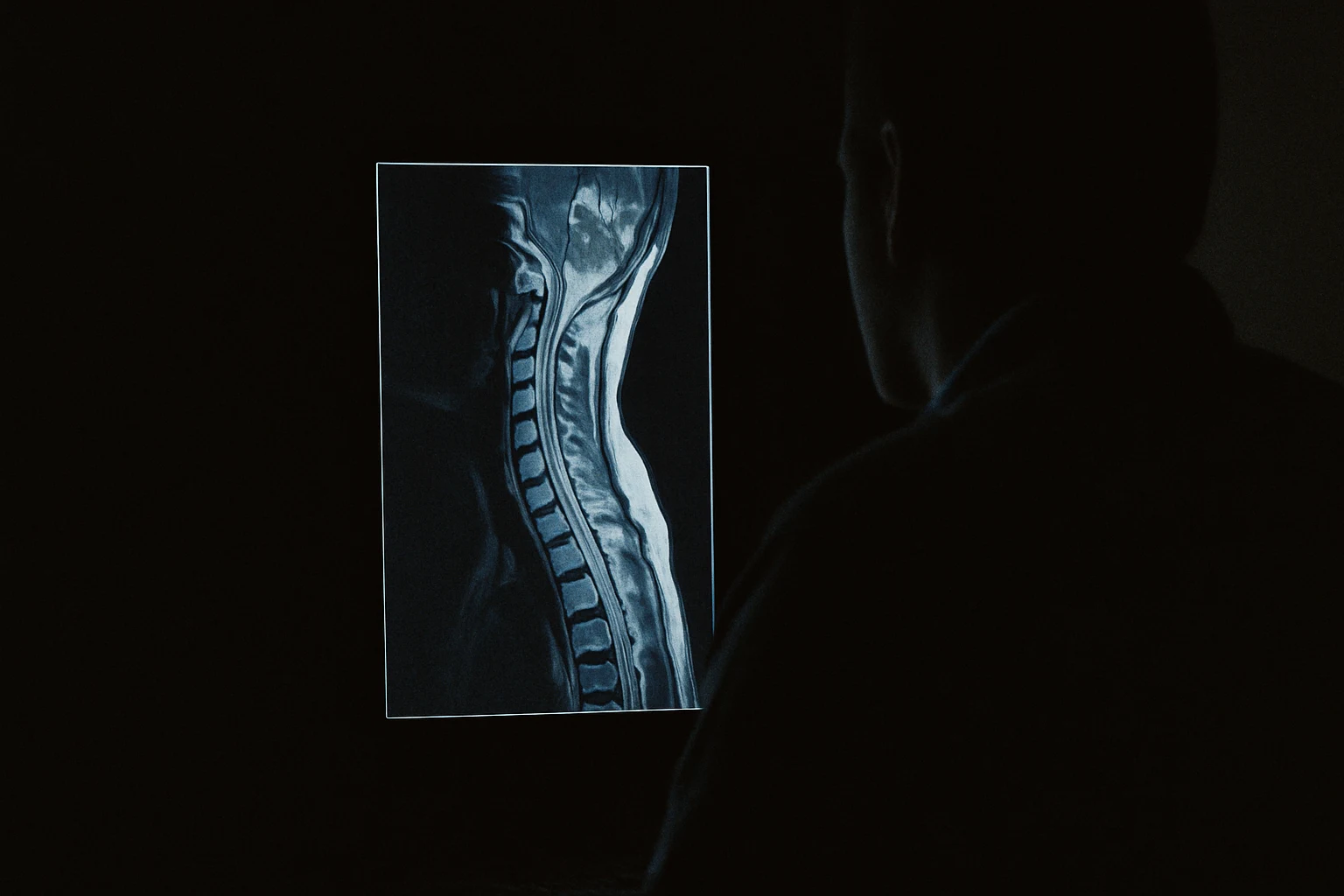
Whiplash is the rapid forward-and-back snap of the head that happens in any rear-end crash, even one at five or ten miles an hour. The cervical spine and the muscles supporting it absorb forces they were never built for. Symptoms include neck pain, stiffness, headaches starting at the base of the skull, dizziness, jaw pain, and shoulder pain. About forty percent of whiplash cases resolve in three months. A meaningful minority become chronic, lasting a year or more and sometimes leading to permanent loss of cervical range of motion.
Whiplash is the most disputed soft tissue diagnosis in personal-injury litigation because it does not show on standard imaging. Defense lawyers and adjusters know this. The way to make a whiplash claim solid is consistent treatment, an honest pain journal, and a treating physician willing to put a clear prognosis on paper.
Why Adjusters Discount Soft Tissue Claims

Insurance carriers train adjusters to assign every claim a software-driven value. The programs (Colossus is the best known) weight injuries by whether they appear on objective imaging. A broken bone scores high. A herniated disc with surgical recommendation scores high. A soft tissue strain with a clinical exam and a course of physical therapy scores low.
Carriers also lean on three arguments to discount soft tissue claims. First: low property damage. If the bumper is barely scratched, they will argue the human inside cannot be hurt. The biomechanics literature does not actually support this, but adjusters use it anyway. Second: gap in treatment. If you waited four days to see a doctor, or stopped therapy for two weeks during the holidays, they will argue the injury must have resolved. Third: pre-existing conditions. If you had any documented neck or back pain in the prior decade, they will argue the crash did not cause your current pain.
The responses to each are documentary. Treat consistently. Keep an honest log. Get a treating physician to state in writing whether the crash caused or aggravated the injury. The case becomes much harder to discount when the medical record speaks for itself.
What Soft Tissue Damages Can Be Recovered in Indiana

Indiana follows modified comparative fault under IC § 34-51-2-6[2]. If you are fifty percent or less at fault for the crash, you can recover damages, reduced by your share of fault. If you are fifty-one percent or more at fault, you recover nothing. For most soft tissue claims, recoverable damages include: You can use our Indiana car accident settlement calculator to organize the factors that may affect a claim’s value; it is an educational tool, not a promise of any result.
- Past and future medical expenses: ER, urgent care, primary, orthopedic, physical therapy, chiropractic, imaging, prescriptions, injections.
- Lost wages and reduced earning capacity: time missed from work, light duty, and any long-term limit on what you can do for a living.
- Pain and suffering: the non-economic component, supported by the medical record and the journal.
- Loss of consortium: a spousal claim where the injury changes the relationship.
- Property damage: vehicle repair, rental, diminished value, with its own two-year limit under IC § 34-11-2-7[3].
Some Fort Wayne claimants also have access to medical-payments coverage on their own auto policy. That coverage pays out regardless of fault and is often the fastest way to get bills paid while the liability claim is being negotiated.
How Delventhal Law Office Builds a Soft Tissue Case
The difference between a discounted soft tissue claim and one that pays fair value is preparation. Most adjusters know within the first phone call whether the claimant has documentation or whether they are guessing about their own medical history. The firm's job is to make the first call from a position of evidence.
That starts with making sure clients get to consistent treatment in the first thirty days, even when they feel mostly fine. It continues with collecting every clinical note, imaging report, prescription, and therapy log before the demand letter goes out. It means working with treating doctors to get a clear written statement about causation. And it means, when an adjuster lowballs a sprain or a whiplash claim because it does not show on an X-ray, filing suit and letting an Allen County jury hear from the doctor in person.
Every case is handled by Chad directly, not handed to a paralegal funnel. Hundreds of Fort Wayne, Allen County, DeKalb, Whitley, and Adams County injury claims. One direct line to your attorney.

FAQs About Soft Tissue Injury Claims in Indiana
How long do I have to file a soft tissue injury claim in Indiana?
Two years from the date of the crash under IC § 34-11-2-4[1]. The window is the same whether the injury showed at the scene or two weeks later. If a government vehicle was involved, a much shorter notice deadline applies (180 days for a city, 270 days for the state) under the Indiana Tort Claims Act.
Can I get paid for whiplash if the MRI looks normal?
Yes. Whiplash is a clinical diagnosis. Indiana law allows recovery on soft tissue injuries that do not show on imaging, provided the medical record, treating physician's opinion, and your own treatment history support the claim. The carrier may dispute value; the carrier cannot deny that whiplash is a real injury.
Should I see a doctor even if I think I am fine?
Yes. Soft tissue symptoms typically appear hours to days after a crash. A medical visit in the first forty-eight hours creates a record that ties any later symptoms to the crash. Waiting a week or more gives the insurance carrier a gap they will use to argue the injury was not caused by the collision.
What if I had prior neck or back pain?
Indiana follows the eggshell-plaintiff rule. The defendant takes you as they find you. If a crash worsens a pre-existing condition, the aggravation is compensable. You will need a treating physician to draw a clear line between your prior baseline and your post-crash condition, which is why early imaging and clinical notes matter.
How long does a soft tissue claim take to settle?
Most claims settle six to twelve months after maximum medical improvement, which itself usually arrives three to nine months after the crash. Total timeline: nine months to two years for a serious soft tissue claim that does not require trial. Claims involving government defendants or disputed liability take longer.
Talk to a Fort Wayne Soft Tissue Injury Attorney
Soft tissue claims are won and lost in the first sixty days. Treatment, documentation, and the right pressure on the carrier early on are the difference between a quick lowball offer and full value. If you were hurt in a crash in Allen, DeKalb, Whitley, Adams, Wells, Huntington, or Noble County, talk to Delventhal Law Office before the carrier locks you into their valuation. The consultation is free and you talk to Chad directly. Call (260) 484-6655 or contact us online to schedule a free case evaluation.
Talk to a Fort Wayne car accident attorney. If you were hurt in a Fort Wayne or Allen County crash, talk to our Fort Wayne car accident attorneys about your case before you talk to the insurance company.