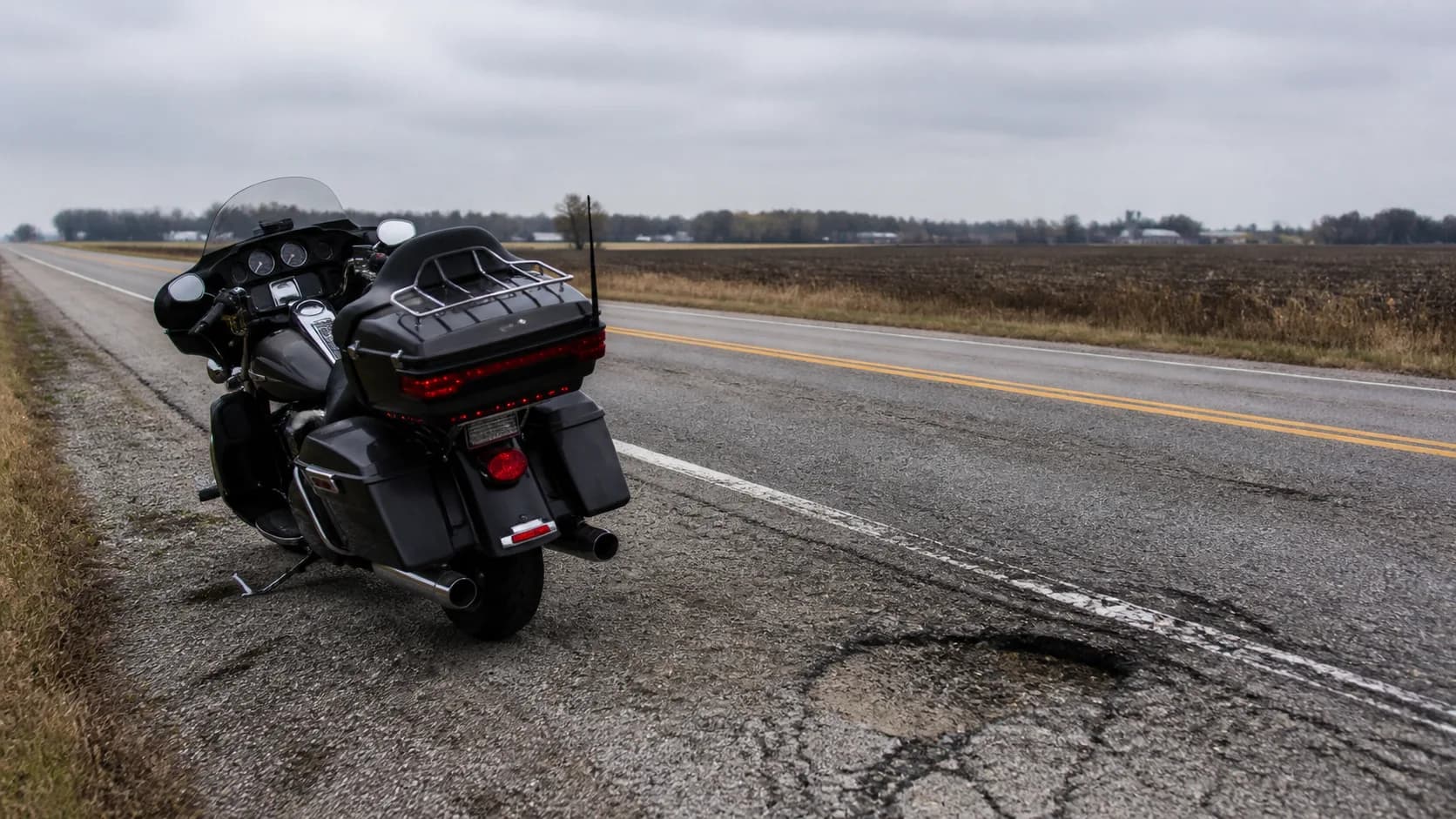
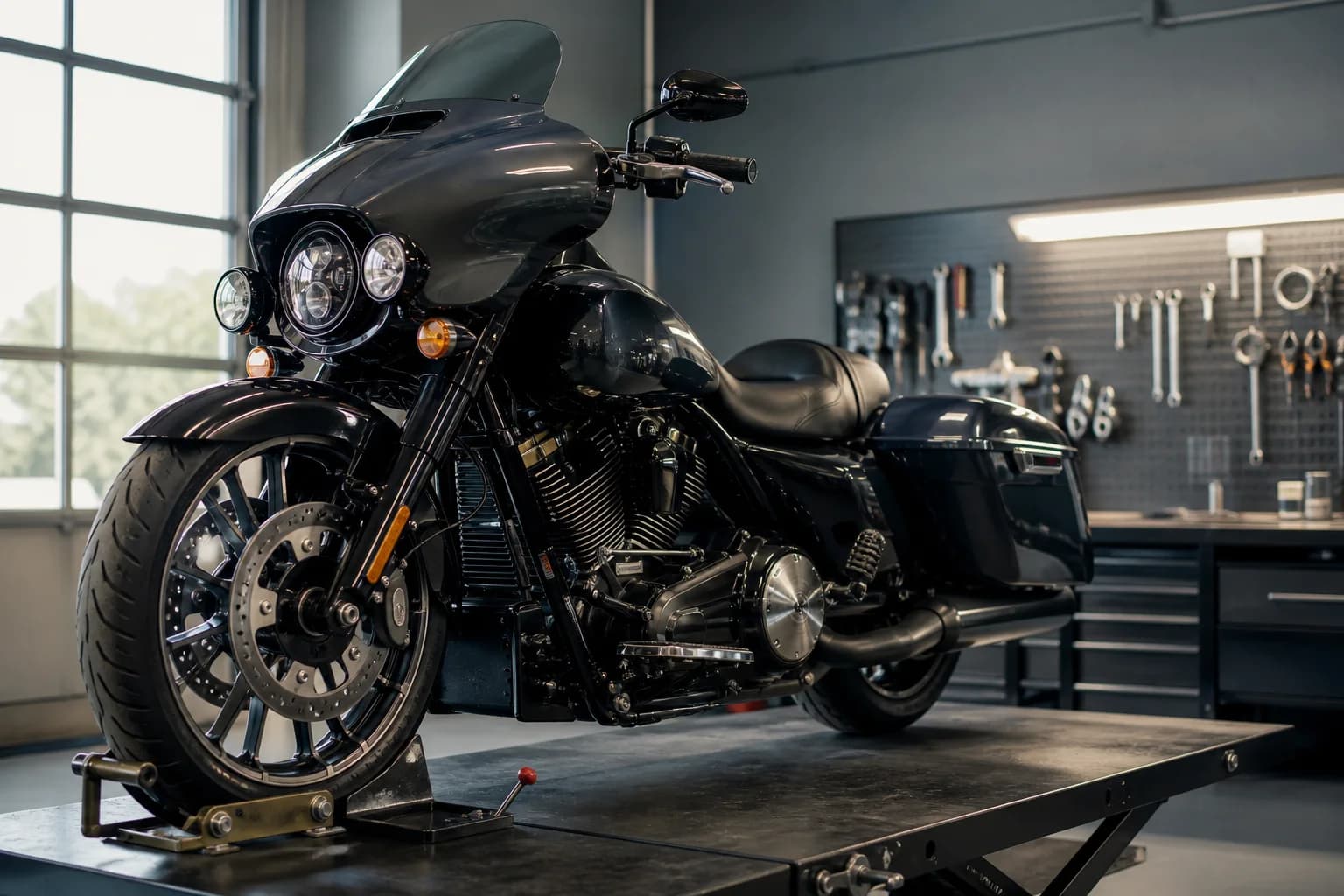
A brake that suddenly feels different after service, a tire installed shortly before a wobble, or a chain failure can leave a rider with urgent questions. The useful first step is not choosing whom to blame. It is protecting the motorcycle and records so qualified investigators can test a defect, a repair error, rider input, impact damage, maintenance, and road conditions against the same evidence. For broader claim context, see our Indiana motorcycle accident lawyer guide.
Key takeaways
- Preserve before repair. Ask the tow yard, insurer, and shop in writing not to repair, dismantle, release, salvage, or dispose of the motorcycle or removed parts.
- Test competing explanations. A sound investigation asks whether a component failed before impact, broke during impact, was incorrectly serviced, wore out, or was affected by rider input or the roadway.
- Keep the paper trail. Repair orders, estimates, technician notes, parts invoices, recall-remedy records, photographs, and communications can establish what was requested, performed, and returned to the rider.
- Recall status is a lead, not a verdict. Search the VIN and the year/make/model, then compare any campaign or complaint with the actual component and failure sequence.
- Indiana time limits can overlap. Product-liability timing has a special limitation and repose structure; other injury or property claims may involve a general two-year period. Prompt case-specific review matters.
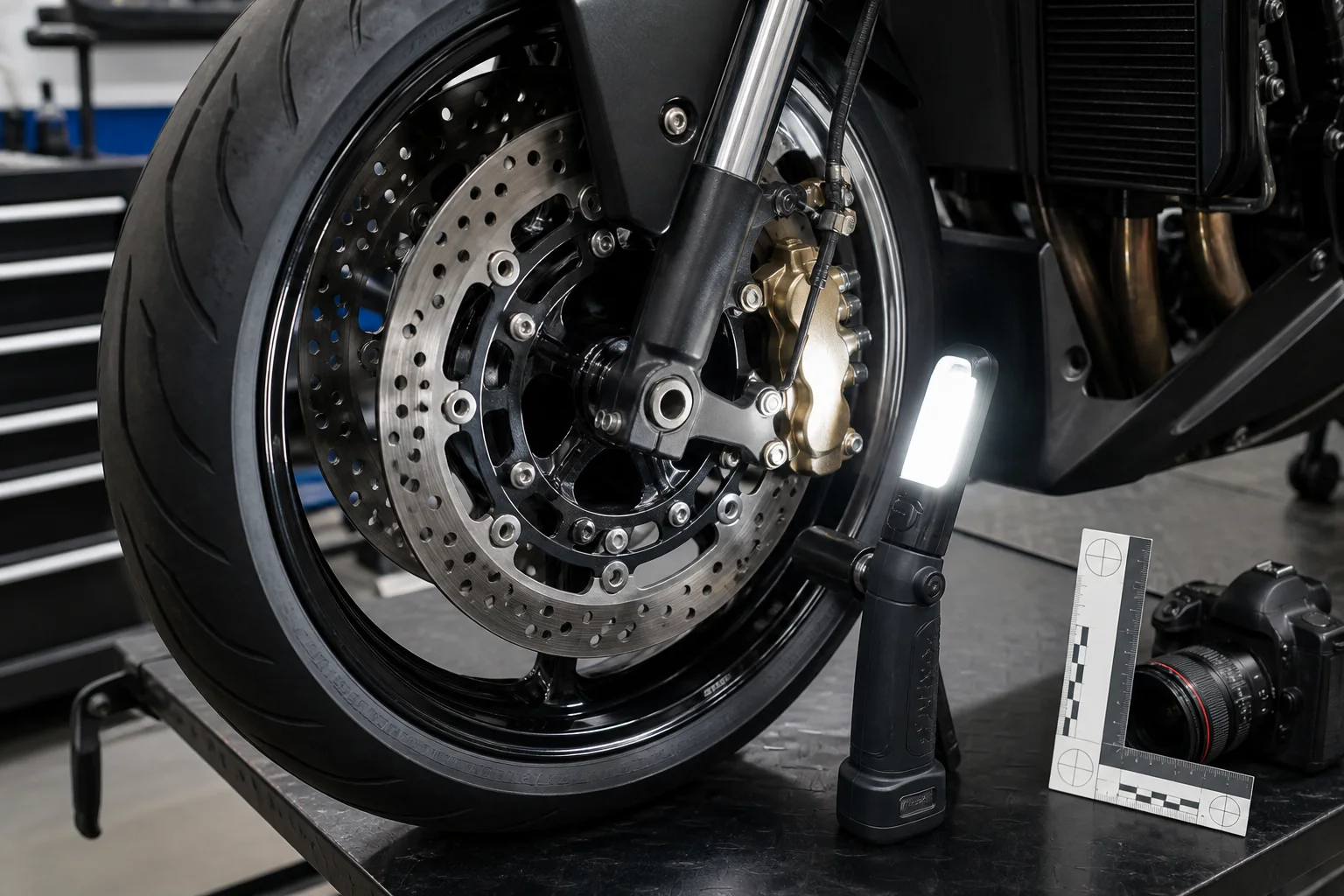
Separate a product question from a repair question
A product investigation may ask whether the motorcycle or a replacement component was defective when supplied. Indiana’s Product Liability Act defines a product-liability action broadly when it is brought against a manufacturer or seller for physical harm caused by a product, regardless of the substantive theory asserted. IC 34-20-1-1[1].
A repair investigation asks a different set of factual questions: what the customer reported, what work the shop agreed to perform, what inspections or measurements were documented, which parts were installed, and whether the work was connected to the failure. Recent service does not make a dealer or repair shop automatically liable. Timing creates a reason to investigate, not a legal conclusion.
Several causes can coexist. A worn component, an installation problem, a later impact, another driver, and a roadway condition may all need examination. Our focused guides explain how road hazards can contribute to Indiana motorcycle crashes and how motorcycle bias can distract from objective evidence, without turning either issue into an assumed cause.
A cause, party, evidence, and alternatives table
Use this as an investigation map, not a diagnosis. The potentially relevant party column identifies whose records or conduct may need review; it does not assign liability.
| Suspected cause | Potentially relevant party | Records or physical evidence | Competing explanation to test |
|---|---|---|---|
| Loss of braking or brake drag | Component maker, motorcycle manufacturer, dealer, or recent servicer | Intact calipers, lines, fluid, pads, rotors, fasteners; repair order; parts lot and packaging; pre-crash symptoms | Impact damage, ordinary wear, contamination after the crash, rider input, or unrelated traction loss |
| Tire deflation, separation, or incorrect fitment | Tire maker, distributor, seller, installer, or service shop | Tire and rim, DOT tire code, valve and stem, pressure/service entries, mounting invoice, mileage, scene marks | Road debris, pothole impact, post-crash puncture, underinflation, overload, age, or rim damage |
| Chain, belt, or sprocket event | Part maker, motorcycle manufacturer, seller, assembler, or servicer | All recovered pieces, adjustment measurements, alignment, guards, fasteners, service interval and mileage records | Crash loading, debris intrusion, wear, modification, maintenance history, or a downstream break after impact |
| Steering, suspension, or wheel instability | Manufacturer, parts supplier, dealer, assembler, or alignment/suspension shop | Bearings, forks, clamps, axle, wheel, fastener witness marks, geometry, prior damage and modification records | Road seam, speed, load distribution, tire condition, rider correction, or collision contact |
| Throttle, fuel, or electrical interruption | Manufacturer, component supplier, dealer, or repair shop | Controls, cables, connectors, modules, diagnostic data, fault codes, recall/technical communications, service history | Post-impact disconnection, battery damage, rider input, fuel condition, modification, or an unrelated system fault |
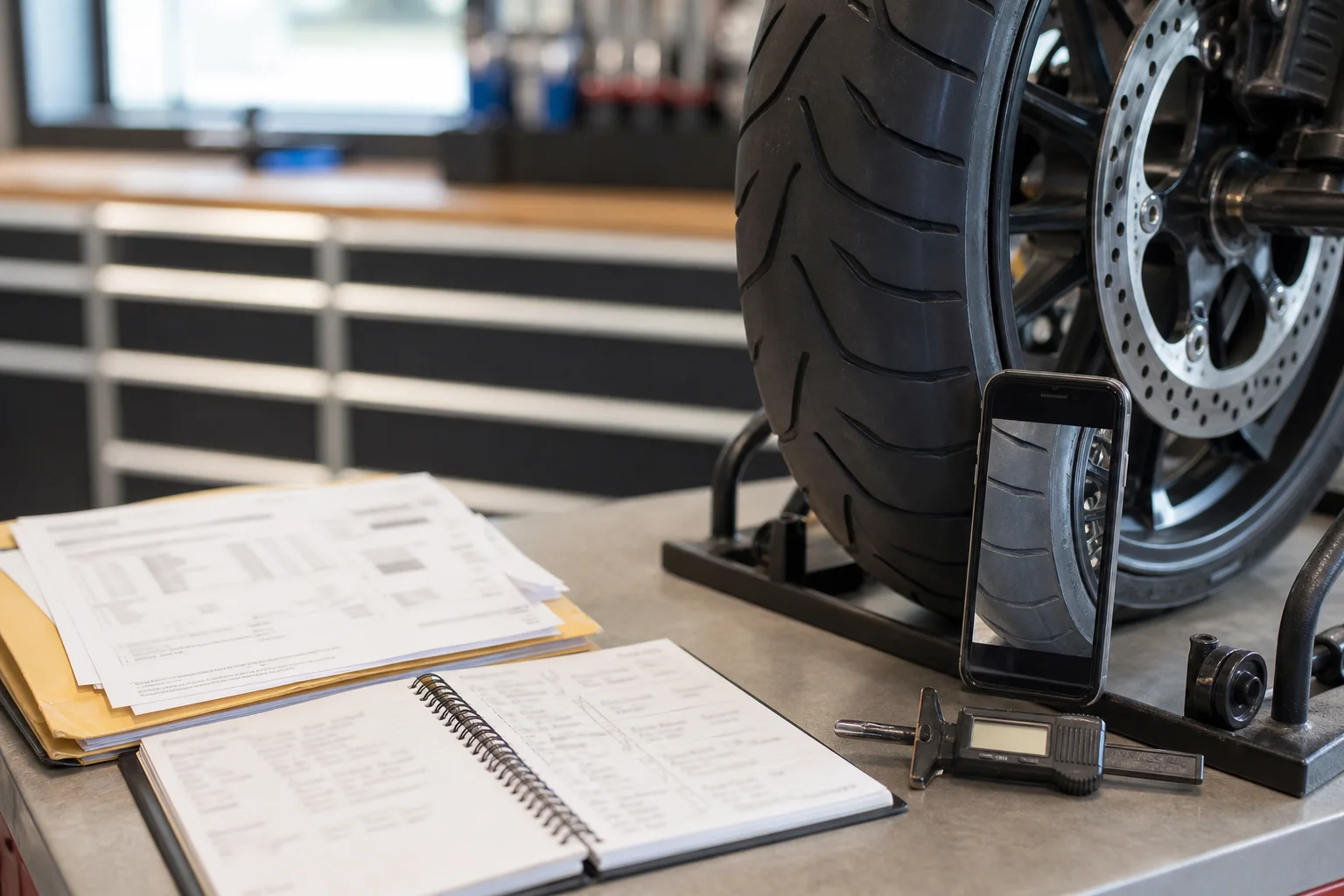
A concrete evidence-preservation workflow
- Locate the motorcycle and every loose part. Record the tow yard, storage address, stock number, contact person, and who currently controls release. Keep helmets, riding gear, keys, accessories, and parts recovered from the scene.
- Send clear written hold instructions. Ask the custodian, carrier, dealer, and any shop not to repair, wash, start, power, test-ride, dismantle, alter, salvage, auction, release, or destroy the motorcycle or parts without written agreement. Preserve the sent message and response.
- Stop avoidable movement. Arrange secure indoor storage when feasible. If a move is necessary, photograph all sides before and after, identify the transporter, and log pickup and delivery.
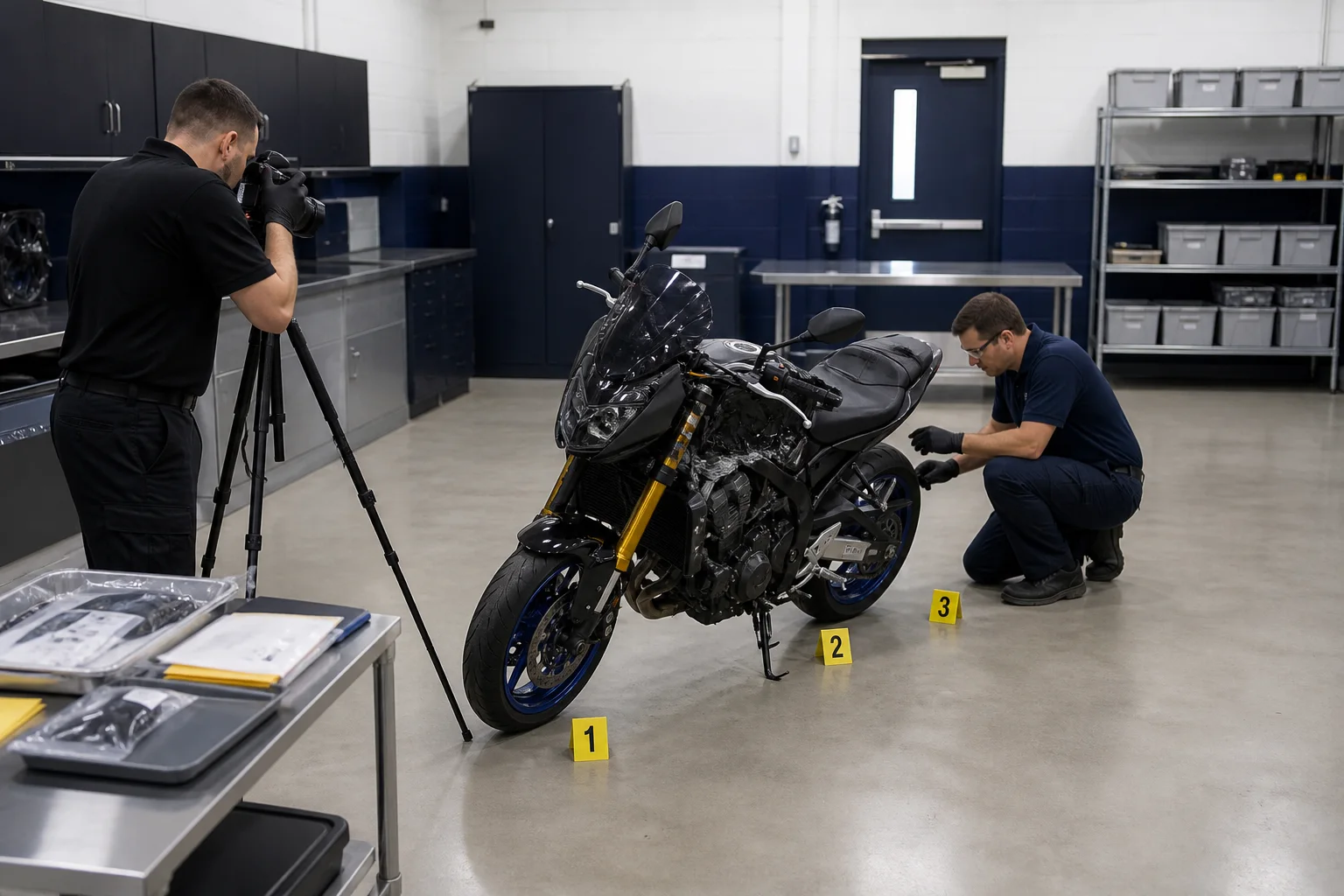
- Capture condition without diagnosing. Take overall and close photographs of the motorcycle, VIN, odometer, tires and identifying codes, controls, leaks, broken parts, fasteners, and storage setting. Do not operate controls, remove parts, drain fluids, or clean surfaces.
- Collect records in original form. Save complete repair orders, estimates, invoices, technician notes, inspection sheets, parts packaging, warranty claims, recall letters, texts, emails, photographs, crash reports, towing papers, and purchase/ownership records.
- Build a dated symptom-and-custody timeline. Note what the rider experienced before and during the event in the rider’s own words, prior complaints, service dates, mileage, each person who handled the motorcycle, and each location. Do not guess at the mechanical cause.
- Coordinate an inspection. A qualified expert can plan a visual and non-destructive examination first, document protocols, and decide whether later testing is justified. Give other affected parties reasonable notice when appropriate so the process can be observed and documented.
Storage charges and disposal pressure can move quickly. The firm’s guide to towing and storage evidence after an Indiana crash explains practical custody questions that apply to a motorcycle too.
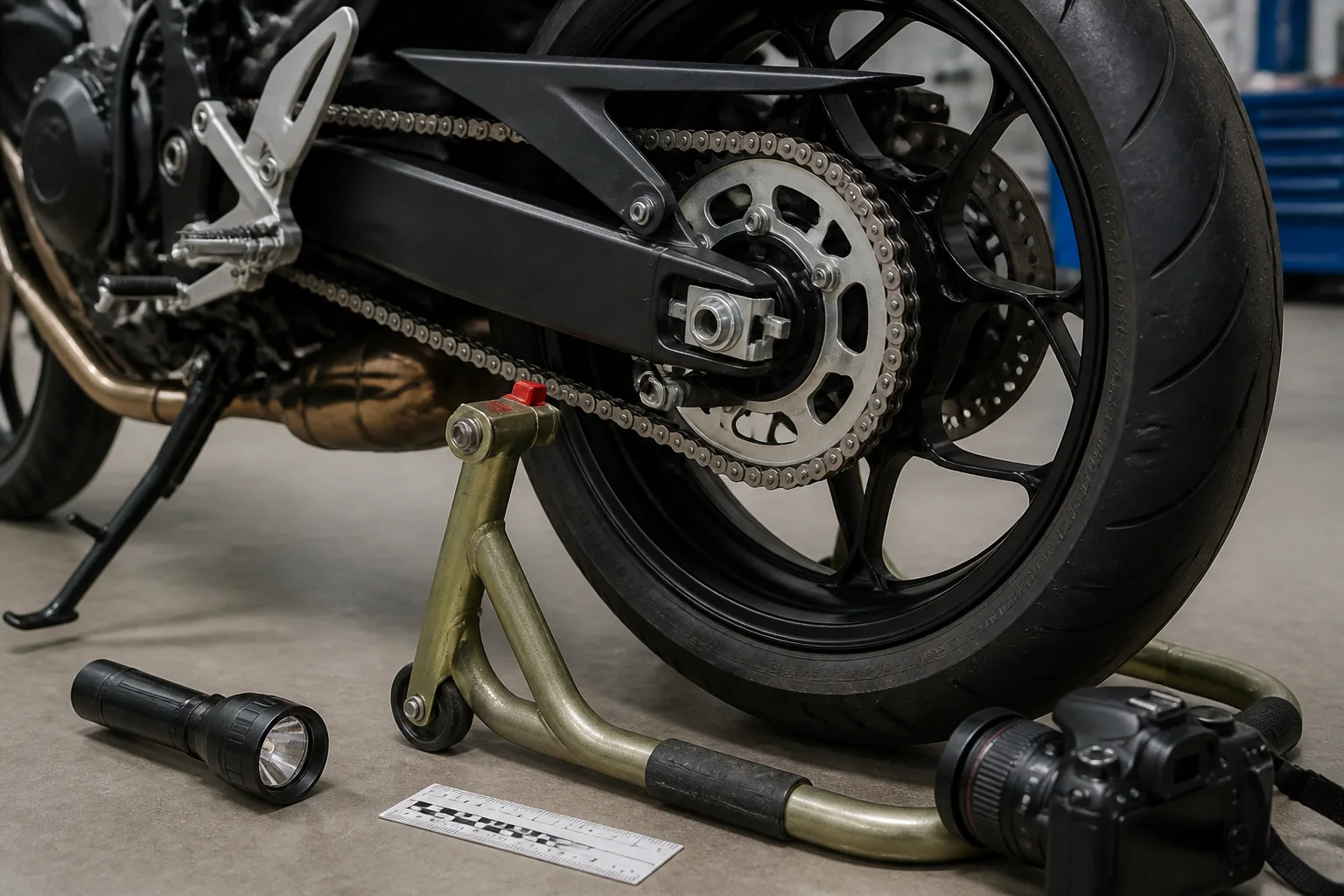
Questions the repair order should answer
The invoice total rarely tells the whole story. Ask for the complete customer and shop copy, including attachments, and organize it around these questions:
- What symptom or work did the rider request, in the words recorded at intake?
- What inspection, diagnostic procedure, measurement, test, or road test was authorized and actually documented?
- Which technician performed each task, on what date, at what mileage?
- What part number, brand, lot or serial information, quantity, and supplier appear on the parts record?
- Were torque, pressure, clearance, alignment, fluid, adjustment, software, or quality-control values recorded?
- Were any recommended repairs declined, deferred, or marked unable to duplicate—and is the underlying note available?
- Was a warranty or recall operation claimed, and what campaign code and completion record support it?
- Were removed parts returned, retained, photographed, sent to a supplier, or discarded?
- Did the motorcycle return for the same symptom, and what did later notes say?
Do not write conclusions onto original documents. Keep originals unchanged and make a separate index of missing pages, unexplained abbreviations, and follow-up questions.
Recall, complaint, and causation are different questions
Start with NHTSA’s VIN recall lookup[2], then search the motorcycle’s year, make, and model, tires, and other equipment. A VIN result identifies certain unrepaired recalls, but NHTSA says it does not show completed recalls, some newly announced campaigns before all VINs are identified, safety recalls more than 15 years old except where a manufacturer offers more coverage, some small-manufacturer recalls, or non-safety campaigns.
Next, use NHTSA’s recall and investigation search[3] and its investigation, complaint, and manufacturer-communication resources[4]. A complaint is a reported problem; an investigation is agency review; a recall reflects a manufacturer or NHTSA safety determination. None, standing alone, establishes that the identified condition existed on this motorcycle and caused this crash.
The causation check: Compare the campaign’s affected VINs, component, production or part dates, described failure mode, prior remedy history, and warnings with the intact physical evidence and crash sequence. A matching recall can guide inspection. A nonmatching recall—or no recall—does not end the inquiry.
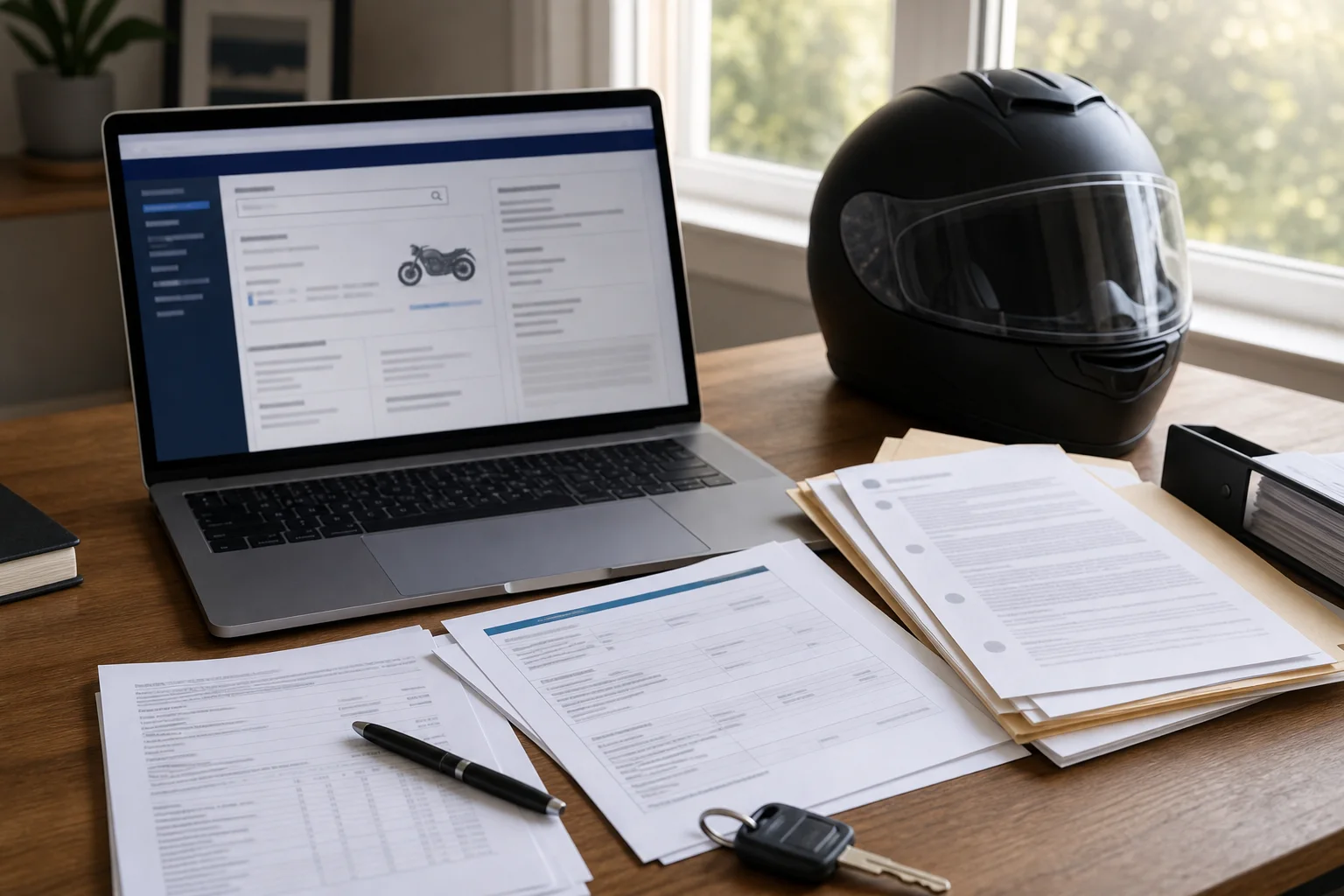
Secure custody and a fair inspection
A useful custody log states the date and time, location, person releasing and receiving the motorcycle or part, reason for access, condition before and after, and photographs or seals used. Preserve removed pieces in labeled containers appropriate to the material; do not mix fragments from different locations. The goal is to let an examiner trace what was inspected back to the crash motorcycle.
An initial inspection can document condition before anyone changes it: overall photography, identifiers, visible damage, fluid condition and locations, fastener positions and witness marks, tire and wheel condition, electronic data availability, and which later tests may alter evidence. Destructive testing—cutting, disassembly that changes settings, fluid removal, powered testing, or consuming a sample—should occur only under a planned, documented protocol with qualified professionals and appropriate notice. Readers should not diagnose, start, ride, or dismantle the motorcycle themselves.
How Indiana product and fault rules frame the investigation
For a statutory product claim, IC 34-20-2-1[5] addresses a product in a defective condition unreasonably dangerous to an expected user or consumer, sold by a person in the business of selling it, and reaching the user or consumer without substantial alteration. Those elements are why condition at sale, later changes, maintenance, and the actual failure sequence matter.
The Act also treats strict-liability seller status narrowly. IC 34-20-2-3[6] says a strict-liability product action may not be brought against a seller unless that seller is a manufacturer of the product or the allegedly defective part. IC 34-20-2-4[7] separately addresses the situation in which a court cannot hold jurisdiction over the particular manufacturer: the manufacturer’s principal distributor or seller over whom the court can hold jurisdiction is then considered the manufacturer for that chapter. A dealer, distributor, parts seller, or repair shop is therefore not automatically liable merely because it handled the motorcycle or part.
Indiana comparative-fault rules may also affect a negligence claim. IC 34-51-2-5[8] says contributory fault chargeable to the claimant proportionately reduces compensatory damages attributable to that fault and does not bar recovery except as provided in the next section. IC 34-51-2-6[9] bars recovery when claimant fault is greater than the fault of all persons whose fault proximately contributed. The applicable framework and allocation depend on the claims, parties, and facts; evidence should be preserved before accepting a fault percentage.
This is a narrower investigation than the broader issues covered in our overview of motorcycle accidents in Indiana and our guide to Indiana motorcycle equipment laws after a crash.
Indiana timing rules require care
Product-liability timing is not captured by a simple “two years from the crash” slogan. IC 34-20-3-1[10] states a two-year period after accrual and a general ten-year period after delivery to the initial user or consumer. It also contains a statutory exception for a cause of action that accrues at least eight but less than ten years after initial delivery, allowing commencement within two years after accrual.
For actions for injury to person or character and injury to personal property, IC 34-11-2-4[11] states a general two-year period after accrual. Which provision applies, when a claim accrued, the initial-delivery date, and whether another rule changes the analysis require the facts and claim theory. A recall date or repair date should not be substituted for individualized deadline review.
Consultation packet checklist
- Motorcycle year, make, model, VIN, purchase date, current mileage, and modification list.
- Current location, custodian, storage or claim number, release status, and written preservation requests.
- Crash report or incident number; scene, motorcycle, component, and gear photographs; witness and video information.
- A short timeline covering symptoms, service, crash, towing, access, moves, and communications—separating what was observed from what is suspected.
- Complete maintenance and repair file, including both sides of orders, technician notes, estimates, parts invoices, warranty/recall records, and declined-work entries.
- NHTSA VIN result, year/make/model search results, relevant campaign or investigation numbers, and the date each search was run.
- Title, registration, insurance policies, insurer letters, towing/storage documents, and any salvage or inspection deadline.
- Medical-provider list, bills, wage records, and other loss documents if injuries are part of the matter.
- A list of missing motorcycle parts or records and everyone known to have handled them.
Frequently asked questions
Does a recall prove a defective part caused my crash?
No. A recall can identify an affected product and a known safety condition, but causation still requires a match between the motorcycle or part, the described condition, the physical evidence, and the crash sequence.
Does “0 unrepaired recalls” rule out a defect?
No. NHTSA describes limits to its VIN result, including completed and certain recent or older recalls. A defect allegation can also involve a condition not covered by a recall. Preserve the evidence and investigate the specific failure.
Is a repair shop liable because the crash happened soon after service?
Not automatically. The timing may justify review of the complaint, work performed, parts, measurements, technician notes, motorcycle condition, and competing causes. Liability depends on the evidence and applicable law.
Should I let an insurer inspect or move the motorcycle?
An inspection may be appropriate, but first clarify custody, scope, notice, documentation, whether testing will alter evidence, and what happens afterward. Do not authorize repair, disposal, or destructive testing without understanding the effect on the investigation.
What should I avoid doing to the motorcycle?
Do not start, ride, wash, repair, dismantle, adjust, drain, power, or discard it or its parts. Photograph and secure it, preserve records, and let qualified professionals plan any testing.
A calm next step
If you were hurt and suspect a defective motorcycle part or negligent repair, a private free case evaluation can help identify preservation steps, records to request, deadlines to examine, and whether a qualified inspection makes sense. Delventhal Law Office can review the information without assuming a manufacturer, seller, dealer, or shop is responsible.
This article provides general information about Indiana law, not legal advice. Reading it does not create an attorney-client relationship, and neither does contacting us. If you do contact us about a possible claim, Indiana Rule of Professional Conduct 1.18 requires us to keep what you tell us confidential whether or not we take the case — but please do not send documents or detailed facts until we have agreed in writing to represent you. Laws and deadlines may change or apply differently to particular facts. Do not send confidential or sensitive information through a public channel.
Sources
- IC 34-20-1-1 (iga.in.gov) ↩
- VIN recall lookup (nhtsa.gov) ↩
- recall and investigation search (nhtsa.gov) ↩
- investigation, complaint, and manufacturer-communication resources (nhtsa.gov) ↩
- IC 34-20-2-1 (iga.in.gov) ↩
- IC 34-20-2-3 (iga.in.gov) ↩
- IC 34-20-2-4 (iga.in.gov) ↩
- IC 34-51-2-5 (iga.in.gov) ↩
- IC 34-51-2-6 (iga.in.gov) ↩
- IC 34-20-3-1 (iga.in.gov) ↩
- IC 34-11-2-4 (iga.in.gov) ↩