A driver died in a head-on collision with a fuel tanker truck on State Road 57 in rural Daviess County. The Daviess County Sheriff's Office reportedly said the SUV crossed the centerline into the truck's lane. This article does not suggest that anyone has a claim or that the truck driver did anything wrong.
What happened on State Road 57
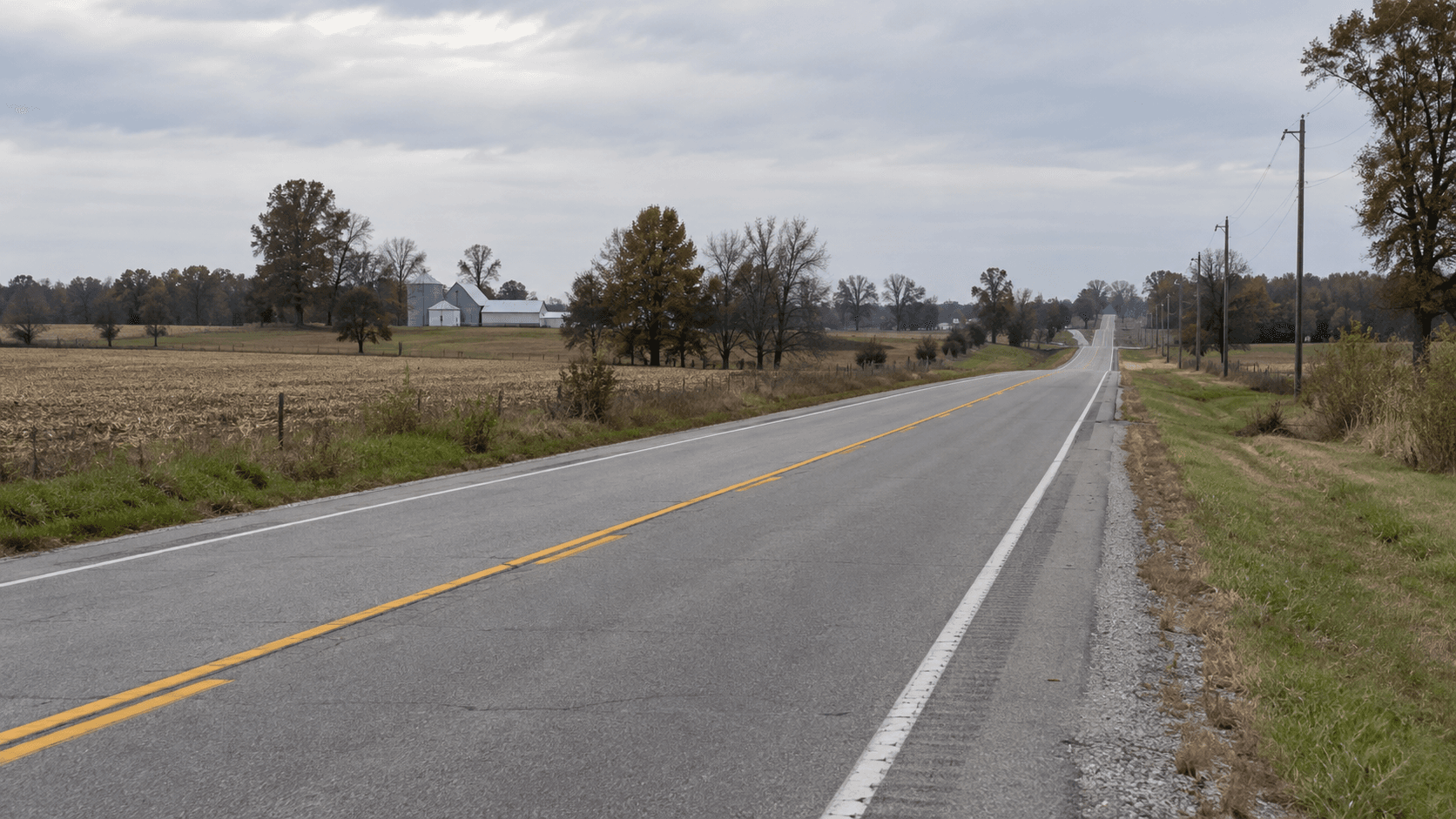
According to WTHI-10's report[1], the crash happened at about 7:20 a.m. on Monday, September 28, 2026, near Bethany Christian Church. The report says a Nissan Pathfinder crossed the centerline and struck a fuel truck head-on.
WWBL reported[2] that the SUV driver, a 60-year-old woman from Linton in Greene County, was pronounced dead at the scene. The fuel-truck driver was not injured. No fuel spill was reported.
The crash remains under investigation by the Daviess County Sheriff's Office. No citation has been reported, and officials have not stated why the SUV crossed the centerline. The public reporting does not describe the weather, road conditions, visibility, or speed.
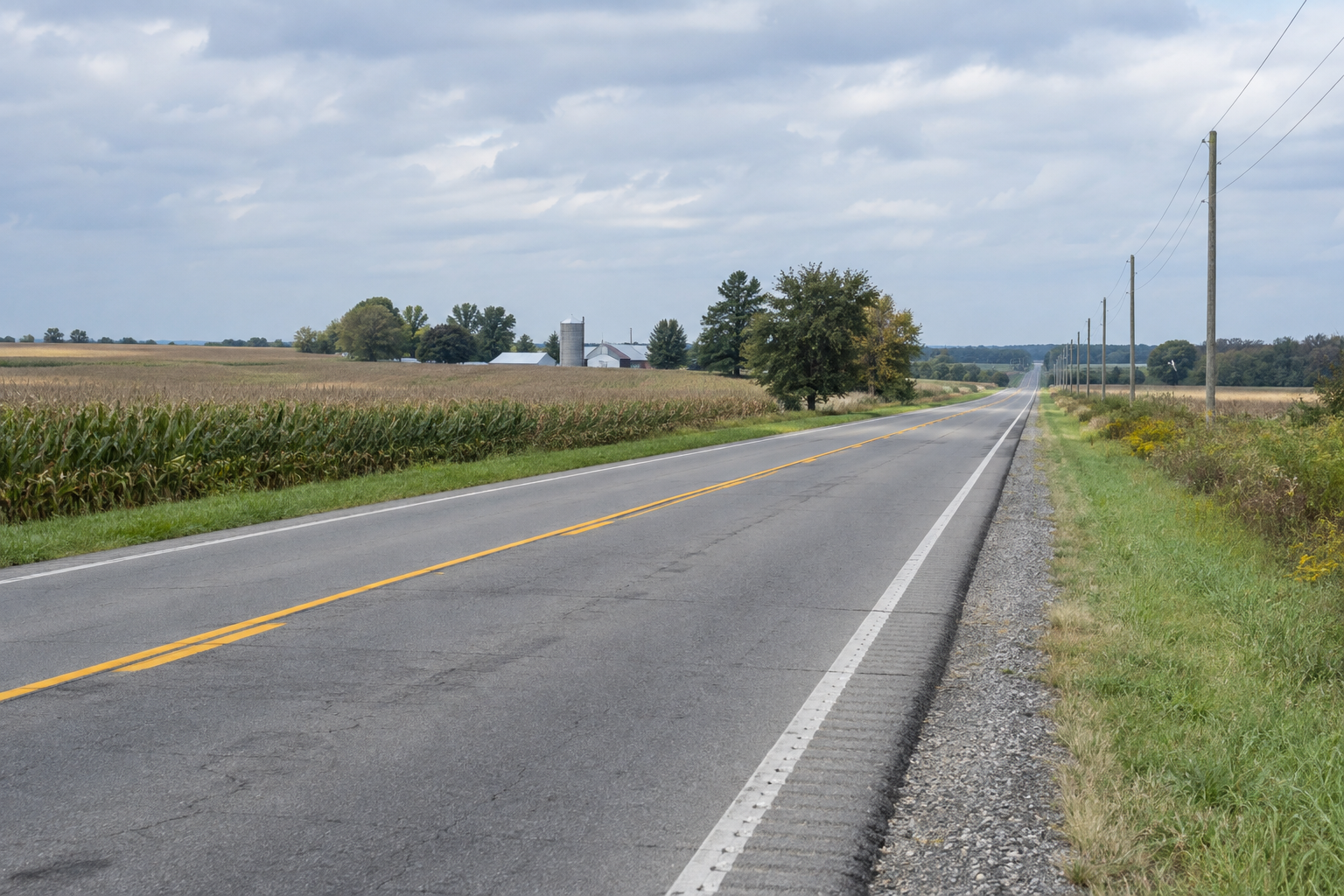
What this crash tells drivers on State Road 57
On an undivided two-lane highway, painted markings are the main separation between opposing traffic. A centerline crossing can leave both drivers with little time or space to avoid a collision. The difference in size between an SUV and a loaded commercial truck can also make the consequences far more severe for the person in the smaller vehicle.
There are many possible reasons a vehicle may leave its lane, including distraction, fatigue, a sudden medical event, impairment, overcorrection, or mechanical failure. None of those explanations has been tied to this crash. Until investigators complete their work, you should be careful about treating any possible explanation as a fact.
For drivers, the practical lessons are straightforward. Leave room between your vehicle and the centerline. If a wheel drops off the pavement, reduce speed before steering back gradually. Leave enough following distance behind a large truck to maintain a clear view of the road ahead. If you are struggling to stay awake, stop somewhere safe instead of trying to push through fatigue.
What families should preserve after a serious crash
If you are hurt, or your family loses someone in a crash, identify the investigating agency and obtain the report number. A crash report can usually be requested after the investigation, but it is not a final determination of civil responsibility.
Commercial-vehicle crashes can involve records that do not exist in an ordinary passenger-car case. Those records may include electronic logging data, engine information, driver qualification files, dispatch records, load documents, testing records, and onboard video. A commercial vehicle accident attorney can evaluate which materials should be requested and preserved.
The vehicles may also contain electronic crash information about speed, braking, and other inputs before impact. Because vehicles can be repaired, released, or salvaged, timely preservation matters. The firm's guide to passenger-vehicle event data explains why control of the vehicle and access to its electronic information should be addressed early.
In a fatal crash, Indiana's wrongful death statutes determine who may bring a claim and what may be recovered. The applicable statute depends on the person's family circumstances. A Fort Wayne wrongful death attorney can explain the estate process and the personal representative's role without assuming that a valid claim exists.
Why location and deadlines matter
The crash occurred on State Road 57 in Daviess County, while the driver who died reportedly lived in Greene County. The investigation, an estate proceeding, and any civil action do not necessarily take place in the same county.
State Road 57 is a state highway. Nothing in the reporting suggests that a road condition contributed to this collision. If evidence in any crash points to responsibility by the State or another governmental entity, special notice rules can apply. A claim against the State generally requires written notice within 270 days under Indiana Code 34-13-3-6[3]. A claim against a city, county, town, or other political subdivision generally requires notice within 180 days under Indiana Code 34-13-3-8[4].
Most Indiana personal injury and wrongful death actions must be filed within two years under Indiana Code 34-11-2-4[5]. An open police investigation does not automatically extend that period.
Indiana's comparative-fault rule is set out in Indiana Code 34-51-2-6[6]. An injured person whose own fault is greater than 50 percent recovers nothing. Otherwise, a recovery is reduced by that person's percentage of fault. A preliminary report that one vehicle crossed the centerline is important evidence, but the full reconstruction and preserved vehicle evidence may still matter. The firm's explanation of Indiana's 51 percent fault rule provides additional context.
How Delventhal Law Office can help
Delventhal Law Office, LLC is a Fort Wayne personal injury firm founded by attorney Chad E. Delventhal in 2009. The firm handles serious injury and wrongful death matters involving head-on collisions and commercial vehicles. That work can include obtaining agency and coroner records, preserving vehicles and electronic data, requesting motor-carrier records, reviewing available insurance, and dealing with insurers that aggressively defend disputed claims.
If you or a family member was hurt by someone else's carelessness on an Indiana road, Delventhal Law Office offers a free case evaluation. A conversation about the facts can help you understand whether there is a claim, which deadlines apply, and what evidence needs prompt attention.
This post is based on public reporting, the investigation may be ongoing, and nothing here is legal advice or creates an attorney-client relationship.