
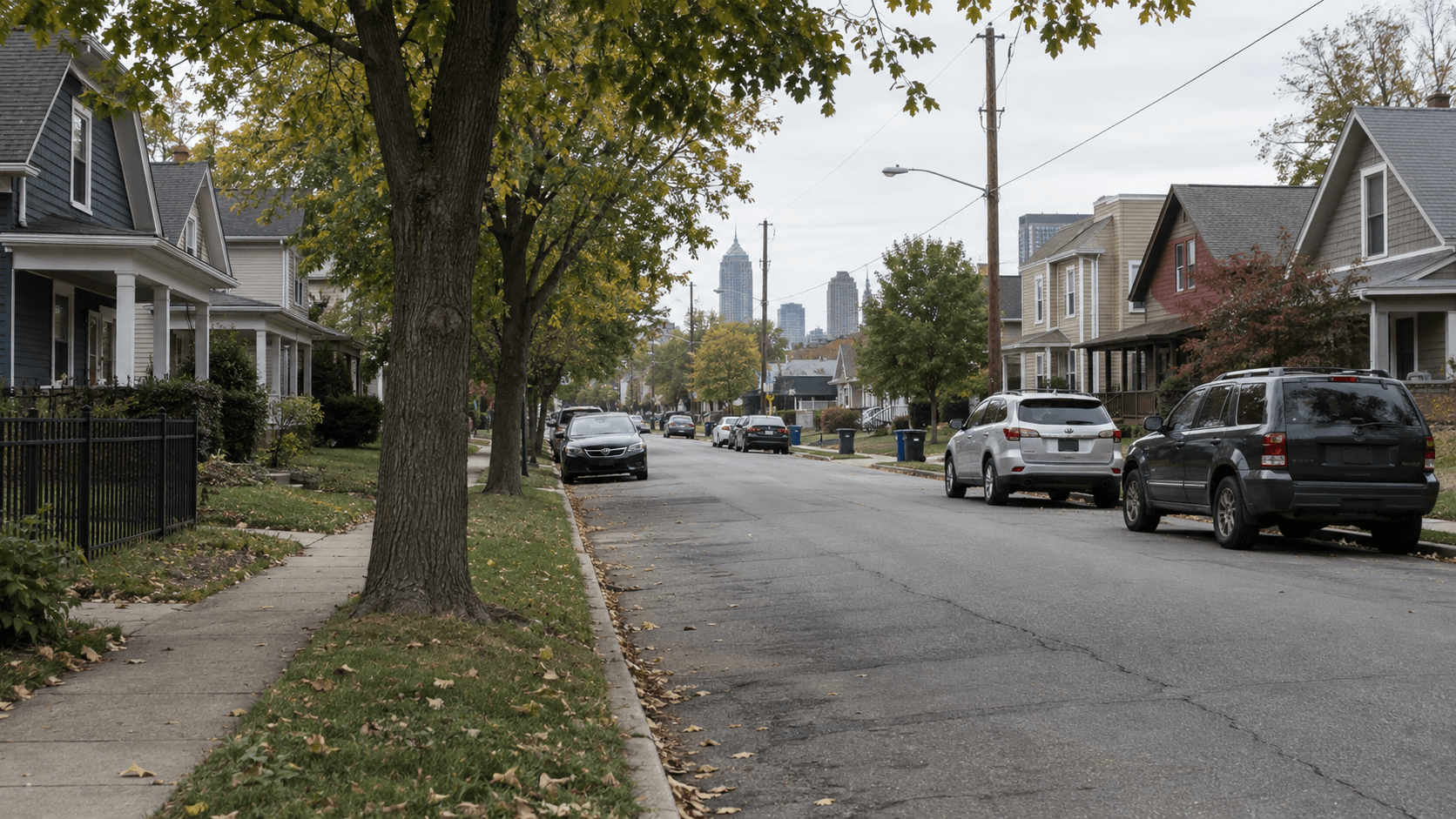
WIBC reported[1] that Indianapolis Metropolitan Police Department officers were called to the 1800 block of Orange Street on the near southeast side of Indianapolis at about 1:32 a.m. on Sunday, September 13, 2026, for a report of a person shot. The account was based on an IMPD release, with additional detail reported by WTHR[2]. The investigation is ongoing.
According to WIBC, officers found no victim at the scene. One person later walked into Community Hospital East with a gunshot wound and was reported to be in stable condition. WIBC reported that the victim is a minor, who is not named or described further here.
No suspect has been identified and no arrest has been reported, according to WIBC. The block is near South State Avenue and East Pleasant Run Parkway North Drive. No source described a business, property owner, or security condition connected to the location. The reporting does not explain how or why the shooting occurred. Because the injured person is a minor, the discussion below provides general information about Indiana law and does not draw conclusions about this incident.

What should injury victims do next?
Treat the medical record as the foundation. Whatever caused an injury, records made during treatment can establish what happened to the body and when. Follow-up appointments and referrals can matter as much as the first visit. You can also review these personal injury resources for practical information about organizing records.
Ask who is legally permitted to bring the claim. In Indiana, a person under 18 cannot file a lawsuit in their own name. A parent, guardian, or court-appointed representative brings the claim on the minor's behalf. A parent may also have a separate claim for medical expenses the parent was obligated to pay.
A settlement involving a minor is not simply a private transaction. Indiana courts supervise these settlements, and the funds are ordinarily protected until the minor reaches adulthood. The process takes time, but it is intended to protect the child.
Ask whether insurance or another benefit may respond before assuming none can. Depending on the facts and policy language, possible sources may include homeowner or renter policies, medical payments coverage, health coverage, and, when a vehicle is involved, uninsured or underinsured motorist coverage under Ind. Code 27-7-5-2. Liability policies generally exclude intentionally caused harm, so a claim against a person who deliberately caused an injury may produce no insurance payment even when responsibility appears clear.
Indiana's crime victim compensation program may reimburse certain expenses for victims of violent crime, including medical costs. It has its own application deadlines and operates independently of a criminal case or civil claim. You should not assume that an open criminal investigation pauses a civil deadline.
Why location matters in an Indiana injury claim
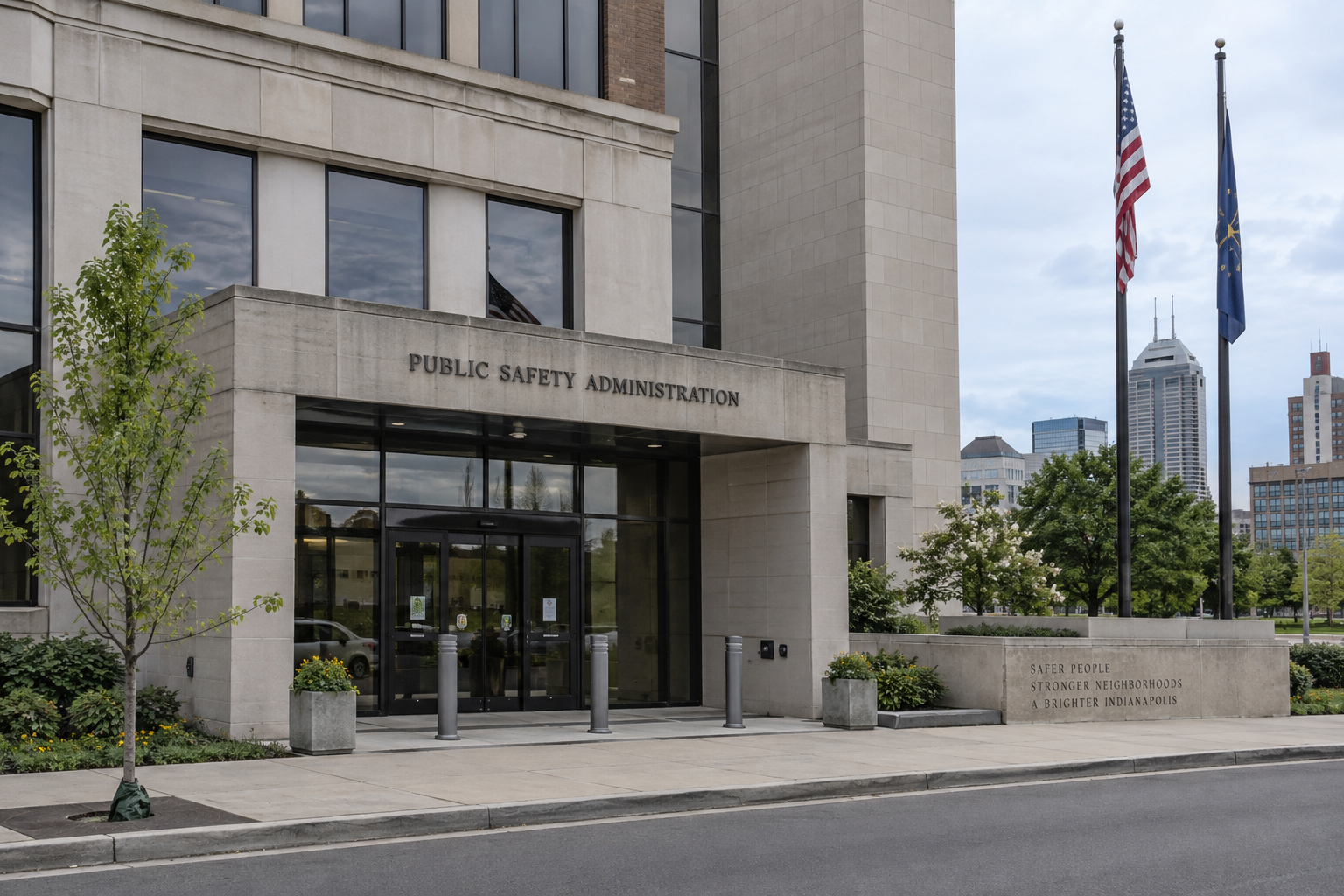
This incident occurred in Indianapolis, in Marion County, and the responding agency was the Indianapolis Metropolitan Police Department. An Indiana civil injury case is ordinarily filed in the county where the injury occurred, which points to the Marion County courts. The responding agency also determines where you request the report and which department holds the investigative file. General guidance about obtaining records is available in the firm's article on how to obtain an Indiana police report.
Indiana's limitations period for most personal injury actions is two years under Ind. Code 34-11-2-4. When the injured person is a minor, Ind. Code 34-11-6-1 tolls that period, so the two years generally does not begin to run until the minor turns 18. That protection does not extend every deadline that might apply.
If a claim were brought against a government entity, the Indiana Tort Claims Act requires notice within 180 days for a city, county, or other political subdivision under Ind. Code 34-13-3-8, and within 270 days for the State under Ind. Code 34-13-3-6. Insurance policies can also impose notice conditions running from the date of the loss. Nothing in the reporting suggests that a government entity is a potential defendant. The general point is that relying only on the minority tolling rule may put particular claims at risk.
Indiana's Comparative Fault Act, Ind. Code 34-51-2-6, assigns each person a percentage of responsibility in a negligence case. A claimant whose fault is greater than 50 percent recovers nothing; otherwise, the recovery is reduced by the claimant's percentage of fault. The Act does not apply to governmental entities, and any fault by a claimant can bar recovery in a claim governed by the Indiana Tort Claims Act.

How Delventhal Law Office can help
Delventhal Law Office, LLC is a Fort Wayne personal injury law firm founded by attorney Chad E. Delventhal in 2009. The firm can obtain police records, advise a parent or guardian about who may bring an injured minor's claim, explain court supervision of a minor's settlement, and identify policies or benefit programs that may apply. Insurance companies may aggressively defend a claim, especially when responsibility, coverage, or the cause of an injury is disputed.
Delventhal Law Office can also explain Indiana's filing deadlines and the shorter notice periods that minority tolling may not extend. Families may learn more from the firm's child accident attorney page or request a free case evaluation.
This post is based on public reporting, the investigation may be ongoing, and nothing here is legal advice or creates an attorney-client relationship.