What happened at Lake Wawasee
Indiana conservation officers have preliminarily determined that the September 4, 2026 drowning of Brian Conwell, 55, at Lake Wawasee near Syracuse was accidental. An autopsy was scheduled, and no result had been published. WBIW reported the update[1] on September 8 after republishing an Indiana Department of Natural Resources release.
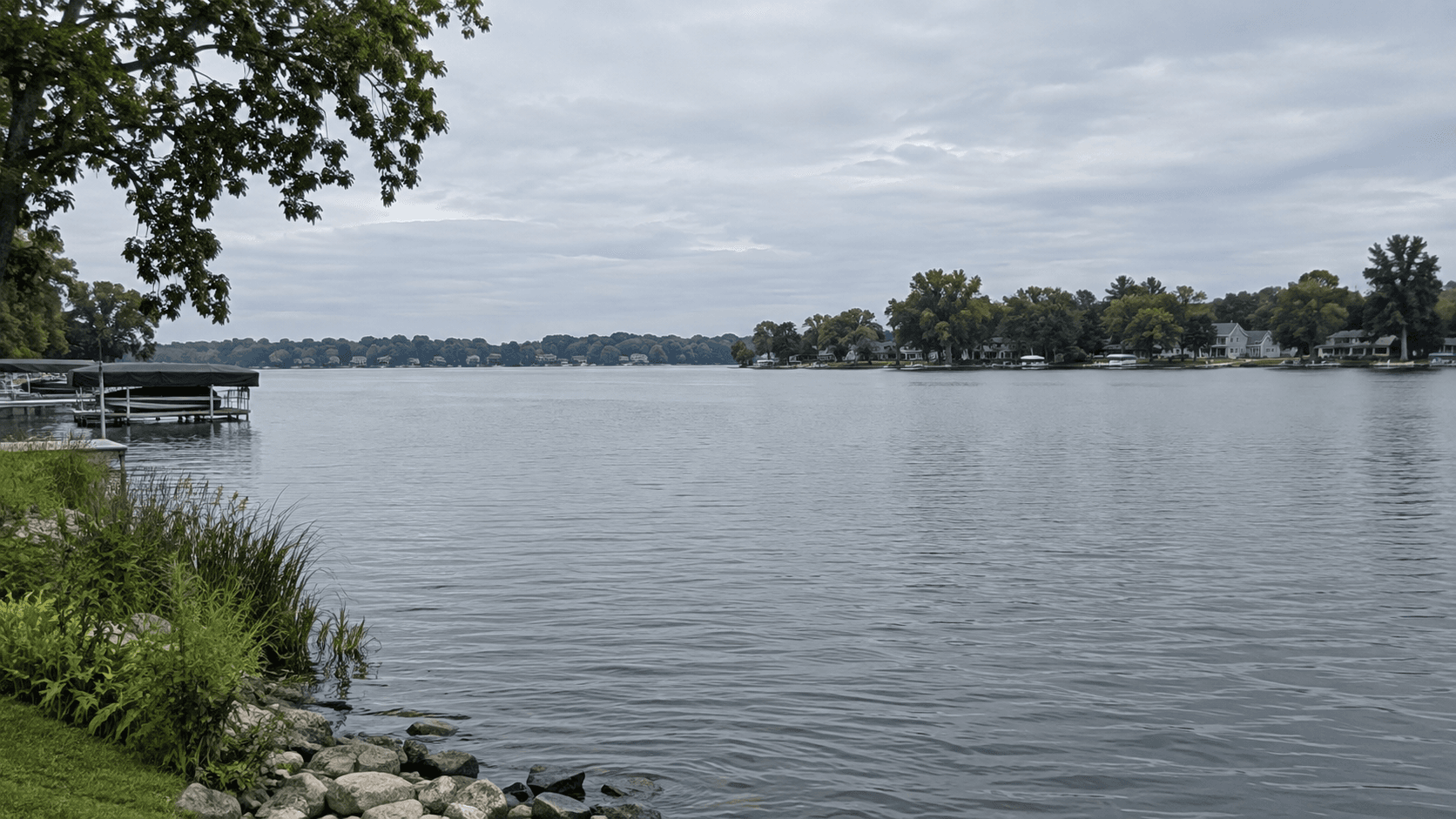
According to that report, Kosciusko County received a 911 call at about 2 p.m. on Friday, September 4. The caller reported a missing person who had last been seen in the water near the sandbar. Conwell had entered the water to set mooring augers when he began to struggle. Responders found him 3 feet below the surface in an area where the water was approximately 20 feet deep.
Medical teams attempted to revive Conwell, and the Kosciusko County Coroner's Office pronounced him dead. The Indiana Department of Natural Resources is investigating with the coroner's office.
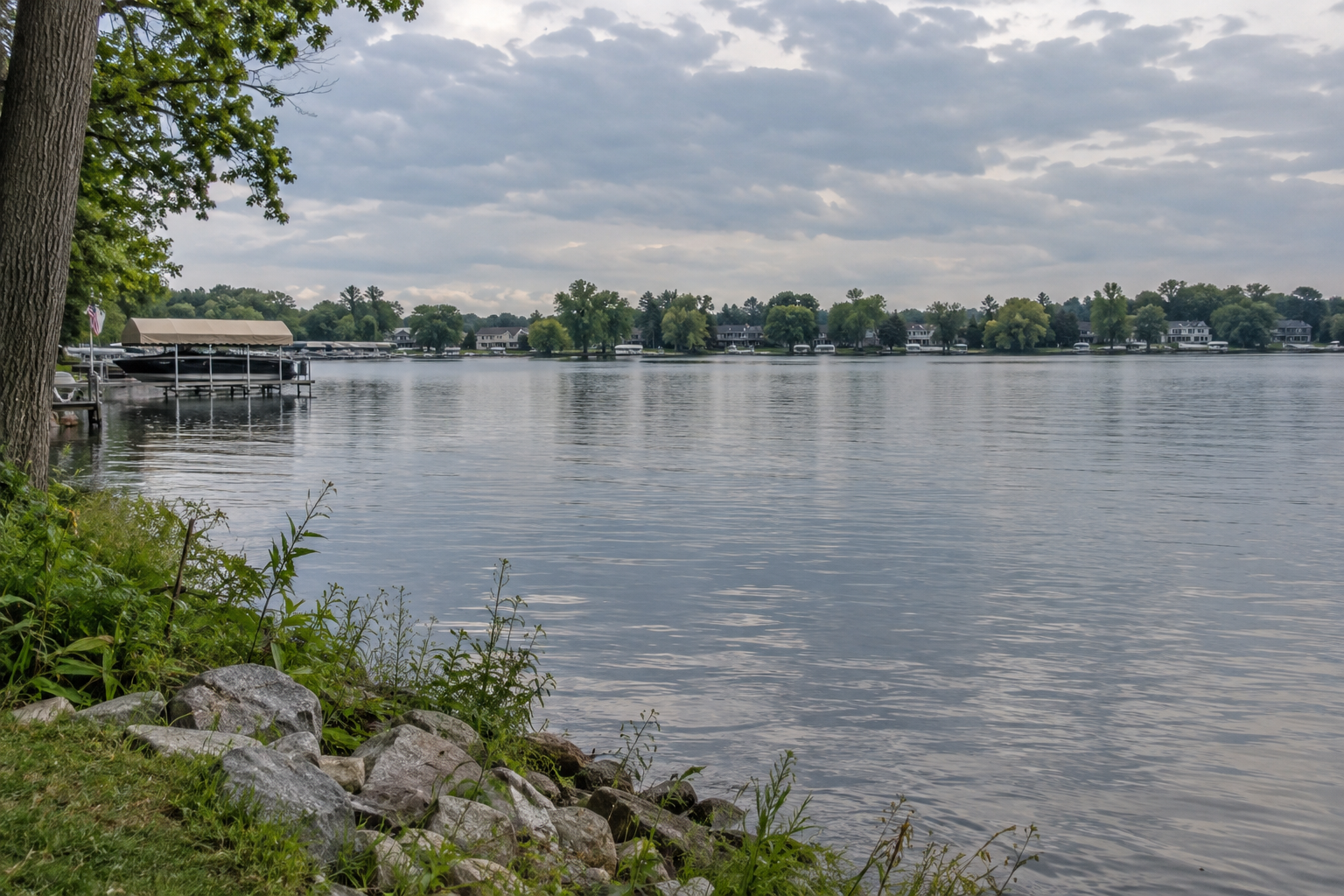
Earlier accounts were published by InkFreeNews[2], the Times-Union[3], The Journal Gazette[4], and 21Alive[5].
No published source stated who the mooring auger work was being performed for or whether Conwell was working for an employer, a customer, or himself. No source reported a citation, arrest, or finding of fault, and none is suggested here.
What families should do next
If your family has lost someone in an accident on an Indiana lake, wait for the official findings before drawing conclusions. A preliminary determination is not final, and a scheduled autopsy has not yet produced a result. At the same time, you should preserve photographs, equipment, witness information, and details about the physical setting before they change. The firm's guide to preserving accident evidence explains why early documentation matters.
You should also find out who the work was being done for. Whether someone was an employee, an independent contractor, or working on his own property can affect which claims exist, which insurance may respond, and which deadlines apply. If an employment relationship existed, the Indiana Worker's Compensation Act generally provides the exclusive remedy against the employer, while any possible claim against a third party is considered separately. The distinction between workers' compensation and a third-party claim can be important.
Identify and preserve the tools and safety equipment connected with the work. Questions about flotation, a tender, or a safety plan must be answered with evidence, not assumptions. Equipment can be gathered up or returned to service quickly.

Request records in writing from the conservation officers, coroner, and any other responding agency. Each agency may produce separate records on a different timeline. The autopsy report and toxicology results usually take the longest.
In Indiana, a wrongful death claim belongs to the personal representative of the estate, not to individual family members. Opening an estate is normally an early practical step. Families can review general information about an Indiana wrongful death claim while waiting for the official findings.
Why location matters in an Indiana claim
This drowning occurred at Lake Wawasee in Kosciusko County. Indiana Department of Natural Resources conservation officers are investigating alongside the Kosciusko County Coroner's Office. A civil case arising from events in Indiana is ordinarily filed where those events occurred, making Kosciusko County the usual venue.
Indiana death claims may be governed by Ind. Code 34-23-1-1, Ind. Code 34-23-1-2, or Ind. Code 34-23-2-1, depending on the circumstances. These statutes address who may bring a claim and what may be recovered. Most Indiana personal injury and wrongful death claims must be filed within two years under Ind. Code 34-11-2-4. For a September 4, 2026 incident, that deadline would fall on or about September 4, 2028.
Indiana uses modified comparative fault in most carelessness cases. Under Ind. Code 34-51-2-6, a person whose fault is greater than 50 percent recovers nothing. A recovery is reduced by the person's percentage of fault when that percentage is 50 percent or less. Nothing in the published record supports assigning fault to anyone in this incident.
The DNR is a state agency, but nothing reported suggests a claim against a governmental entity, and none is suggested here. If government responsibility is supported by the facts of another case, the Indiana Tort Claims Act can require written notice within 180 days for a city, county, town, or other political subdivision under Ind. Code 34-13-3-8. Notice to the State is generally required within 270 days under Ind. Code 34-13-3-6. More information is available in this guide to Indiana government tort claim notices.

How Delventhal Law Office can help
Delventhal Law Office, LLC is a Fort Wayne personal injury firm founded by attorney Chad E. Delventhal in 2009. The firm can request available reports, examine whether a work relationship existed, identify insurance and filing issues, and send timely preservation requests. Insurance companies and other parties may aggressively defend a claim, so careful documentation matters.
The office serves Fort Wayne, Syracuse, Warsaw, and communities across northeast Indiana. If your family needs clear answers after a fatal accident, you can request a free case evaluation.
This post is based on public reporting, the investigation may be ongoing, and nothing here is legal advice or creates an attorney-client relationship.