A single-vehicle crash on a LaPorte County road on Monday, September 7, 2026, ended with a car resting on a guardrail and an operating while intoxicated charge. Hometown News Now reported the incident[1] on September 8.
The driver has been charged, not convicted, and is presumed innocent.
What happened
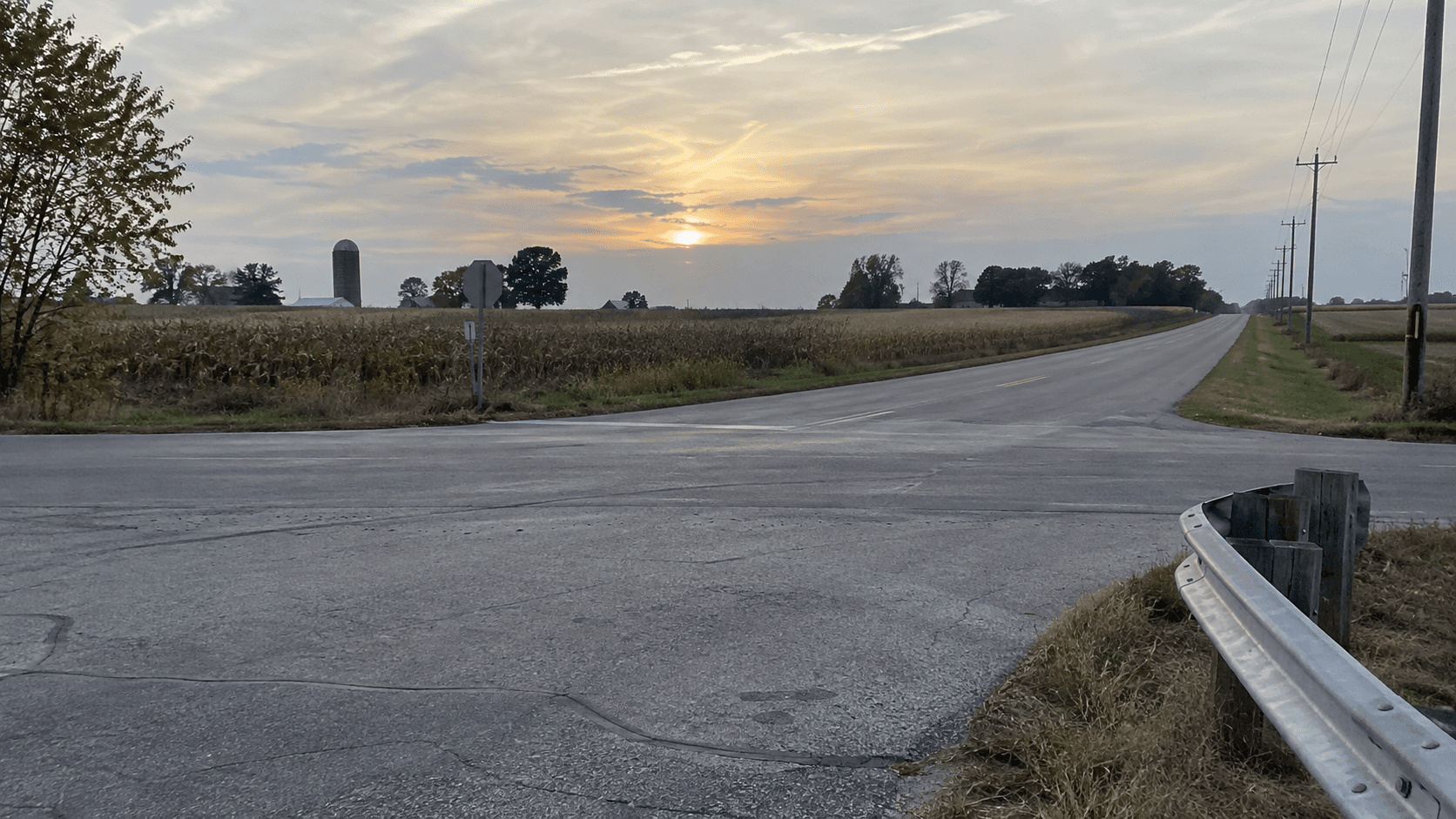
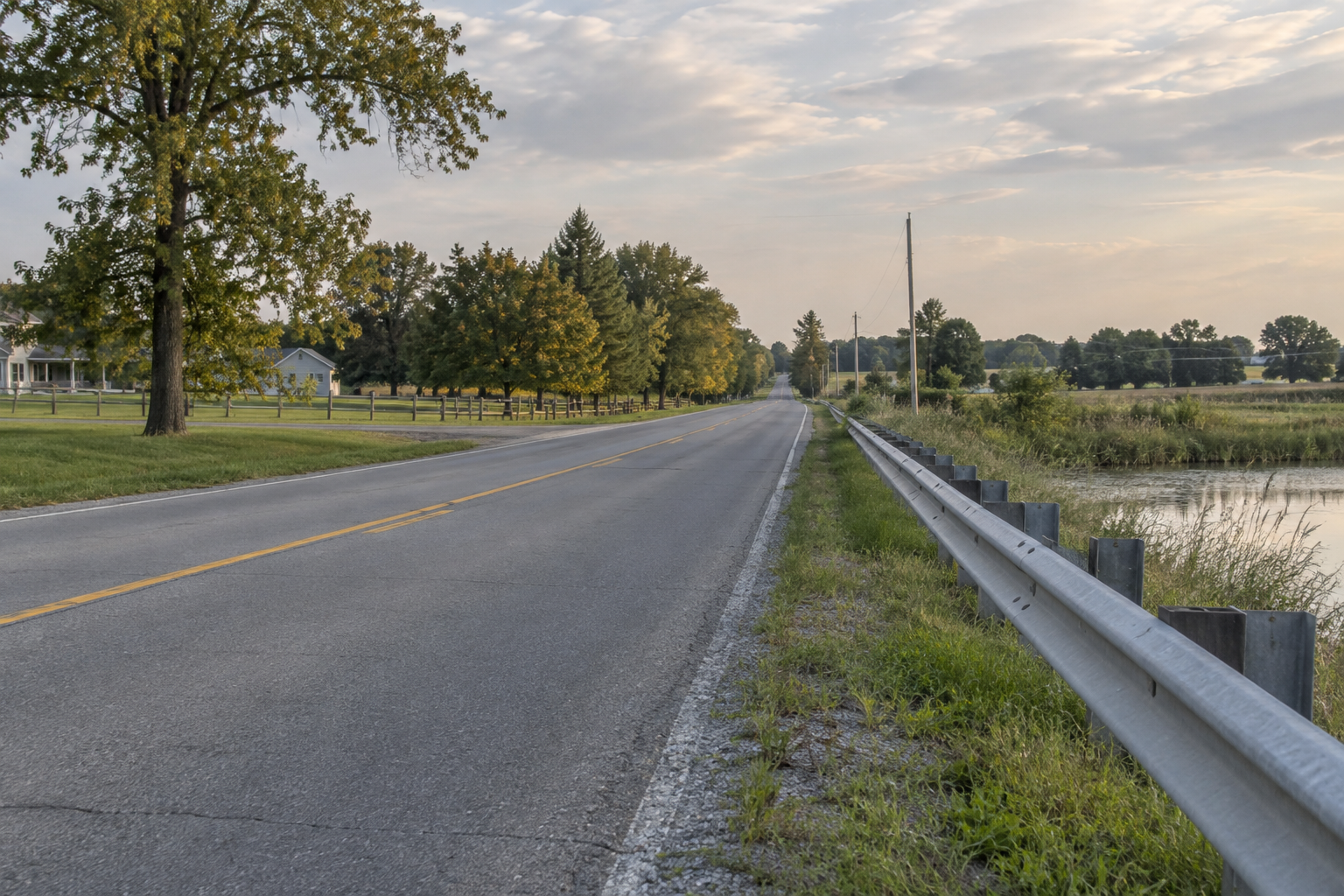
According to Hometown News Now, La Porte County Police responded at about 5 p.m. to the area of County Road 400 South and County Road 800 East in the Fish Lake area. Officers found a 1937 Dodge resting on a guardrail.
The driver, a 67-year-old Fish Lake man, reportedly told investigators that he had been out for a joyride when a deer crossed his path. He said he swerved, lost control, and crashed.
Hometown News Now reported that the driver suffered an abrasion to the bridge of his nose and refused medical attention. He was charged with operating while intoxicated based on an alleged blood alcohol concentration of .161 percent. The vehicle was towed.
No other person or vehicle was involved, and no one else was injured, according to the report. No source reported the weather, road surface, or lighting.
What accident victims should do next
Nobody else was hurt in this crash. When another person is injured in an impaired-driving collision, however, the first steps can affect both medical recovery and the available evidence.
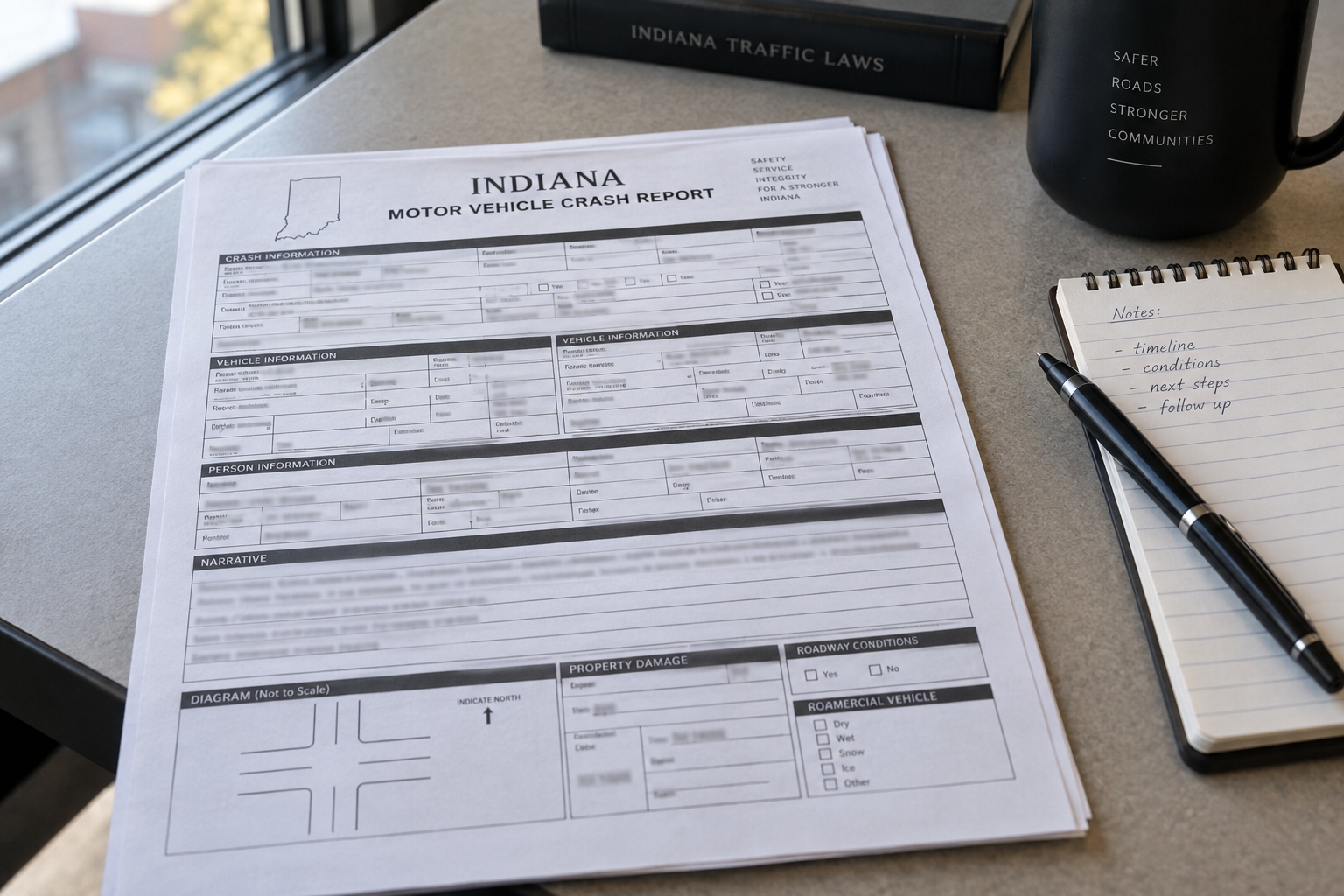
If you are hurt, seek appropriate medical care and describe your condition accurately. Identify the investigating agency and obtain the report number. Indiana crash reports can usually be requested after the investigation, but a police report does not by itself decide civil liability. This guide explains how to obtain an Indiana police crash report.
Preserve photographs of the vehicles, roadway, guardrail, and sight lines when it is safe to do so. Keep the names and contact information of anyone who stopped. Vehicle data and camera footage can be lost or overwritten quickly, so timely preservation requests matter. You can review the kinds of records that may help in an Indiana car accident claim.
Be careful when an insurance adjuster asks for a recorded statement or broad medical authorization. Insurance companies may aggressively defend fault, causation, and the extent of an injury. This does not mean you should ignore your own insurer. It means you should understand the request before responding. The firm's guide to recorded statements and medical releases explains those concerns.
Why location matters in an Indiana injury claim
This crash occurred at a rural county-road intersection in LaPorte County, with La Porte County Police investigating. Where a collision occurs can affect the court, available records, and whether special notice rules apply.
Most Indiana personal injury claims must be filed within two years of the injury under Ind. Code 34-11-2-4. The deadline generally runs from the injury itself, not from the end of a related criminal case. Because exceptions can change the analysis, you should not wait until the deadline is close.
Indiana's modified comparative-fault rule appears in Ind. Code 34-51-2-6. An injured person whose fault is greater than 50 percent recovers nothing. Otherwise, the recovery is reduced by that person's percentage of fault. A criminal charge does not automatically settle that civil analysis.
Indiana requires minimum auto liability limits of $25,000 per person and $50,000 per accident for bodily injury, plus $25,000 for property damage, under Ind. Code 9-25-4-5. Insurers must also offer uninsured and underinsured motorist coverage under Ind. Code 27-7-5-2. Depending on the policy and the facts, that coverage may be important when liability insurance does not fully cover an injury.
Indiana's dram shop law, Ind. Code 7.1-5-10-15.5, may permit a claim against a person or business that furnished alcohol when it had actual knowledge that the person served was visibly intoxicated and the intoxication was a proximate cause of an injury. No source identified an alcohol provider in connection with this incident, and nothing reported establishes a dram shop claim here.
No roadway defect was reported or suggested. In a different case involving a county, city, or another political subdivision, written tort claim notice may be required within 180 days under Ind. Code 34-13-3-8. A claim against the State requires notice within 270 days under Ind. Code 34-13-3-6. Those notice periods are separate from the ordinary two-year filing period.
How Delventhal Law Office can help
Delventhal Law Office, LLC is a Fort Wayne personal injury law firm founded by attorney Chad E. Delventhal in 2009. The firm represents people hurt by another person's carelessness or recklessness on Indiana roads.
When an impaired, distracted, or careless driver injures you, Delventhal Law Office can obtain available reports, send preservation requests, review the insurance policies that may apply, and track the relevant deadlines. The firm can also address disputes over fault and coverage, including uninsured and underinsured motorist coverage.
You can learn more from a Fort Wayne drunk-driving accident attorney or request a free case evaluation. The office serves Fort Wayne and communities across Indiana.
This post is based on public reporting, the investigation may be ongoing, and nothing here is legal advice or creates an attorney-client relationship.