What happened
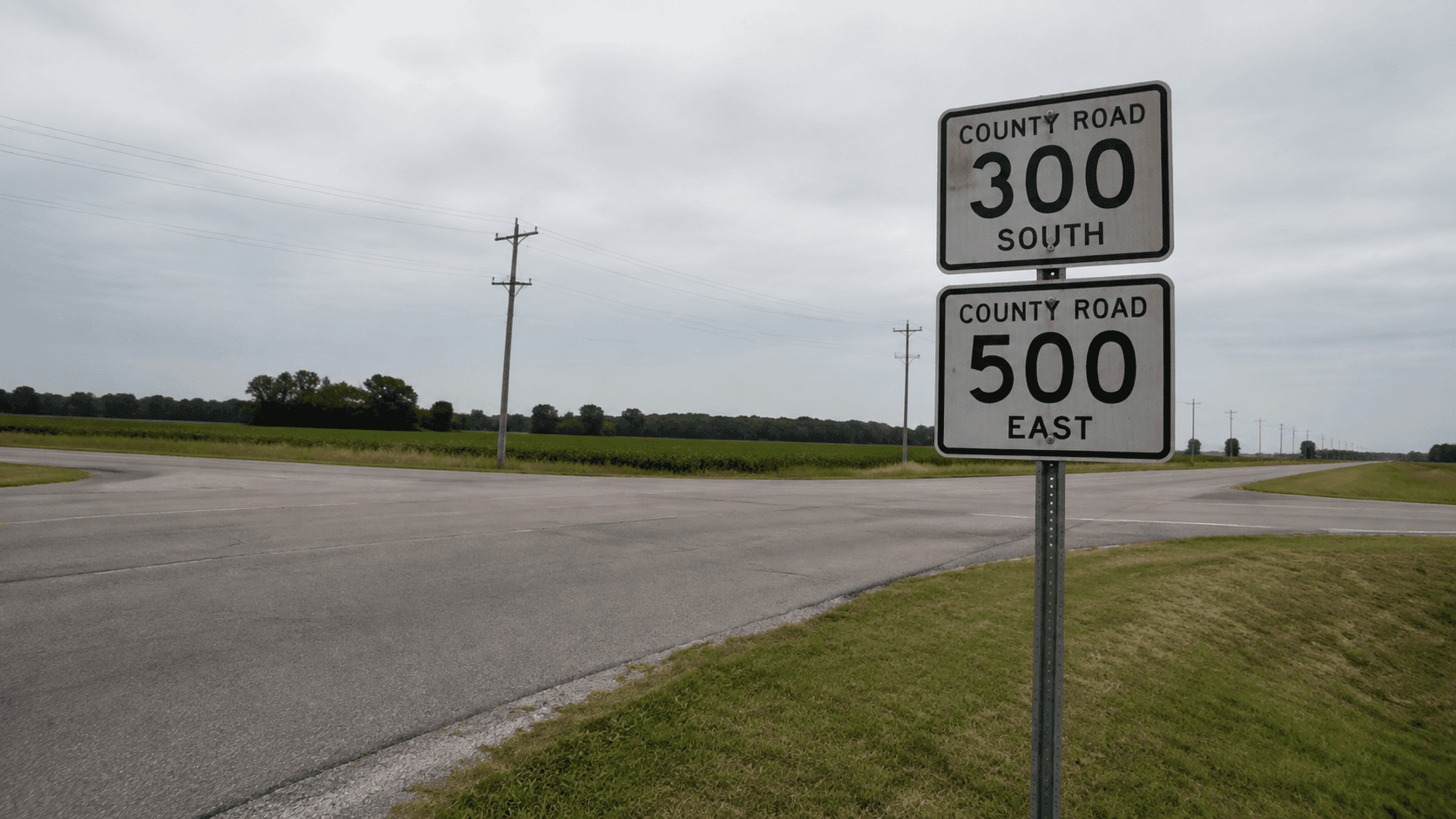
Two students were taken by ambulance to a hospital with minor injuries after a passenger vehicle reportedly ran a stop sign and struck a school bus in Boone County. The crash happened on the morning of Friday, September 4, 2026, at County Road 300 South and County Road 500 East.
According to The Lebanon Reporter[1], Boone County Communications reported that a passenger vehicle ran the stop sign and struck a Lebanon Community School Corporation bus. The hospital was not named. The remaining students continued to school.
The Boone County Sheriff's Office is investigating. Detective Morganne Carpenter was named as the agency contact. No driver has been named, and no citation has been announced.
No student involved in the crash is named or described here. This post provides general information, not an account of any particular child.
What parents should do next
If your child was on a bus involved in a crash, consider having the child evaluated by a doctor and follow the doctor's instructions. Keep medical records, bills, school absence records, and records of any work a parent misses. A practical overview of early documentation is available in the firm's guide to evidence after an Indiana crash.
Notify the school corporation's transportation department in writing that your child was on the bus and was affected. You can also request the crash report from the Boone County Sheriff's Office after it becomes available and ask for the report number in the meantime. The firm's guide explains how to obtain an Indiana crash report.
Before signing a release or accepting payment for a child, get advice about what the document would resolve. Settling a minor's claim in Indiana generally requires court involvement, and an early settlement may affect the ability to address an injury that becomes clearer later.
Why the deadlines matter
Most Indiana personal injury claims must be filed within two years of the injury under Indiana Code 34-11-2-4[2]. For a minor, Indiana Code 34-11-6-1[3] generally tolls the limitations period while the legal disability remains. Even when the filing period is tolled, records and other evidence can be lost or overwritten, so early preservation still matters.
A separate deadline can apply if a school corporation or another governmental entity could be responsible. Indiana Code 34-13-3-8[4] generally requires written notice to a political subdivision within 180 days, while Indiana Code 34-13-3-6[5] provides a 270-day notice period for claims against the State. The published facts indicate that the school bus was struck, and nothing reported suggests that the school corporation caused the crash. Even so, the potential notice issue should be reviewed promptly because the investigation remains open. More detail is available in the firm's guide to Indiana government tort claim notices.
How fault and insurance may affect a claim
Indiana Code 34-51-2-6[6] generally bars recovery when an injured person's fault is greater than 50 percent. Otherwise, compensation is reduced by that person's percentage of fault. A police report can help document what investigators learned, but it is not a final determination of civil liability.
Indiana Code 9-25-4-5[7] sets minimum auto liability limits at $25,000 per person and $50,000 per accident for bodily injury, plus $25,000 for property damage. When several people make injury claims, the per-accident limit may have to be divided among them. Indiana insurers must also offer uninsured and underinsured motorist coverage under Indiana Code 27-7-5-2[8]. Which policies apply depends on their terms and the facts established by the investigation.

How Delventhal Law Office can help
Delventhal Law Office, LLC is a Fort Wayne personal injury firm founded by attorney Chad E. Delventhal in 2009. The firm can review the crash report, applicable insurance policies, medical records, minor-settlement requirements, and any possible Tort Claims Act notice issue. Families can learn more about working with a Fort Wayne bus accident attorney or request a free case evaluation.
This post is based on public reporting, the investigation may be ongoing, and nothing here is legal advice or creates an attorney-client relationship.