What the lawsuit alleges
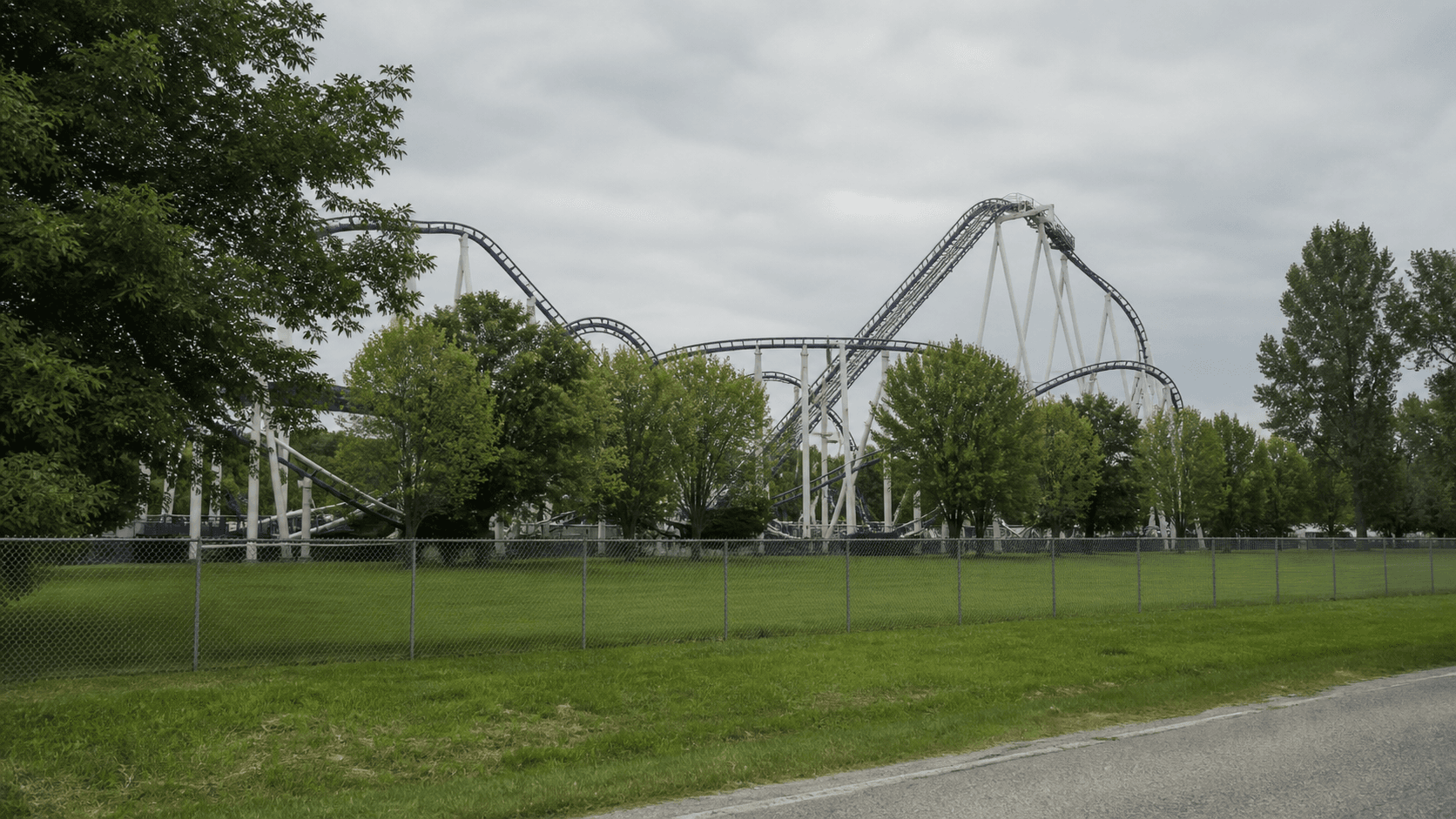
A lawsuit filed in White County Circuit Court alleges that a roller coaster restraint system at Indiana Beach in Monticello dislocated a rider's kneecap. The Newton County Enterprise[1] and the Monticello Herald Journal[2], both Kankakee Valley Publishing titles reporting under the byline of Cybill A. Richey, state that the complaint was filed on August 24, 2026, against Indiana Beach Holdings LLC.
According to those reports, the plaintiff is Matthew Olesen of Lake Village in Newton County. The complaint says he was injured on July 12, 2026, while riding the Cornball Express roller coaster. It alleges that the restraint applied improper pressure to his left leg and knee, forcing the knee out of position and dislocating the kneecap.
The complaint alleges that the operator failed to educate and train employees to monitor safety and enforce ride rules, failed to monitor the rider's position while the ride was operating, and failed to properly inspect, maintain, and operate the restraint system. It alleges severe and permanent injuries, pain, medical expenses, and loss of enjoyment of life. Damages are unspecified, and the complaint demands a jury trial.
Every factual assertion in the filing is an allegation. The allegations have not been proven in court. The reports identify no ride manufacturer, inspection contractor, or additional defendant, provide no inspection history, and report no response from Indiana Beach Holdings LLC.
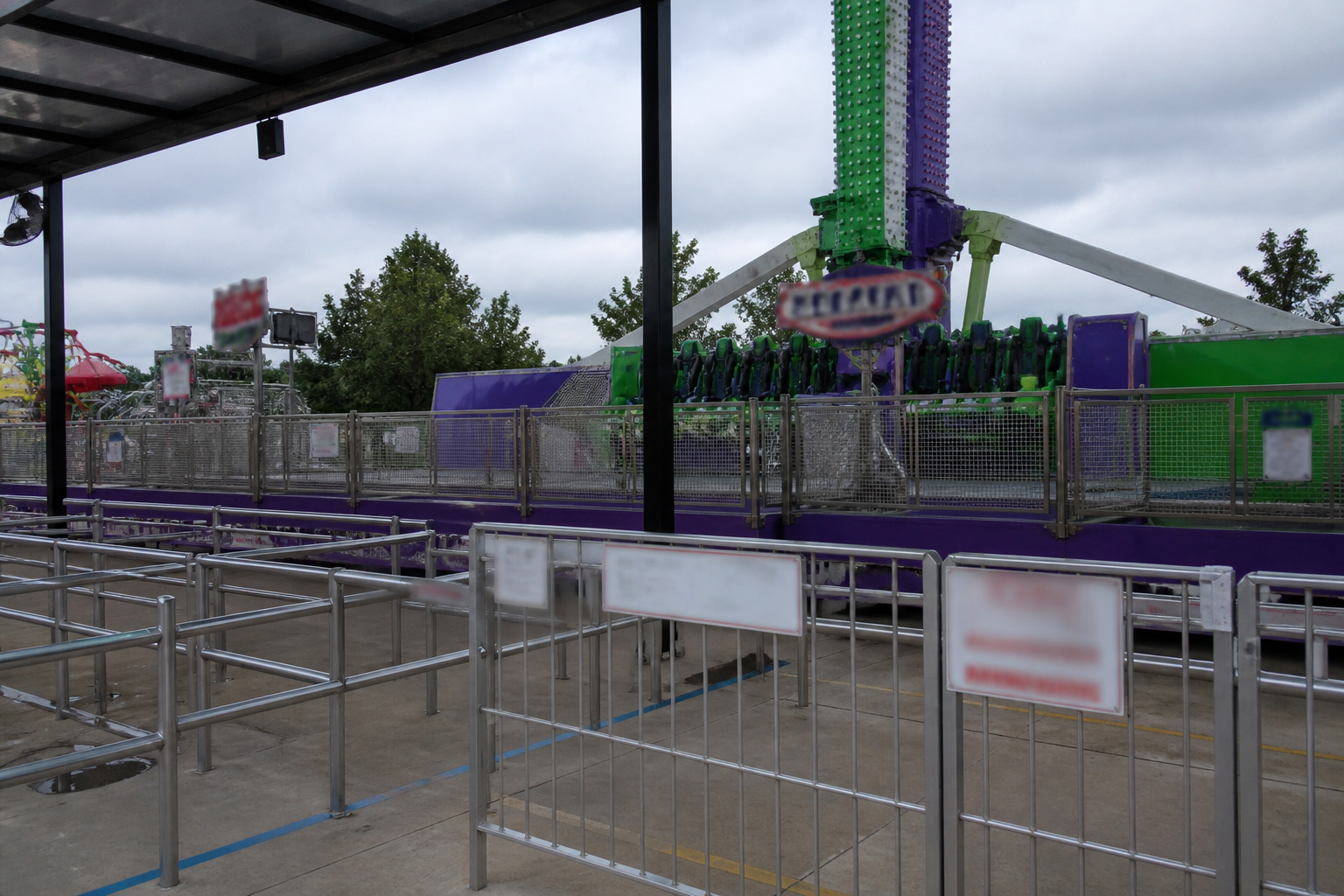
What you should do after an amusement ride injury
An amusement ride injury is documented differently from a car crash, and the window to preserve important evidence can be short. Report the injury to the park before you leave and ask that a written incident report be made. Request the report number and the name of the employee who took the report.
Photograph the ride, the specific car and seat you occupied, and any signs concerning restrictions, restraints, or rider positioning. Note the time and the ride operator's name if you can. Keep any park app record, wristband, or ticket scan that shows you were at the attraction.
Get a medical evaluation promptly and explain exactly how the injury happened, including which part of the restraint contacted your body. Keep your medical records, receipts, and bills. Preserve damaged clothing, and do not sign anything in exchange for a refund, voucher, or season pass without understanding what the document says.
More general guidance is available in the firm's discussion of evidence that can support an Indiana injury claim and its guide on organizing records for an initial consultation.
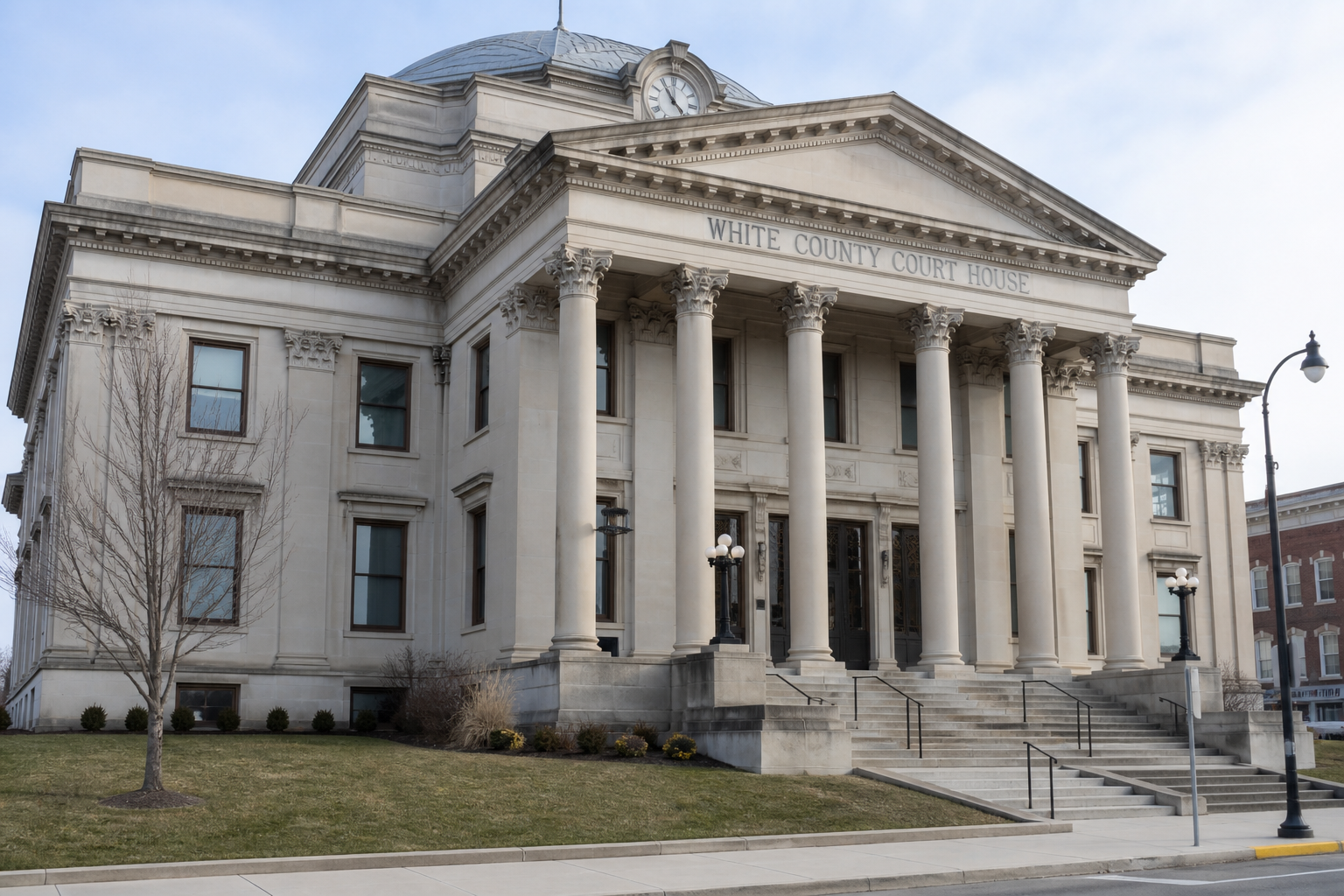
Why White County matters
The alleged injury occurred in White County, and the lawsuit was filed in White County Circuit Court. The plaintiff's Newton County residence explains why a Newton County newspaper reported the case, but the complaint is being heard in White County.
Indiana applies modified comparative fault under IC 34-51-2-6[3]. In an amusement ride case, the operator may argue that a rider was not seated as instructed, disregarded posted rules, or had a pre-existing condition. If an injured person's fault is greater than 50 percent, that person recovers nothing. Otherwise, any recovery is reduced by the person's percentage of fault. Documentation showing how the rider was seated and what instructions were given can therefore matter.
The general deadline for an Indiana personal-injury lawsuit is two years from the injury under IC 34-11-2-4[4]. For the alleged July 12, 2026 injury, the draft states that the deadline would run to approximately July 12, 2028, and that this lawsuit was filed within that period. For a minor, IC 34-11-6-1[5] may toll the limitations period while the legal disability remains. You can read more about Indiana injury-claim deadlines and Indiana's comparative-fault rule.
A restraint system is a manufactured component. Depending on the evidence, an investigation may examine the park operator, manufacturer, or maintenance contractor. Identifying the responsible parties requires inspection and maintenance records, not assumptions based on a news report. No manufacturer or contractor is named as a defendant in the reported complaint.
If a governmental entity operated an attraction, the shorter notice rules under IC 34-13-3-8[6] and IC 34-13-3-6[7] could apply. The draft states that no governmental operator is involved here.
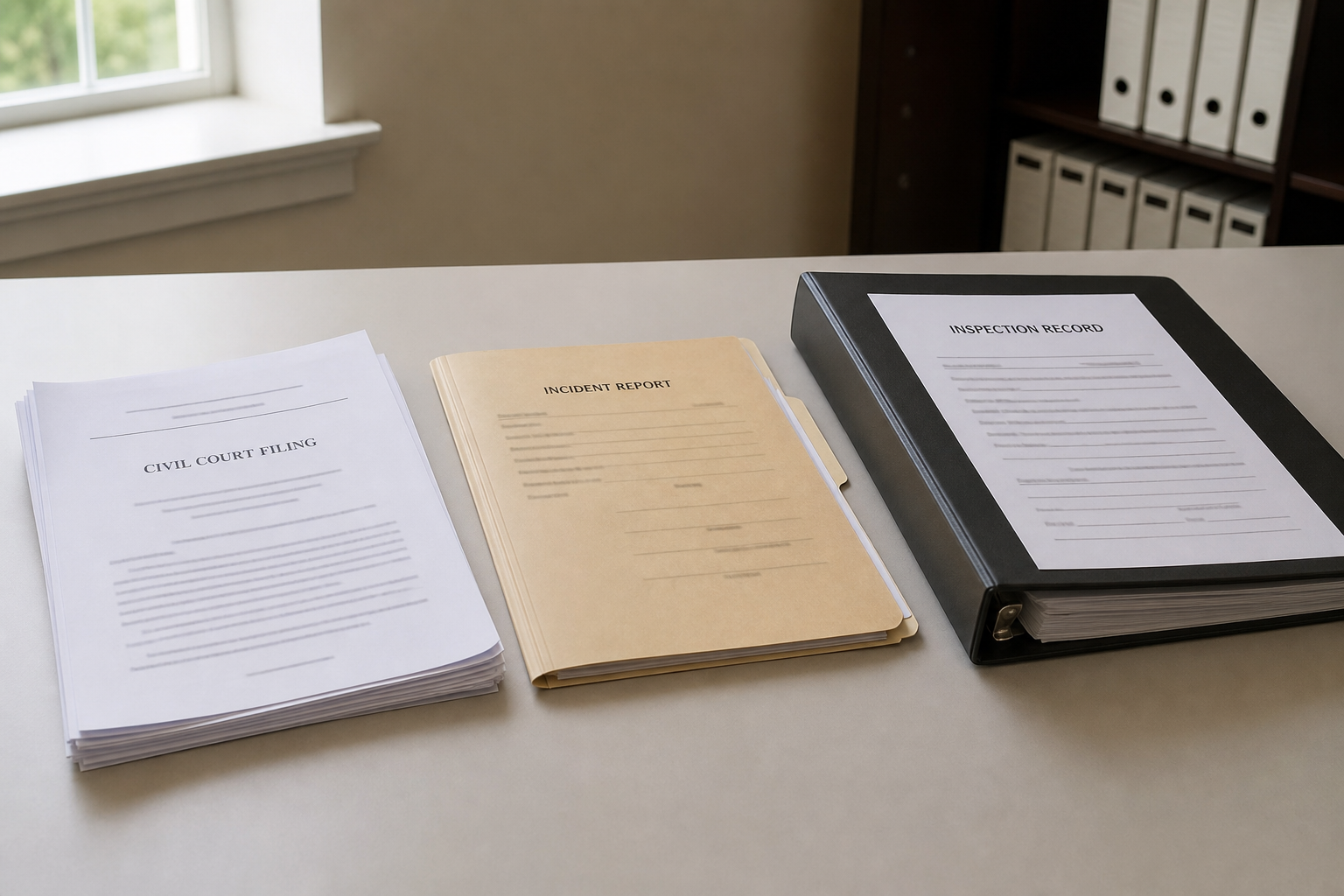
How Delventhal Law Office can help
Delventhal Law Office, LLC is a Fort Wayne personal-injury law firm founded by attorney Chad E. Delventhal in 2009. For someone injured at a commercial attraction, the firm can request incident reports, seek inspection and maintenance records, identify potentially responsible parties, and explain the applicable deadlines. The firm handles premises-liability matters and offers a free case evaluation.
This post is based on public reporting, the investigation and litigation may be ongoing, and nothing here is legal advice or creates an attorney-client relationship.