What happened
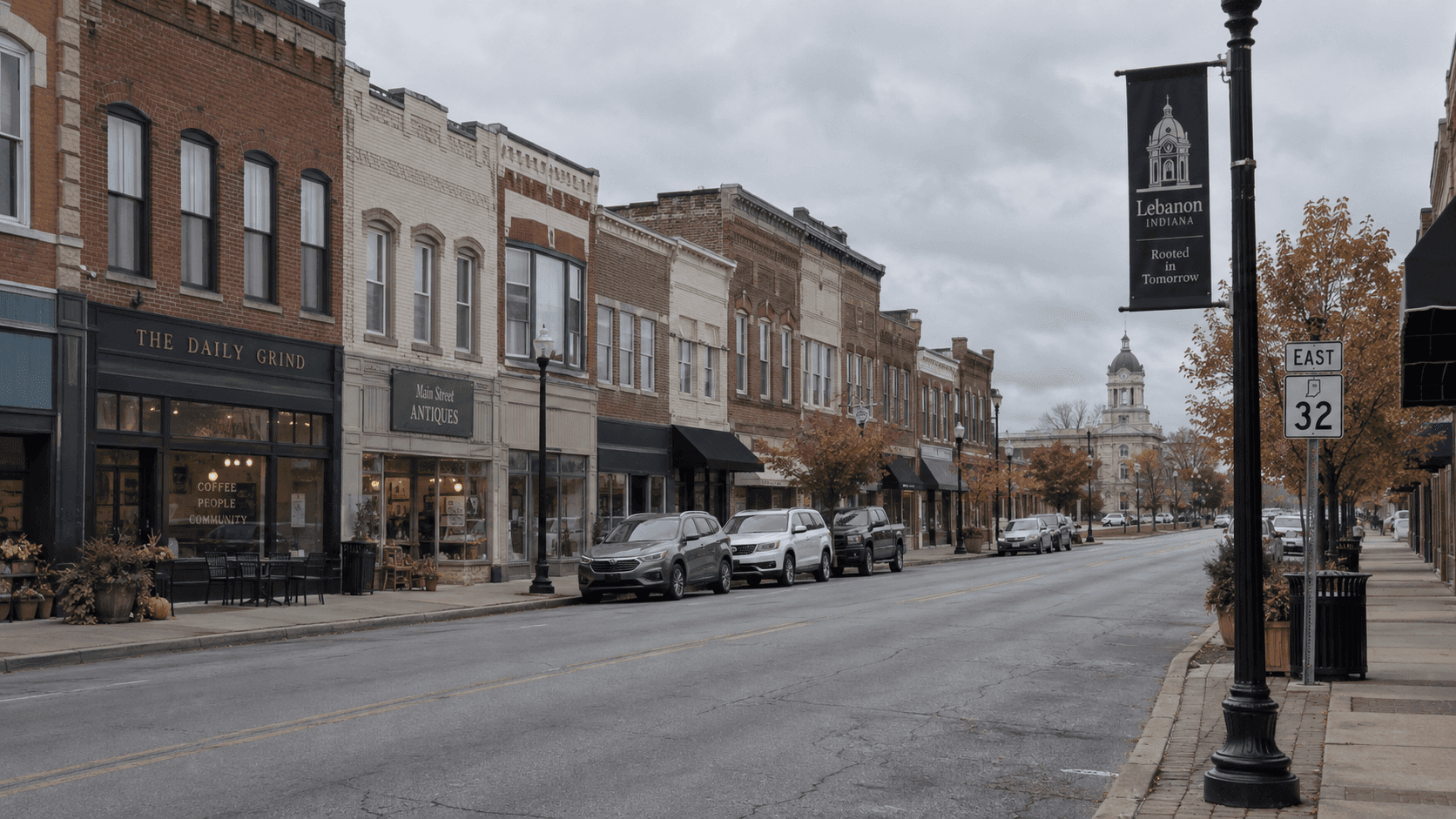
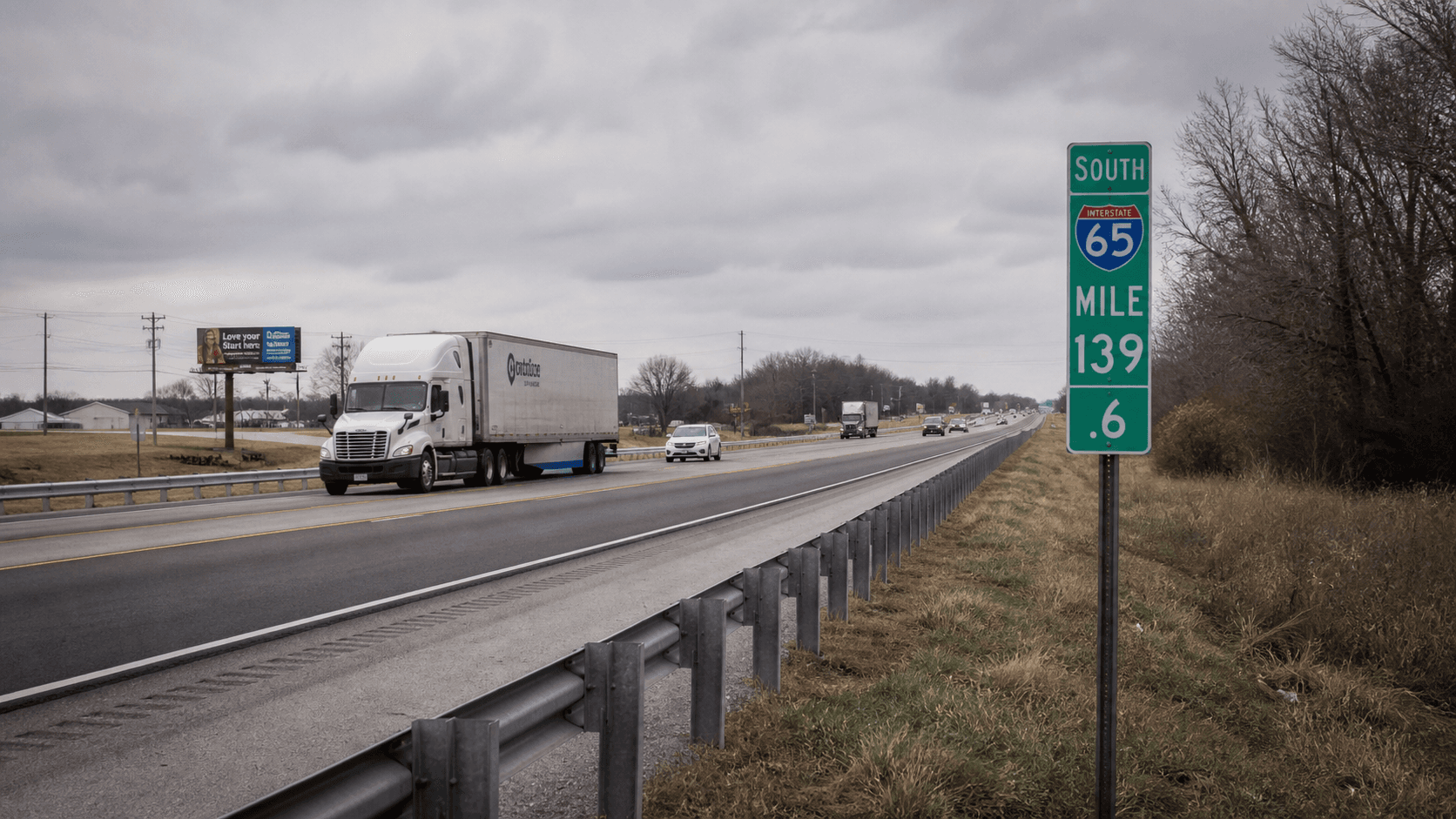
A two-vehicle crash was reported at 9:59 p.m. Wednesday, August 26, 2026, on Interstate 65 at mile marker 135 in Lebanon. According to the Lebanon Reporter's Boone Beat blotter[1], Lebanon police arrested one man on suspicion of operating while intoxicated after the crash.
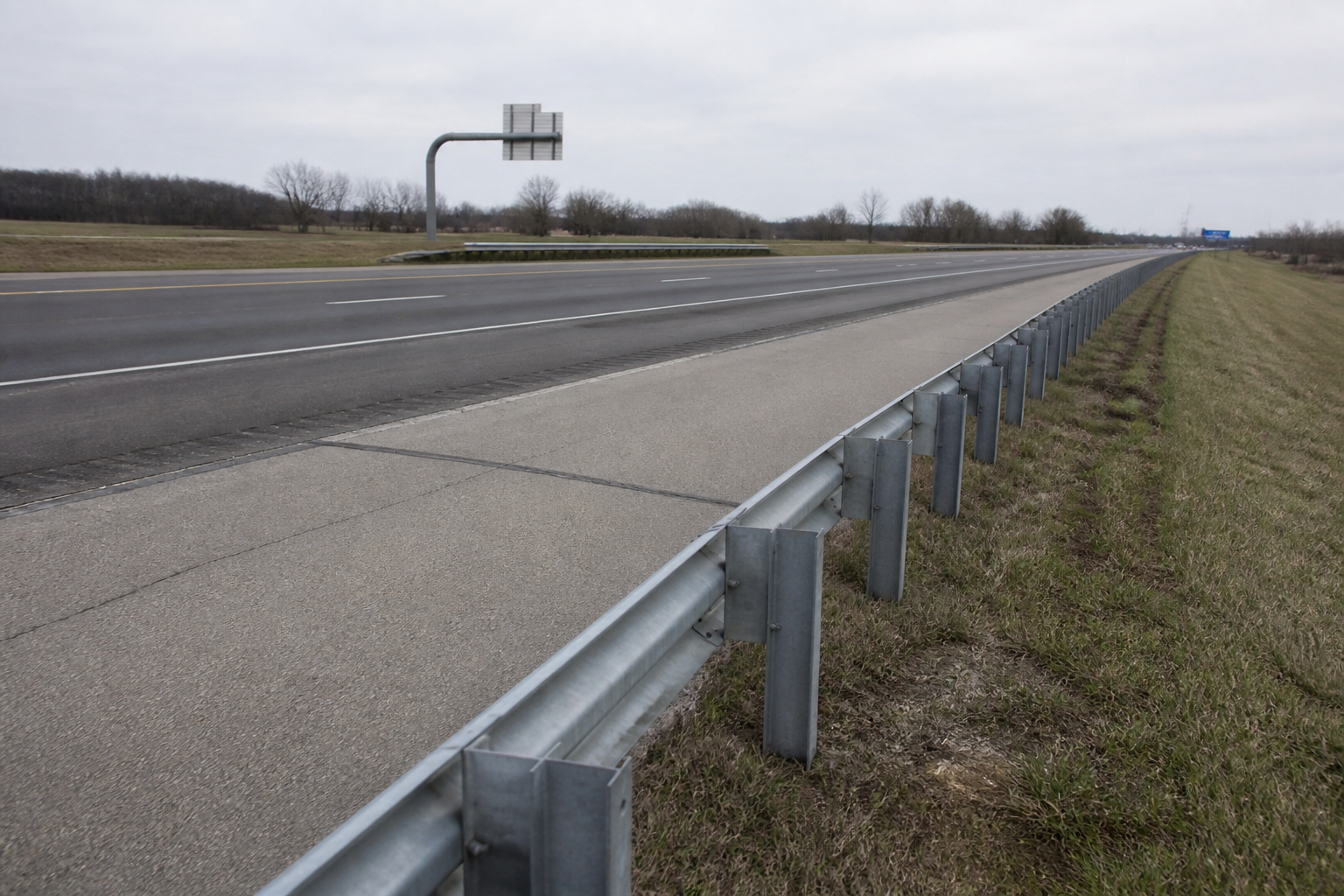
A witness told officers that the man threw a bottle of whiskey over the guardrail after the crash. The Lebanon Police Department handled the call.
The blotter entry, published August 28, did not name the arrested man or the occupants of the second vehicle. It did not state whether anyone was injured, and it described the incident only as involving property damage. Charges were reported as pending. The Lebanon Reporter was the only outlet identified in the draft, which reported that no follow-up had been published.
What accident victims should do next
If you were in the other vehicle, do not assume the arrest resolves your situation. A criminal case addresses whether the State can prove a charge. It does not compensate you, determine civil liability, establish what a claim is worth, or pause a civil deadline.
You can request the crash report from the Lebanon Police Department and note the arrest case number if you have it. The investigating agency's crash report can usually be obtained after the investigation, but a police report is not a determination of civil liability. The firm's guide explains how to obtain an Indiana police crash report.
Photograph your vehicle and its damage before repairs, and keep the repair estimate. If you need medical attention, get appropriate care and keep accurate records. You can also review what information to collect after an Indiana car accident.
Notify your insurer promptly and review the uninsured and underinsured motorist provisions in your policy. Policy notice requirements can apply separately from court deadlines. More information is available in the firm's guide to uninsured-driver claims in Indiana.
Why location matters in an Indiana injury claim
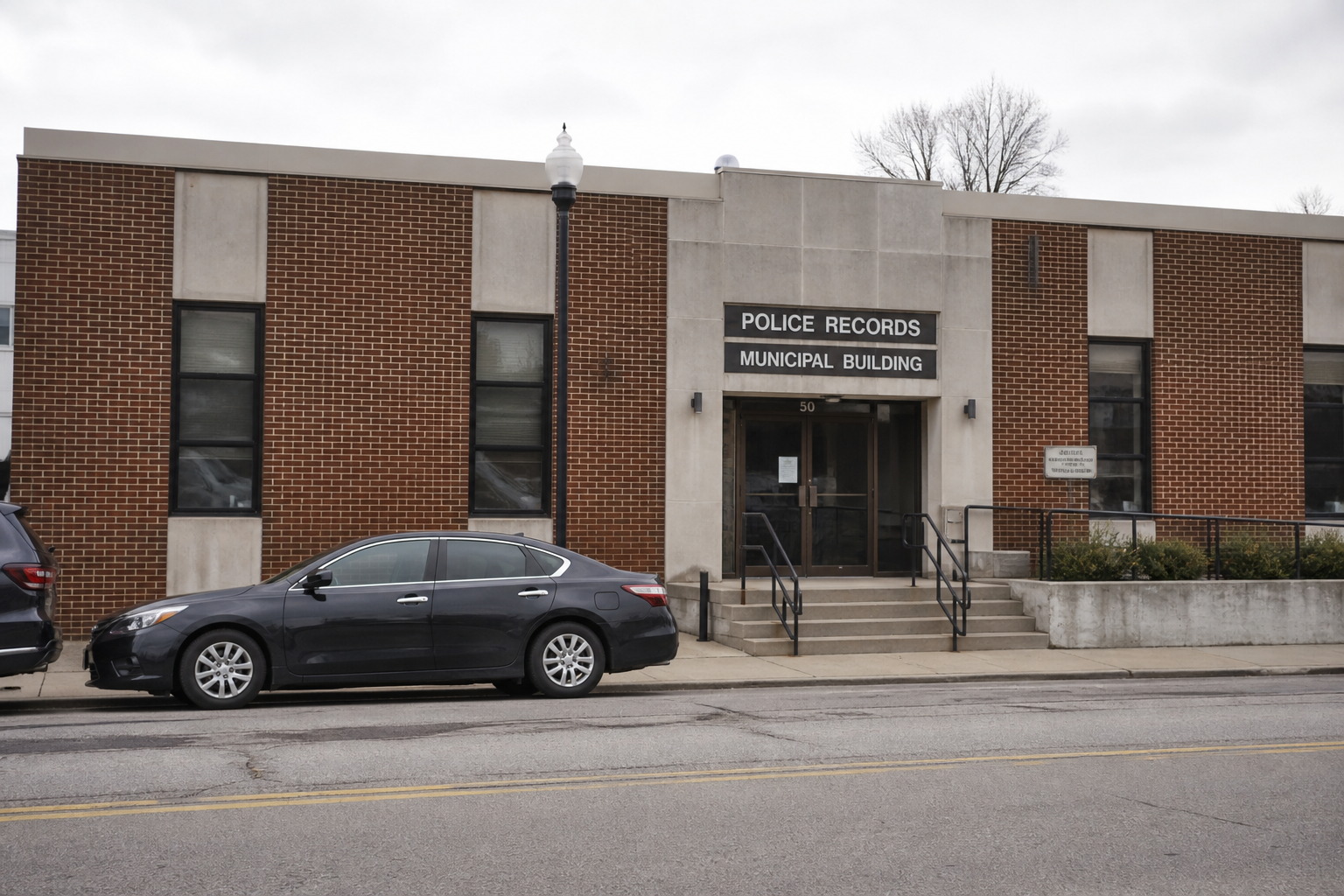
The crash was reported on I-65 in Lebanon, Boone County, and the Lebanon Police Department handled the call. Confirming which agency holds the crash report is a practical first step.
Indiana applies modified comparative fault under IC 34-51-2-6[2]. If your fault is greater than 50 percent, you recover nothing. Otherwise, your recovery is reduced by your percentage of fault. A plain-language explanation is available in the firm's guide to Indiana's 51 percent fault rule.
Most Indiana personal injury claims must be filed within two years of the injury under IC 34-11-2-4[3]. If a government entity or government vehicle is involved, notice may be required within 180 days for a political subdivision under IC 34-13-3-8[4] or within 270 days for the State under IC 34-13-3-6[5].
Indiana's minimum liability limits under IC 9-25-4-5[6] are $25,000 per person and $50,000 per accident for bodily injury, plus $25,000 for property damage. Indiana insurers must offer uninsured and underinsured motorist coverage under IC 27-7-5-2[7], although whether that coverage applies depends on the policy and facts.
Indiana's dram shop statute, IC 7.1-5-10-15.5, may create liability when a person or business furnished alcohol with actual knowledge that the person served was visibly intoxicated and the intoxication was a proximate cause of the injury. Nothing in the reporting says where the arrested driver had been, so no conclusion about alcohol service can be drawn from the blotter.
How Delventhal Law Office can help
Delventhal Law Office, LLC is a Fort Wayne personal injury law firm founded by attorney Chad E. Delventhal in 2009. The firm can obtain and review records, examine available insurance coverage, preserve relevant evidence, and explain the deadlines that apply to your circumstances. Insurance companies may aggressively defend fault, causation, and damages, so careful documentation matters.
If you were hurt in a crash, you can ask for a free case evaluation. There is no cost to ask the firm to review the situation.
This post is based on public reporting, the investigation may be ongoing, and nothing here is legal advice or creates an attorney-client relationship.