What happened on Tyler Road
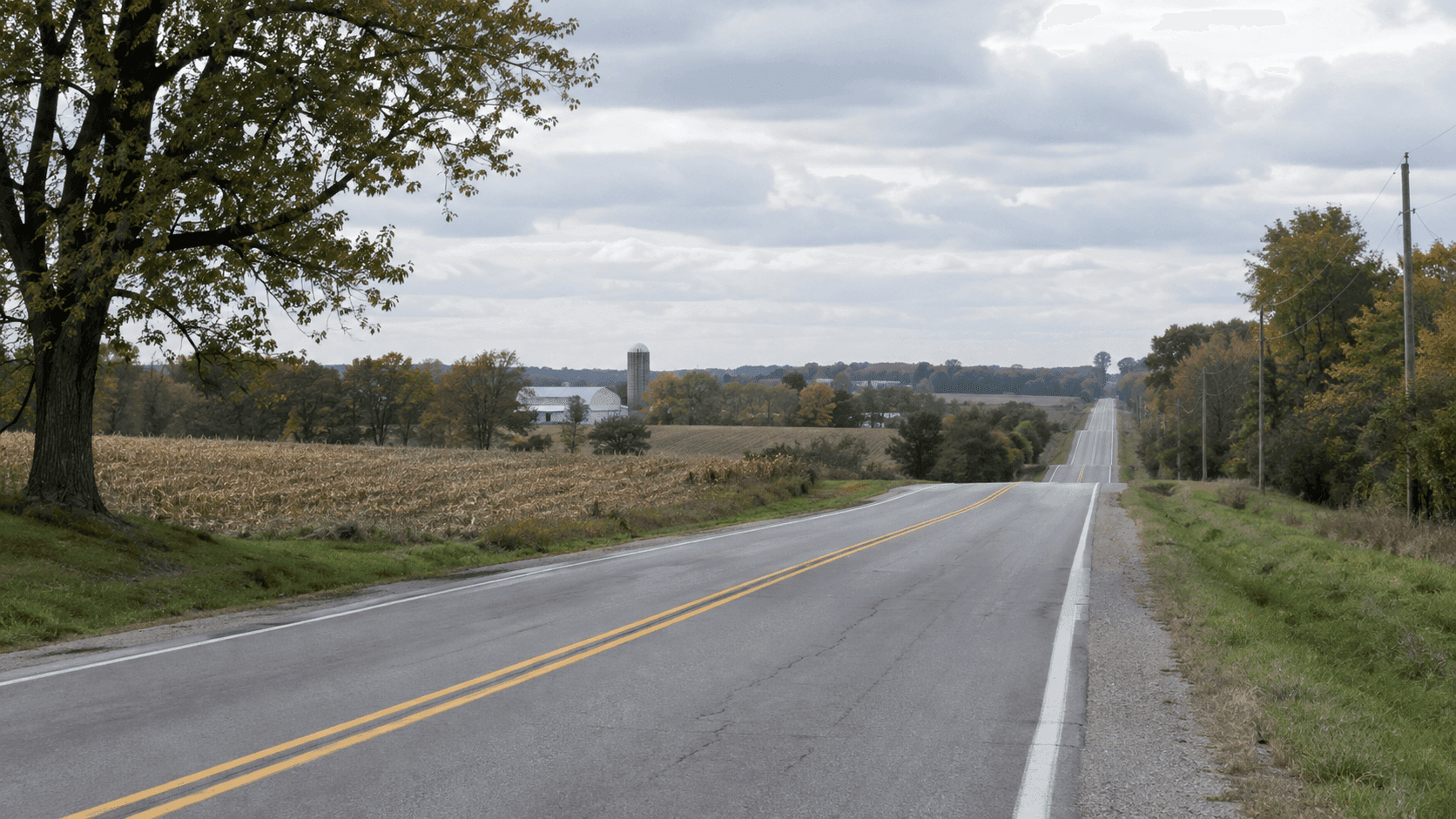
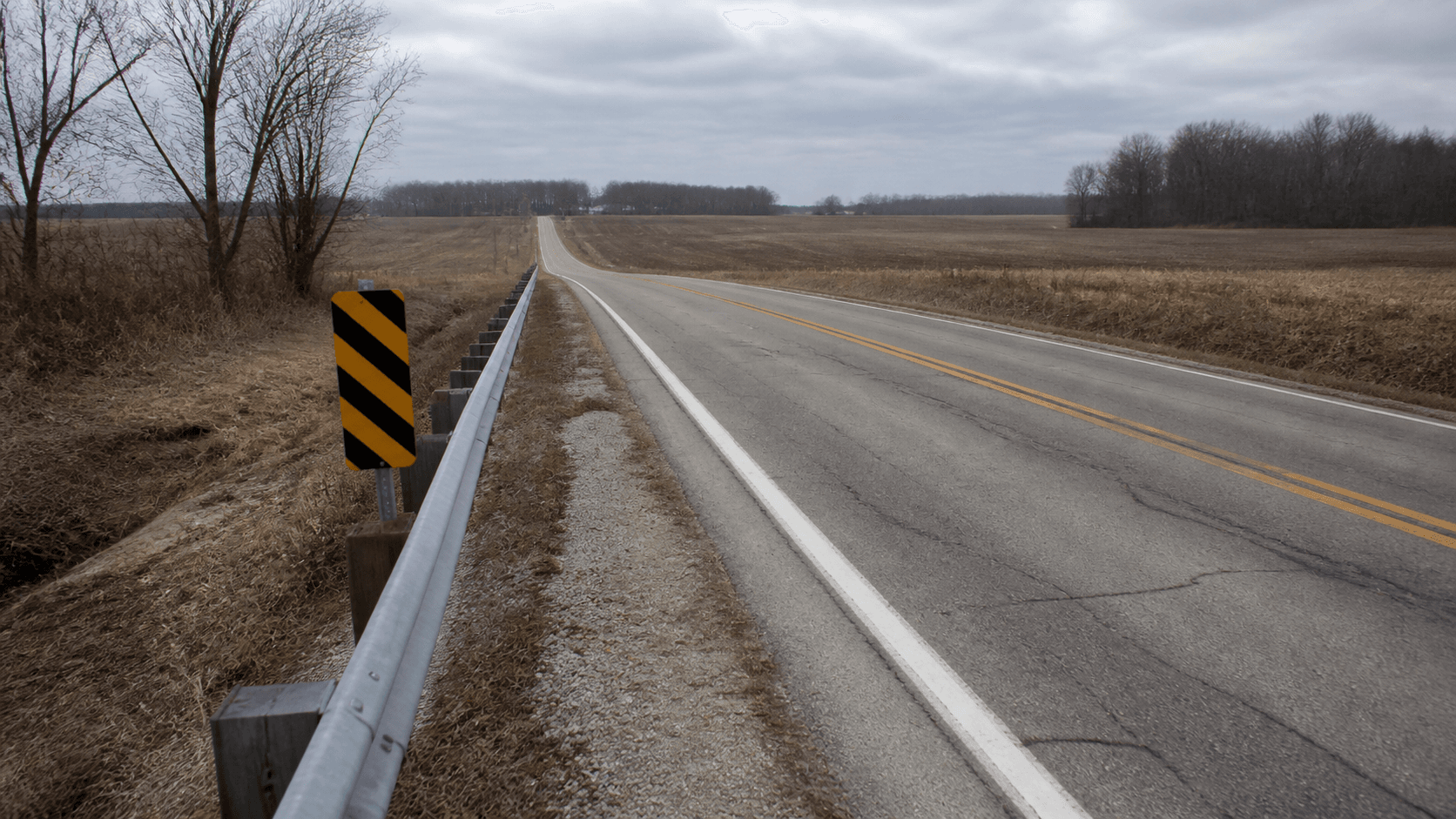
A 68-year-old motorcyclist suffered serious bodily injury in a hit-and-run crash in the 9100 block of Tyler Road in northern Tippecanoe County at about 3:30 p.m. on Wednesday, August 26, 2026, according to WLFI News 18[1].
WLFI reported that the Tippecanoe County Sheriff's Office said a pickup truck traveling northbound on Tyler Road was described as driving aggressively before the crash. The truck reportedly struck the guardrail, spun to the left, and collided with the motorcycle. The rider was thrown over the guardrail and down a large embankment. The truck fled southbound on Tyler Road.
The Sheriff's Office released a description of the suspect vehicle: a 2016 or newer white Dodge Ram quad cab with darker tinted windows, expected to have damage to the front bumper and passenger side. No one was named, the rider was not identified, and the hospital that received him was not reported.
The report contains an inconsistency that should remain unresolved. Its headline indicates the Sheriff's Office located the suspect, while the body still asks the public for information about the suspect vehicle. No confirmation of an arrest was located as of August 28.
What you should do after a hit-and-run
A hit-and-run changes the practical shape of an injury claim because the person who caused the harm may not be available to make a claim against. You should report the crash promptly to your insurer and identify it as a hit-and-run. Depending on your policy, uninsured motorist coverage may apply when the other driver is never identified. Policy notice requirements can be shorter than the deadline for filing a lawsuit.
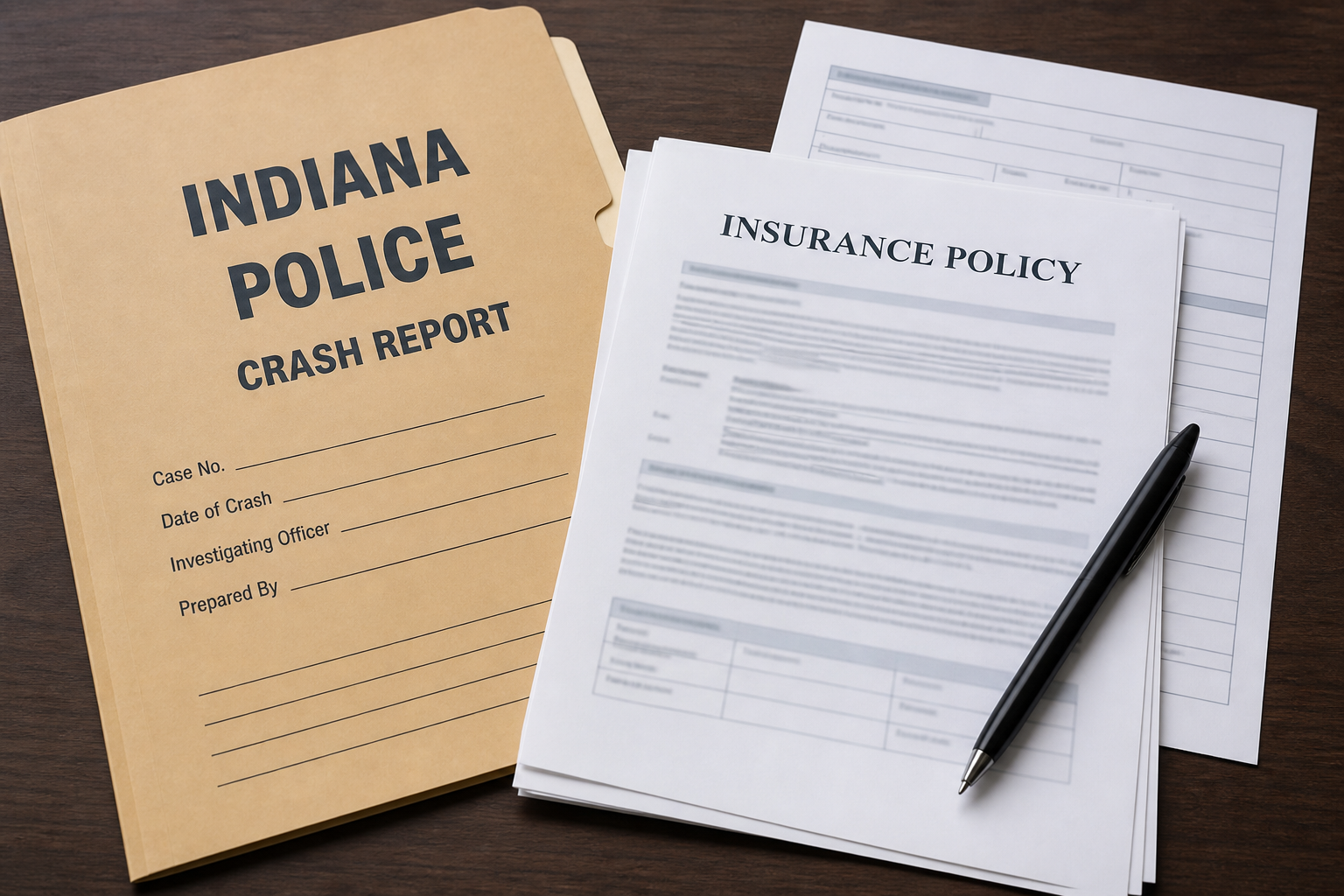
Make sure law enforcement documents the crash, then obtain and keep the report number. The investigating agency's crash report can usually be obtained after the investigation, but a police report does not determine civil liability. This guide explains how to obtain an Indiana crash report.
Preserve the motorcycle and riding gear in their current condition. Damage patterns, paint transfer, and helmet condition may matter, especially if investigators later identify a vehicle. Do not allow a salvage yard to dispose of the motorcycle before the evidence is reviewed.
Camera footage can be overwritten quickly. Homes, farms, and businesses along the reported route may have doorbell or security video, so timely preservation requests matter. A Fort Wayne motorcycle accident attorney can help identify and preserve relevant evidence while it still exists.
How Indiana law may affect a claim
Indiana allocates fault under Indiana Code 34-51-2-6[2]. An injured person whose own fault is greater than 50 percent recovers nothing. Otherwise, recovery is reduced by that person's percentage of fault. Early reporting does not determine who is civilly responsible.
Indiana's minimum auto liability limits are $25,000 per person and $50,000 per accident for bodily injury, plus $25,000 for property damage, under Indiana Code 9-25-4-5[3]. Indiana insurers must offer uninsured and underinsured motorist coverage under Indiana Code 27-7-5-2[4]. Depending on the policy, that coverage can apply to hit-and-run and unidentified-vehicle crashes.
Most Indiana personal injury claims must be filed within two years of the injury under Indiana Code 34-11-2-4[5]. If a city, county, town, or another political subdivision may be responsible, written notice is generally required within 180 days under Indiana Code 34-13-3-8[6]. A claim against the State generally requires notice within 270 days under Indiana Code 34-13-3-6[7]. Nothing in the reporting suggests a roadway defect in this crash.
These deadlines can overlap with shorter insurance-policy requirements. You can read more about steps after a hit-and-run and Indiana's comparative-fault rule.
How Delventhal Law Office can help
When a driver leaves, your own insurance company may aggressively defend the claim even though you paid for the coverage. Delventhal Law Office can review policy terms, preserve available evidence, obtain the crash report, and follow the investigation without assuming that early reports settle fault.
Delventhal Law Office, LLC is a Fort Wayne personal injury firm founded by attorney Chad E. Delventhal in 2009. The firm represents motorcyclists and other people injured on Indiana roads and offers a free case evaluation.
This post is based on public reporting, the investigation may be ongoing, and nothing here is legal advice or creates an attorney-client relationship.
Update: Driver identified, arrested, and charged, August 30, 2026
Star City TV[8] reported that Blake Jenkinson was taken into custody on the afternoon of August 27 after contacting deputies who were seizing the truck. He was booked into the Tippecanoe County Jail and charged with leaving the scene of a crash causing serious bodily injury.
According to Star City TV, witness dash-camera video and additional surveillance footage identified the vehicle. The motorcyclist was treated at a local hospital and is stable. The rider has not been publicly identified, and the specific injuries have not been reported.
The charge is an allegation, and the criminal case remains pending. The Tippecanoe County Sheriff’s Office investigation is ongoing.